
Ceramic non-stick vs. PTFE non-stick durability is less equal than marketing suggests. PTFE usually keeps its slick release longer with careful low-to-medium heat use, while ceramic often loses non-stick performance faster as its surface wears. Both scratch, degrade, and need gentle utensils, but neither matches stainless steel, carbon steel, or cast iron longevity.
You’re in the kitchen, ready to whip up a quick meal, and you reach for your favorite frying pan. But then you remember: that sticky mess from last night is still clinging to the surface. It makes you wonder which non-stick pans really last.
Understanding the Ceramic Non-Stick vs. PTFE Non-Stick: The Durability Reality is key to making smart choices.
This guide will help you see which material offers longer-lasting performance, saving you money and frustration.
You’ll learn how to get the most out of your cookware and keep it looking and working like new for years to come.
Key Takeaways
- Understand the fundamental differences in how ceramic and PTFE non-stick coatings are made.
- Learn about the typical lifespan and wear patterns associated with both ceramic and PTFE non-stick pans.
- Discover how cooking habits and care routines significantly impact the durability of non-stick surfaces.
- Identify signs of wear and tear that indicate when it’s time to replace your non-stick cookware.
- Compare the long-term value and environmental considerations of choosing ceramic over PTFE.
- Make informed decisions about which non-stick technology best suits your cooking needs and budget.
![Ceramic Non Stick Vs. Ptfe Non Stick The Durability Reality[1]](https://kitchentipsdaily.com/wp-content/uploads/2026/06/Ceramic_Non-Stick_Vs._Ptfe_Non-Stick__The_Durability_Reality1.jpg)
The Science Behind Non-Stick Surfaces
Non-stick cookware makes cooking and cleaning much easier. It prevents food from sticking to the pan’s surface. This is achieved through special coatings applied to the metal.
There are two main types of non-stick coatings commonly found in kitchens today: ceramic and PTFE.
Each uses different materials and manufacturing processes to create its non-stick properties. Understanding these differences is the first step in evaluating their durability.
Ceramic Non-Stick: A Mineral-Based Approach
Ceramic non-stick coatings are made from natural materials. They are typically derived from sand (silicon dioxide). This material is then processed into a sol-gel solution.
This solution is sprayed onto the metal pan and then heated to create a hard, glassy surface. The process is often called “green manufacturing” because it doesn’t involve harsh chemicals or high temperatures. The resulting surface is smooth and non-porous, which is what gives it its non-stick quality.
It’s important to note that “ceramic” in this context doesn’t mean it’s made of fired clay like a ceramic pot. It refers to the silicon-based composition.
PTFE Non-Stick: The Traditional Choice
PTFE stands for Polytetrafluoroethylene. It’s a synthetic fluoropolymer. You might know it better by brand names like Teflon.
PTFE is created through a chemical process. It’s then applied as a liquid coating to the pan. This coating is cured at high temperatures to form a durable, slippery layer.
PTFE has been the go-to non-stick material for decades. Its effectiveness in preventing food from sticking is well-established. The manufacturing of PTFE involves several chemical steps.
Comparing Durability: Ceramic Non-Stick vs. PTFE Non-Stick
When we talk about the Ceramic Non-Stick vs. PTFE Non-Stick: The Durability Reality, we’re looking at how well these coatings hold up over time. Both have their strengths and weaknesses when it comes to lasting power.
Many factors influence how long a non-stick pan will remain effective. These include the quality of the initial manufacturing, how the pan is used, and the cleaning methods employed.
Lifespan Expectations
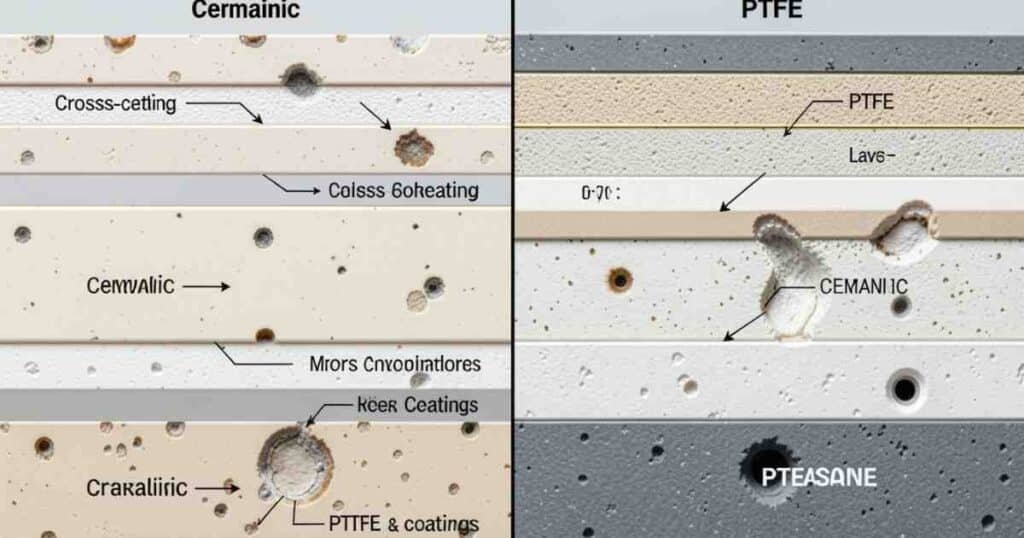
Ceramic non-stick pans generally have a shorter lifespan than PTFE pans. Many manufacturers suggest ceramic coatings may start to lose their effectiveness within 1-3 years of regular use. This can depend heavily on the brand and the quality of the manufacturing process.
Some high-end ceramic pans might last a bit longer, but it’s rare to see them perform optimally for more than a few years. The non-stick properties can fade, and scratches may become more apparent.
PTFE non-stick pans, when cared for properly, can last significantly longer. Many users report good performance from PTFE pans for 3-5 years, and some can even last up to 10 years. The key here is proper care and avoiding overheating.
The chemical structure of PTFE is very stable and resistant to wear, provided it’s not subjected to extreme conditions. The Ceramic Non-Stick vs. PTFE Non-Stick: The Durability Reality often shows PTFE having an edge in sheer longevity.
Resistance to Scratches and Wear
Ceramic coatings are often perceived as being more prone to scratching. While they are hard, they can be brittle. Metal utensils can easily scratch the surface, leading to a loss of non-stick performance and potential flaking.
Even softer utensils can cause micro-scratches that build up over time. This makes them less forgiving if you accidentally use the wrong cooking tool.
PTFE coatings are also susceptible to scratches, especially from metal utensils. However, they tend to be more flexible than ceramic. This means they might resist chipping or flaking better when minor scratches occur.High-quality PTFE coatings are designed to be quite robust. They can withstand typical daily cooking use without significant degradation, provided they are not abused. The Ceramic Non-Stick vs.
PTFE Non-Stick: The Durability Reality involves how easily the surface is compromised.
Heat Tolerance and Degradation
Ceramic non-stick surfaces generally have a higher heat tolerance than PTFE. They can often withstand higher temperatures without degrading. This means they are less likely to break down or release fumes when heated to moderate or high heat levels.
This makes them a safer choice for cooks who tend to use higher heat for searing or quick cooking.
PTFE coatings have a maximum recommended cooking temperature. Exceeding this temperature, typically around 500°F (260°C), can cause the coating to break down. This breakdown can release fumes and degrade the non-stick properties.
While modern PTFE pans are designed to be safe for typical stovetop cooking, overheating is a significant factor in their reduced lifespan. This is a crucial aspect of the Ceramic Non-Stick vs. PTFE Non-Stick: The Durability Reality.
Factors Affecting Non-Stick Pan Durability
The performance and lifespan of any non-stick pan, whether ceramic or PTFE, depend heavily on how it’s treated. Good habits can extend the life of your cookware significantly. Conversely, poor handling can quickly ruin even the most durable coatings.
Cooking Habits and Utensil Choice
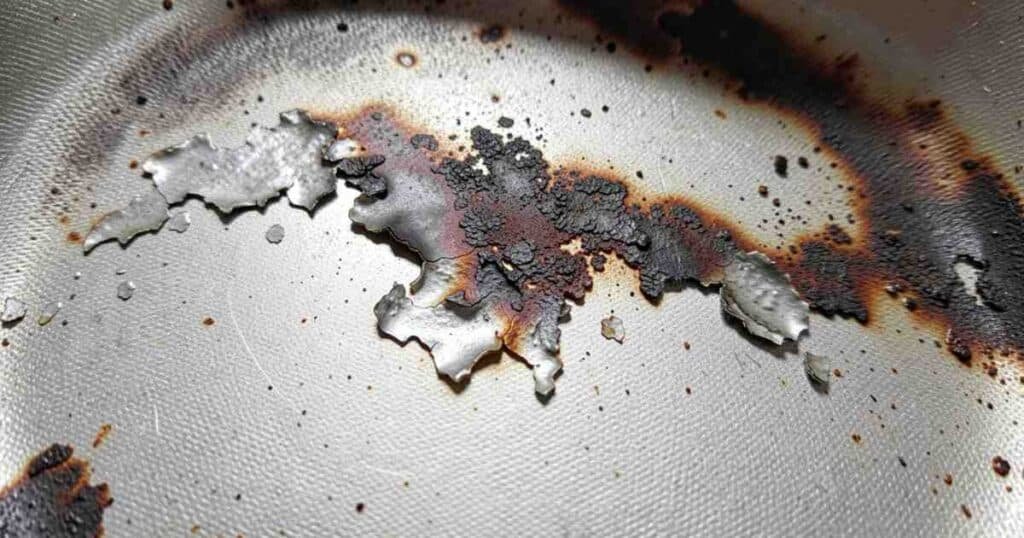
The types of utensils you use are critical. Always use wood, silicone, or plastic utensils with non-stick pans. Metal utensils will scratch and damage both ceramic and PTFE surfaces.
Avoid using sharp objects like knives or forks to cut food in the pan. This will inevitably damage the coating. The Ceramic Non-Stick vs.
PTFE Non-Stick: The Durability Reality is profoundly influenced by your daily cooking practices.
Preheating is another important habit. Always preheat non-stick pans on medium or low heat. Avoid blasting them on high heat before adding food.
Overheating is a primary cause of premature wear for both types of coatings, but especially for PTFE. Allow the pan to heat up gradually. This helps the material expand evenly and prevents thermal shock.
Cleaning and Maintenance Routines
Proper cleaning is essential for maintaining non-stick surfaces. First, always allow the pan to cool down before washing. Washing a hot pan with cold water can cause thermal shock, leading to warping or damage to the coating.
Second, hand-wash your non-stick pans. While some manufacturers claim their pans are dishwasher safe, the harsh detergents and high heat in dishwashers can degrade the non-stick coating over time. This is true for both ceramic and PTFE.
Next, use a soft sponge or cloth. Avoid abrasive scrubbers, steel wool, or harsh cleaning pads. Even mild scrubbing can create micro-scratches that reduce non-stick performance.
For stuck-on food, soak the pan in warm, soapy water for a while. Then, gently scrub with a soft sponge. Then, dry the pan thoroughly after washing.
This prevents water spots and potential corrosion.
For deep cleaning or to revive a dulling non-stick surface, you can try a baking soda paste. Mix baking soda with a little water to form a paste. Apply it to the surface and let it sit for a few minutes.
Gently scrub with a soft sponge, then rinse and dry. This can help remove residue that may be affecting the non-stick properties. Remembering these cleaning steps is vital for the Ceramic Non-Stick vs.
PTFE Non-Stick: The Durability Reality.
Storage Practices
How you store your non-stick pans also plays a role. Avoid stacking pans directly on top of each other without protection. This can lead to scratches and chips.
Use pan protectors, paper towels, or soft cloths between pans when stacking. This simple step can prevent significant damage. Ensuring your pans are stored without direct contact helps maintain their surfaces.
When It’s Time to Replace Your Non-Stick Pan
Recognizing when a non-stick pan has reached the end of its usable life is important for both cooking performance and safety. Even with the best care, non-stick coatings don’t last forever. The Ceramic Non-Stick vs.
PTFE Non-Stick: The Durability Reality means eventually, they will wear out.
Signs of Worn-Out Non-Stick
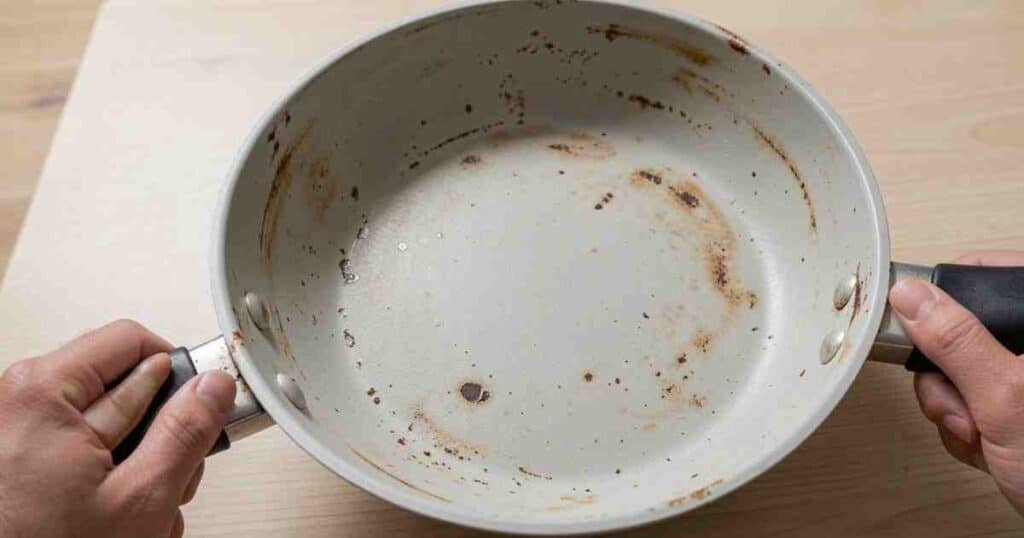
One of the most obvious signs is a noticeable decrease in non-stick performance. If food consistently sticks and burns even after proper preheating and oiling, the coating is likely failing. This means the protective layer is compromised.
Look for visible damage to the coating. This includes deep scratches, chips, peeling, or bubbling. If you see any of these issues, it’s time for a replacement.
Damaged coatings can not only affect cooking but also potentially release small particles into your food.
A warped or discolored pan is another indicator. Warping means the pan won't sit flat on the stovetop, leading to uneven heating. Discoloration, especially on PTFE pans, can indicate overheating and degradation of the coating.Safety Concerns with Old Non-Stick
As mentioned, damaged PTFE coatings can release fumes when overheated. While modern PTFE is safe when used correctly, old or damaged pans pose a greater risk. It’s better to err on the side of caution and replace them.
The Ceramic Non-Stick vs. PTFE Non-Stick: The Durability Reality includes understanding these safety aspects.
Ceramic coatings, while generally considered safer at higher temperatures, can still degrade. If the coating starts to flake, there’s a risk of ingesting small particles. Although generally considered inert, it’s best to avoid consuming them.
Ceramic vs. PTFE: A Durability Comparison Table
To provide a clear overview of the Ceramic Non-Stick vs. PTFE Non-Stick: The Durability Reality, here’s a comparison table:
| Lifespan (Regular Use) | 1-3 years | 3-5 years (can be longer with excellent care) |
| Scratch Resistance | Moderate; can be brittle | Moderate; more flexible than ceramic |
| Heat Tolerance | Higher (less prone to degradation at high heat) | Lower (maximum recommended temperature 500°F/260°C) |
| Utensil Compatibility | Wood, silicone, plastic ONLY | Wood, silicone, plastic recommended; metal can scratch |
| Cleaning Method | Hand wash recommended; avoid abrasives | Hand wash recommended; avoid abrasives and harsh detergents |
| Environmental Impact (Manufacturing) | Generally considered more eco-friendly (natural materials, lower energy) | Involves chemical processes; older manufacturing methods had environmental concerns (PFOA) |
| Food Sticking Tendency (Over Time) | Can fade more quickly | Maintains non-stick for longer if not overheated |
Making the Right Choice for Your Kitchen
Deciding between ceramic and PTFE non-stick cookware involves weighing their durability against your cooking style and priorities. The Ceramic Non-Stick vs. PTFE Non-Stick: The Durability Reality isn’t always black and white; it depends on your usage.
Who Should Choose Ceramic?
Ceramic non-stick pans are a good option for those who prioritize using natural materials and are concerned about chemicals. They are also a better choice for cooks who often use higher heat for searing or quick cooking, as they have better heat tolerance. If you are meticulous about using only wood or silicone utensils and are prepared for a potentially shorter lifespan, ceramic can be a suitable choice.
They offer a greener alternative for some.
Who Should Choose PTFE?
PTFE non-stick pans often offer longer-lasting non-stick performance when treated with care. If you are a careful cook who uses the correct utensils, avoids overheating, and hand-washes religiously, a good quality PTFE pan can serve you well for many years. They are generally more forgiving if you occasionally make a minor mistake, like using a slightly too-hot pan for a moment.
For straightforward, everyday cooking where longevity is a key factor, PTFE remains a strong contender.
Investing in Quality
Regardless of the type of non-stick coating you choose, investing in high-quality cookware from reputable brands will make a difference. Better manufacturing processes and materials lead to more durable coatings. Cheaper pans often use thinner coatings that wear out much faster, regardless of whether they are ceramic or PTFE.
The Ceramic Non-Stick vs. PTFE Non-Stick: The Durability Reality is also about the initial quality of the product.
Consider pans with a thicker gauge metal base. This ensures even heat distribution and reduces the risk of hot spots that can damage the non-stick surface. A well-constructed pan will provide a better cooking experience and last longer.
Frequently Asked Questions Of Ceramic Non-Stick Vs. Ptfe Non-Stick: The Durability Reality
What is the main difference in durability between ceramic and PTFE non-stick pans?
PTFE non-stick pans generally offer longer-lasting durability, often lasting 3-5 years or more with proper care, while ceramic non-stick pans typically last 1-3 years before their non-stick properties begin to fade.
Can I use metal utensils on ceramic or PTFE non-stick pans?
No, you should avoid using metal utensils on both ceramic and PTFE non-stick pans, as they can scratch and damage the coating, significantly reducing its lifespan and non-stick effectiveness.
Which type of non-stick pan is safer at high temperatures?
Ceramic non-stick pans generally have higher heat tolerance and are considered safer at higher temperatures than PTFE non-stick pans, which can degrade and release fumes if overheated above 500°F (260°C).
How does cooking oil affect the durability of ceramic non-stick vs. PTFE non-stick?
Using a small amount of cooking oil or butter can help maintain the non-stick properties of both ceramic and PTFE pans, but excessive oil or cooking sprays can build up residue and degrade the surface over time.
Is it safe to use a non-stick pan that is scratched?
It is generally not recommended to use a non-stick pan with significant scratches, especially PTFE pans, as the coating may degrade and potentially release particles into your food. For ceramic pans, deep scratches can also compromise the non-stick function.
Which non-stick option is considered more environmentally friendly?
Ceramic non-stick coatings are often considered more environmentally friendly as they are made from natural materials and their manufacturing process typically involves fewer harsh chemicals and lower energy consumption compared to PTFE production.
Final Thoughts
Understanding the Ceramic Non-Stick vs. PTFE Non-Stick: The Durability Reality means recognizing PTFE’s edge in longevity with proper care. While ceramic offers higher heat tolerance and natural materials, it tends to wear out faster.
Choose based on your cooking habits and prioritize quality for the best results.

Leave a Reply