
![What Actually Happens Inside A Pressure Cooker At 121°C[1]](https://kitchentipsdaily.com/wp-content/uploads/2026/06/What_Actually_Happens_Inside_A_Pressure_Cooker_At_121°C1.jpg)
Inside a pressure cooker at 121°C, steam pressure raises water’s boiling point far above 100°C, creating hotter moist heat than normal boiling.
This accelerates starch gelatinisation, collagen breakdown, bean softening, and heat penetration into dense foods. The sealed environment also limits evaporation, keeps flavours concentrated, and can reduce microbes when time and pressure are properly controlled.
Imagine rushing through dinner prep, only to realize your ingredients are still stubbornly raw. That’s where the magic of a pressure cooker often comes in, transforming tough cuts into tender delights in record time. But have you ever wondered about the science behind that whistling lid and the incredible speed?
Understanding What Actually Happens Inside a Pressure Cooker at 121°C can demystify the process, making you a more confident cook.
This knowledge not only helps you achieve perfectly cooked meals every time but also boosts your kitchen efficiency, ensuring your time spent cooking is more productive.
Key Takeaways
- Pressure cookers use increased pressure to raise the boiling point of water, cooking food faster.
- At 121°C, water in a pressure cooker is significantly hotter than at sea-level boiling point (100°C).
- This higher temperature accelerates chemical reactions, breaking down tough fibers and tenderizing food.
- The sealed environment locks in steam and moisture, preventing food from drying out.
- Understanding the physics helps in selecting appropriate cooking times and preventing overcooking.
![What Actually Happens Inside A Pressure Cooker At 121°C[1]](https://kitchentipsdaily.com/wp-content/uploads/2026/06/What_Actually_Happens_Inside_A_Pressure_Cooker_At_121%C2%B0C1.jpg)
The Science of High-Pressure Cooking
A pressure cooker is essentially a sealed pot. When you heat liquid inside, it turns to steam. Because the lid is locked tight, this steam cannot escape.
The steam builds up, increasing the pressure inside the pot. This is the fundamental principle that drives faster cooking.
At normal atmospheric pressure, water boils at 100°C (212°F). This is the maximum temperature you can reach with boiling water without increasing pressure. However, What Actually Happens Inside a Pressure Cooker at 121°C involves a significant departure from this.
The increased pressure inside the cooker forces the water molecules closer together. This makes it harder for them to escape into the gaseous state (steam). Consequently, the water needs more energy to boil, meaning its boiling point rises.
When you reach 121°C (250°F) inside a pressure cooker, you’re operating at a pressure roughly double that of normal atmospheric pressure.
This elevated temperature is key to the cooker’s efficiency. It’s not just about getting food hot; it’s about getting it much hotter than conventional methods allow.
Why 121°C Makes a Difference
The jump from 100°C to 121°C might seem small, but it has a profound impact on cooking. Many chemical reactions that break down food, like the tenderizing of meat or softening of vegetables, happen much faster at higher temperatures. Think of it like this: at 100°C, these reactions are moving at a steady pace.
At 121°C, they are in overdrive.
This accelerated cooking is why tough cuts of meat, which might take hours in a slow cooker or oven, can become fall-apart tender in a fraction of the time under pressure.
The heat penetrates the food more effectively and drives these breakdown processes at an unprecedented rate. This is a core aspect of What Actually Happens Inside a Pressure Cooker at 121°C.
The Role of Steam and Moisture
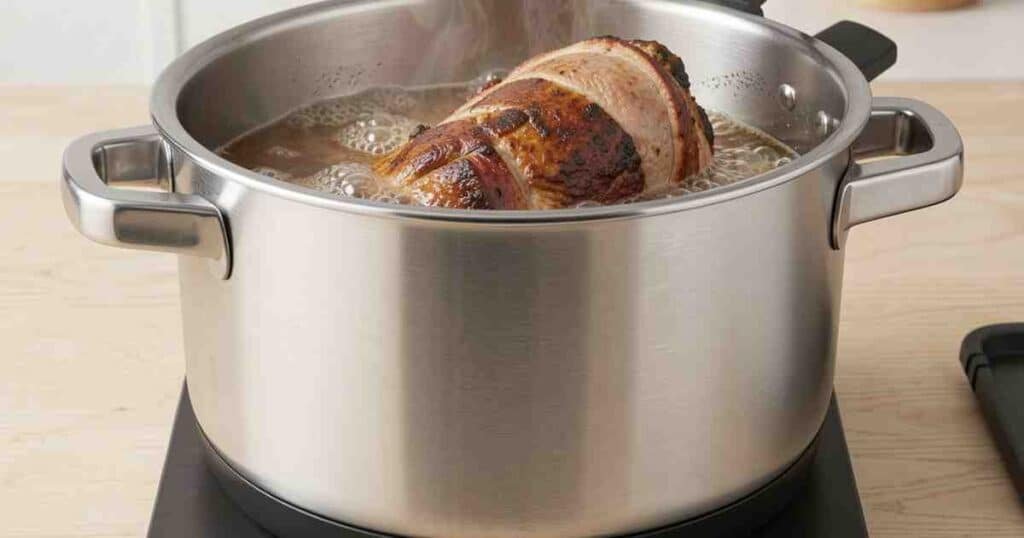
Beyond just heat, the sealed environment of a pressure cooker plays a crucial role. Unlike a pot with a lid ajar, a pressure cooker traps virtually all the steam generated. This steam is not just a byproduct; it’s an active cooking medium.
The steam saturates the food, ensuring it cooks evenly and stays moist. This is especially beneficial for foods that can easily dry out, such as lean meats or grains. The high-pressure steam also helps to infuse flavors more deeply into the food.
It’s a double benefit: faster cooking and better moisture retention.
When you open a pressure cooker, you’ll notice a significant amount of steam. This is the trapped moisture returning, a testament to the efficient cooking environment created. This intense steam environment is a direct consequence of What Actually Happens Inside a Pressure Cooker at 121°C.
Preventing Dehydration
In conventional cooking, some moisture is lost to evaporation. This can lead to dry, tough food, especially if cooked for extended periods. The pressure cooker’s sealed nature minimizes this loss.
The steam condenses back into liquid within the pot, re-moisturizing the food.
This is particularly important for dishes like stews, braises, or rice. These benefit from consistent moisture throughout the cooking process. The pressure cooker excels here, keeping everything succulent and flavorful.
This is a key reason why understanding What Actually Happens Inside a Pressure Cooker at 121°C is so valuable for home cooks.
How Pressure Affects Cooking Time
The most noticeable effect of the increased pressure and temperature is the dramatic reduction in cooking time. Foods that typically require hours can often be cooked in 20-40 minutes. This is the primary appeal for many home cooks.
The exact time savings depend on the type of food and the desired level of doneness. For example, dried beans might need 30-45 minutes in a pressure cooker, compared to 2-3 hours of simmering. A whole chicken could be ready in 20-30 minutes, whereas roasting might take over an hour.
It’s vital to use reliable recipes or guidelines when pressure cooking. Overcooking is possible, and because the cooking is so fast, there’s less room for error than with slower methods. Knowing What Actually Happens Inside a Pressure Cooker at 121°C helps you estimate and adjust cooking times with more confidence.
Factors Influencing Cooking Time
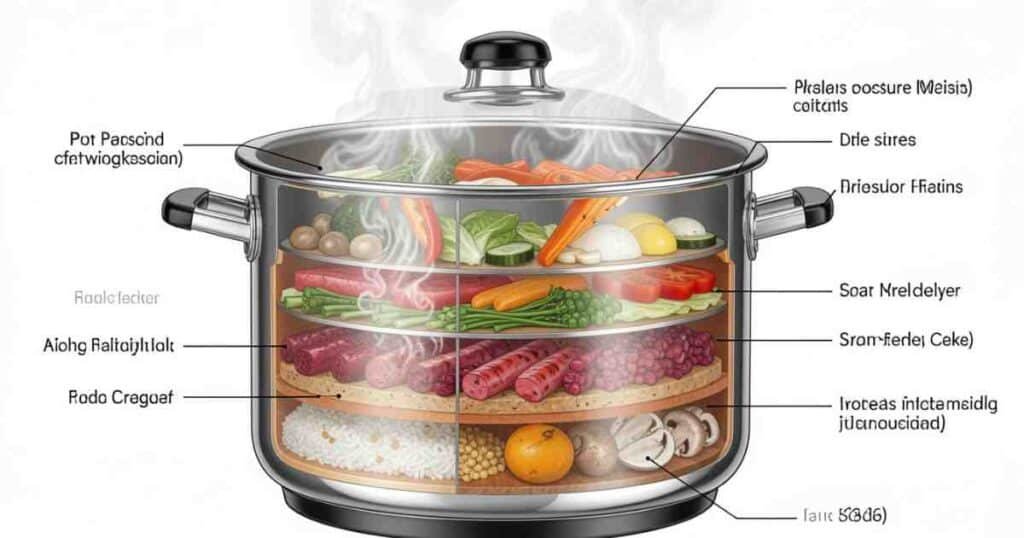
Several factors influence how long food needs to cook in a pressure cooker:
- Food Type: Dense, tough meats require longer than delicate vegetables.
- Size of Pieces: Smaller pieces cook faster than larger ones.
- Starting Temperature: Frozen or cold ingredients will take longer to heat up.
- Liquid Amount: Enough liquid is needed to generate steam, but too much can dilute flavors.
- Pressure Level: Higher pressure (achieved by higher temperatures) cooks faster.
The 121°C temperature is a common benchmark for many pressure cooker recipes, especially for meats and beans. It represents a sweet spot for efficient tenderizing without degrading nutrients too much.
Comparing Pressure Cooking to Other Methods
To truly appreciate the power of pressure cooking, it’s helpful to compare it to other common cooking techniques. Each method has its place, but pressure cooking offers unique advantages.
| Boiling/Simmering | 100°C (212°F) | Hot water | Slow | Good (if covered) | Moderate |
| Steaming | 100°C (212°F) | Hot steam | Moderate | Excellent | Moderate |
| Baking/Roasting | 150-230°C (300-450°F) | Hot air | Moderate to Slow | Moderate (can dry out) | Varies (can dry out) |
| Pressure Cooking (at 121°C) | Up to 121°C (250°F) | Pressurized steam | Very Fast | Excellent | Excellent |
This table highlights why What Actually Happens Inside a Pressure Cooker at 121°C is so transformative. The combination of high temperature and pressurized steam is unmatched for speed and tenderizing.
The Nutritional Impact
One common concern with fast cooking methods is nutrient loss. However, studies suggest that pressure cooking can actually preserve more nutrients than other methods. Because the cooking time is shorter, heat-sensitive vitamins have less time to degrade.
The sealed environment also prevents water-soluble vitamins from leaching out into cooking water, as can happen with boiling. So, while the heat is intense, the short duration and sealed nature can lead to more nutrient-rich food. This is a significant benefit that goes beyond just speed.
Safety and Operation of a Pressure Cooker
Modern pressure cookers are incredibly safe. They are equipped with multiple safety features to prevent over-pressurization or accidental opening. Understanding these features and operating the cooker correctly is paramount.
Key Safety Features
- Pressure Regulator/Valve: This is the part that whistles or releases excess steam to maintain the correct pressure.
- Safety Plug/Vent: A secondary release mechanism that melts or pops out if the primary regulator fails.
- Locking Lid: Designed to prevent the lid from being opened while the pot is under pressure.
First, always ensure there is sufficient liquid in the pot to generate steam. Second, never fill the cooker more than two-thirds full, or three-quarters full for liquids or expanding foods like beans. Next, securely lock the lid before heating.
Then, allow the pressure to release naturally or use the quick-release method as specified by your recipe.
When dealing with What Actually Happens Inside a Pressure Cooker at 121°C, safety is not an afterthought; it’s built into the design and operation. Always follow the manufacturer’s instructions for your specific model.
Troubleshooting Common Pressure Cooker Issues
While generally reliable, occasional issues can arise. Knowing how to address them ensures a smooth cooking experience. A key concept is that the boiling point of water increases under high pressure in a sealed pot.
Common Problems and Solutions
- Not Reaching Pressure: Check that the lid is sealed correctly. Ensure the steam vent is clear. Verify there is enough liquid.
- Food is Undercooked: This usually means the cooking time was too short. Re-seal the pot and cook for a few more minutes.
- Food is Overcooked: This is more challenging to fix. The food might be mushy. This often happens if the cooking time was too long or the heat was too high.
- Leaking Steam: Check the gasket (seal) for damage or debris. Ensure the lid is properly seated.
Understanding the science behind What Actually Happens Inside a Pressure Cooker at 121°C can help diagnose these issues. For instance, if it’s not reaching pressure, it means the steam isn’t being trapped effectively, preventing the temperature from rising.
Frequently Asked Questions Of What Actually Happens Inside A Pressure Cooker At 121°C
What is the typical pressure inside a cooker at 121°C?
At 121°C, a pressure cooker typically operates at around 15 psi (pounds per square inch) above normal atmospheric pressure. This is what allows the water to reach that higher temperature.
Does cooking at 121°C in a pressure cooker destroy nutrients?
While high heat can degrade some nutrients, the short cooking time and sealed environment of a pressure cooker often preserve more vitamins and minerals compared to longer cooking methods like boiling or simmering.
Can I cook anything in a pressure cooker?
Most foods can be cooked in a pressure cooker, including meats, poultry, vegetables, beans, grains, and even desserts like cheesecakes. Some delicate items like leafy greens might overcook quickly.
Why does my pressure cooker not reach pressure?
This could be due to insufficient liquid, a lid that isn’t sealed correctly, or a blocked steam vent. Ensure all parts are clean and properly assembled according to the manufacturer’s instructions.
Is it safe to open a pressure cooker before the pressure is released?
No, it is never safe to force open a pressure cooker while it is still pressurized. The sudden release of pressure can cause steam and hot food to erupt violently, leading to severe burns.
How does knowing What Actually Happens Inside a Pressure Cooker at 121°C help me cook better?
Understanding the science helps you select appropriate cooking times, adjust recipes, and troubleshoot issues more effectively, leading to more consistently delicious and perfectly cooked meals.
Final Thoughts
The transformation of food inside a pressure cooker at 121°C is a marvel of science. High pressure boosts the boiling point of water, creating an intensely hot, moist environment that cooks food rapidly and tenderizes it efficiently. By grasping these principles, you gain control for faster, more flavorful meals. When Food is Undercooked in a pressure cooker, simply reseal and cook for a few more minutes.

Leave a Reply