
The pressure cooker nearly disappeared after World War II because rushed postwar production led to cheaper, less reliable models with safety problems.
Stories of clogged valves, blown gaskets, and exploding lids damaged public trust. As microwaves and other convenient appliances became popular, many households moved away from pressure cooking until safer modern designs revived interest.
Imagine a kitchen tool that promised faster meals and saved precious fuel, only to face an uncertain future. That was the reality for the pressure cooker after World War II. While it offered significant advantages, a combination of factors threatened its place in the modern home.
This article will explore the reasons behind this near disappearance, helping you understand the historical context and appreciate the enduring appeal of this innovative kitchen appliance.
By examining these historical shifts, you’ll gain a deeper appreciation for kitchen technology and how trends can impact even the most useful tools.
Key Takeaways
- Understand the post-war economic and social shifts that impacted home appliance sales.
- Learn about the rise of competing kitchen technologies that challenged the pressure cooker.
- Explore the safety concerns and public perception issues that plagued pressure cookers.
- Discover how marketing and design changes helped pressure cookers survive and thrive.
- Identify the specific innovations that ensured the pressure cooker’s continued relevance.
![Why The Pressure Cooker Nearly Disappeared After World War Ii[1]](https://kitchentipsdaily.com/wp-content/uploads/2026/06/Why_The_Pressure_Cooker_Nearly_Disappeared_After_World_War_Ii1.jpg)
The Post-War Boom and Shifting Consumer Priorities
After the long years of World War II, many households were eager for normalcy and comfort. The economy saw a surge, and people had more disposable income. This led to a boom in consumer goods, including new kitchen appliances.
Families were looking for items that made life easier and more enjoyable. However, the promise of speed and efficiency offered by the pressure cooker faced new competition.

New technologies and different kitchen philosophies began to emerge. The focus shifted from pure utility to aesthetics and convenience in broader ways. Appliances that looked good and performed multiple functions started to gain traction.
This created a challenging environment for the pressure cooker, which had a very specific, utilitarian image.
Emergence of Competing Kitchen Technologies
The mid-20th century was a period of rapid innovation in kitchen design and appliances. Electric mixers, blenders, and improved refrigerators became more affordable and widely available. These gadgets offered convenience and versatility in ways that appealed to a growing middle class.
They also projected a modern, streamlined image that many homeowners desired.
Furthermore, the rise of the convenience food industry played a role. Packaged meals and pre-made sauces began to appear, reducing the need for extensive home cooking. This trend lessened the demand for tools that required a certain level of culinary engagement, like the pressure cooker.
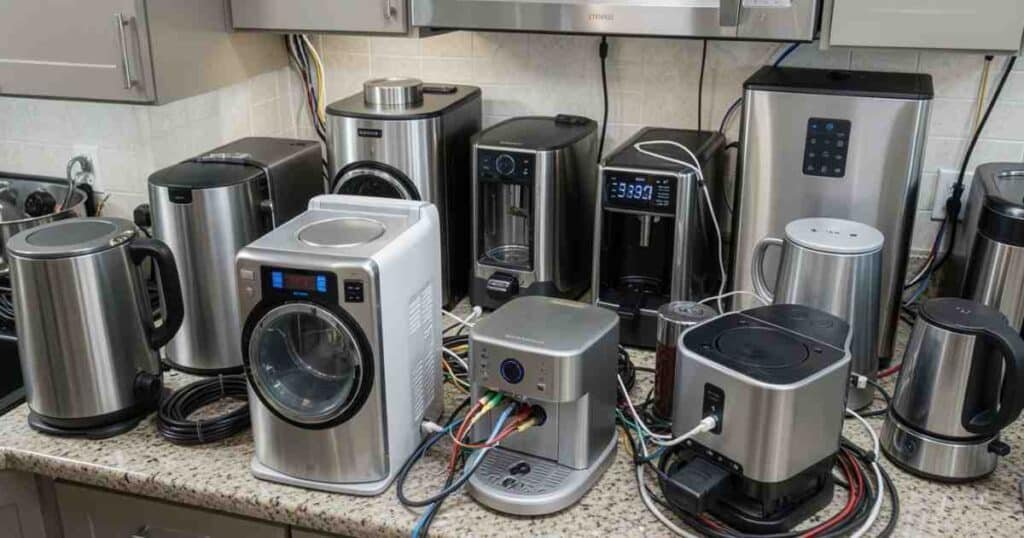
The perceived complexity of using a pressure cooker started to seem like a barrier.
The Rise of the Electric Slow Cooker
Perhaps the most significant competitor to emerge was the electric slow cooker. Introduced in the 1950s, it offered a fundamentally different approach to meal preparation. Instead of speed, it promised effortless cooking over long periods.
This appealed to busy homemakers who wanted to set a meal and forget it.
The slow cooker’s gentle, consistent heat was seen as superior for tenderizing meats and infusing flavors. It also fostered a sense of comforting, home-cooked meals without the hands-on effort. This philosophy directly contrasted with the pressure cooker’s quick, high-heat method.
The slow cooker’s user-friendly design also made it more accessible to novice cooks.
Safety Concerns and Public Perception
A major hurdle for the pressure cooker was its reputation for being dangerous. Early models could be temperamental, and improper use could lead to steam leaks or even explosions. Stories, whether exaggerated or not, about these incidents circulated, creating widespread fear and distrust.
The perceived risk associated with pressure cookers was a significant deterrent for many consumers. They worried about the loud noises, the hissing steam, and the potential for accidents.
This negative perception was difficult to overcome, especially when safer, more familiar alternatives were readily available.
The image of a pressure cooker became one of a potentially hazardous device rather than a helpful kitchen tool.

The “Bomb” Analogy
Some critics and the public alike began to refer to pressure cookers as “kitchen bombs.” This alarming comparison, fueled by sensationalized media reports and actual accidents, cemented a negative image. It made potential buyers hesitant, opting for appliances that did not carry such a dramatic and frightening association.
This perception issue was compounded by a lack of clear, widespread education on safe operating procedures. Many users were not fully aware of the correct ways to seal the lid, manage the pressure valve, or release steam. This knowledge gap contributed to accidents and reinforced the idea that pressure cookers were inherently unsafe.
Marketing and Design Evolution
Manufacturers recognized the challenges facing the pressure cooker. To combat the negative perceptions and declining sales, they began to rethink their approach. This involved significant changes in both marketing strategies and product design.
The goal was to make the pressure cooker more appealing and less intimidating.
Early marketing efforts focused heavily on the time-saving aspect. However, as consumer preferences evolved, the messaging needed to adapt. Manufacturers started to highlight the nutritional benefits of pressure cooking, such as retaining more vitamins and minerals due to shorter cooking times.
They also emphasized the energy efficiency, a growing concern for households.
Modernizing the Look and Feel
Product designers worked to create pressure cookers that looked more modern and less industrial. Sleeker lines, improved materials, and more sophisticated color options
First, safety features were dramatically enhanced. New locking mechanisms, pressure-release valves, and visual indicators were incorporated. These innovations provided users with greater confidence and reduced the likelihood of errors.
The focus shifted from managing a potentially dangerous tool to operating a safe and reliable appliance.
The Shift to Electric Pressure Cookers
The advent of electric pressure cookers was a turning point. These appliances removed the need to monitor a stovetop burner, offering greater control and convenience. They often featured digital displays, pre-programmed settings, and automatic shut-off functions.
This made them incredibly user-friendly and accessible to a wider audience.
Electric pressure cookers essentially combined the speed of stovetop models with the ease of slow cookers. They could sauté, steam, pressure cook, and even make yogurt. This multi-functionality made them a compelling alternative to single-purpose appliances.
The demand for these versatile machines surged, ensuring the pressure cooker’s survival.
Why the Pressure Cooker Nearly Disappeared After World War II: A Confluence of Factors
The near disappearance of the pressure cooker after World War II was not due to a single cause. It was a complex interplay of economic shifts, technological advancements, and public perception challenges. The post-war era brought new consumer desires and a rapidly evolving kitchen landscape.
The pressure cooker, with its utilitarian design and perceived safety risks, struggled to keep pace.
The rise of convenient alternatives like the electric slow cooker offered a different, more appealing approach to cooking for many. This presented a significant challenge to the pressure cooker’s market share. The fear surrounding its operation, amplified by anecdotal evidence, created a barrier that manufacturers had to overcome.
Understanding why the pressure cooker nearly disappeared after World War II requires looking at all these elements together.
The Competition for Kitchen Space
As new appliances flooded the market, they competed not just for consumer dollars but also for precious kitchen space. Many modern kitchens were designed with specific appliance placements in mind. The bulky, often heavy, stovetop pressure cooker sometimes didn’t fit neatly into these new layouts.
Homeowners were also becoming more discerning about aesthetics. Appliances were no longer just tools; they were part of the kitchen’s décor. The older, more utilitarian pressure cookers often clashed with the emerging styles of modern kitchens.
This made them less desirable for those prioritizing a cohesive and attractive living space.
The Evolution of Cooking Habits
Cooking habits themselves began to change. The emphasis moved from preparing meals from scratch for every occasion to seeking quicker, easier methods. While the pressure cooker offered speed, its perceived complexity and potential for error made it seem less appealing than simpler options.
The learning curve associated with mastering a pressure cooker was a deterrent for many.
The availability of pre-prepared ingredients and semi-finished meals also reduced the reliance on traditional cooking methods. This meant that fewer people were actively seeking out tools that required a deeper understanding of cooking techniques. The pressure cooker was thus caught in a shift towards more passive or simplified cooking processes.
Revival and Modern Relevance
Despite the challenges, the pressure cooker did not disappear entirely. Its inherent advantages – speed and efficiency – remained valuable. Manufacturers continued to innovate, making the appliance safer, easier to use, and more versatile.
The development of electric pressure cookers was a critical step in its revival.
These modern versions addressed many of the historical concerns. They offered precise temperature and pressure control, eliminating much of the guesswork. The multi-functionality of electric pressure cookers also made them highly attractive.
They could perform tasks that previously required several different appliances, thus justifying their presence in the modern kitchen.
The Multi-Functional Electric Pressure Cooker
Today’s electric pressure cookers, often called “multi-cookers,” are a far cry from their predecessors. They can slow cook, steam, sauté, bake, and much more. This versatility is a key reason for their resurgence in popularity.
They simplify meal preparation and allow for a wide range of culinary exploration.
The ease of use of these modern devices cannot be overstated. With pre-set programs for various foods, users can achieve consistent results with minimal effort. This has made pressure cooking accessible to a new generation of cooks who might have been intimidated by older models.
The question of why the pressure cooker nearly disappeared after World War II is answered by understanding these past obstacles and how they were overcome.
Nutritional and Economic Benefits
Beyond convenience, modern pressure cookers offer significant nutritional and economic benefits. The shorter cooking times help preserve nutrients in food. This is a major advantage for health-conscious consumers.
Furthermore, pressure cooking can tenderize tougher, less expensive cuts of meat, saving money on groceries.
The energy efficiency of pressure cooking also appeals to consumers concerned about utility bills and environmental impact. Using less energy for faster cooking makes it an economically sound choice. This combination of health, cost savings, and speed makes the pressure cooker a highly relevant appliance today.
The story of why the pressure cooker nearly disappeared after World War II is a testament to its resilience and adaptability.
Frequently Asked Questions
Question: What were the main reasons for the pressure cooker’s decline after WWII?
Answer: The decline was due to a combination of factors, including the rise of competing kitchen technologies, public safety concerns and negative perceptions, and shifting consumer priorities towards convenience and aesthetics.
Question: How did electric slow cookers challenge the pressure cooker?
Answer: Electric slow cookers offered a more hands-off, comforting cooking method that appealed to busy households, contrasting with the pressure cooker’s perceived complexity and speed-focused approach.
Question: Were early pressure cookers truly dangerous?
Answer: Early models had higher risks of malfunction and accidents if not used correctly. Sensationalized stories and actual incidents contributed to a widespread fear of their safety.
Question: What design changes helped pressure cookers become popular again?
Answer: Modern designs incorporated enhanced safety features, sleeker aesthetics, and user-friendly interfaces, especially with the introduction of electric multi-cookers.
Question: How did electric multi-cookers revive the pressure cooker’s popularity?
Answer: Electric multi-cookers combined speed with extreme convenience and versatility, offering multiple cooking functions in one appliance and addressing past safety concerns.
Question: Is it still difficult to use a modern pressure cooker?
Answer: No, modern electric pressure cookers are designed for ease of use, often featuring digital controls and pre-programmed settings that make them very accessible.
Question: Why the Pressure Cooker Nearly Disappeared After World War II: What is the key lesson?
Answer: The lesson is that even useful inventions need to adapt to changing consumer needs, technological advancements, and public perception to remain relevant in the marketplace.
Final Thoughts
The pressure cooker’s journey from near obsolescence to modern kitchen staple highlights its adaptability. Overcoming safety fears and competition required significant innovation and a shift in consumer perception. Today’s multi-cookers prove the enduring value of its core function: fast, efficient cooking.

Leave a Reply