
Recover an over-seasoned wok that’s gone sticky by stripping the gummy oil layer and rebuilding a thin seasoning coat.
Scrub with hot water, a firm brush, and mild dish soap, then dry completely over heat. Wipe on a very thin oil layer, heat until smoking, cool, and repeat lightly instead of adding thick oil.
You’ve just finished a delicious stir-fry, but as you go to clean your wok, you notice a stubborn, sticky residue clinging to the surface.
It’s not just dirt; it feels like the seasoning has gone rogue, making cooking harder and cleaning a chore. This sticky situation can leave you wondering if your beloved wok is ruined.
Fortunately, there are effective ways to address an over-seasoned wok that’s gone sticky, restoring its non-stick properties and making your cooking experience enjoyable again. This guide will show you exactly how to do it.
Key Takeaways
- Understand why your wok’s seasoning might become sticky.
- Learn the step-by-step process for removing excess, sticky seasoning.
- Discover how to re-season your wok properly after cleaning.
- Identify maintenance tips to prevent sticking in the future.
- Gain confidence in restoring your wok to its former glory.
![How To Recover An Over Seasoned Wok That’S Gone Sticky[1]](https://kitchentipsdaily.com/wp-content/uploads/2026/06/How_To_Recover_An_Over-Seasoned_Wok_ThatS_Gone_Sticky1.jpg)
Why Wok Seasoning Goes Sticky
Wok seasoning is a delicate balance. It’s a layer of polymerized oil that builds up over time, creating a natural non-stick surface. However, this layer can become problematic.
Over-seasoning, especially with certain types of oil or improper heating techniques, can lead to a sticky, uneven coating. This happens when the oil doesn't fully polymerize. Instead, it remains somewhat liquid or gummy.This can create hot spots and make food stick. It’s a common issue for both new and experienced wok users.
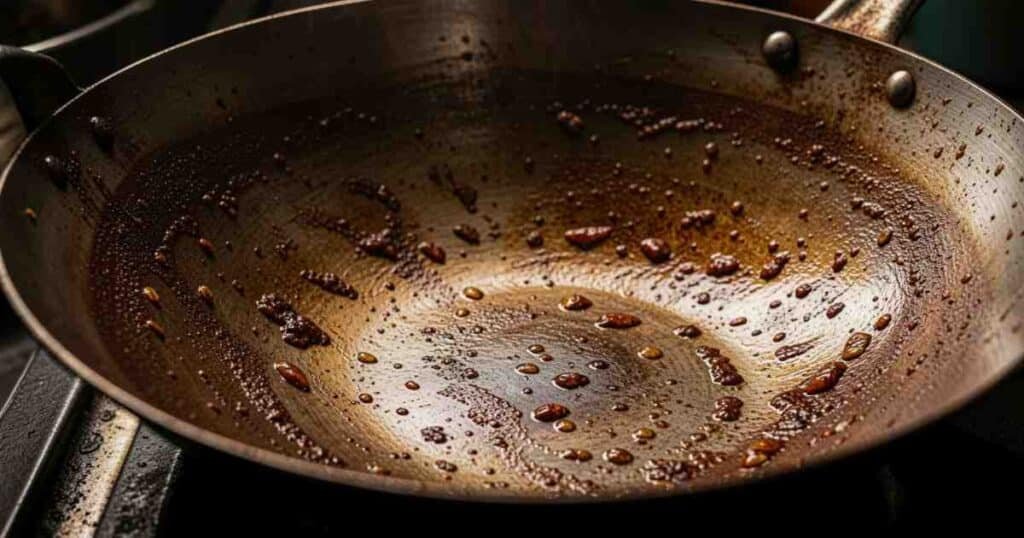
Several factors contribute to this sticky mess. Using too much oil during the seasoning process is a primary culprit. If the oil isn’t heated to its smoke point and allowed to polymerize properly, it can just build up in layers.
This creates a soft, sticky film. Another reason is using oils with a low smoke point. These oils can burn and create a gummy residue rather than a hard, slick layer.
Inconsistent heating is also a factor. If you only heat parts of the wok, the oil polymerizes unevenly, leading to sticky patches.
Food particles trapped in the sticky seasoning can also contribute to the problem. When you cook, bits of food can adhere to this gummy layer. These bits then burn during subsequent cooking, making the stickiness worse.
It’s a cycle that requires intervention to break. Understanding these causes is the first step in knowing how to recover an over-seasoned wok that’s gone sticky.
Identifying the Sticky Seasoning Problem
Before you can fix it, you need to be sure your wok has a sticky seasoning issue. A properly seasoned wok should look dark, almost black, and have a slight sheen. It should feel smooth to the touch, not tacky or gummy.
When you cook in it, food should glide around. If your wok has a dull, uneven appearance, or if food consistently sticks and leaves residue, it’s likely suffering from a sticky seasoning problem.
You might notice that cleaning has become difficult. Even after scrubbing, a sticky film remains. This film can also transfer to your food, giving it an unpleasant texture or even a burnt oil taste.
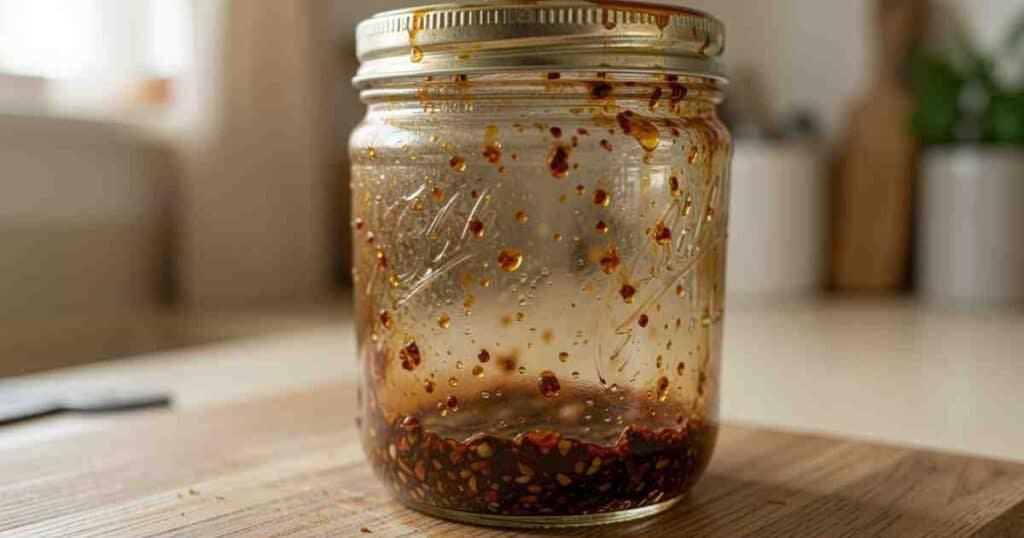
Sometimes, the stickiness is so bad that it looks like patches of tar or dark, uneven paint. This is a clear sign that the seasoning needs attention. Recognizing these signs is crucial to knowing how to recover an over-seasoned wok that’s gone sticky effectively.
It’s important to distinguish sticky seasoning from food residue left after cooking. Food residue usually washes off with soap and water (for modern woks). Sticky seasoning is integrated into the wok’s surface and resists normal cleaning.
If you’ve tried regular cleaning and the tackiness persists, you are indeed facing an over-seasoned wok that’s gone sticky.
Restoring Your Wok: The Cleaning Process
The good news is that most sticky seasoning issues are fixable. The process involves stripping away the problematic layer and starting the seasoning process anew. This might sound drastic, but it’s a necessary step to regain a functional wok.
You’ll need a few supplies for this task.
Gather these items: steel wool or a stiff scrubbing brush, dish soap, hot water, and oven mitts. For tougher jobs, you might also need a metal scraper or a fine-grit sandpaper. Remember, if you have a carbon steel or cast iron wok, you can be a bit more aggressive with cleaning.
If you have a stainless steel wok with a seasoned surface, be gentler to avoid scratching.
First, empty the wok of any food debris. You want a clean slate to work with. Next, apply a generous amount of dish soap to the inside of the wok.
Use hot water and your steel wool or scrubbing brush to vigorously scrub away the sticky residue. Focus on all areas, especially where the stickiness is most apparent. You’ll likely see a dark, gummy substance coming off.
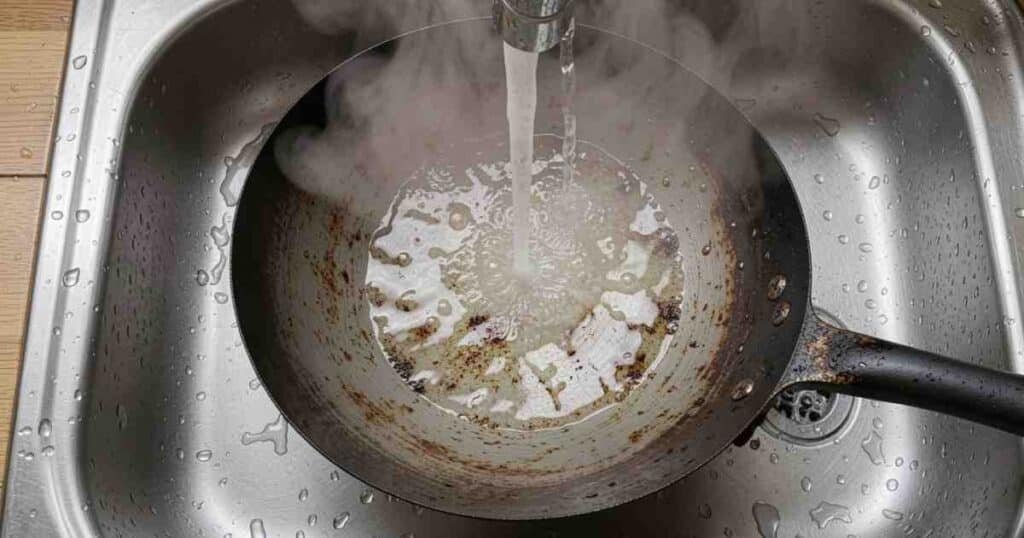
Keep scrubbing until you’ve removed as much of this layer as possible.
Rinse the wok thoroughly with hot water. Inspect the surface. If there are still sticky patches, repeat the scrubbing process.
For very stubborn spots, you can use a metal scraper to gently lift the excess seasoning. Be careful not to gouge the metal. If the stickiness is deeply ingrained, some people even resort to using fine-grit sandpaper to smooth out the surface.
However, try the scrubbing and scraping methods first.
Once you’ve scrubbed the wok clean, rinse it again. The goal is to have a surface that feels relatively smooth, even if it’s not perfectly shiny yet. This is the crucial step in knowing how to recover an over-seasoned wok that’s gone sticky.
You’ve effectively removed the problematic layer and prepared it for re-seasoning.
The Re-Seasoning Method: Building a New Layer
After cleaning, your wok is likely bare metal and prone to rust. This is why immediate re-seasoning is essential. The goal here is to build a thin, even, and properly polymerized layer of seasoning.
This process takes time and patience, but it’s rewarding. You’ll need a high smoke point oil like grapeseed oil, flaxseed oil, or vegetable oil. You’ll also need paper towels or lint-free cloths and oven mitts.
First, dry the wok completely. You can do this by placing it on a stovetop over low heat for a few minutes. This ensures no water is left, which can cause rust.
Next, apply a very thin layer of oil to the entire inside surface of the wok. Use a paper towel to spread it evenly. You want just enough to make the surface glisten, not pool.
Wipe off any excess oil. Too much oil will lead to another sticky mess.
Place the oiled wok upside down in a preheated oven. The oven temperature should be set to a high heat, typically between 450-500°F (230-260°C). This is hotter than the smoke point of most cooking oils, which is necessary for polymerization.
Place a baking sheet or aluminum foil on the rack below to catch any drips.
Bake the wok for at least one hour. During this time, the oil will smoke and polymerize, forming the new seasoning layer. After an hour, turn off the oven and let the wok cool down completely inside.
This slow cooling helps the seasoning adhere better.
Repeat this entire process multiple times. For a well-seasoned wok, you might need to repeat the oiling, baking, and cooling cycle 3-5 times. The more layers you build, the more durable and non-stick your wok will become.
This is how you truly recover an over-seasoned wok that’s gone sticky by replacing the bad layer with a good one.
Quick Stovetop Re-Seasoning
If oven space is an issue or you prefer a quicker method, you can re-season your wok directly on the stovetop. This method is also effective for maintaining your wok between deep cleaning sessions.
First, ensure your wok is clean and completely dry. Next, place it on the stove over medium-high heat. Once it’s hot, add a tablespoon of your chosen high smoke point oil.
Use a paper towel to spread the oil thinly over the entire interior surface. You should see the oil start to smoke almost immediately.
Continue heating the wok, tilting and turning it to ensure the oil coats all surfaces. The oil will smoke heavily. Keep going for about 5-10 minutes, or until the smoking subsides.
This indicates the oil has polymerized. Let the wok cool slightly, then wipe out any excess oil with a clean paper towel.
Repeat this stovetop process several times. While it might not build as thick a layer as the oven method, it’s excellent for touch-ups and for those who want to know how to recover an over-seasoned wok that’s gone sticky without using the oven. This method helps reinforce the seasoning and prevent future stickiness.
Maintaining Your Wok for Longevity
Preventing your wok from becoming sticky again is key. Proper maintenance after every use will ensure its longevity and performance. The goal is to keep the seasoning intact and avoid building up gummy residues.
First, after cooking, allow the wok to cool slightly. Next, clean it while it’s still warm. Use hot water and a soft sponge or a wok brush.
Avoid using harsh detergents or abrasive scrubbers regularly, as these can strip away the seasoning. For most messes, hot water and a gentle scrub are sufficient.
If you encounter stubborn food bits, use a wok brush or a bamboo scraper. Never use steel wool or metal scouring pads on a well-seasoned wok unless you intend to re-season it. After cleaning, dry the wok immediately and thoroughly.
You can place it back on the stove over low heat for a minute or two to ensure it’s bone dry.
Then, apply a very thin layer of cooking oil to the interior surface. Wipe away any excess. This light oiling protects the wok from rust and helps maintain the seasoning.
Store your wok in a dry place, preferably with a lid or a paper towel to absorb any moisture.
Avoid cooking highly acidic foods like tomatoes or vinegar-based sauces in your wok for extended periods, especially during the initial stages of seasoning. Acids can break down the polymerized oil layer. Also, avoid storing food in your wok.
These simple steps will help you maintain a healthy seasoning and prevent the sticky build-up that signifies an over-seasoned wok that’s gone sticky.
Comparison: Sticky vs. Properly Seasoned Wok
Understanding the difference between a problematic sticky wok and a well-seasoned one is crucial for effective maintenance. Here’s a quick comparison:
| Appearance | Uneven, patchy, dull, sometimes gummy or tar-like. | Dark, uniform, glossy, smooth surface. |
| Food Release | Food sticks readily, leaves residue. | Food glides easily, minimal sticking. |
| Cleaning | Difficult, sticky residue remains after washing. | Easy, rinses clean with hot water and light scrubbing. |
| Cooking Performance | Inconsistent heat distribution, hot spots, burnt bits. | Even heat distribution, efficient cooking. |
| Texture | Tacky, gummy, or rough to the touch. | Smooth, slick, and non-porous. |
| Maintenance | Requires stripping and re-seasoning. | Requires regular cleaning, drying, and light oiling. |
This table highlights why addressing a sticky wok is important. The goal is to achieve the characteristics of a properly seasoned wok.
Knowing how to recover an over-seasoned wok that’s gone sticky means you can transition from the left column to the right column.
This makes cooking a joy again.
Frequently Asked Questions Of How To Recover An Over-Seasoned Wok That’S Gone Sticky
Question: Can I use soap to clean my wok when it’s sticky?
Answer: Yes, when dealing with sticky, over-seasoned wok issues, using dish soap with a scrub brush is necessary to strip away the problematic layer. For regular cleaning of a well-seasoned wok, it’s best to avoid soap.
Question: How often should I re-season my wok after it’s been sticky?
Answer: After stripping the sticky seasoning, you should re-season it thoroughly, often 3-5 times. For maintenance, regular light oiling after each use is recommended to prevent future stickiness.
Question: What kind of oil is best for re-seasoning a sticky wok?
Answer: Use oils with a high smoke point, such as grapeseed oil, flaxseed oil, canola oil, or vegetable oil. These oils polymerize effectively at high temperatures.
Question: My wok is still a bit sticky after cleaning. What should I do?
Answer: You may need to scrub more vigorously or for a longer period. For very stubborn spots, consider using a metal scraper gently. Ensure you remove all the gummy residue before proceeding to re-seasoning.
Question: Will stripping the seasoning damage my wok?
Answer: For carbon steel or cast iron woks, stripping the seasoning is a normal part of maintenance and does not damage the metal itself. It’s essential for recovering an over-seasoned wok that’s gone sticky.
Question: How can I prevent my wok from getting sticky again?
Answer: Proper cleaning after each use, thorough drying, and applying a thin layer of oil are key. Avoid overcrowding the wok and cooking overly acidic foods for long periods.
Final Thoughts
Restoring a sticky, over-seasoned wok is a manageable process. By understanding the causes, you can effectively strip away the problematic layer and rebuild a durable, non-stick surface through careful re-seasoning.
Consistent maintenance will keep your wok performing beautifully for years to come, ensuring your culinary creations are always a success.

Leave a Reply