
Deglaze without losing 40% of your fond by lowering heat briefly, adding a small splash of liquid, and scraping gently before the browned bits burn or turn bitter.
Use stock, wine, water, or vinegar in stages rather than flooding the pan. Reduce only after the fond dissolves, so flavour stays concentrated and balanced.
You’ve just finished searing a beautiful steak or chicken, and the pan is coated in those delicious browned bits. You know these bits, called fond, are pure gold for building flavor in your sauces. But then, you add liquid, and it seems like half of that precious fond just floats away, unattached to the pan.
It’s frustrating, especially when you’re trying to master how to deglaze without losing 40% of your fond. This post will show you simple, effective techniques to capture almost all of that concentrated flavor, turning good meals into great ones and keeping you cooking with confidence.
Key Takeaways
- Learn the science behind why fond sticks to the pan and how to encourage it.
- Discover the best types of liquids to use for effective deglazing.
- Master the technique of controlled heat and liquid addition to maximize fond retention.
- Understand how pan material and condition impact your ability to deglaze.
- Get tips for rescuing a pan where some fond has already detached.
![How To Deglaze Without Losing 40% Of Your Fond[1]](https://kitchentipsdaily.com/wp-content/uploads/2026/06/How_To_Deglaze_Without_Losing_40_Of_Your_Fond1.jpg)
Why Fond is Culinary Gold
Fond is the collection of browned bits stuck to the bottom of a pan after searing meat or vegetables. These bits are not burnt, but rather caramelized proteins and sugars. They are intensely flavorful.
This concentrated flavor is the foundation for many delicious sauces, gravies, and pan juices. When you lose a significant portion of this fond, you’re essentially throwing away a key ingredient for depth and richness in your cooking.
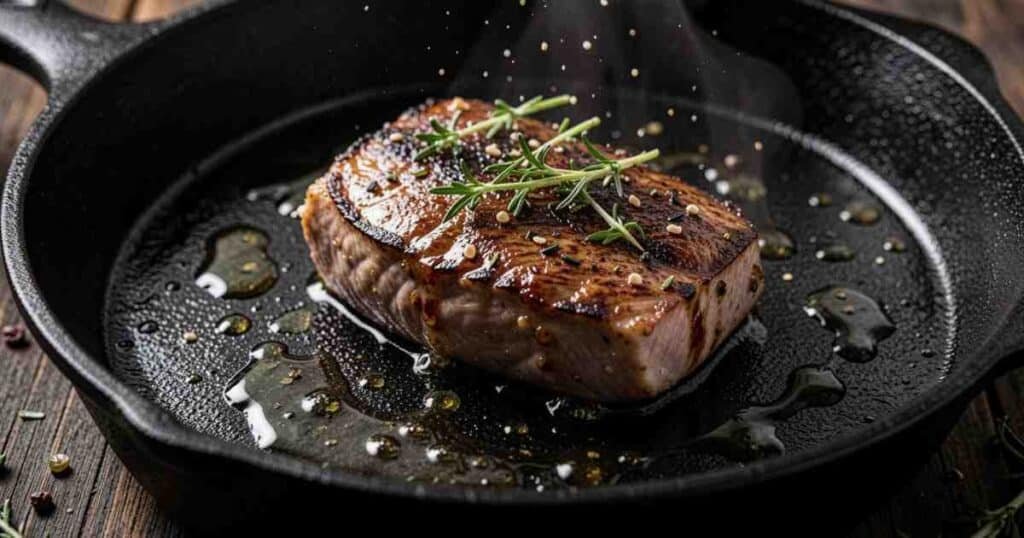
Understanding fond is the first step in learning how to deglaze without losing 40% of your fond. It’s the essence of the dish you just cooked. Think of it as concentrated essence of flavor.
This is what makes a simple pan sauce taste restaurant-quality. Without it, your sauces might taste thin or one-dimensional. It’s the difference between a good meal and a memorable one.
The Science of Sticking: What Makes Fond Adhere?
Fond sticks to the pan because of a chemical reaction called the Maillard reaction. This reaction occurs when proteins and sugars in food are heated. It creates hundreds of new flavor compounds.
These compounds then adhere to the hot surface of the pan. The higher the heat and the longer the cooking time (within reason), the more fond you will develop.
The pan material plays a significant role in how well fond adheres. Stainless steel and cast iron are excellent for developing fond. Their surfaces are porous enough to allow the fond to grip.
Non-stick pans, by design, are made to prevent sticking. Therefore, they are generally not suitable for developing fond. Understanding these properties helps you choose the right equipment for how to deglaze without losing 40% of your fond.
Choosing the Right Liquid for Deglazing
The liquid you choose is critical for effective deglazing. It needs to be acidic or have some solvent properties to lift the fond. It also needs to complement the flavors of your dish.
Water alone can work, but it’s often less effective than other options. It doesn’t have the necessary acidity to break down the fond efficiently.
Here are some excellent choices for deglazing liquids:
- Wine: Red wine is fantastic for red meats, while white wine works well with poultry and fish. Wine’s acidity helps lift fond, and its flavor adds complexity.
- Broth/Stock: Chicken, beef, or vegetable broth provide a savory base. They are less acidic than wine but still effective at dissolving fond.
- Vinegar: Various vinegars like red wine vinegar, balsamic, or apple cider vinegar can be used. They are highly acidic and excellent for lifting fond, but use them judiciously as they can be overpowering.
- Water: While not the most flavorful, hot water can still be used. It’s a good option if you want a neutral base for your sauce or are concerned about alcohol content.
- Spirits: A splash of brandy, whiskey, or cognac can add a wonderful depth of flavor, especially with red meats. Ensure you cook off the alcohol properly.
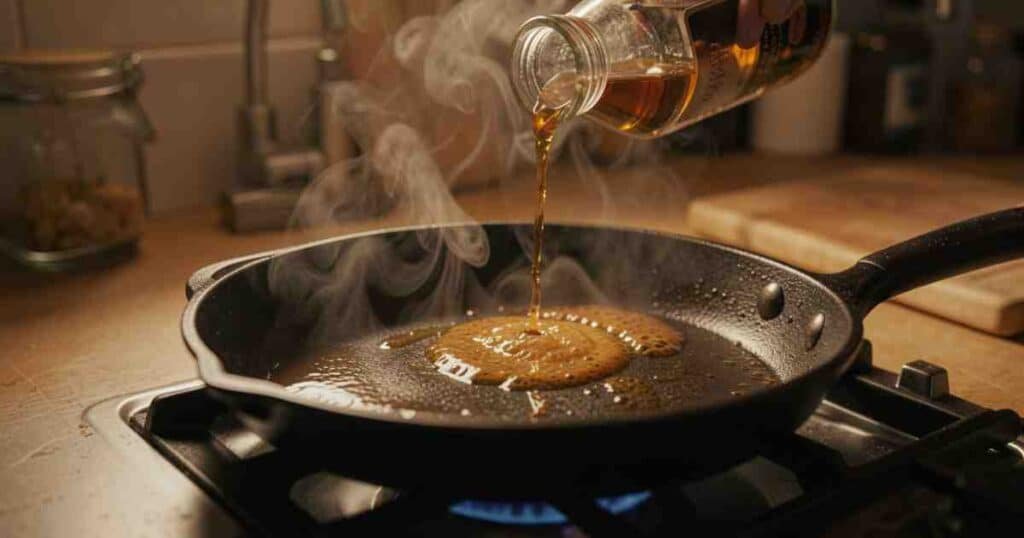
The key is to use a liquid that complements the main ingredient. For example, deglazing a pork chop with apple cider is a classic pairing. For beef, a robust red wine or beef broth is ideal.
This choice directly impacts how to deglaze without losing 40% of your fond and the final flavor profile of your sauce.
Mastering the Deglazing Technique
The technique you employ is paramount to success. It's not just about pouring liquid into the pan. It requires a bit of timing and control.
The goal is to dissolve the fond without scorching the new liquid or creating a muddy, unappealing mess.
Follow these steps to learn how to deglaze without losing 40% of your fond:
- Remove Excess Fat: After searing, pour off most of the excess fat. Leave just a tablespoon or two in the pan. Too much fat can prevent the liquid from reaching the fond.
- Reduce Heat: Lower the heat to medium or medium-low. High heat can cause the deglazing liquid to evaporate too quickly or scorch.
- Add Liquid Gradually: Pour in your chosen deglazing liquid, starting with a small amount. It should sizzle and steam immediately.
- Scrape Gently: Use a wooden spoon or a flat-edged spatula to gently scrape the bottom of the pan. Work from the edges towards the center. The heat and the liquid will help loosen the browned bits.
- Simmer and Reduce: Allow the liquid to simmer and bubble. As it simmers, continue to scrape. The liquid will start to absorb the flavors of the fond. The sauce will begin to thicken.
- Add More Liquid if Needed: If the pan still has a lot of stuck-on bits and the liquid has evaporated, add a little more liquid, a tablespoon at a time. Repeat the scraping process.
- Continue Cooking: Once most of the fond is loosened, you can add the rest of your sauce ingredients. Let it simmer to meld the flavors and achieve the desired consistency.
This controlled process ensures that you are dissolving the fond, not just stirring it around. It’s a delicate balance that leads to the best results when mastering how to deglaze without losing 40% of your fond.
Pan Material Matters: Stainless Steel vs. Cast Iron vs. Non-Stick
The type of pan you use significantly influences your success with deglazing. Each material has its pros and cons when it comes to fond development and retention.
| Stainless Steel | Excellent | Good | Very Good | Versatile, great for sauces. |
| Cast Iron | Excellent | Good | Excellent | Deep flavors, searing, long simmering. |
| Non-Stick | Poor | Poor | Poor | Eggs, delicate fish, minimal sticking. |
| Carbon Steel | Very Good | Good | Very Good | High-heat searing, wok cooking. |
For learning how to deglaze without losing 40% of your fond, stainless steel and cast iron are your best friends. Stainless steel pans are reactive, meaning they readily develop fond. Cast iron, with its slightly rougher surface, also excels at holding onto those flavorful bits.
Non-stick pans are designed to prevent sticking, making them unsuitable for this purpose.
If you’re using a well-seasoned cast iron pan, you might find the fond adheres so strongly that it requires a bit more effort to lift. However, this also means less fond is likely to detach prematurely. Stainless steel offers a good balance of fond development and ease of scraping.
Understanding your pan’s capabilities is key to successful deglazing.
Common Pitfalls and How to Avoid Them
Even with the best intentions, deglazing can sometimes go wrong. Recognizing common mistakes can help you prevent them and improve your technique.
- Using a Pan That’s Too Hot: If the pan is scorching hot when you add liquid, the liquid will evaporate instantly, and the fond might burn rather than dissolve. Solution: Lower the heat before adding liquid.
- Adding Too Much Liquid at Once: This can cool the pan too much and dilute the fond, making it harder to concentrate the flavor. Solution: Add liquid in small increments, scraping as you go.
- Scraping Too Vigorously: Aggressive scraping can dislodge fond that isn’t ready to come loose, leading to a muddy sauce. Solution: Scrape gently and let the liquid and heat do most of the work.
- Not Letting the Liquid Reduce: If you don’t simmer the deglazing liquid long enough, your sauce will be watery and the fond flavor will be weak. Solution: Allow the liquid to reduce by at least half, or until it coats the back of a spoon.
- Using a Non-Stick Pan: As mentioned, non-stick pans are not designed for fond development. Solution: Use stainless steel or cast iron for searing when you plan to deglaze.
Avoiding these common mistakes is crucial for learning how to deglaze without losing 40% of your fond. It’s about patience and precision.
When Fond Detaches: Rescue and Recovery
Sometimes, despite your best efforts, some fond might detach and float in the liquid before you’ve had a chance to scrape it. Don’t despair! You can often still salvage the situation.
- Let it Settle: If a significant amount of fond has detached, turn off the heat for a moment. Let the liquid sit. The larger pieces of fond may settle to the bottom.
- Gently Scrape Again: Once settled, try gently scraping again. You might be able to coax more fond off the pan.
- Strain the Sauce: If you’ve added other sauce ingredients, you can strain the finished sauce through a fine-mesh sieve. This will remove any large, unappetizing pieces of fond. You’ll still retain the dissolved flavor.
- Thicken the Sauce: A slightly thinner sauce can be thickened with a slurry of cornstarch or flour. This can help to bind any remaining small fond particles.
- Don’t Overwork It: Sometimes, a little bit of fond floating in the sauce is perfectly fine. If the flavor is good, don’t stress too much about perfection. The goal is deliciousness.
While the ideal is to keep all fond attached to the pan, these recovery methods can help you when learning how to deglaze without losing 40% of your fond.
Deglazing for Different Meats and Vegetables
The principles of deglazing remain the same, but the specific liquid and intensity might vary depending on what you’ve cooked.
Deglazing After Red Meat
After searing beef, lamb, or venison, you’ll have a rich, dark fond. Red wine is a classic choice here. A good quality dry red wine like Cabernet Sauvignon or Merlot works wonders.
Beef broth or stock is another excellent option. For a deeper, more robust flavor, a splash of brandy or whiskey can be added before the wine or broth.
Deglazing After Poultry or Pork
Chicken, turkey, and pork often produce a lighter, golden-brown fond. White wine is a superb deglazing liquid for these meats. Chicken or vegetable broth is also a great choice.
Apple cider or a mild vinegar like apple cider vinegar can complement pork beautifully.
Deglazing After Fish
Fish fond can be more delicate and prone to burning. Use gentle heat and a lighter liquid. Dry white wine, fish stock, or even water can be used.
Avoid strong, acidic liquids like red wine vinegar, which can overpower the fish flavor.
Deglazing After Vegetables
Even when cooking vegetables, you can develop fond. This is especially true for root vegetables like carrots or potatoes, or for mushrooms. Vegetable broth, water, or a splash of white wine can be used to lift these flavors and create a delicious base for a vegetarian sauce or soup.
Tailoring your deglazing liquid to the protein or vegetable you’ve cooked is a key step in mastering how to deglaze without losing 40% of your fond and building layered flavors.
Frequently Asked Questions Of How To Deglaze Without Losing 40% Of Your Fond
Question: What is the best way to scrape the pan when deglazing?
Answer: Use a flat-edged wooden spoon or a heat-resistant spatula. Gently scrape the bottom of the pan from the edges inward. Let the heat and liquid do most of the work to loosen the fond.
Question: Can I use water to deglaze?
Answer: Yes, you can use hot water. While it’s less flavorful than wine or broth, it will still help lift the fond. It’s a good option for a neutral sauce base or if you want to avoid alcohol.
Question: How do I know if I’m losing too much fond when deglazing?
Answer: If you see large, unattached browned bits floating freely in the liquid that aren’t dissolving, you might be losing fond. The goal is to have the fond dissolve into the liquid, not just break apart. Proper heat control and gradual liquid addition help prevent this.
Question: Should I deglaze immediately after cooking?
Answer: Yes, deglazing is best done right after you remove the main ingredient from the pan. The pan is still warm, and the fond is fresh. Waiting too long can make the fond harder to remove.
Question: What if my fond is burnt, not just browned?
Answer: If the bits are black and acrid, they are burnt. Burnt fond will make your sauce taste bitter. In this case, you may need to wipe out the pan and start over, or try to scrape out the burnt bits before adding liquid, though some bitterness may remain.
Question: How can I ensure I’m learning how to deglaze without losing 40% of your fond effectively?
Answer: Practice makes perfect. Pay attention to your heat levels, add liquid slowly, and scrape gently. Using the right pan material is also a significant factor in retaining fond.
Final Thoughts
Mastering how to deglaze without losing 40% of your fond is a simple skill that dramatically improves your cooking. By controlling heat, adding liquid gradually, and using the right pan, you can capture nearly all that flavorful essence. This technique transforms pan drippings into rich, delicious sauces that elevate any dish.

Leave a Reply