
Reading your burner flame for cooker calibration helps you spot heat and gas flow issues. A steady blue flame usually means proper combustion, while yellow, orange, weak, uneven, or lifting flames may indicate dirt, poor air mixture, or gas pressure problems. Clean burner ports first, then call a qualified technician if the flame stays abnormal.
Has your cooking time been unpredictable lately? Maybe your food is burning on one side but undercooked on the other. These subtle signs often point to a cooker that needs a little calibration.
Understanding How To Read Your Burner Flame for Cooker Calibration is a simple yet powerful skill that can transform your kitchen experience.
By learning to interpret the flame, you’ll gain precise control over your cooking temperatures, leading to consistently delicious results and saving you time and frustration. This guide will equip you with the knowledge to make those adjustments.
Key Takeaways
- You will learn to identify the ideal flame color for optimal cooking performance.
- Discover how different flame colors indicate specific issues with your gas cooker.
- Understand the steps to calibrate your burner based on flame observation.
- Learn how proper flame calibration impacts cooking efficiency and food quality.
- Gain confidence in performing basic gas cooker maintenance through flame analysis.
![How To Read Your Burner Flame For Cooker Calibration[1]](https://kitchentipsdaily.com/wp-content/uploads/2026/06/How_To_Read_Your_Burner_Flame_For_Cooker_Calibration1.jpg)
Why Flame Color Matters for Cooker Calibration
The color of a gas burner flame is more than just a visual cue; it’s a direct indicator of combustion efficiency. When a gas burner burns correctly, it produces a specific color flame that signals optimal performance. This ideal flame is typically a clean, crisp blue.
It means the gas is mixing with air properly and burning completely, producing heat without excessive byproducts. Understanding How To Read Your Burner Flame for Cooker Calibration starts with recognizing this perfect blue flame.
Deviations from this blue flame can signal various problems. Yellow or orange flames, for example, often suggest incomplete combustion. This means not all the fuel is being burned efficiently, which can lead to wasted energy and the production of soot.
In more serious cases, incomplete combustion can produce carbon monoxide, a dangerous gas. Therefore, learning How To Read Your Burner Flame for Cooker Calibration is crucial not only for cooking but also for safety.
Interpreting Different Burner Flame Colors
The appearance of your gas burner’s flame provides a wealth of information about its operation. Observing these colors allows you to diagnose potential issues before they become major problems. Mastering How To Read Your Burner Flame for Cooker Calibration involves knowing what each color signifies.
The Ideal Blue Flame
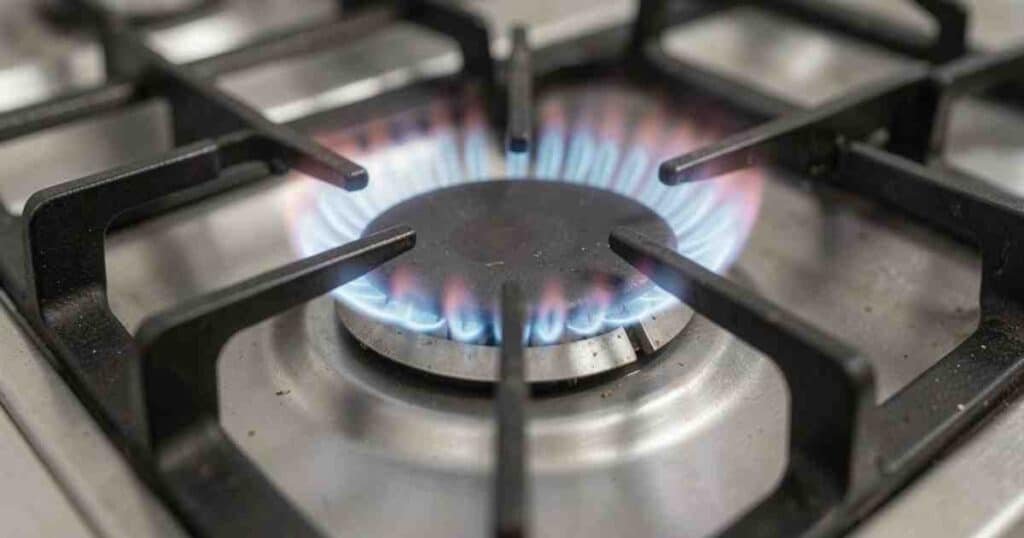
A healthy, properly functioning gas burner will display a bright blue flame. This flame should have a distinct inner blue cone, often appearing almost white at the tip, surrounded by a lighter blue outer cone. This indicates that the gas is mixing with the right amount of air for complete combustion.
The heat produced is clean and efficient, ideal for all cooking tasks. This is the target flame color when you are focusing on How To Read Your Burner Flame for Cooker Calibration.
The Problematic Yellow or Orange Flame
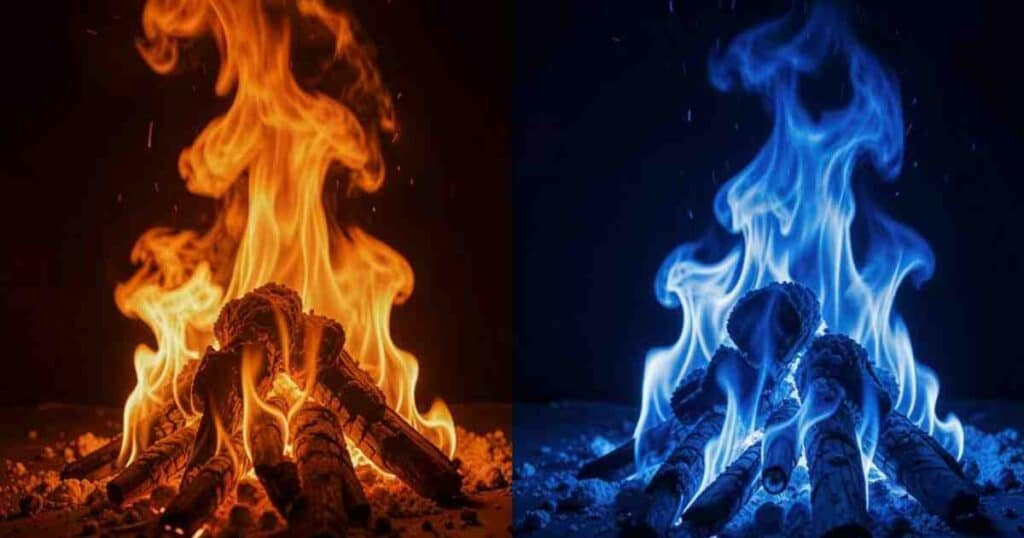
If your burner flame is predominantly yellow or orange, it’s a clear sign of incomplete combustion. This often happens when there isn’t enough air mixing with the gas. The flame will appear softer, more wavering, and will produce visible soot.
You might notice black residue on your cookware or around the burner ports. This is a critical indicator that your cooker needs attention and that understanding How To Read Your Burner Flame for Cooker Calibration is essential for correction.
The Flickering or Uneven Flame
A flame that flickers erratically or is unevenly distributed around the burner can also indicate issues. This might be due to blocked burner ports or an inconsistent gas supply. Such a flame is inefficient and can lead to uneven cooking.
It suggests that the burner assembly might be dirty or slightly misaligned, requiring careful observation as part of How To Read Your Burner Flame for Cooker Calibration.
The Reddish or Purple Tint
While less common, a flame with a reddish or purple tint can sometimes be seen. This can be caused by impurities in the gas supply or issues with the burner material itself. It’s a less common problem but still signals that something is not quite right with the combustion process.
Common Causes for Flame Color Changes
Several factors can cause your burner flame to change color from the ideal blue. Identifying these causes is a vital step in How To Read Your Burner Flame for Cooker Calibration and making necessary adjustments.
Air-Fuel Mixture Imbalance
The most frequent culprit behind a yellow or orange flame is an incorrect air-fuel mixture. Gas cookers have an air shutter or vent that controls the amount of air entering the burner assembly. If this vent is too closed, there isn't enough oxygen for complete combustion.
This is a primary area to check when you are learning How To Read Your Burner Flame for Cooker Calibration.
Blocked Burner Ports
Over time, food debris, grease, or mineral deposits can clog the small holes (ports) around the burner head. When these ports become blocked, the gas cannot escape evenly, leading to an uneven flame or a flame that struggles to maintain its blue color. Cleaning these ports is often a simple fix that directly impacts How To Read Your Burner Flame for Cooker Calibration.
Gas Pressure Issues
While less common for DIY fixes, inconsistent gas pressure can also affect flame color. If the gas pressure is too low, the flame might be weak and yellow. If it’s too high, the flame could be too large and unstable.
These issues typically require a professional to address.
Contamination of Gas Supply
In rare cases, impurities in the natural gas or propane supply can affect the flame color. This is usually an issue with the utility provider rather than your cooker itself.
Steps for Cooker Calibration Using Flame Observation
Once you understand what the flame colors mean, you can take steps to calibrate your gas cooker. This process involves adjusting the air supply to achieve the optimal blue flame. Remember, safety first.
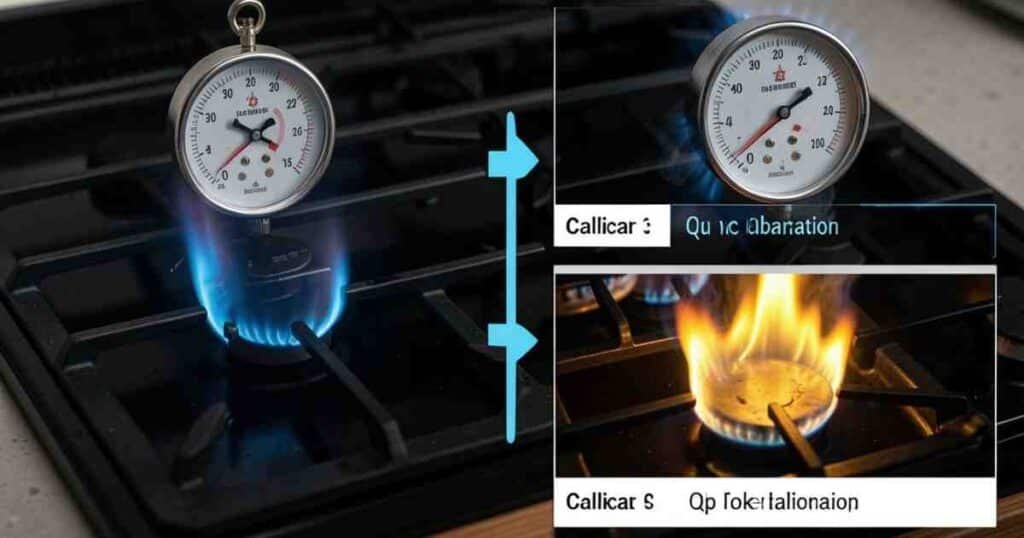
Always ensure the cooker is off and cool before making any adjustments. This guide to How To Read Your Burner Flame for Cooker Calibration provides a practical approach.
- Turn Off the Gas Supply: Before you begin, locate the gas shut-off valve for your cooker and turn it off. This is a critical safety step.
- Remove the Burner Grate and Cap: Carefully lift off the burner grate and then the burner cap. This exposes the burner head.
- Inspect and Clean the Burner Head: Check the burner head for any visible debris, grease, or blockages in the ports. Use a soft brush or a pin to gently clear any clogged ports. Be careful not to enlarge the holes.
- Locate the Air Shutter/Vent: On most gas cookers, there’s an adjustable ring or screw near the base of the burner assembly that controls the air intake. This is the air shutter. You may need to remove a panel to access it, depending on your cooker model.
- Turn On the Gas Supply (Briefly): Turn the gas shut-off valve back on. Turn on the burner you are calibrating to its highest setting.
- Observe the Flame: Light the burner. Observe the flame color and shape. If it’s yellow or orange, you need to increase the air supply.
- Adjust the Air Shutter:
- If the flame is yellow/orange: Slowly rotate the air shutter to open it slightly. This allows more air to mix with the gas. Observe the flame as you make small adjustments. You are aiming for a bright blue flame with a distinct inner cone.
- If the flame is too blue and lifts off the burner (stretching or “lifting”): This means there’s too much air. Slightly close the air shutter to reduce the air intake. This is less common but indicates an imbalance.
- Test All Burners: Repeat this process for each burner on your cooker. Different burners might require slightly different adjustments.
- Secure Everything: Once you have achieved the ideal flame on all burners, turn off the gas supply again. Replace the burner caps and grates securely.
- Final Check: Turn the gas supply back on and test each burner again to ensure the flames are stable and blue.
When to Call a Professional
While understanding How To Read Your Burner Flame for Cooker Calibration empowers you to make minor adjustments, there are situations where professional help is necessary.
If you’ve tried adjusting the air shutters and still cannot achieve a proper blue flame, or if you notice any gas leaks, it’s time to call a qualified gas appliance technician.
Signs that indicate a need for professional service include:
- Persistent Yellow Flames: If even after adjustment, the flame remains yellow or orange.
- Gas Odor: If you detect a strong smell of gas, turn off the gas supply immediately and evacuate the area. Call your gas company or emergency services.
- Burner Not Lighting: If a burner fails to light at all, or if the flame is very weak and sputtering.
- Unusual Noises: Hissing or whistling sounds from the burner that are not related to the gas flow.
- Damage to Burner Components: If you see any cracks or significant damage to the burner assembly.
These situations are beyond simple calibration and require expert diagnosis and repair to ensure safety and proper functionality. Relying on your knowledge of How To Read Your Burner Flame for Cooker Calibration should be for minor tuning, not major repairs.
Impact of Proper Calibration on Cooking
Getting your burner flames right has a significant impact on your cooking experience. When your cooker is calibrated correctly, heat is distributed evenly and efficiently. This means your food cooks as intended, without hot spots or cold areas.
A well-calibrated burner provides consistent temperature control. This is essential for delicate tasks like simmering sauces or achieving a perfect sear on meat. Learning How To Read Your Burner Flame for Cooker Calibration helps you achieve predictable cooking outcomes.
Furthermore, efficient combustion means less wasted energy. Your gas bills might even see a slight reduction. So, taking the time to calibrate your cooker is an investment in both your culinary success and your home’s efficiency.
Comparison: Calibrated vs. Uncalibrated Burner Flames
To truly appreciate the benefits of proper calibration, let’s look at a direct comparison between a calibrated and an uncalibrated burner.
| Combustion Efficiency | Complete and efficient burning of gas. | Incomplete combustion, wasting fuel. |
| Heat Output | Consistent, predictable, and clean heat. | Uneven, fluctuating heat, potential for hot spots. |
| Soot Production | Minimal to no soot. | Significant soot production, can coat cookware and kitchen surfaces. |
| Cooking Results | Even cooking, precise temperature control, better food quality. | Uneven cooking, difficulty maintaining temperatures, food may burn or be undercooked. |
| Safety | Safe operation, no harmful byproducts like excessive carbon monoxide. | Potential for carbon monoxide production, risk of fire hazards due to soot buildup. |
| Energy Use | Optimized gas consumption. | Higher gas consumption for less effective heating. |
This table clearly illustrates why mastering How To Read Your Burner Flame for Cooker Calibration is so beneficial.
Frequently Asked Questions Of How To Read Your Burner Flame For Cooker Calibration
Question: What is the most common reason for a yellow burner flame?
Answer: The most common reason for a yellow burner flame is an insufficient air-to-gas mixture, meaning the air shutter is not open enough to allow adequate oxygen for complete combustion.
Question: Can I adjust the flame color on any gas cooker?
Answer: Yes, most gas cookers have an adjustable air shutter that allows you to fine-tune the air-fuel mixture. This is a key part of How To Read Your Burner Flame for Cooker Calibration.
Question: How often should I check my burner flames?
Answer: It’s a good practice to check your burner flames periodically, especially if you notice any changes in cooking performance or if you haven’t cleaned your burners in a while. A visual check when you notice issues is a good starting point for How To Read Your Burner Flame for Cooker Calibration.
Question: What if my flame is too blue and seems to “lift off” the burner?
Answer: This indicates too much air is entering the burner. You will need to slightly close the air shutter to reduce the air intake until the flame is stable and blue without lifting.
Question: Is it safe to clean the burner ports myself?
Answer: Yes, cleaning burner ports is generally safe if done carefully. Ensure the gas is turned off and the burner is cool. Use a small pin or wire to gently clear blockages, being careful not to damage the ports.
Question: Do electric cookers have flames to calibrate?
Answer: No, electric cookers do not use gas and therefore do not have flames. The concept of calibrating burner flames applies only to gas stoves and cookers.
Final Thoughts
Mastering How To Read Your Burner Flame for Cooker Calibration is a practical skill that ensures efficient, safe, and enjoyable cooking. By observing the flame color and making simple adjustments, you can achieve consistent results and better control over your kitchen appliance. Take a moment to check your burners; a perfect blue flame awaits!

Leave a Reply