
Cast iron cookware killed and saved American cooking by doing two opposite things: its weight, maintenance, and slower cleanup helped push homes toward lighter nonstick pans, but its durability, heat retention, and searing power preserved older methods like cornbread, frying, and Dutch-oven cooking. Its revival brought back patience, seasoning, repairability, and heirloom kitchen habits.
Many home cooks remember their grandmother’s sturdy cast iron skillet, a kitchen workhorse passed down through generations.
It was the foundation of countless family meals, from crispy fried chicken to hearty cornbread. Yet, for a time, this beloved cookware seemed destined for obsolescence, replaced by sleeker, lighter alternatives.
But the story of How Cast Iron Cookware Killed and Saved American Cooking is one of resilience, proving its enduring value and its comeback in modern kitchens.
Key Takeaways
- Cast iron cookware offers unparalleled heat retention and even cooking, crucial for developing rich flavors.
- Its durability means it can last for generations, becoming a cost-effective and sustainable choice.
- Proper seasoning and care are essential to prevent rust and maintain its non-stick properties.
- Cast iron’s versatility allows it to transition from stovetop to oven, enabling a wide range of cooking techniques.
- The cookware’s ability to impart a unique sear and crust is a significant advantage for many dishes.
- Despite initial challenges, cast iron has re-emerged as a preferred choice for health-conscious and culinary-focused home cooks.
![How Cast Iron Cookware Killed And Saved American Cooking[1]](https://kitchentipsdaily.com/wp-content/uploads/2026/06/How_Cast_Iron_Cookware_Killed_And_Saved_American_Cooking1.jpg)
The Golden Age of Cast Iron
In the early days of American cooking, cast iron was king. Before the advent of modern materials and complex kitchen gadgets, a few well-seasoned cast iron pots and pans were all a cook needed. These heavy vessels were built to last, often lasting a lifetime and then some.
Their ability to hold heat was a major advantage. This meant food cooked evenly and stayed warm on the table.
Think about the simple meals prepared over open fires or on early wood-burning stoves. Cast iron was the perfect partner. It could withstand intense heat and distribute it gently.
This made it ideal for everything from baking bread to slow-simmering stews. The flavor development in food cooked in cast iron is often superior. This is due to the way it sears meats and caramelizes vegetables.
This era truly saw How Cast Iron Cookware Killed and Saved American Cooking by being its primary tool.
The Rise of Lighter Alternatives
As American kitchens evolved, so did cookware technology. The mid-20th century brought an influx of lighter, often non-stick materials. Aluminum, stainless steel, and various synthetic coatings entered the market.
These new options promised faster heating and easier cleaning. Many consumers found them more appealing than the heavy, sometimes finicky, cast iron.
The perceived drawbacks of cast iron became more pronounced. Its weight was a significant factor for many. Cleaning it seemed more complicated compared to simply wiping down a non-stick surface.
The need for seasoning also felt like a chore. This led to a decline in cast iron’s popularity. It began to feel old-fashioned and out of step with modern living.
This period marked a time when cast iron seemed to be losing ground in the American kitchen.

Cast Iron’s Enduring Appeal: Heat Retention and Durability
Despite the shift, cast iron never truly disappeared. Its core strengths remained undeniable. One of its most significant advantages is its exceptional heat retention.
Once hot, cast iron stays hot. This is crucial for achieving a perfect sear on steaks or getting that coveted crust on cornbread. Unlike thinner metals that can lose heat quickly when cold food is added, cast iron maintains a consistent temperature.
This consistent heat distribution also means fewer hot spots. Food cooks more evenly, reducing the chances of burning in one area while another remains undercooked. This predictability is invaluable for home cooks.
Furthermore, the durability of cast iron is unmatched. A well-maintained cast iron pan can be used for generations. It doesn't warp, dent, or degrade like many other materials.
This makes it an incredibly sustainable and economical choice over time. It’s a testament to How Cast Iron Cookware Killed and Saved American Cooking by offering a reliable foundation.
The Magic of Seasoning
The unique non-stick quality of cast iron comes from its seasoning. This is a layer of polymerized oil baked onto the surface. It’s not a coating that can peel off.
Instead, it becomes part of the metal itself. Each time you cook with oil or fat in a seasoned pan, you’re essentially adding to this layer, making it better over time.
Learning to season cast iron is a key part of its care. First, wash the pan with soap and water. Next, dry it thoroughly.
Then, apply a thin layer of cooking oil all over. Finally, bake it upside down in a hot oven for about an hour. This process creates a natural non-stick surface that improves with use.
This “living” surface is a key reason why How Cast Iron Cookware Killed and Saved American Cooking by offering a superior cooking experience.
The Cast Iron Comeback
In recent years, there’s been a significant resurgence in the popularity of cast iron cookware. Food bloggers, chefs, and home cooks have rediscovered its benefits. The focus on healthy eating has also played a role.
Many people are moving away from synthetic non-stick coatings, which can degrade over time and potentially release harmful chemicals. Cast iron offers a natural, chemical-free cooking surface.
This renewed appreciation highlights How Cast Iron Cookware Killed and Saved American Cooking by offering a healthy and effective alternative. Its ability to create a restaurant-quality sear at home is a major draw. From searing steaks and chicken to baking pizzas and desserts, cast iron excels.
It’s a versatile tool that encourages culinary exploration. Many find that once they master its quirks, they can’t imagine cooking without it.
Versatility: Stovetop to Oven and Beyond
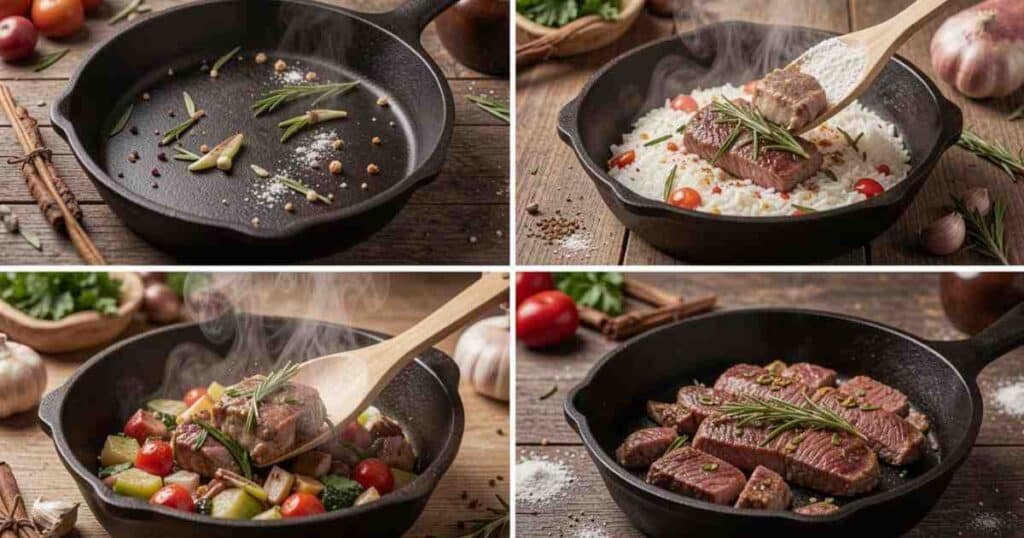
One of cast iron’s most celebrated features is its incredible versatility. A single cast iron skillet can perform a multitude of tasks. You can start a dish on the stovetop, achieving a beautiful sear.
Then, without changing pans, you can move the entire skillet into a hot oven to finish cooking. This seamless transition is perfect for dishes like frittatas, baked pastas, or roasted meats.
This adaptability extends to various cooking methods. Cast iron is excellent for frying, sautéing, baking, braising, and grilling. Some people even use their cast iron skillets on outdoor grills or over campfires.
This makes it an ideal choice for campers and outdoor enthusiasts. The consistent heat it provides is invaluable in any cooking environment. This adaptability is a core reason why How Cast Iron Cookware Killed and Saved American Cooking by being a reliable tool in diverse culinary scenarios.
Comparing Cast Iron to Other Cookware
To truly appreciate cast iron, it’s helpful to compare it to other common cookware materials. Each has its strengths, but cast iron often stands out for specific culinary goals.
| Heat Retention | Excellent | Good | Fair |
| Even Heating | Very Good (once heated) | Good | Good |
| Durability | Exceptional (can last lifetimes) | Very Good | Fair (coating can scratch/wear) |
| Non-Stick Properties | Excellent (when seasoned) | Poor (requires oil) | Excellent (initially) |
| Weight | Heavy | Moderate | Light |
| Maintenance | Requires seasoning and careful cleaning | Easy to clean, dishwasher safe | Easy to clean, but requires gentle handling |
| Oven Safe | Yes (most handles are metal) | Yes | Varies (check manufacturer) |
| Best For | Searing, frying, baking, slow cooking, imparting flavor | All-purpose cooking, sauces, boiling | Delicate foods, low-fat cooking |
The table clearly shows that while other materials have advantages, cast iron offers a unique combination of heat retention, durability, and natural non-stick properties.
This is a significant part of How Cast Iron Cookware Killed and Saved American Cooking, offering a superior cooking experience that many other materials couldn’t match.
Addressing Common Concerns
Despite its resurgence, some people still hesitate to use cast iron. The most common concerns revolve around rust and cleaning. Rust is indeed a possibility if the pan is left wet or not properly dried and oiled after washing.
However, it’s usually easy to fix. You can scrub away rust with steel wool and then re-season the pan.
Cleaning is also simpler than many believe. For most messes, hot water and a stiff brush or scraper are sufficient. Avoid abrasive scrubbers on well-seasoned pans.
While soap was once a no-no, modern dish soaps are much milder. A little mild soap is generally fine for cleaning, as long as you dry and lightly oil the pan afterward. This careful approach ensures the longevity of the cookware, a key aspect of How Cast Iron Cookware Killed and Saved American Cooking.
The Health and Flavor Benefits
Beyond convenience and durability, cast iron offers distinct health and flavor advantages. As mentioned, it’s a natural cooking surface, free from the chemical coatings found on many other pans. Moreover, cast iron cookware can actually leach small amounts of iron into your food.
This can be beneficial for people who are iron deficient. Studies have shown that foods cooked in cast iron, like tomato sauce, can have significantly higher iron content.
The flavor imparted by cast iron is another major benefit. The intense heat and the way it sears food create complex, delicious flavors. The Maillard reaction, responsible for browning and flavor development, happens beautifully in cast iron.
This is especially true for meats, where a deep, savory crust is highly desirable. This ability to enhance flavor is a critical element in understanding How Cast Iron Cookware Killed and Saved American Cooking.
Caring for Your Cast Iron
Proper care is essential to get the best performance from your cast iron. It’s not difficult, but it does require a different approach than other cookware.
- Clean Promptly: Wash your cast iron pan soon after use.
- Gentle Cleaning: Use hot water and a stiff brush or scraper. A little mild soap is okay for tough messes.
- Dry Thoroughly: This is crucial. Towel dry immediately after washing, then place it on a low heat on the stove for a few minutes to ensure all moisture evaporates.
- Light Oiling: Apply a very thin layer of cooking oil (like vegetable, canola, or flaxseed oil) to the entire surface, inside and out. Wipe off any excess.
- Store Properly: Store in a dry place. If stacking, place a paper towel or cloth between pans to prevent scratching and allow air circulation.
Following these steps will maintain the seasoning and prevent rust. This care regimen ensures your cast iron will continue to perform for years, embodying the spirit of How Cast Iron Cookware Killed and Saved American Cooking by being a lasting culinary tool.
Frequently Asked Questions Of How Cast Iron Cookware Killed And Saved American Cooking
What is the best way to season a new cast iron skillet?
To season a new skillet, wash it with soap and water, dry it thoroughly, apply a thin layer of cooking oil all over, and bake it upside down in a hot oven (around 400°F or 200°C) for about an hour. Repeat this process a few times for a good base.
Can I use soap to clean my cast iron?
Yes, modern mild dish soaps are generally safe for seasoned cast iron. The key is to rinse thoroughly, dry completely, and apply a light coat of oil afterward to maintain the seasoning.
My cast iron pan has rust spots. How do I fix it?
Rust can be removed by scrubbing the affected area with steel wool or a stiff brush. After removing the rust, wash, dry, and re-season the pan as you would a new one to prevent it from returning. This restores the pan to its former glory.
Is cast iron cookware truly healthier than non-stick?
Yes, cast iron is often considered healthier because it’s a natural cooking surface without chemical coatings. It can also leach small amounts of iron into food, which can be beneficial for some individuals. This is a key aspect of How Cast Iron Cookware Killed and Saved American Cooking.
How long does cast iron cookware typically last?
With proper care and maintenance, cast iron cookware can last for generations, often 100 years or more. It is an incredibly durable and long-lasting investment for any kitchen.
Can I use my cast iron skillet on an induction cooktop?
Yes, most cast iron cookware is compatible with induction cooktops because it is magnetic. Always check the manufacturer’s recommendations for your specific cookware.
Final Thoughts
Cast iron cookware represents a powerful cycle of culinary history. It once dominated American kitchens, then faded, only to return stronger than ever. Its unparalleled heat properties, durability, and natural non-stick qualities make it a superior choice for many cooking tasks.
Embracing cast iron means investing in a tool that enhances flavor, promotes health, and can be passed down through families for years to come.

Leave a Reply