
The French copper kitchen remains influential because copper heats quickly, evenly, and responds fast to temperature changes, giving chefs precise control for sauces, fish, sugar work, and delicate reductions.
Escoffier’s classical brigade tradition valued consistency, speed, and control, so lined copper pans still suit fine dining when maintained properly, despite cost and care demands.
Imagine a chef, renowned for creating exquisite dishes, carefully selecting their tools. The gleam of polished metal, the comforting weight in the hand – these aren’t just aesthetics. They speak to performance and tradition.
In the world of professional cooking, certain materials have stood the test of time, proving their worth time and again. This is especially true when we look at The French Copper Kitchen: Why Escoffier’s Material Choices Still Dominate Fine Dining.
By understanding these choices, you’ll gain insights into why copper cookware is still a cornerstone in elite kitchens, leading to better cooking results and a deeper appreciation for culinary craft.
Key Takeaways
- Copper was chosen for its exceptional thermal conductivity, allowing chefs to control temperature changes almost instantly—critical for delicate sauces and precise cooking.
- Fine dining relies on responsiveness, not just heat retention, and copper provides faster adjustments than materials like stainless steel or cast iron.
- Traditional French culinary systems standardized copper cookware, especially through Escoffier’s influence, which helped define professional kitchen equipment norms still used today.
- Modern stainless-lined copper blends performance with safety, as pure copper reacts with acidic foods, so most professional pans now combine copper cores with non-reactive linings.
![The French Copper Kitchen Why Escoffier’S Material Choices Still Dominate Fine Dining[1]](https://kitchentipsdaily.com/wp-content/uploads/2026/06/The_French_Copper_Kitchen__Why_EscoffierS_Material_Choices_Still_Dominate_Fine_Dining1.jpg)
Why Copper Reigns Supreme in Professional Kitchens
Copper cookware has a long and storied history in kitchens around the world. Its popularity is not just about looks. It’s deeply connected to how well it performs when cooking.
Many chefs today still prefer copper for its unique properties. This preference is a direct link to the culinary giants of the past.
The Science Behind Copper’s Superior Heat Conductivity
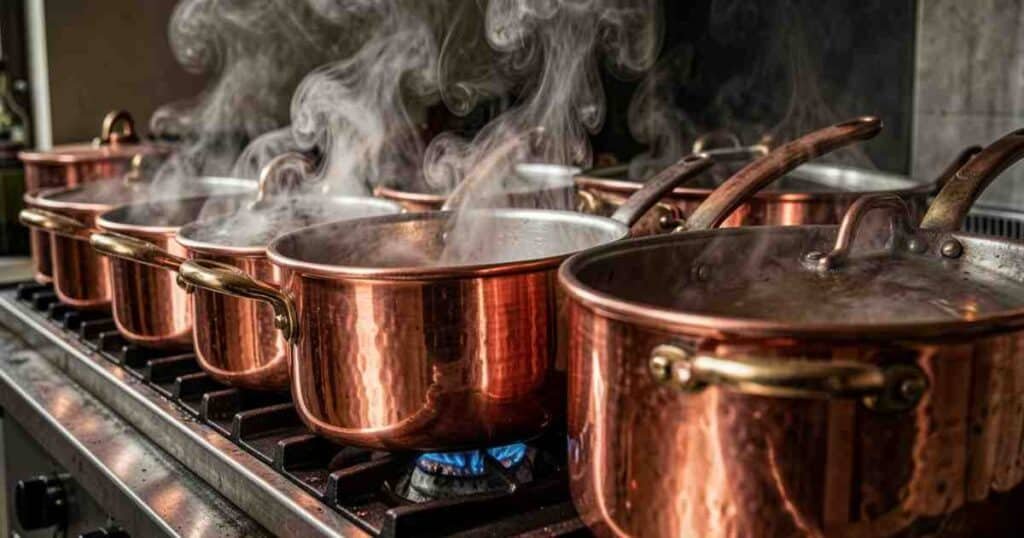
Copper is an exceptional conductor of heat. This means it heats up very quickly and evenly. When you adjust the stove's temperature, the copper pan responds almost instantly.This precise control is vital for delicate cooking tasks.
Other materials, like stainless steel, heat up much slower. They can also create hot spots. These spots can lead to food burning in one area while another remains undercooked.
With copper, this problem is greatly reduced.
The even heat distribution ensures that food cooks uniformly. This consistency is a hallmark of professional cooking. It allows chefs to achieve perfect textures and flavors every time.
This is a key reason why The French Copper Kitchen: Why Escoffier’s Material Choices Still Dominate Fine Dining.
Durability and Longevity of Copper Cookware
High-quality copper cookware is built to last. When properly cared for, copper pots and pans can be used for decades, even generations. This makes them a wise investment for serious cooks.
Unlike some other materials that can warp or degrade over time, copper maintains its structural integrity. Its solid construction ensures it can withstand the rigors of a busy professional kitchen. This long-term value contributes to its enduring appeal.
The Aesthetic Appeal and Prestige
There is an undeniable beauty to copper cookware. Its warm, reddish-gold luster adds a touch of elegance to any kitchen. This visual appeal is not just superficial; it contributes to the overall ambiance of a culinary space.
Many professional kitchens feature copper cookware prominently. It signifies a commitment to quality and tradition. The sight of gleaming copper pots can inspire confidence and a sense of culinary artistry.
Escoffier’s Influence on Modern Culinary Practices
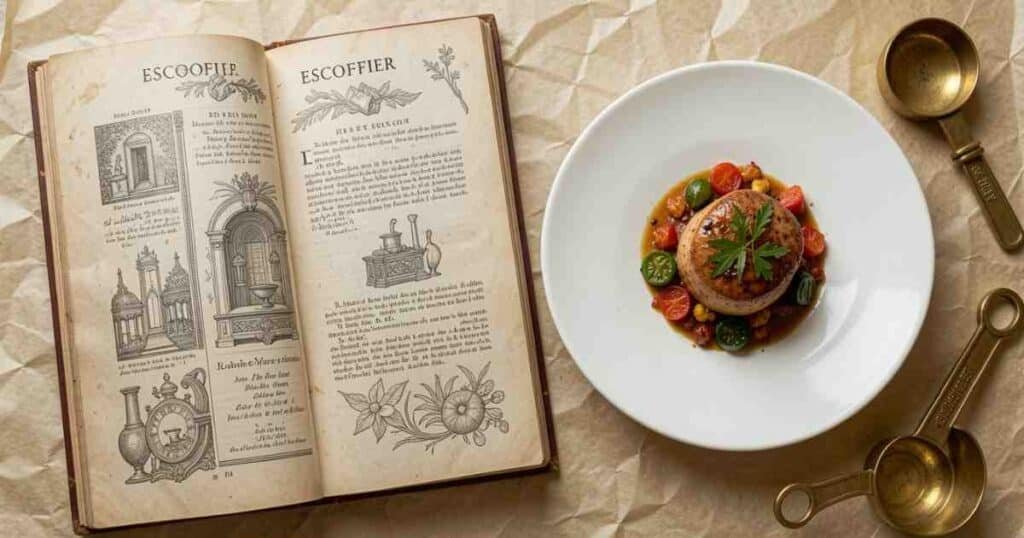
Auguste Escoffier is a legendary figure in culinary history. He is often called the “king of chefs and chef of kings.” Escoffier modernized and codified French cuisine. His work laid the foundation for many professional cooking techniques used today.
Escoffier understood the importance of the right tools. He recognized the superior qualities of copper for cooking. His influence helped solidify copper’s place in the professional kitchen.
Escoffier’s Culinary Philosophy and Tool Selection
Escoffier believed in precision and excellence in every aspect of cooking. This extended to the selection of cookware. He favored materials that offered the best performance and reliability.
His recipes and methods often required precise temperature control. Copper cookware was ideal for achieving this level of control. It allowed chefs to execute complex dishes with greater accuracy.
The Legacy of Copper in Classic French Cuisine
Classic French cuisine is known for its rich flavors and refined techniques. Copper cookware played a crucial role in developing these dishes. The ability of copper to heat evenly and respond quickly to changes was essential.
Many iconic French dishes were perfected using copper pots and pans. This tradition continues to influence chefs worldwide. Understanding The French Copper Kitchen: Why Escoffier’s Material Choices Still Dominate Fine Dining helps us appreciate this connection.
Comparing Copper to Other Cookware Materials
To truly understand why copper stands out, it’s helpful to compare it with other common cookware materials. Each material has its own set of advantages and disadvantages.
Copper vs. Stainless Steel
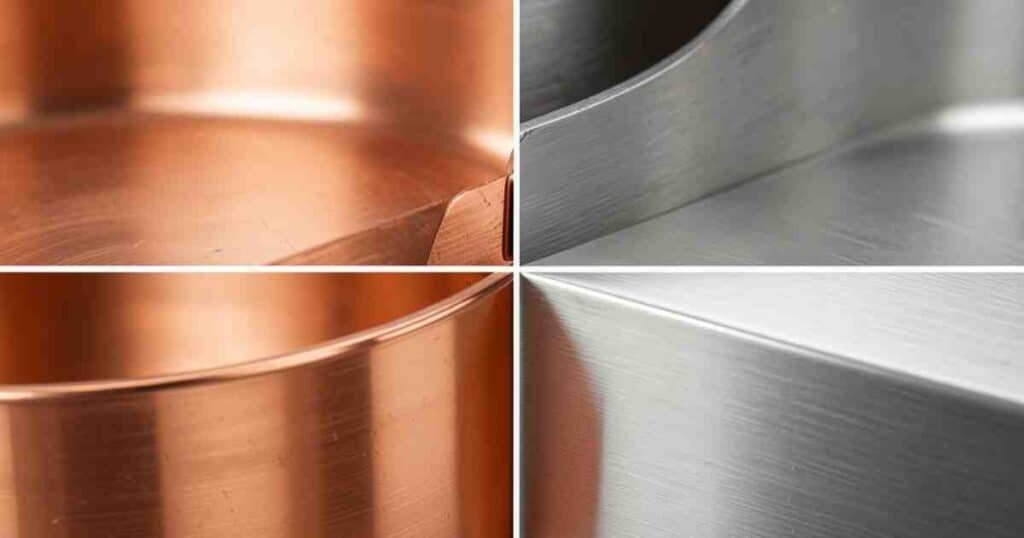
Stainless steel is very durable and non-reactive. It’s a popular choice for many home cooks. However, stainless steel is not as good a heat conductor as copper.
This means stainless steel pans can have hot spots. Food might cook unevenly. Copper heats much more uniformly, leading to better results for many types of cooking.
A key difference lies in responsiveness. Copper reacts to heat changes almost instantly. Stainless steel takes longer to heat up and cool down.
This makes copper superior for delicate sauces or searing.
| Heat Conductivity | Excellent | Moderate |
| Even Heating | Very Good | Fair |
| Responsiveness to Heat Changes | Excellent | Fair |
| Durability | Very Good (with care) | Excellent |
| Reactivity | Requires lining (e.g., tin or stainless steel) | Non-reactive |
| Cost | High | Moderate |
Copper vs. Cast Iron
Cast iron is known for its excellent heat retention. Once hot, it stays hot for a long time. This is great for searing meats or slow cooking.
However, cast iron heats up slowly and unevenly. It can also be reactive with acidic foods. Cast iron requires seasoning and special care to prevent rust.
Copper offers better control and even heating. It’s also lighter and easier to maneuver than cast iron. While cast iron has its place, copper provides a different kind of precision.
The legacy of The French Copper Kitchen: Why Escoffier’s Material Choices Still Dominate Fine Dining highlights this precision.
Copper vs. Non-stick Coatings
Non-stick pans are convenient for everyday cooking. They prevent food from sticking, making cleanup easier. However, non-stick coatings can degrade over time.
They are often not suitable for high-heat cooking or metal utensils. Copper, especially when lined with stainless steel, offers excellent durability and can handle high heat.
While non-stick is good for certain tasks, it doesn’t offer the same level of control or longevity as copper. For professional chefs, reliability and performance are paramount.
Understanding the Construction of Quality Copper Cookware
Not all copper cookware is created equal. The construction method significantly impacts its performance and durability. High-quality copper cookware often has specific features.
The Importance of Pan Lining
Pure copper can react with acidic foods. This reaction can affect the taste of food and degrade the pan. To prevent this, copper cookware is typically lined with another material.
The most common linings are tin and stainless steel. Tin linings are traditional and offer excellent heat distribution. However, tin is softer and can be scratched or melt at very high temperatures.
Stainless steel linings are more durable and resistant to scratching. They are also non-reactive and can withstand higher cooking temperatures. Many modern professional copper pans use stainless steel linings.
This combination offers the best of both worlds: copper’s heat properties and stainless steel’s durability.
Thickness Matters: Gauging Quality
The thickness of the copper is a crucial factor in its performance. Thicker copper provides better heat distribution and responsiveness.
Professional-grade copper pans are typically made with thick copper, often around 2.5mm to 3mm. Thinner copper can still conduct heat well, but it won’t offer the same level of control or durability.
When looking for quality copper cookware, the thickness is a key indicator of its value and performance. This attention to detail is what makes The French Copper Kitchen: Why Escoffier’s Material Choices Still Dominate Fine Dining.
Handles and Construction Details
The handles on copper cookware are also important. They should be comfortable to hold and securely attached. Traditional copper pans often have cast iron handles.
These are heavy and can conduct heat.
Modern designs may use stainless steel or riveted handles. The construction should feel solid and well-balanced. A well-made pan feels good in the hand and performs reliably.
Maintaining Your Copper Cookware for Lifelong Use
Copper cookware requires a bit of care, but it’s a worthwhile investment. Proper maintenance ensures your pans perform beautifully for years.
Cleaning Your Copper Pans
After each use, wash your copper pans with warm, soapy water. Use a soft sponge or cloth. Avoid abrasive scrubbers, which can scratch the surface, especially if it’s lined with tin.
For stubborn food residue, you can soak the pan. For tougher stains, a paste of baking soda and water can be effective.
Polishing Copper for Shine
Copper will naturally develop a patina over time. This is a dulling of the surface. Many people appreciate this aged look.
However, if you prefer a bright, shiny finish, you can polish your copper cookware.
Specialized copper polishes are available. You can also use natural methods like lemon juice and salt, or vinegar and salt. Apply the polish with a soft cloth, rub gently, and then rinse and dry thoroughly.
Regular polishing helps maintain the aesthetic appeal of your copper collection. It keeps them looking as good as they perform.
Storage and Handling
Store your copper cookware carefully to prevent scratches. If stacking pans, use pan protectors or soft cloths between them.
Avoid using metal utensils that can scratch the lining. Wooden, silicone, or plastic utensils are best. This protects the integrity of the pan.
The Enduring Appeal of The French Copper Kitchen
The allure of The French Copper Kitchen: Why Escoffier’s Material Choices Still Dominate Fine Dining is undeniable. It’s a combination of historical significance, superior performance, and timeless beauty.
Chefs continue to choose copper because it offers unparalleled control over cooking. The even heating and instant responsiveness are critical for creating perfect dishes. This is a tradition that began with culinary masters like Escoffier and continues today.
Why High-End Restaurants Still Invest in Copper
Fine dining restaurants operate at the highest level of culinary execution. Precision is not a luxury; it’s a necessity. Copper cookware provides the reliability and performance needed in these demanding environments.
The investment in quality copper cookware pays off in consistent results. It allows chefs to focus on creativity and flavor, knowing their tools will perform flawlessly. This is a testament to the enduring value of Escoffier’s material choices.
Copper Cookware for the Aspiring Home Chef
While copper cookware is associated with professional kitchens, it’s also accessible to passionate home cooks. Investing in a few key copper pieces can significantly elevate your cooking experience.
A copper sauté pan or saucepan can make a noticeable difference in how well your sauces emulsify or your vegetables cook. It’s a way to bring a touch of professional quality into your own kitchen.
Frequently Asked Questions Of The French Copper Kitchen: Why Escoffier’S Material Choices Still Dominate Fine Dining
Question: What makes copper cookware so special for cooking?
Answer: Copper’s superior heat conductivity allows it to heat up quickly and evenly. This provides chefs with precise control over cooking temperatures, which is essential for delicate dishes and achieving perfect results.
Question: Is copper cookware safe to use with all foods?
Answer: Pure copper can react with acidic foods. Therefore, high-quality copper cookware is typically lined with tin or stainless steel. These linings make the cookware non-reactive and safe for all types of cooking.
Question: Why did Escoffier favor copper cookware?
Answer: Escoffier favored copper because its excellent heat control and responsiveness allowed for the precision needed in classic French cuisine. He understood that superior tools led to superior culinary outcomes.
Question: How do I clean and maintain my copper pans?
Answer: Clean copper pans with warm, soapy water and a soft sponge. Polish them periodically with a specialized cleaner or a natural paste to maintain their shine. Avoid abrasive materials that can scratch the lining.
Question: Is copper cookware worth the high price?
Answer: For serious cooks and professionals, yes. The exceptional performance, durability, and longevity of quality copper cookware make it a valuable long-term investment that justifies its cost.
Question: Can I use copper cookware on an induction cooktop?
Answer: Traditional copper cookware is not magnetic and won’t work on induction cooktops. However, many modern copper pans have a magnetic stainless steel base or core, making them induction-compatible.
Final Thoughts
The enduring popularity of copper cookware in fine dining is no accident. It stems from its exceptional heat control, durability, and the legacy of culinary masters like Escoffier.
By understanding why The French Copper Kitchen: Why Escoffier’s Material Choices Still Dominate Fine Dining, you can appreciate the quality these tools bring to any kitchen.

Leave a Reply