Author: Lori Gosselin

Seasoning Carbon Steel In One Layer Vs. Ten: What The Difference Looks Like
Seasoning carbon steel in one layer gives basic rust protection and a patchy bronze surface, but it is rarely durable enough for smooth release. Ten ultra-thin layers look darker, smoother, and more even, with better low-stick performance. The key is thinness: thick oil turns sticky, while repeated thin polymerised coats build a stronger cooking surface.…
Carbon Steel Vs. Cast Iron: Why Professionals Pick Carbon
Carbon steel vs. cast iron comes down to responsiveness and handling. Professionals often pick carbon steel because it is lighter, easier to toss, quicker to heat, and faster to adjust when the burner changes. Cast iron still wins for heat retention and heavy searing, but carbon steel suits sautéing, eggs, fish, crêpes, and busy line…
Why Glass Lids Reduce Cooking Time By Less Than You Think
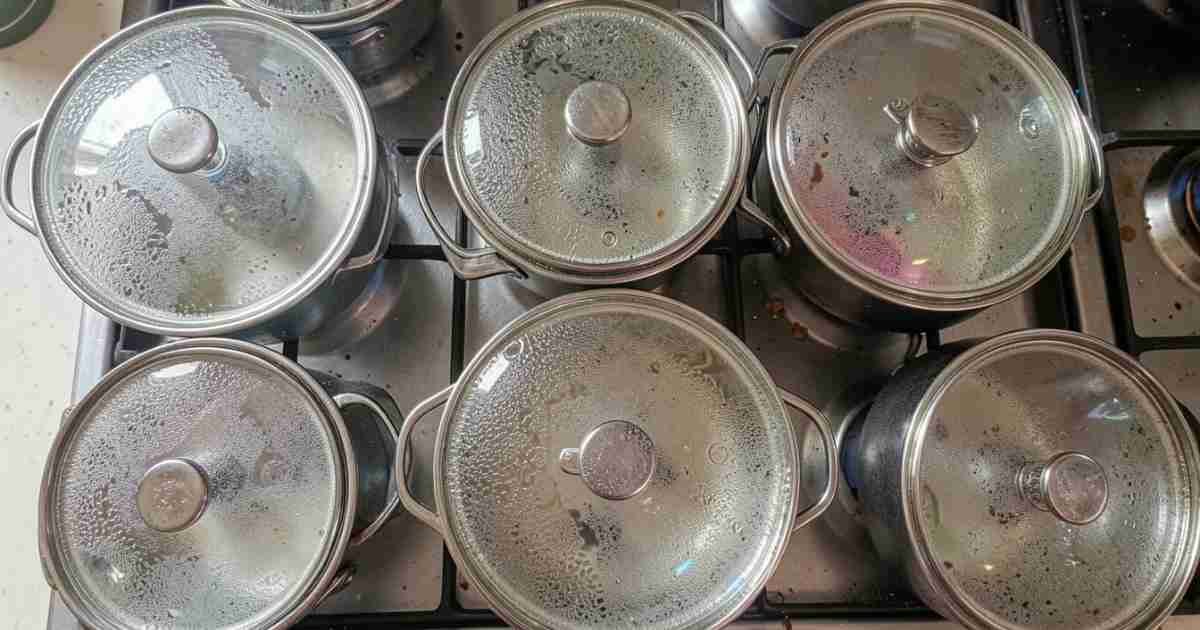
You’re busy. You want dinner on the table fast. Many home cooks believe that using a glass lid on their pot or pan can significantly cut down cooking time. It seems logical: trapping heat must mean faster cooking, right? But the reality of Why Glass Lids Reduce Cooking Time by Less Than You Think is…
The Pre-Heat Test: How To Know Your Pan Is Actually Ready
The pre-heat test tells you whether your pan is hot enough before adding food or fat. For stainless steel, flick in a few drops of water: they should bead and dance, not vanish instantly. For cast iron, preheat gradually over medium heat until evenly hot. Non-stick should be warmed gently, never overheated empty. You’ve carefully…
Modern Dish Soap Won’T Destroy Cast Iron Seasoning
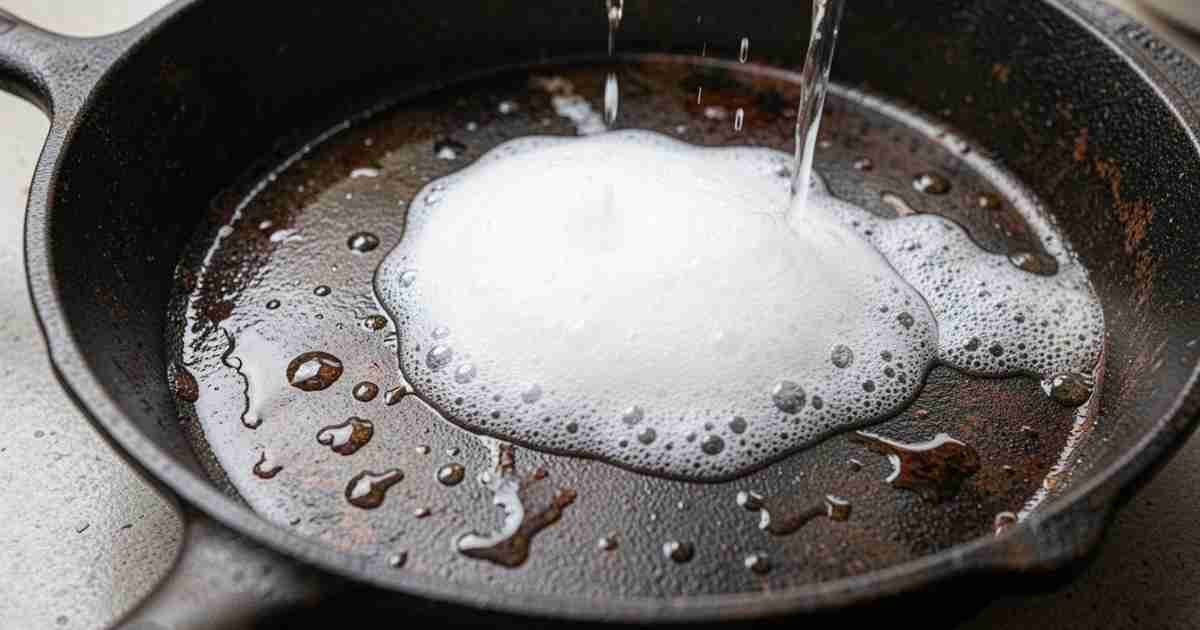
Modern dish soap won’t destroy cast iron seasoning because seasoning is polymerised oil bonded to the pan, not loose grease. A small amount of mild soap can remove food residue without stripping a well-seasoned surface. The real risks are soaking, dishwasher use, harsh scrubbing, rust, and failing to dry and lightly oil the pan after…
The ‘Never Preheat Non-Stick Empty’ Rule What’S Actually Dangerous
The “never preheat non-stick empty” rule matters because an empty PTFE-coated pan can overheat within minutes, damaging the coating and releasing irritating polymer fumes. The danger is not normal low-heat cooking; it is dry high heat, forgotten pans, and poor ventilation. Add oil, butter, water, or food before heating, and use medium or low heat.…
High-Btu Hobs For Home Cooking: Who Actually Needs Them
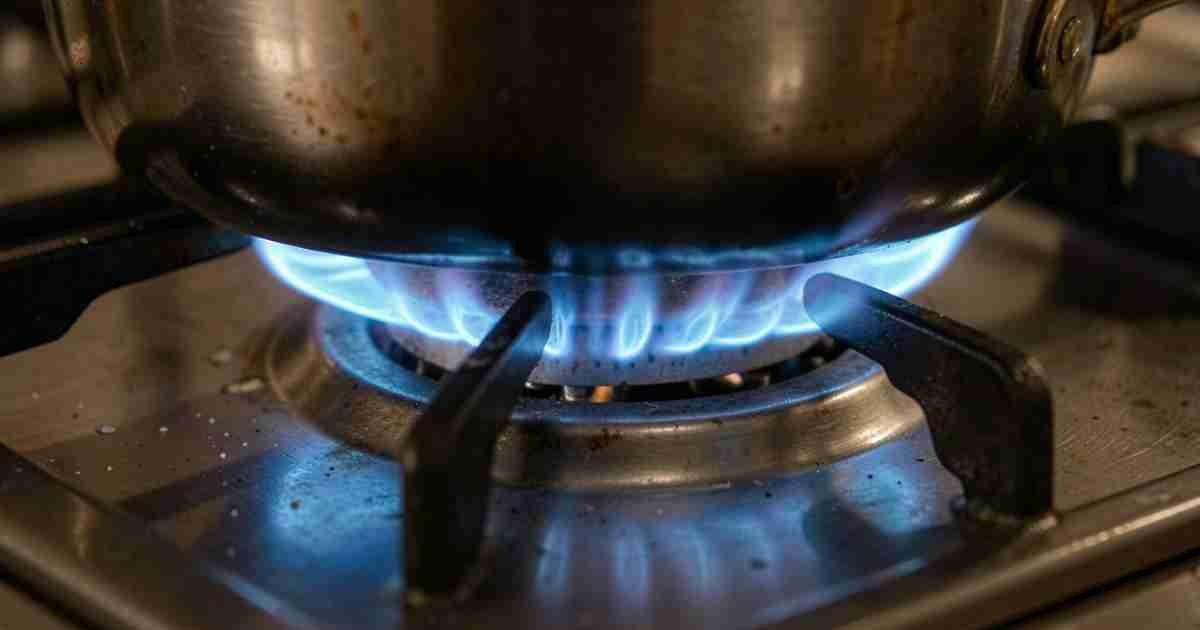
High-BTU hobs for home cooking are useful mainly for frequent wok cooking, fast boiling, hard searing, and large-batch cooking. Most daily cooking works well on moderate burners, because control, pan contact, flame focus, and ventilation matter more than raw output. Higher BTU can waste heat indoors, overheat pans, and make simmering harder if poorly designed.…
Cast Iron Does Not Heat Evenly It Compensates Via Mass
Cast iron does not heat evenly because it conducts heat slowly compared with aluminium or copper, so hot spots form if it is rushed. It compensates via mass: a thick, heavy pan stores heat and resists temperature drops when food is added. Slow preheating, burner matching, and occasional rotation create better browning. You’ve probably experienced…
Slow Cookers Tenderise Via Low Heat’ The Collagen Curve Reversal
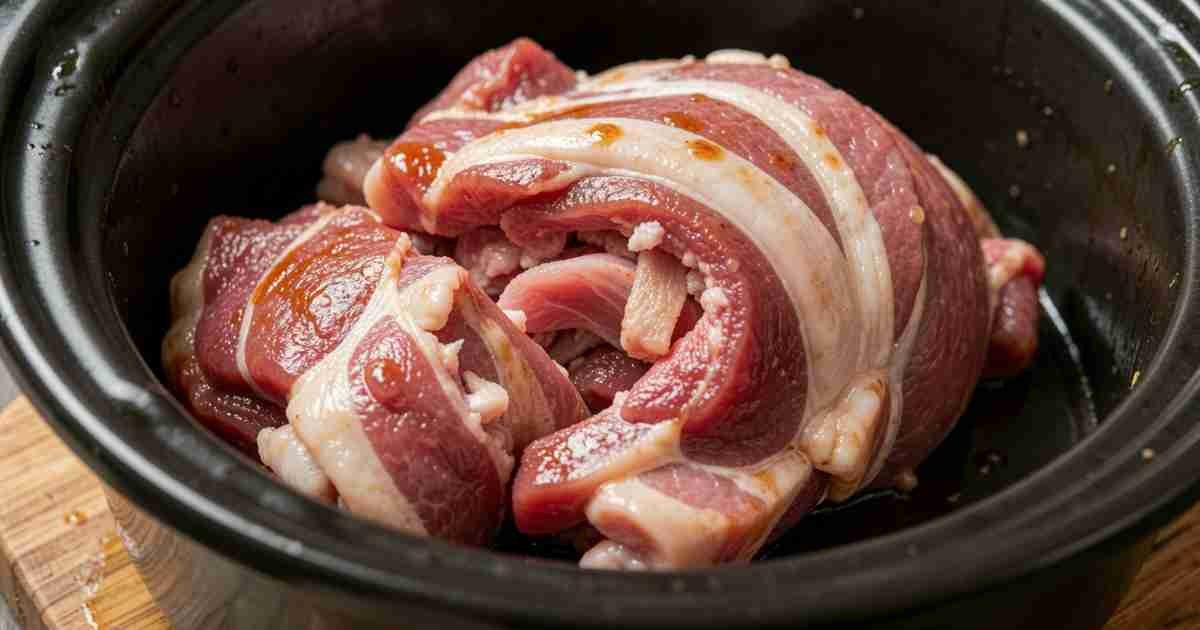
Slow cookers tenderise via low heat because collagen breakdown is time-dependent, not just temperature-dependent. Gentle heat slowly converts tough connective tissue into gelatin, while harsh high heat can tighten muscle fibres before collagen softens. This “collagen curve reversal” is why cheaper cuts become tender after hours, but lean cuts can dry out. You’ve probably had…
Boiling Water Faster With A Lid: True Or False (With Thermodynamics)
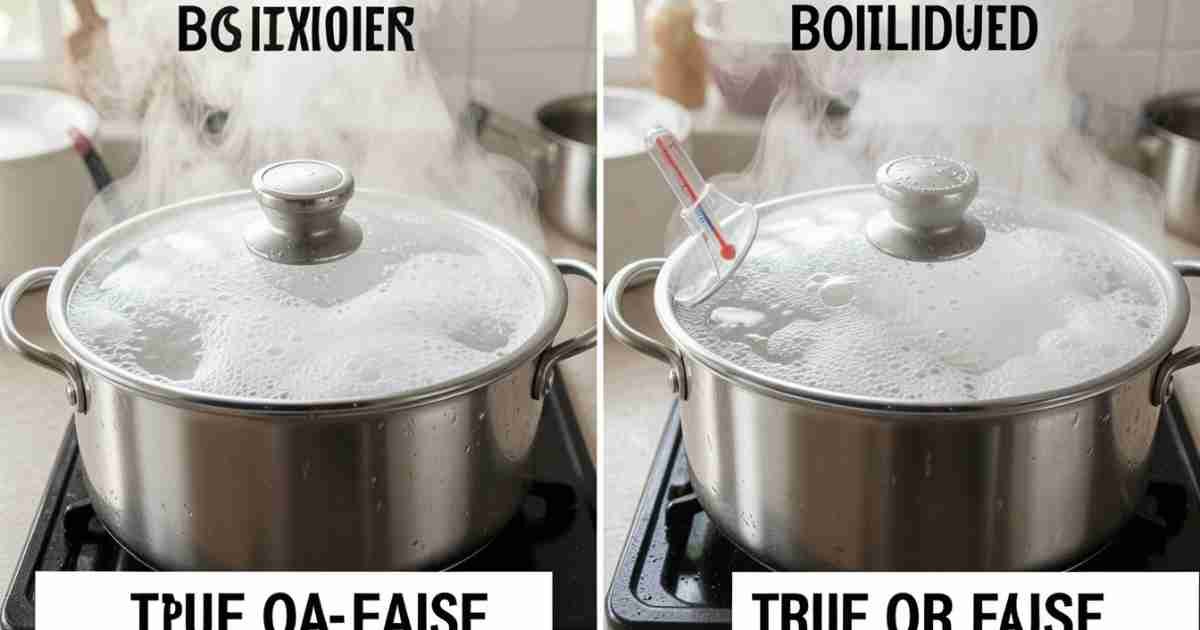
Boiling water faster with a lid is true because the lid reduces heat lost through evaporation and convection. More of the burner’s energy stays inside the pot, so the water reaches 100°C sooner. The lid does not raise the boiling point much at normal pressure; it simply helps conserve heat and speeds the warm-up phase.…
Adding Oil To Pasta Water: What The Science Actually Shows
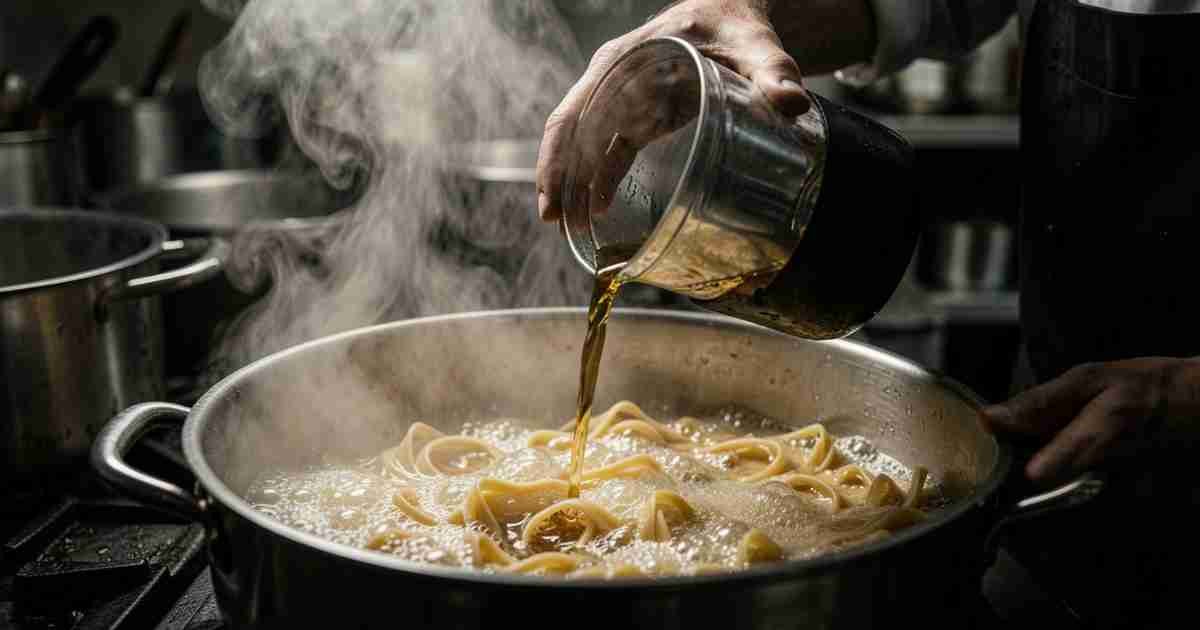
Adding oil to pasta water does not stop sticking in any meaningful way because oil floats on top while pasta cooks below. It may coat noodles during draining, which can make sauce cling less effectively. The science-backed fix is simpler: use enough boiling water, stir during the first minutes, salt properly, and sauce the pasta…
Searing Does Not Seal In Juices The 1930 Proof Nobody Cites
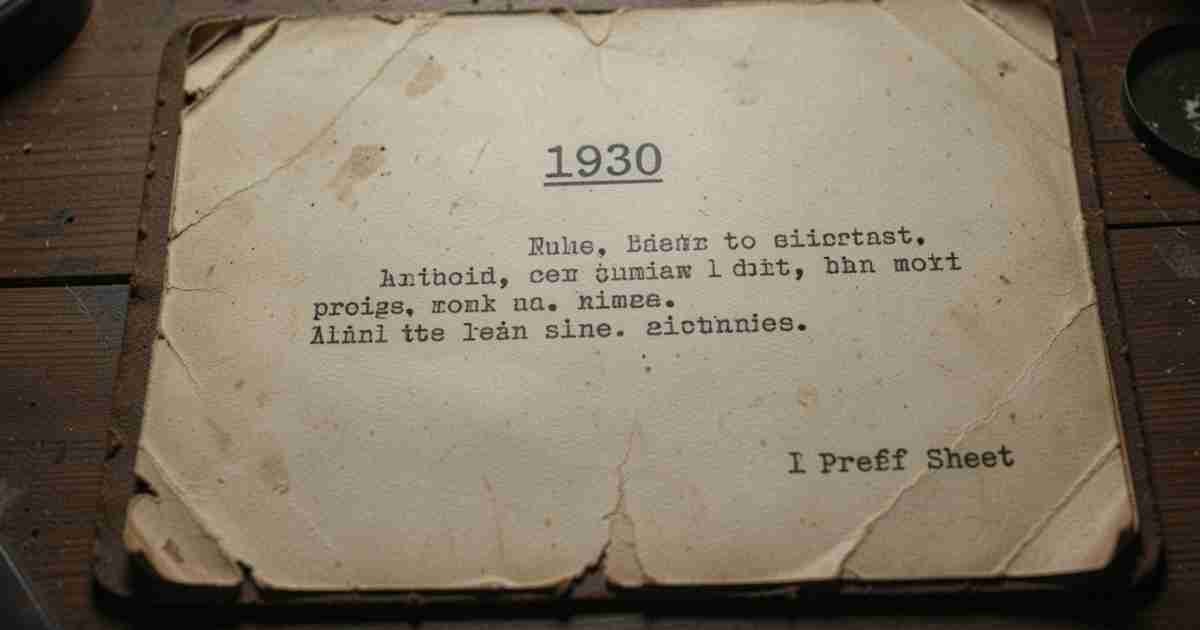
Searing does not seal in juices; the 1930 proof showed seared roasts could lose the same or more moisture than meat cooked at steady moderate heat. Searing still matters because browning creates flavour, aroma, colour, and texture through surface reactions. Juiciness comes more from doneness, cut quality, fat, resting, and temperature control. You’ve probably heard…