
Adding oil to pasta water does not stop sticking in any meaningful way because oil floats on top while pasta cooks below. It may coat noodles during draining, which can make sauce cling less effectively.
The science-backed fix is simpler: use enough boiling water, stir during the first minutes, salt properly, and sauce the pasta immediately.
Many home cooks swear by adding a swirl of oil to their pasta water, believing it prevents sticking and makes the pasta taste better.
It’s a common kitchen ritual passed down through generations. But does this practice actually hold up under scientific scrutiny?
We’ll explore what the evidence suggests about Adding Oil to Pasta Water: What the Science Actually Shows. Understanding this can help you make better pasta every time, keeping readers engaged longer and reducing the chance they’ll click away.
![Adding Oil To Pasta Water What The Science Actually Shows[1]](https://kitchentipsdaily.com/wp-content/uploads/2026/06/Adding_Oil_To_Pasta_Water__What_The_Science_Actually_Shows1.jpg)
Key Takeaways
- Adding oil to pasta water does not effectively prevent pasta from sticking to itself or the pot.
- The primary reason pasta sticks is starch release, not a lack of oil.
- Oil added to boiling water will mostly float on the surface, failing to coat the pasta evenly.
- Salt is crucial for flavoring pasta from the inside out, unlike oil.
- Properly stirring pasta as it cooks is the most effective way to prevent sticking.
- Focusing on good technique and salt is more beneficial than adding oil to pasta water.
Why Do We Think Oil Helps Pasta Water?
The idea that oil in pasta water prevents sticking is deeply ingrained in many culinary traditions. It’s a common piece of advice you’ll hear from family members or see in older recipes. This belief likely stems from observing that oil can help separate other ingredients, like vegetables, during cooking.
People might have assumed this separation property would extend to pasta.
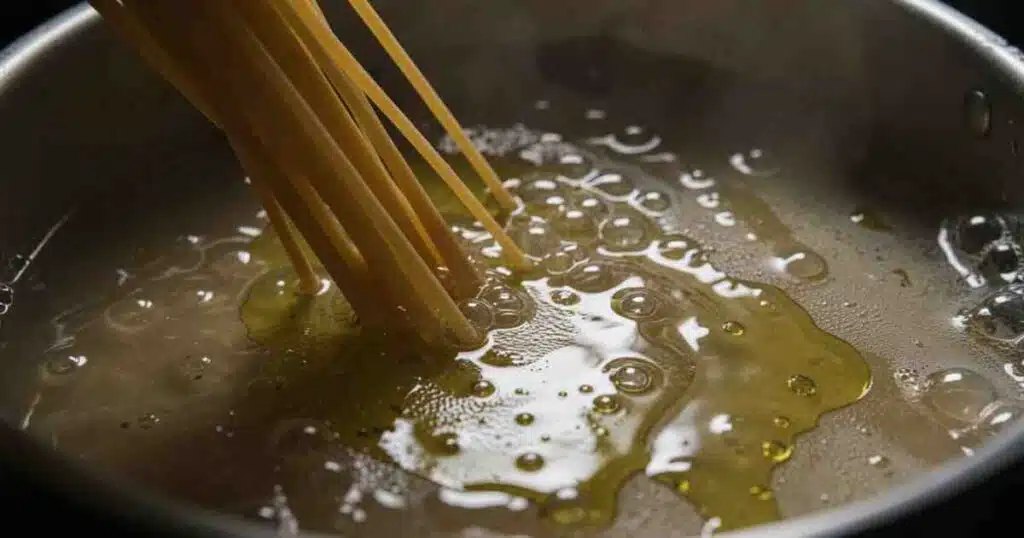
Another possible reason is the visual cue of oil shimmering on the water’s surface. This might give the impression that the oil is actively working to prevent the pasta from clumping. However, what looks like active intervention might just be oil behaving as it naturally does in water – it doesn’t mix well.
This is a classic case of a widely accepted practice lacking scientific backing.
The Science of Starch and Pasta Clumping
To understand why oil doesn’t work, we need to look at what actually makes pasta stick. Pasta is made from durum wheat semolina and water. When you cook pasta, the heat causes the starch granules on the outside of the pasta to swell and gelatinize.
This process releases starches into the cooking water.
These released starches are sticky. If the pasta sits undisturbed for too long, especially in a smaller pot with less water, these starches can act like glue. They bind the pasta strands or shapes together.
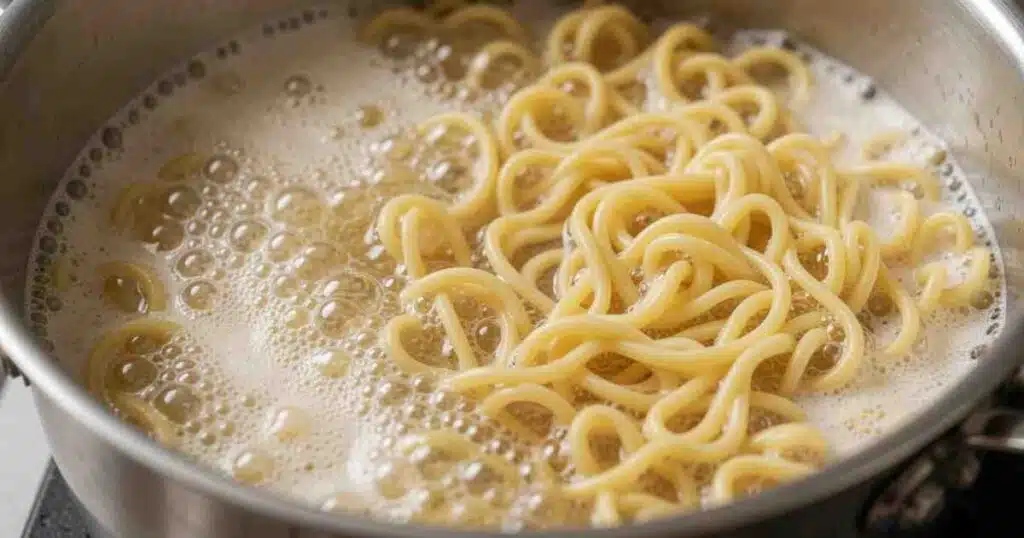
This is the primary culprit behind clumped pasta, not a lack of oil in the water.
How Water and Oil Interact
Oil and water do not mix. This is a fundamental principle of chemistry. Oil is hydrophobic, meaning it repels water.
When you add oil to boiling water, it will float on top of the water’s surface. The vast majority of the pasta is submerged in the water, not the thin layer of oil.
Therefore, the oil is not in consistent contact with the pasta. It cannot form a barrier to prevent the starches from interacting with each other. Even if some pasta briefly touches the oil layer, it’s not enough to create a significant anti-sticking effect.
The science behind Adding Oil to Pasta Water: What the Science Actually Shows points to this fundamental immiscibility.
The Role of Salt in Pasta Cooking
While oil doesn’t help prevent sticking, salt is a crucial ingredient for flavorful pasta. Adding salt to your pasta water is not about preventing sticking; it’s about seasoning the pasta itself. Pasta is essentially a blank canvas.
It absorbs the salty water as it cooks, infusing the pasta with flavor from the inside out.
A general rule of thumb is to make the pasta water taste like the sea. This means using a generous amount of salt, typically about 1 to 2 tablespoons per gallon of water. This might seem like a lot, but most of the salt stays in the water.
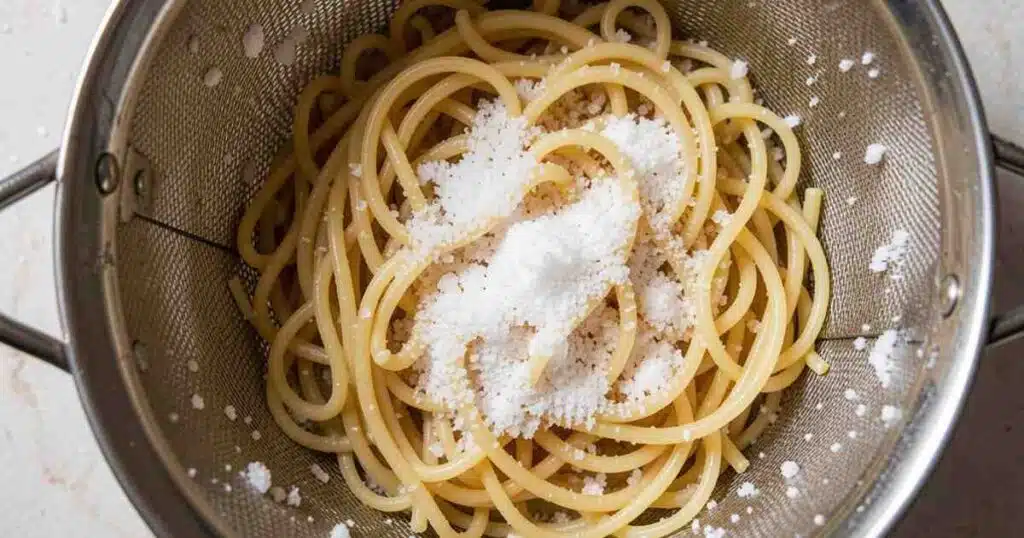
Only a small amount is absorbed by the pasta, but it makes a world of difference to the final taste.
| Primary Purpose | Believed to prevent sticking (ineffective) | Adds flavor to the pasta |
| Interaction with Pasta | Floats on surface, minimal contact | Absorbed by pasta, seasons from within |
| Scientific Basis | Oil and water don’t mix, starch is the issue | Osmosis allows flavor absorption |
| Effectiveness | Low for preventing sticking | High for enhancing taste |
What Science Says About Other Pasta Myths
The myth of oil in pasta water isn’t the only one. Another common piece of advice is to rinse pasta after draining. This is generally a bad idea for hot pasta dishes.
Rinsing washes away the starchy coating that helps sauce adhere to the pasta. For cold pasta salads, rinsing can be acceptable to cool it down quickly and prevent clumping, but for hot dishes, it’s a no-go.
Some people also believe you should never stir pasta after the initial few minutes. This is also incorrect. Stirring is vital, especially in the first few minutes of cooking.
This is when the most starch is released and the pasta is most prone to sticking. Consistent stirring prevents strands from settling and gluing together. This is a key takeaway from Adding Oil to Pasta Water: What the Science Actually Shows.
The Best Way to Prevent Pasta Sticking
If oil doesn’t work, what does? The most effective methods are simple and rely on good cooking practices. First, use a large pot.
A bigger pot means more water. More water dilutes the starch released by the pasta, making it less concentrated and less likely to cause sticking.
Second, use plenty of water. A good ratio is at least 4 quarts (about 4 liters) of water for every pound (about 450 grams) of pasta. This ensures there’s enough space and liquid to keep the pasta moving freely.
Third, bring the water to a rolling boil before adding the pasta. The vigorous boiling helps keep the pasta agitated. Add the pasta to the boiling water and stir immediately.
This is the most critical step. Stir for the first 1-2 minutes as the pasta softens and releases starch.
Next, continue to stir occasionally throughout the cooking process. This prevents any stray strands from settling at the bottom of the pot and sticking. If you’re cooking a long pasta like spaghetti, ensure it is fully submerged as it softens, and give it a good stir.
Finally, drain the pasta thoroughly but don’t rinse it (unless making a cold salad). The slight starchiness left on the pasta helps your sauce cling beautifully. This approach to Adding Oil to Pasta Water: What the Science Actually Shows is about understanding the real causes of sticking.
When Might Oil Be Considered?
While adding oil to the main pot of boiling water is generally not recommended for preventing sticking, there are niche situations where a tiny amount of oil might be used.
For instance, if you are making a very large batch of pasta for a buffet or a party and know it will sit for a while before being served, a very small drizzle of oil tossed with the drained pasta after cooking can help prevent it from clumping as it cools. However, this is about preventing sticking in the serving dish, not in the cooking pot.Another instance might be if you are cooking a specific type of pasta that is known to be particularly prone to sticking, and you’ve already tried all the other methods. In such a rare case, a very small amount of oil tossed with the pasta after draining could offer marginal benefit. But again, this is not about the boiling water itself.
The core principle of Adding Oil to Pasta Water: What the Science Actually Shows remains that it’s ineffective in the cooking pot.
The Debate Continues: Anecdotal Evidence vs. Science
Despite scientific explanations, many people will continue to add oil to their pasta water. This is because anecdotal evidence is powerful. If someone has been doing it for years and believes it works, they are unlikely to change their habits easily.
Their pasta might turn out fine, but it’s probably due to other good practices they employ without realizing it, like using enough water or stirring.
It’s important to distinguish between what seems to work and what actually has a scientific basis. The science on Adding Oil to Pasta Water: What the Science Actually Shows is clear: the oil floats and doesn’t prevent starch from causing clumps. Focusing on the proven methods-large pot, plenty of water, and stirring-will yield better results for your pasta.
Common Pasta Cooking Mistakes to Avoid
Beyond the oil myth, several other mistakes can lead to less-than-ideal pasta. Using too little water is a primary offender. It concentrates the starch and makes sticking almost inevitable.
Not salting the water is another major error, leading to bland pasta.
Adding pasta to water that isn’t at a rolling boil is also problematic. It lowers the water temperature too much, leading to mushy pasta and increased sticking. Forgetting to stir the pasta, especially in the crucial first few minutes, is a recipe for a clumpy disaster.
These are the real enemies of perfectly cooked pasta.
What About Different Pasta Shapes?
Does the shape of the pasta matter when it comes to adding oil? Generally, no. The principle of starch release and the immiscibility of oil and water apply to all pasta shapes, whether it’s long strands like spaghetti or linguine, short shapes like penne or fusilli, or even delicate filled pastas like ravioli.
Longer, thinner pastas like spaghetti or angel hair might seem more prone to sticking because they can easily tangle. Short, tubular pastas can trap water and starch inside, potentially leading to clumping if not stirred. Even delicate fresh pasta can stick if cooked improperly.
The science behind Adding Oil to Pasta Water: What the Science Actually Shows is consistent across the board: oil in the water isn’t the solution for any shape. USDA pasta cooking guidelines recommend avoiding oil in the water for best results.
The Impact on Sauce Adhesion
One of the biggest concerns with adding oil to pasta water is its potential impact on sauce adhesion. If the oil were somehow coating the pasta, it could create a barrier that prevents the sauce from clinging. While we’ve established that oil doesn’t effectively coat the pasta in the cooking water, some residual oil might be present if you’re not careful. The idea of coating pasta with oil is not effective due to oil’s immiscibility.
The real issue for sauce adhesion is over-rinsing the pasta, which washes away the starchy exterior. However, if you were to add a significant amount of oil to the cooking water, and some of it did manage to coat the pasta, it could theoretically hinder sauce. Thankfully, the science shows this isn’t a practical concern for most home cooks because the oil doesn’t stay on the pasta.
Frequently Asked Questions Of Adding Oil To Pasta Water: What The Science Actually Shows
Question: Does adding oil to pasta water actually prevent sticking?
Answer: No, scientific evidence indicates that adding oil to pasta water does not effectively prevent pasta from sticking. The oil floats on the surface and does not interact with the starches that cause pasta to clump.
Question: What is the main reason pasta sticks together?
Answer: The main reason pasta sticks together is the release of starch from the pasta as it cooks. These starches are sticky and can cause pasta strands or shapes to adhere to each other if not managed properly.
Question: If oil doesn’t work, what is the best way to prevent pasta from sticking?
Answer: The most effective ways to prevent pasta sticking are to use a large pot with plenty of water, ensure the water is at a rolling boil before adding pasta, and stir the pasta frequently, especially during the first few minutes of cooking.
Question: Should I add salt to my pasta water?
Answer: Yes, absolutely. Adding a generous amount of salt to your pasta water is crucial for flavoring the pasta from the inside out. It does not prevent sticking but significantly enhances taste.
Question: Can adding oil to pasta water affect how sauce sticks?
Answer: While the science behind Adding Oil to Pasta Water: What the Science Actually Shows suggests it’s ineffective for preventing sticking, theoretically, if oil were to coat the pasta, it could hinder sauce adhesion. However, this is not a practical concern because the oil doesn’t coat the pasta in the cooking water.
Question: What is the scientific reason oil and water don’t mix?
Answer: Oil is hydrophobic, meaning it repels water molecules. This is because oil molecules are nonpolar, while water molecules are polar. They don’t attract each other, causing them to separate into distinct layers.
Question: What is the correct amount of water to pasta?
Answer: A good guideline is at least 4 quarts (about 4 liters) of water for every pound (about 450 grams) of pasta. This ensures sufficient dilution of starch and free movement of the pasta.
Final Thoughts
Forget the oil in your pasta water; it’s a myth that doesn’t hold up to science. Focus instead on using enough water, adding salt for flavor, and stirring to prevent sticking. These simple, proven techniques will lead to perfectly cooked, delicious pasta every time. The widespread belief about oil in pasta water is not supported by science.

Leave a Reply