
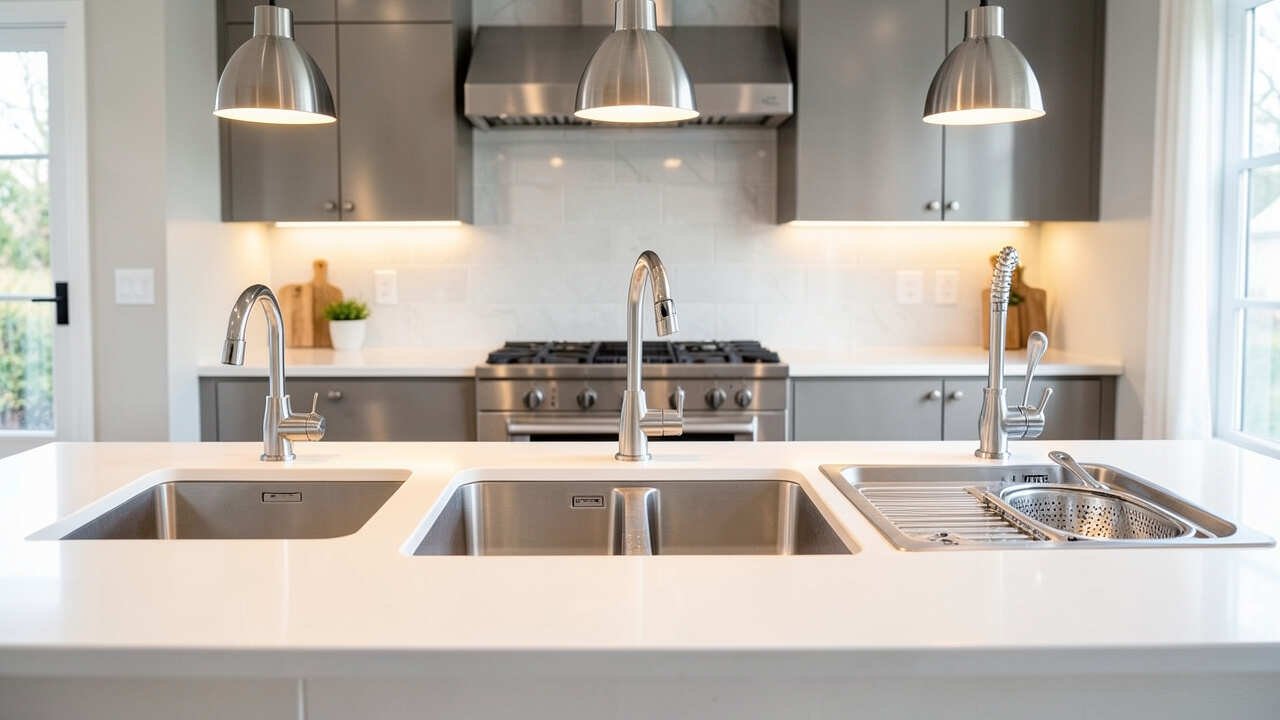
Choosing between a single, double, or workstation kitchen sink depends on your cooking and cleaning habits: single basins provide uninterrupted space for large pots, double basins allow simultaneous washing and rinsing for multitasking, and workstation sinks integrate cutting boards and drying racks to maximize countertop efficiency. Standard widths range from 30 to 36 inches, but depth and basin layout significantly affect usability for your specific kitchen setup. Understanding these trade-offs ensures you select the sink size and configuration that best fits your cooking style, counter space, and budget.
Choosing between a single vs double vs workstation kitchen sink can feel overwhelming, but the right choice transforms how you cook and clean every day. This guide breaks down the key differences, pros and cons, and real-world factors to help you pick the perfect sink size for your kitchen.
Simply put, single basin sinks offer maximum space for large pots, double basin sinks let you wash and rinse simultaneously, and workstation sinks integrate cutting boards and drying racks for ultimate efficiency. Your choice depends on your cooking habits, counter space, and budget.
Key Takeaways
- Single basin sinks provide uninterrupted space and are best for large cookware and limited counter area.
- Double basin sinks allow multitasking with separate wash and rinse sides, ideal for busy households.
- Workstation sinks include integrated accessories like cutting boards and drying racks, maximizing countertop functionality.
- Standard sizes range from 30 to 36 inches wide, but depth and basin layout play a major role in usability.
Single Basin Sinks: Simple and Spacious
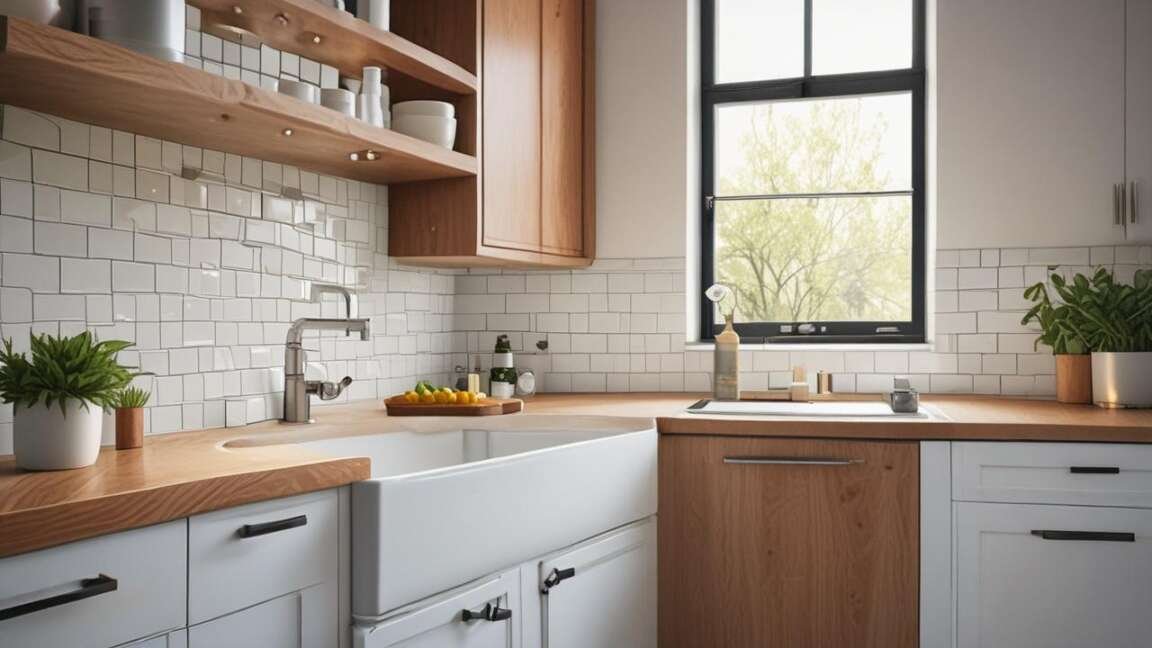
A single basin sink features one large, uninterrupted bowl. This design is straightforward and focuses on providing maximum usable space without any dividers. Homeowners who frequently cook with large pots, baking sheets, or roasting pans often prefer this style because nothing gets stuck or cramped.
Single basin sinks typically range from 24 to 36 inches wide, with depths between 8 and 12 inches. The deeper the basin, the more splash control you get during washing. Many modern single basin sinks also feature low dividers or offset drains to improve usability without sacrificing space.
Pros and Cons of Single Basin Sinks
| Pros | Cons |
|---|---|
| Fits large cookware easily | Cannot wash and rinse simultaneously |
| Simpler installation and plumbing | Less organized for multitasking |
| Easier to clean with fewer corners | Uses more water per fill |
| Modern, minimalist look | Dirty dishes pile up in one space |
A single basin sink excels in kitchens where counter space is limited and you need one large area to handle big jobs. It is a top choice for serious home cooks who regularly wash large stockpots, sheet pans, and colanders.
Tip: If you opt for a single basin sink, choose a depth of at least 10 inches to reduce splashing and accommodate tall pots without water running over the sides.
Double Basin Sinks: Multitasking Made Easy
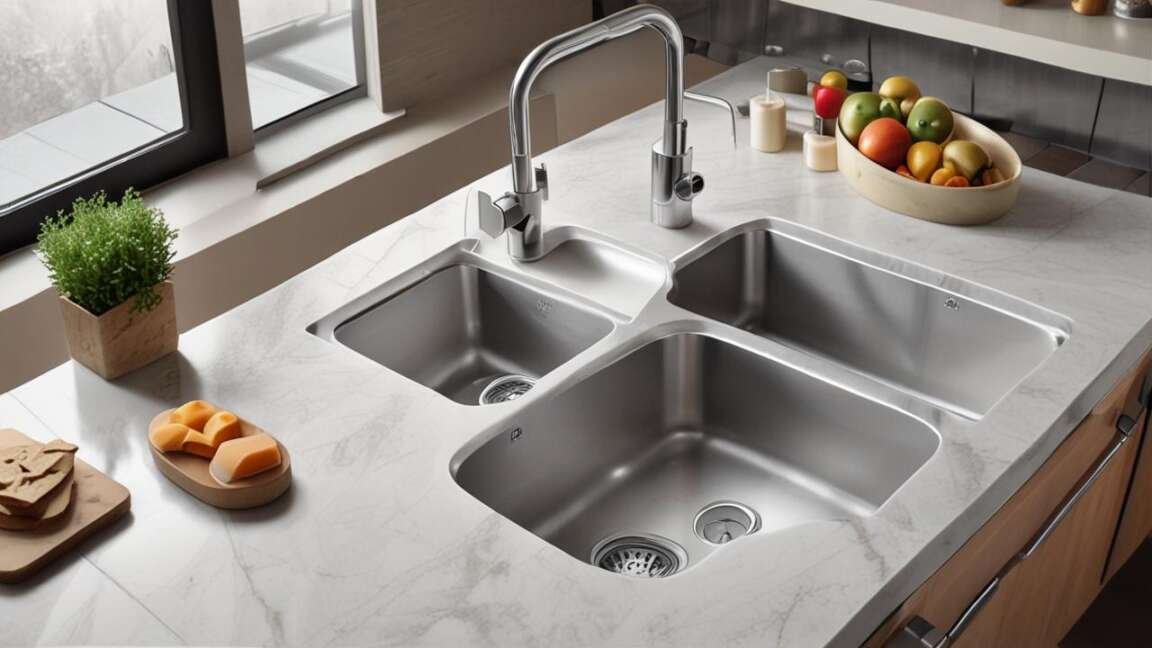
A double basin sink divides the main bowl into two separate compartments. This classic design allows you to use one side for washing and the other for rinsing, or keep dirty dishes separate from clean ones. Double basin sinks remain a staple in many homes because they support multiple workflows at once.
The two basins can be equal in size or feature a larger side and a smaller side. Standard widths range from 30 to 48 inches, with each basin typically 14 to 18 inches wide. The divider between the basins can be a full-height wall or a low ledge depending on the model.
Common Double Basin Configurations
- Equal 50/50 split: Both basins are the same size and depth, ideal for symmetrical use.
- 60/40 split: One larger basin for washing big items and a smaller basin for rinsing or scraping.
- Low divider models: A short wall between basins that still allows large items to bridge across both sides.
- Offset basins: Different depths on each side to optimize specific tasks like soaking and rinsing.
Pros and Cons of Double Basin Sinks
| Pros | Cons |
|---|---|
| Wash and rinse at the same time | Large pots may not fit without bridging |
| Keeps dirty and clean items separate | Divider can be hard to clean around |
| Uses less water per basin when filling | Smaller individual basins feel cramped |
| Great for households with multiple cooks | Installation can be more complex |
Double basin sinks work best in family kitchens where two people often share the sink area. You can soak a frying pan in one side while rinsing vegetables on the other, keeping everything organized and efficient.
Warning: Avoid double basin sinks with a full-height divider if you frequently wash large baking sheets or roasting pans. The divider blocks items that would otherwise lay flat across the sink.
Workstation Sinks: The All-in-One Solution
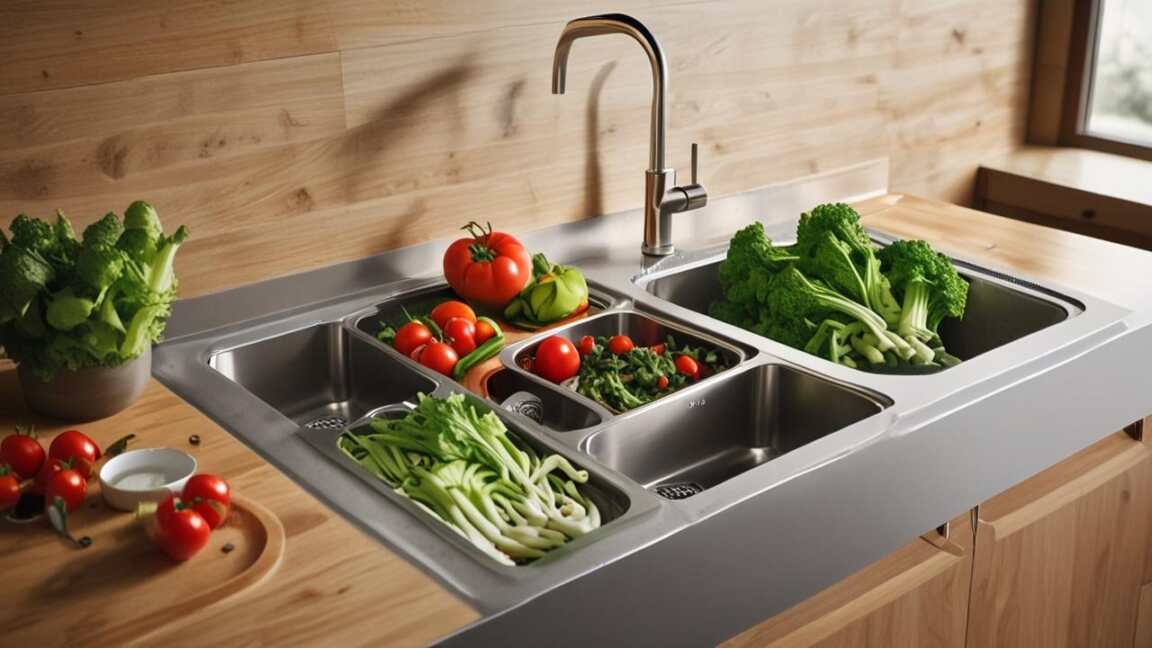
A workstation sink takes the concept of a single basin and adds integrated accessories like cutting boards, colanders, drying racks, and roll-up mats that sit directly on the sink rim or channels. This design turns your sink into a functional prep area, freeing up countertop space for other tasks.
Workstation sinks typically range from 30 to 45 inches wide. The built-in channels or ledges allow you to slide accessories back and forth or lift them out when not in use. This makes the sink a central hub for food preparation, washing, and drying all in one spot.
Common Workstation Accessories
- Custom-fit cutting boards that sit flush over part of the basin
- Perforated colander baskets for rinsing fruits and vegetables
- Stainless steel drying racks that sit over the sink edge
- Roll-up silicone mats for gentle drying of glassware
- Bottom grids that protect the sink floor and improve drainage
Pros and Cons of Workstation Sinks
| Pros | Cons |
|---|---|
| Maximizes counter space with integrated prep areas | Higher upfront cost than standard sinks |
| Accessories are designed specifically for the sink | Accessories can be expensive to replace |
| Reduces clutter on countertops | Channels may collect debris and need cleaning |
| Great for small kitchens needing more work surface | Accessories may not be compatible with all models |
Workstation sinks are especially valuable in galley kitchens, tiny houses, or apartments where every inch of counter space counts. According to the National Kitchen and Bath Association, over 40% of new kitchen remodels now include some type of workstation sink accessory integration.
Important: When choosing a workstation sink, verify that the accessories you want—such as a cutting board or drying rack—are included or readily available from the manufacturer. Not all brands offer the same accessory options.
Quick Comparison: Single Basin Sinks vs Double Basin Sinks vs Workstation Sinks
To make the decision easier, this side-by-side comparison highlights the most important factors at a glance. Use this table to quickly see which type aligns with your priorities.
| Feature | Single Basin | Double Basin | Workstation |
|---|---|---|---|
| Best for large pots | Excellent | Fair | Excellent |
| Multitasking ability | Poor | Excellent | Good |
| Counter space savings | None | None | Excellent |
| Installation complexity | Low | Moderate | Moderate-High |
| Average cost range | $100–$400 | $150–$600 | $300–$1,200 |
| Cleaning ease | Easy | Moderate | Moderate |
This breakdown shows that single and workstation sinks share the edge for handling oversized cookware, while double basin sinks win for simultaneous tasks. Workstation sinks stand alone in reclaiming counter space, which is why they are gaining popularity in compact kitchens.
What Size Kitchen Sink Fits Your Counter?
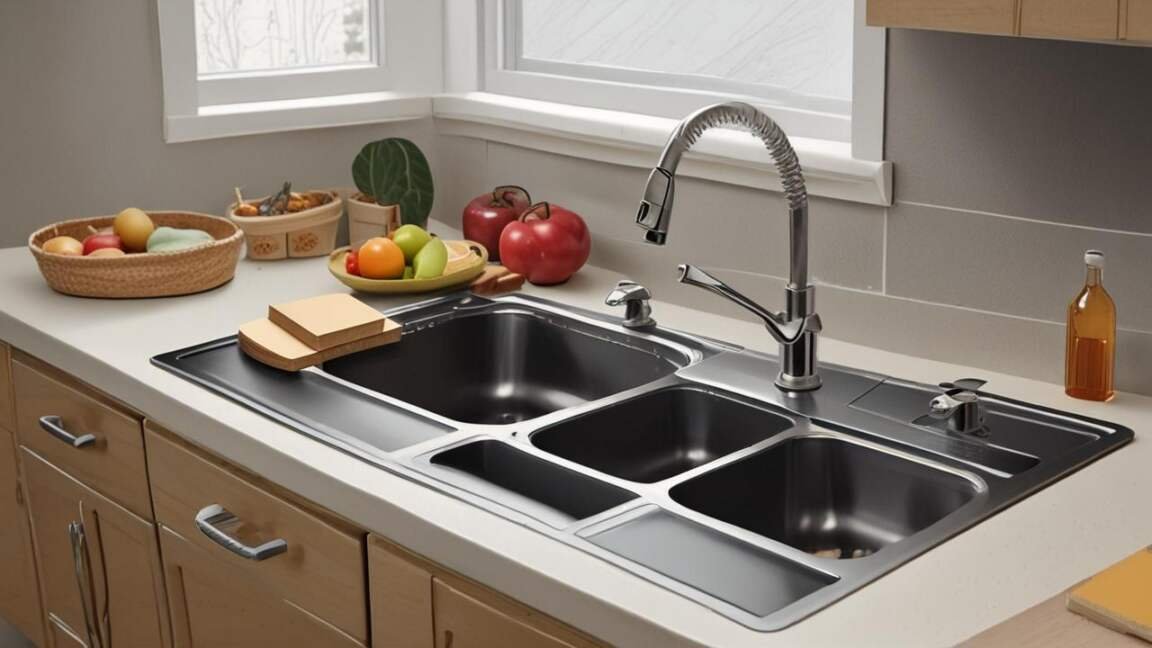
Size matters more than many homeowners realize. A sink that is too small makes washing awkward, while one that is too large eats into valuable counter space. Standard kitchen sink widths range from 24 to 48 inches, with 30 and 36 inches being the most common.
Measure your existing cabinet base before shopping. The sink must fit within the cabinet width. For example, a 33-inch sink requires a base cabinet that is at least 36 inches wide to allow for proper support and plumbing clearance.
Standard Sink Sizes by Type
- Single basin: 24, 30, 33, 36 inches wide
- Double basin: 30, 33, 36, 42, 48 inches wide
- Workstation: 30, 33, 36, 40, 45 inches wide
- Depth: 8, 9, 10, 12 inches (10 inches is the most versatile)
- Basin depth for double sinks: Each side is typically 7 to 9 inches deep
Depth is also critical. A shallow sink splashes more and limits what you can wash. A sink that is too deep forces you to bend uncomfortably.
The sweet spot for most adults is a depth of 10 inches. If you are tall or short, adjust accordingly.
Tip: When measuring for a sink, always account for the faucet and backsplash clearance. A deep sink may require a gooseneck faucet to keep your hands from hitting the back wall.
How to Choose Between Single, Double, and Workstation Sinks
Your decision should start with an honest assessment of your cooking and cleaning habits. There is no universal best option. The right choice depends on how you use your kitchen every day.
Assess Your Daily Workflow
Think about your busiest meal times. Do you wash pots, rinse vegetables, and scrub pans all at once? A double basin sink supports parallel tasks.
Do you regularly clean oversized items like a turkey roaster or sheet pan? A single basin or workstation sink will serve you better.
Evaluate Your Counter Space
If your counters are already tight, a workstation sink can give you back precious workspace. The same sink that holds your dishes also doubles as a prep area, eliminating the need for a separate cutting board on the counter. This can be a game changer in small kitchens.
Consider Your Budget
Single basin sinks are the most affordable option, with good-quality stainless steel models starting under $150. Double basin sinks cost slightly more due to the divider and additional materials. Workstation sinks command a premium because of the engineered channels and accessories.
Factors to Consider in Order of Priority
- Cooking volume: How many meals per day and how much cookware you use.
- Kitchen size: Measure available space and existing cabinet dimensions.
- Number of cooks: More people in the kitchen often means a double basin is better.
- Cleaning habits: If you let dishes soak, a double basin keeps things tidy.
- Prep space: If counters are scarce, a workstation sink is a smart upgrade.
According to the American Institute of Architects, 65% of homeowners who remodel their kitchen in the next two years plan to install a larger or more functional sink. This trend reflects a growing awareness that the sink is not just a utility fixture but a central cooking tool.
Common Mistakes When Selecting a Kitchen Sink
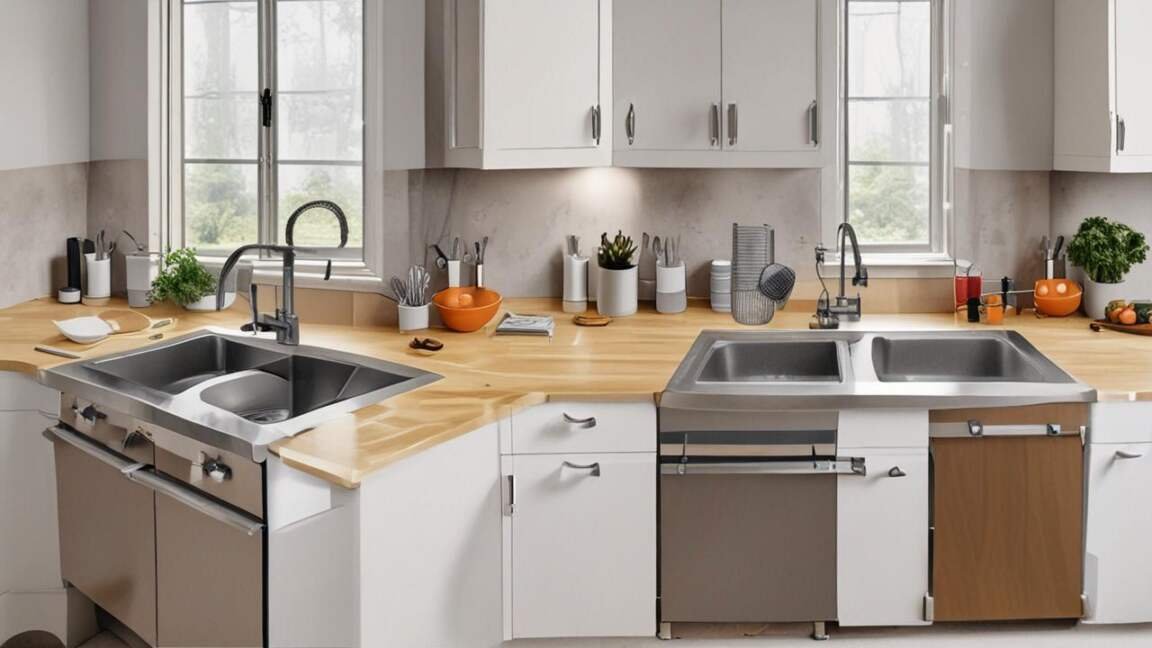
Even experienced renovators make errors when choosing a sink. Avoid these frequent pitfalls to ensure your new sink works perfectly for years.
- Choosing size before measuring: You must measure the cabinet base width and depth before picking a sink. A 36-inch sink will not fit in a 33-inch cabinet.
- Ignoring faucet compatibility: A deep single basin sink may require a high-arc faucet to reach all corners.
- Forgetting about garbage disposal: If you use a disposal, a double basin lets you keep it on one side while the other remains clear.
- Overlooking sink material: Stainless steel, fireclay, quartz composite, and cast iron all behave differently in terms of weight, maintenance, and durability.
- Not planning for accessories: Aftermarket drying racks or colanders may not fit workstation channels or standard basin edges.
Warning: Never assume a sink will fit just because the counter looks big enough. Always measure the interior width of the cabinet base and subtract at least 1 inch for mounting hardware. This measurement is your maximum sink width.
The material also affects sink size options. Stainless steel is lightweight and available in nearly any size. Fireclay and cast iron are much heavier and may require additional cabinet reinforcement, especially for double basin or extra-wide models.
Installation Considerations for Each Sink Type
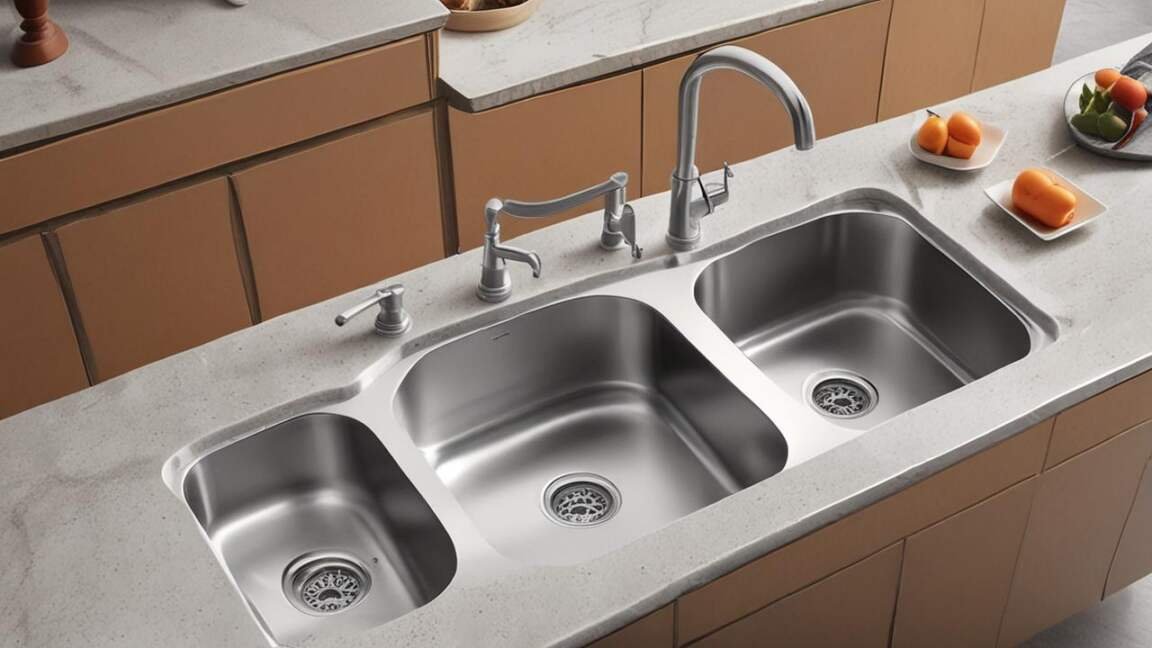
Installation varies by sink type and can affect your final decision. Understanding these differences helps you plan ahead and avoid surprises.
Undermount vs Drop-In
Most single, double, and workstation sinks are available in both undermount and drop-in configurations. Undermount sinks offer a seamless look and easier countertop cleanup. Drop-in sinks are simpler to install and are often retrofitted into existing countertops.
Plumbing Requirements
Double basin sinks require a T-fitting or two separate drains depending on the setup. This can increase plumbing complexity and cost. Single basin and workstation sinks typically use a standard single drain configuration, which is simpler and more straightforward.
Weight and Support
Workstation sinks with thick gauge steel or heavy quartz composite can be very heavy when combined with accessories. Check that your cabinet base is strong enough to support the sink, especially if it is wider than 36 inches. According to many building standards, a 36-inch base cabinet can hold up to 150 pounds, but larger or denser sinks may exceed that threshold.
- Single basin undermount: Requires precise counter cut-out and bonding clips.
- Double basin drop-in: Easiest for DIY installation and existing countertops.
- Workstation undermount: Needs careful alignment for channel rails to sit level.
Important: If you plan to install a workstation sink yourself, verify that the manufacturer provides a mounting template. Many workstation sinks require precise alignment of the accessory rails to function correctly. A misalignment of just 1/8 inch can prevent accessories from sliding properly.
Frequently Asked Questions
What is the most popular kitchen sink size?
The most common kitchen sink size is 33 inches wide for single basin models and 36 inches wide for double basin models. A depth of 10 inches is generally preferred for its balance between function and comfort.
Can I install a workstation sink in an existing countertop?
Yes, you can install a workstation sink in an existing countertop if the cabinet base is wide enough. The cut-out must be precise, and you may need to modify the countertop edge to accommodate the accessory channels. Retrofitting is more complex than new installation.
Which sink type is best for a small kitchen?
A workstation sink is often best for a small kitchen because it provides additional prep space on top of the sink. A single basin sink is also a good choice if you need maximum space for washing large items in a compact area.
Do double basin sinks use less water than single basin sinks?
Double basin sinks can use less water per task because you fill only one side at a time. However, a single basin sink requires more water if you fill the entire basin for washing. Overall, water usage depends more on your habits than the sink type.
What is the best material for a kitchen sink?
Stainless steel is the most popular material due to its durability, affordability, and resistance to stains and heat. Quartz composite and fireclay are also excellent choices but cost more. Cast iron offers a classic look but is heavy and prone to chipping.
Final Thoughts
Choosing between a single, double, or workstation sink comes down to your specific cooking habits and kitchen layout. Single basin sinks offer maximum space for large items, double basin sinks support multitasking, and workstation sinks reclaim counter space. Measure carefully, prioritize your daily needs, and invest in a sink that makes your time in the kitchen more enjoyable.

Leave a Reply