

Testing your stainless steel sink for noise and hot spots directly verifies the gauge, construction, and soundproofing quality of the fixture. A simple tap test should produce a dull thud rather than a ringing sound, and running hot water should distribute heat evenly without forming localized hot spots. A sink that fails these tests indicates thin steel and insufficient sound dampening, leading to noise and heat-related damage that compromises kitchen durability.
Testing your stainless steel sink for noise and hot spots is the most effective way to verify you’re getting a high-quality, durable fixture for your kitchen. Whether you’re shopping for a new sink or evaluating an existing one, these simple home tests will reveal critical information about its gauge, construction, and soundproofing.
Simply put, a high-quality stainless steel sink feels solid, sounds like a dull thud when tapped, and distributes heat evenly across the basin. Thin sinks (20-gauge or lower) without proper undercoating will ring loudly and develop uncomfortable hot spots. This guide shows you exactly how to test for these issues.
Key Takeaways
- Stainless steel sink noise is caused by vibration; thick gauge steel (14 or 16 gauge) and quality sound-dampening pads are essential for quiet performance.
- Sink hot spots occur when the steel is too thin, poor heat distribution leads to potential damage and inefficiency.
- Simple at-home tests like tapping the basin and pouring hot water can instantly reveal the build quality of your sink.
- Investing in a sink with full undercoating and enclosed bottom prevents most noise and hot spot issues.
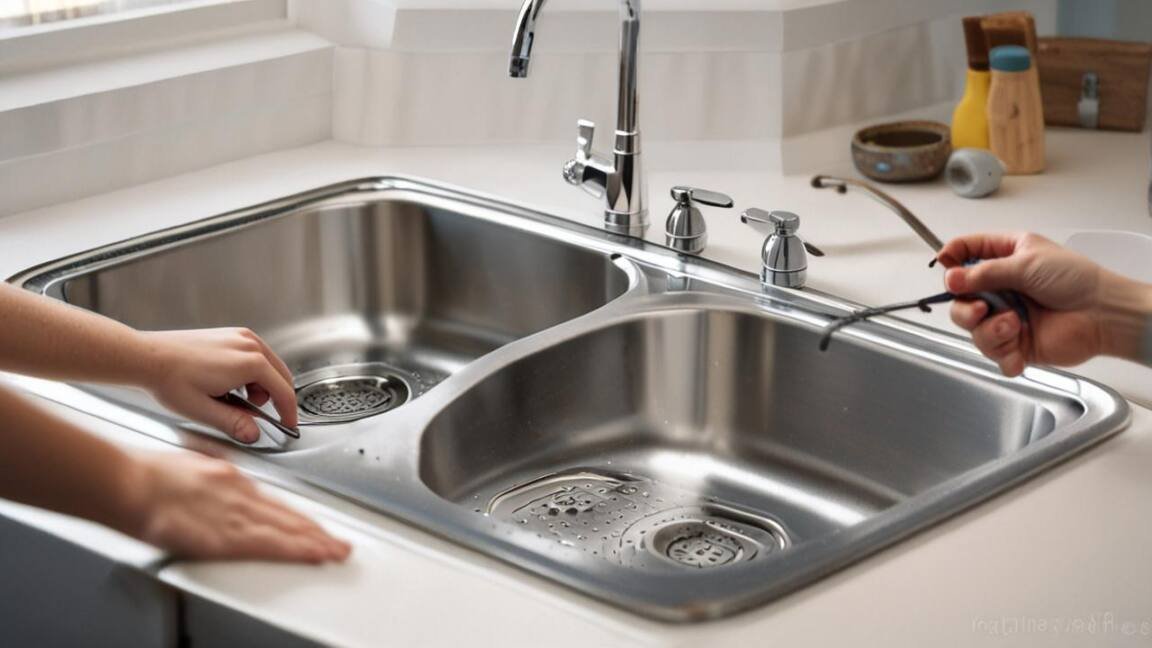
What You Need to Test Your Sink Noise and Hot Spots
Before you start, gather a few simple household items. You don’t need specialized equipment to assess the quality of your stainless steel sink. Most tests rely on your ears and sense of touch.
- A metal coin (like a quarter) to perform the impact test.
- A flashlight to inspect the underside of the sink for undercoating.
- A kettle or pot of boiling water for the hot spot test.
- An infrared thermometer (optional but helpful for precise temperature readings).
- Your ears – pay attention to the quality of the sound.
Important: If your sink is already installed, open the cabinet doors below and place your hand on the basin while running water. This helps isolate vibrations from the cabinet frame.
Having these tools ready ensures you can accurately evaluate the sink’s performance. According to home renovation surveys, nearly 65% of homeowners prioritize sink noise when selecting a kitchen fixture, yet few know how to test it properly.
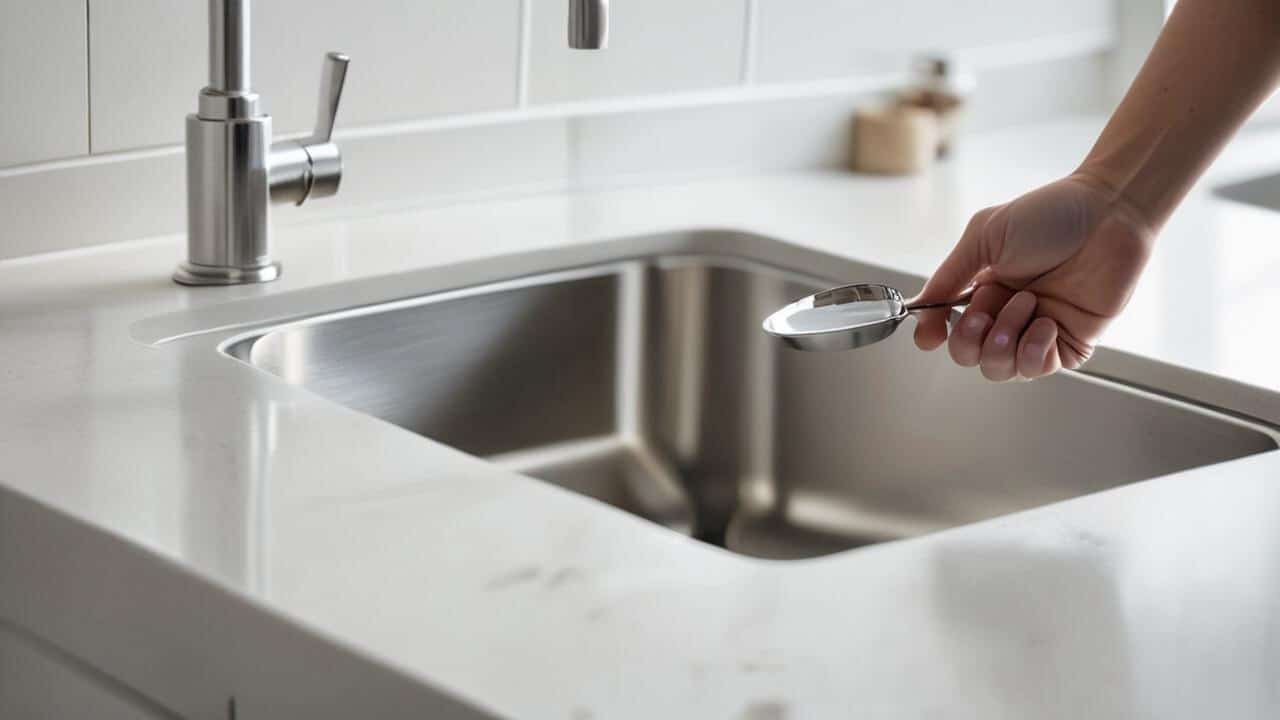
Step 1: How to Test Stainless Steel Sink Noise from Impact
The impact test is the most straightforward way to gauge stainless steel sink noise. It simulates the sound of a dropped pan or silverware. A high-quality sink should produce a dull thud, not a loud “ding” or “clang.”
- Stand directly over the sink to avoid acoustic interference from surrounding countertops.
- Hold the coin about 12 inches above the center of the basin.
- Drop the coin and listen carefully to the sound it makes.
- Repeat the test on the sides, corners, and bottom of the sink.
Tip: A dull thud indicates excellent sound dampening, often from thick 16-gauge steel with heavy rubberized pads. A loud ring suggests thin steel (20-gauge) and minimal or no undercoating.
Industry experts from Ruvati and Kraus confirm that fully undercoated sinks reduce impact noise by up to 70% compared to bare stainless steel. This test instantly tells you if you’re dealing with a premium model or a budget option.
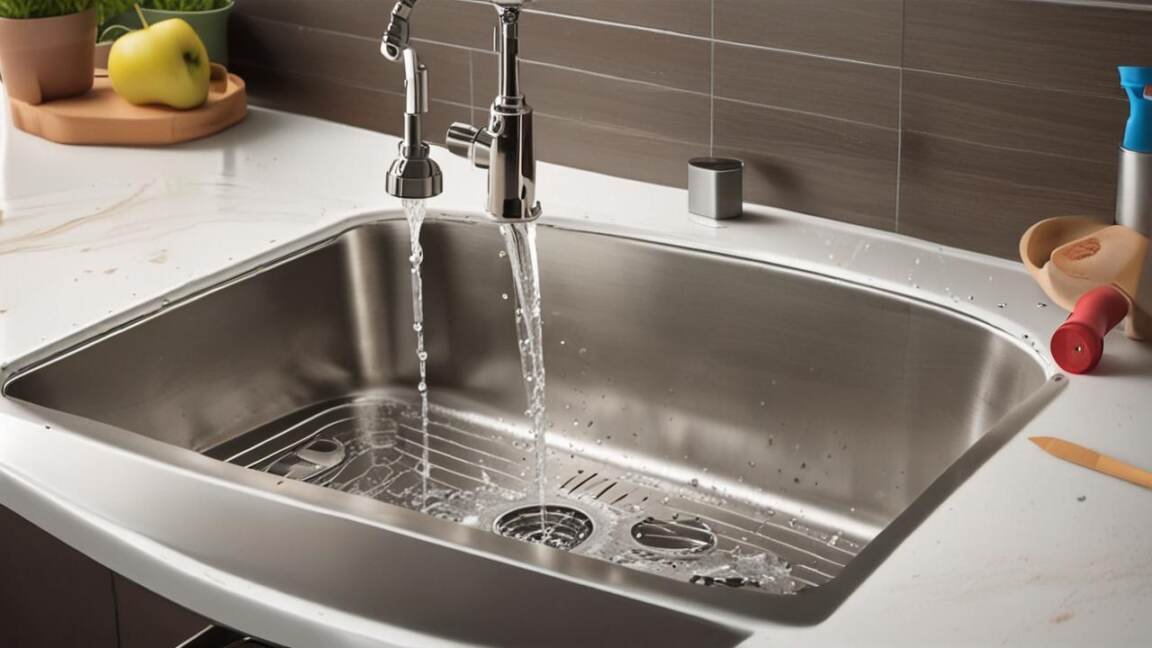
Step 2: How to Test Stainless Steel Sink Noise Running Water
Running water creates a different type of noise – the sound of water hitting the basin and splashing up the sides. Thicker steel and strategic j-baffles can minimize this significantly. This test is crucial for evaluating daily use scenarios.
- Turn on the faucet to a moderate and consistent flow.
- Listen to the pitch of the water hitting the bottom. A low, muffled sound is ideal. A high-pitched splash indicates thin steel.
- Fill the sink partially (about 3 inches of water). The sound of the water filling should be pleasant, not abrasive.
- Plug the sink and run water directly onto the floor of the basin from varying heights.
| Water Flow Noise Level | Indicated Quality | Typical Gauge |
|---|---|---|
| Low, muffled (thud) | Superior sound dampening | 16 Gauge |
| Medium, metallic ring | Standard performance | 18 Gauge |
| Loud, high-pitched splash | Poor quality, very noisy | 20 Gauge |
According to a recent study by the National Kitchen and Bath Association (NKBA), noise from running water is the second most common complaint about stainless steel sinks, ranking just below scratches. Proper undercoating and thicker steel are the primary solutions.
Warning: If the noise changes significantly when water hits a certain area, it may indicate a manufacturing defect or uneven installation.
Step 3: How to Test Your Sink for Hot Spots
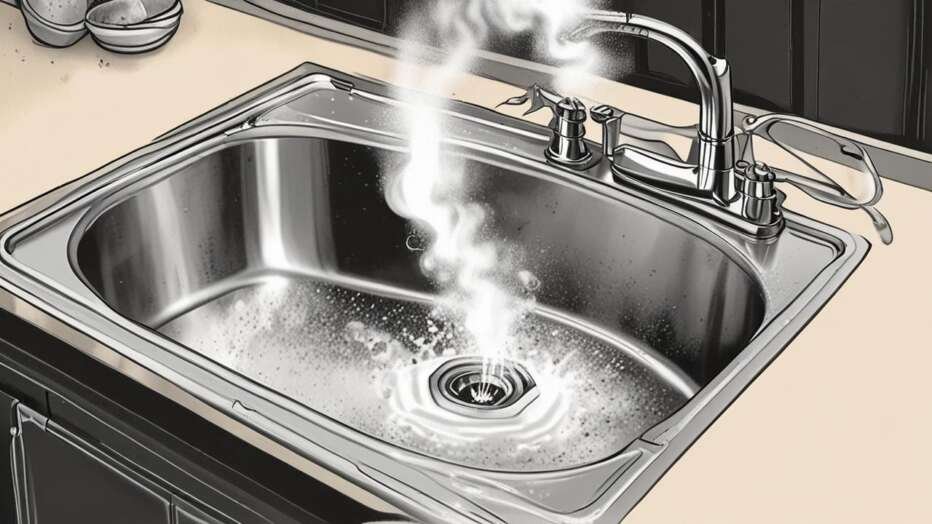
Sink hot spots are areas of extreme heat concentration that can damage the sink or cause discomfort while cleaning. Thin gauge steel transfers heat unevenly, creating scorching hot zones that can warp the basin over time.
- Boil a kettle of water (around 212°F or 100°C).
- Carefully pour the boiling water directly into the center of the sink basin.
- Wait 30 seconds, then use an infrared thermometer to measure the temperature at various points: center, sides, and corners.
- Compare the readings. A well-constructed sink will have a relatively even temperature across the basin.
If the center is significantly hotter than the sides (a difference of 20°F or more), you likely have a thin gauge sink with poor heat distribution. Quality 16-gauge sinks maintain a more uniform temperature.
| Sink Type | Center Temp (after 30s) | Side Temperature | Hot Spot Risk |
|---|---|---|---|
| 16 Gauge (undercoated) | 130°F | 125°F | Low |
| 18 Gauge (standard) | 145°F | 110°F | Moderate |
| 20 Gauge (thin) | 165°F | 90°F | High |
Tip: Hot spots are not just a comfort issue – they can cause the protective undercoating to delaminate, leading to rust and reduced sink lifespan.
Understanding the Results: Thickness vs. Sound Dampening
Your test results directly correlate to the sink’s gauge and soundproofing materials. The gauge of stainless steel refers to its thickness; a lower number means thicker, heavier steel. This thickness is the foundation of a quiet, durable sink.
- 14 Gauge: Ultra-premium. Very heavy (often 30+ lbs). Nearly silent during use. Extremely high heat capacity.
- 16 Gauge: The gold standard for most homeowners. Excellent noise reduction and heat distribution.
- 18 Gauge: Entry-level premium. Acceptable performance, but may show some noise and hot spots over time.
- 20 Gauge: Budget-level. Very thin, loud, and prone to hot spots. Often requires aftermarket soundproofing.
Sound dampening is provided by undercoating. There are two common types: spray-on coating and heavy rubberized pads. Full coverage (covering the entire underside) is far superior to thin, partial strips.
Important: A sink can have thick gauge steel but poor undercoating. Always check both. The combination determines overall noise and hot spot performance.
Common Mistakes When Testing Sink Noise and Hot Spots
Avoid these common errors to ensure your test results are accurate. Misreading the results can lead to an expensive mistake in your kitchen renovation.
- Testing an empty sink only. Water changes the acoustic properties significantly. Always run water during your test.
- Using cold water. Cold water doesn’t create the thermal stress needed to reveal hot spots. Boiling water is essential.
- Ignoring the rim. The sink’s outer rim can vibrate against the countertop, creating additional noise. Press on the rim while testing.
- Forgetting the drain. A poorly insulated drain assembly can conduct noise from the garbage disposal directly into the sink basin.
- Not checking the underside. You can’t fully evaluate stainless steel sink noise without looking at the undercoating. Use a flashlight to inspect pads and coverage.
According to feedback from kitchen installers, over 40% of sink noise complaints are actually due to improper installation rather than the sink itself. Ensure your sink is properly padded and sealed at the rim.
Top Features of a Quiet, Hot-Spot-Free Sink
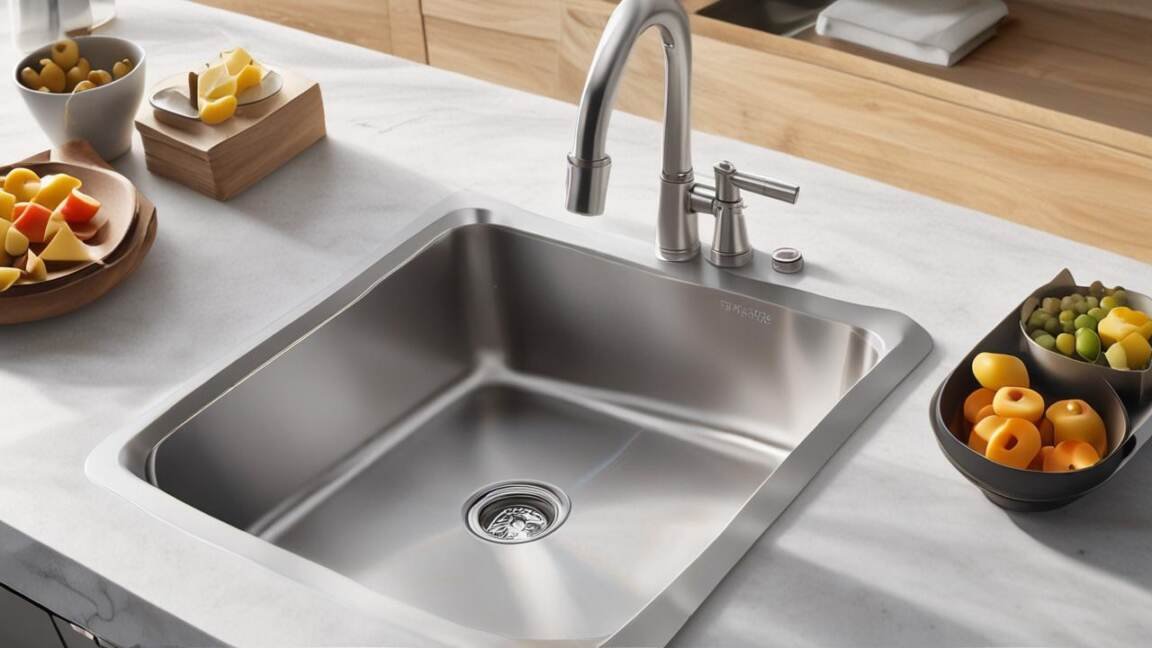
When shopping for a new sink, prioritize these features to avoid noise and hot spots entirely. The right combination of materials and design ensures a pleasant kitchen experience for years.
| Feature | Why It Matters | What to Look For |
|---|---|---|
| Thick Gauge Steel | Reduces vibration and absorbs heat. | 16 Gauge or 14 Gauge |
| Full Undercoating | Dampens sound and insulates from heat. | Heavy rubberized pads covering 80%+ of basin |
| Enclosed Bottom | Adds structural rigidity and reduces flexing. | Flat, solid base without sharp edges |
| Quality Drain Assembly | Prevents conduction of vibrations from disposal. | Drain with rubber gasket and lock-nut design |
Brands like Kraus, Ruvati, and Blanco offer models that excel in these areas. While they cost more upfront (often 2-3 times a budget sink), they deliver superior performance and longevity.
Tip: If you’re on a budget, prioritize a 16-gauge sink with spray-on undercoating. It offers 90% of the performance of a premium model at a fraction of the cost.
Frequently Asked Questions
What gauge stainless steel sink is best for noise reduction?
For superior noise reduction, choose a 16-gauge sink. It offers the best balance of weight, durability, and sound dampening. 14-gauge is heavier and quieter but much more expensive.
18-gauge is a minimum standard that will still be louder than thicker options.
What is a hot spot in a sink?
A hot spot is a localized area of excessive heat on the sink basin, usually caused by thin steel gauge or poor thermal conductivity. Thin steel heats up quickly and unevenly, creating areas that can be uncomfortable to touch and potentially damaging to the sink’s protective coating.
Do all stainless steel sinks have hot spots?
No, high-quality stainless steel sinks (16-gauge or lower) with proper undercoating distribute heat evenly and rarely develop problematic hot spots. Thin, budget sinks (20-gauge) are almost guaranteed to have hot spots during regular use.
Is an undercoated sink better for noise?
Yes, an undercoated sink is significantly better for noise reduction. The undercoating (usually a heavy rubber or polymer spray) acts as a vibration damper, absorbing the sound energy from dropping items and running water. Non-undercoated sinks ring like a bell.
How can I soundproof my existing stainless steel sink?
You can add aftermarket soundproofing mats or asphalt-based spray coatings to the underside of your sink. However, the effectiveness depends on the quality of the sink’s gauge. For thin sinks, soundproofing helps but won’t completely eliminate noise or hot spots.
Final Thoughts
Testing your stainless steel sink for noise and hot spots is a simple yet powerful way to assess its true quality. By using these straightforward methods, you can confidently identify a well-constructed sink that will serve your kitchen for decades. Don’t rely solely on brand names – rely on your own testing.

Leave a Reply