Sauté Pans & Woks

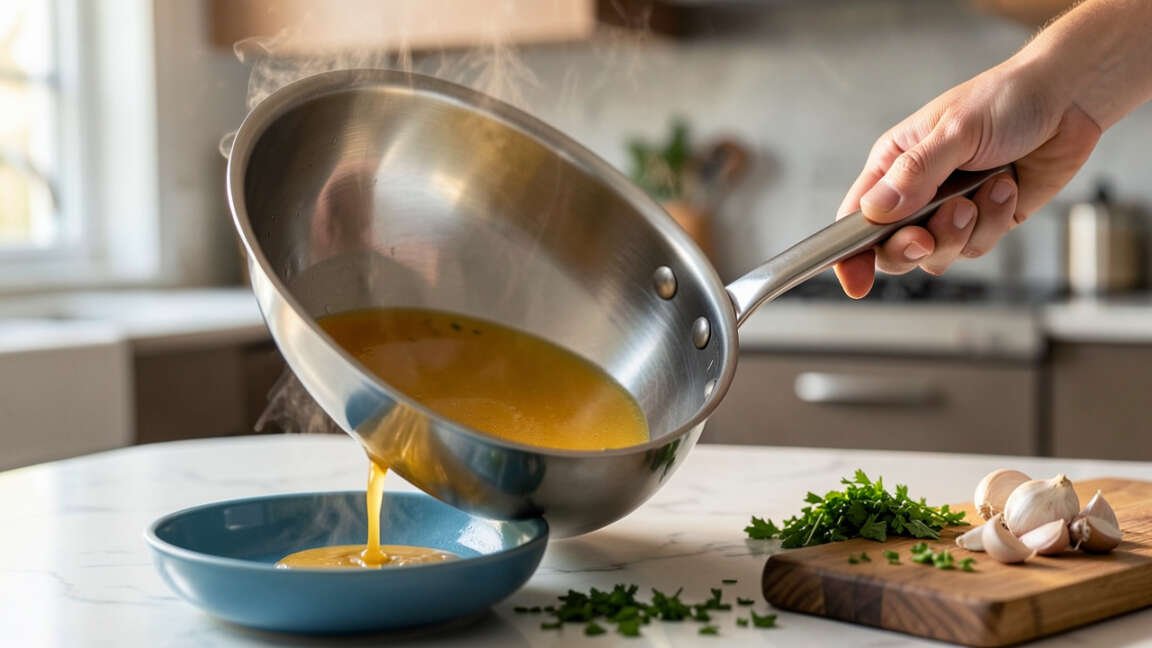
Why Sauté Pans Need a Helper Handle for One-Hand Pour Today
At a Glance A helper handle on a sauté pan provides a stable second grip point near the front, enabling safer one-hand pouring by counterbalancing the pan's weight and reducing the risk of spills and burns. Without this handle, tilting a full sauté pan with one hand becomes awkward and dangerous, often requiring two hands…

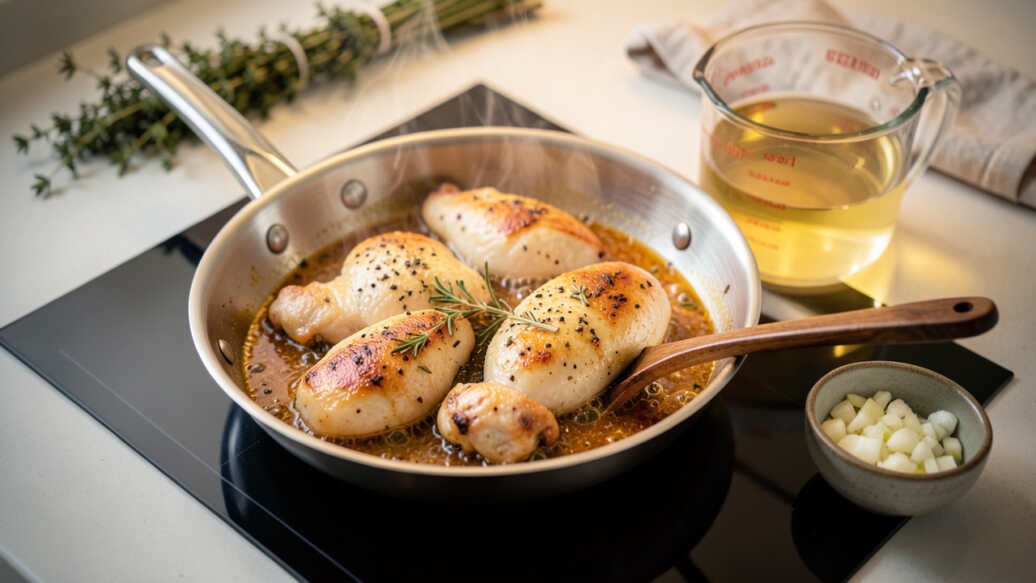
How to Pick a Sauté Pan Capacity for Chicken Thighs in Sauce
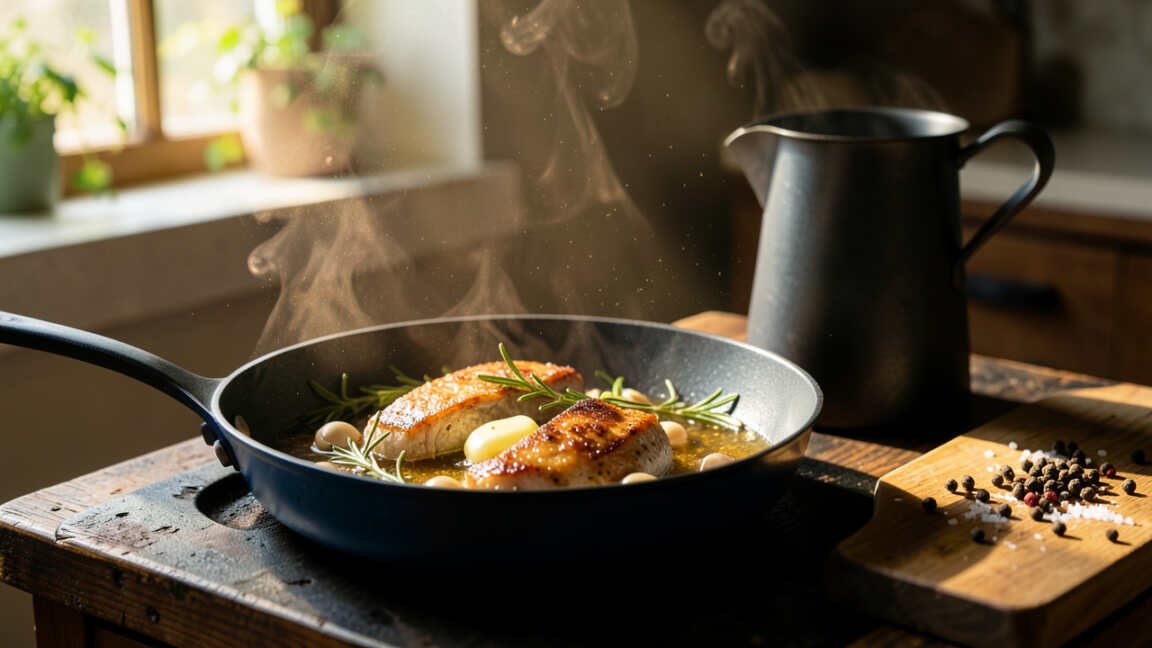
At a Glance A 3.5-quart sauté pan with a depth of 2.5 to 3 inches is the correct capacity for cooking four bone-in chicken thighs in sauce, while six or more thighs require a 5-quart pan. Matching this size prevents overcrowding that hinders browning and ensures the sauce reduces properly instead of evaporating too quickly.…

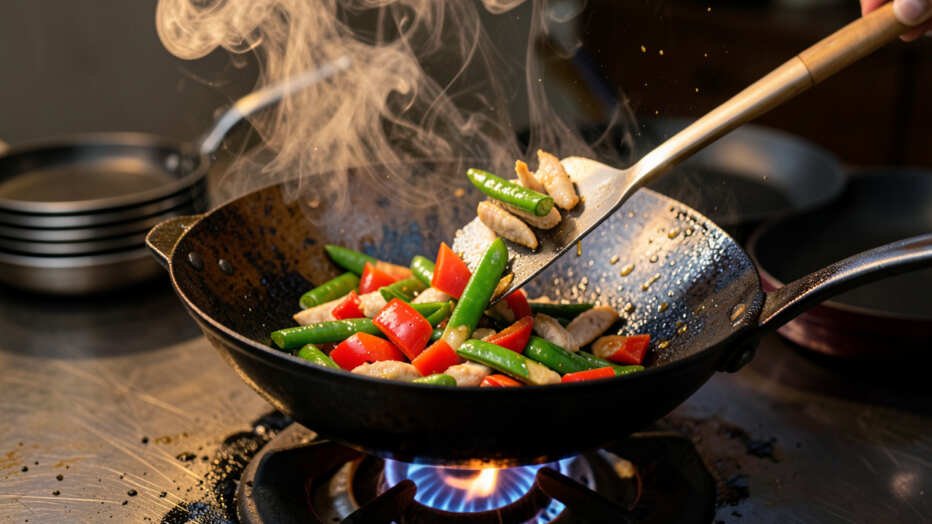
Why Carbon Steel Woks Beat Non-Stick for Stir-Fry Crisp Now
At a Glance Carbon steel woks beat non-stick for stir-fry crisp because they reach and sustain temperatures above 500 degrees Fahrenheit, which is required for the Maillard reaction and wok hei, while non-stick coatings force lower heat that steams ingredients instead of searing them. This high-heat capability allows carbon steel to create the authentic crispy,…
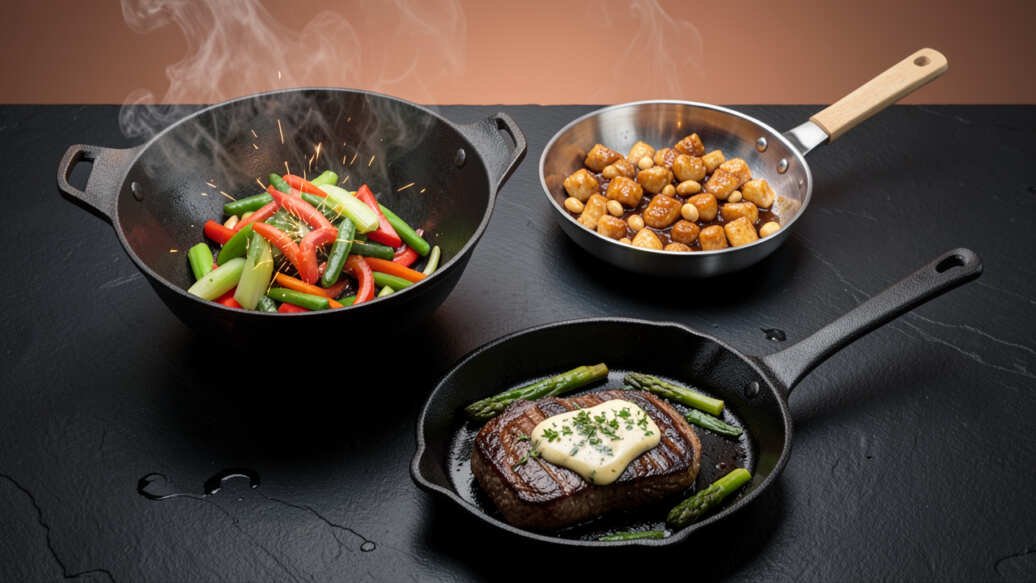
Wok vs Stir-Fry Pan vs Skillet: When Each Shape Wins Daily
At a Glance The wok wins daily for high-heat stir-fries by delivering authentic wok hei, the skillet excels at searing with even heat, and the stir-fry pan offers a hybrid compromise for electric or induction cooktops. A concave wok concentrates heat for fast cooking but needs a gas stove or ring, while a skillet’s flat…

How to Season a Carbon Steel Wok: Initial Setup Step-by-Step
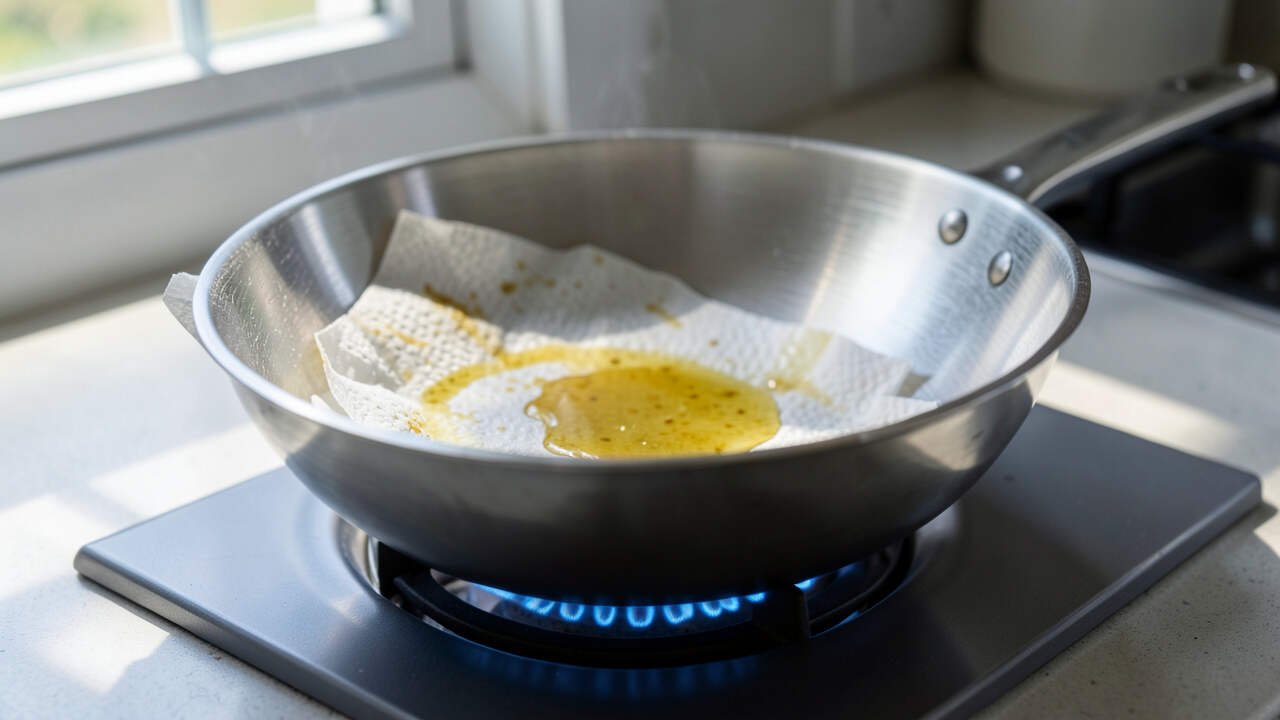
At a Glance Seasoning a carbon steel wok involves heating thin layers of high-smoke-point oil onto the metal to polymerize them into a hard, nonstick coating. The process takes about 30 to 45 minutes and requires three to five rounds, each lasting eight to ten minutes, using oils like grapeseed, flaxseed, or avocado oil. Proper…
Round-Bottom vs Flat-Bottom Wok: Stovetop Compatibility Today
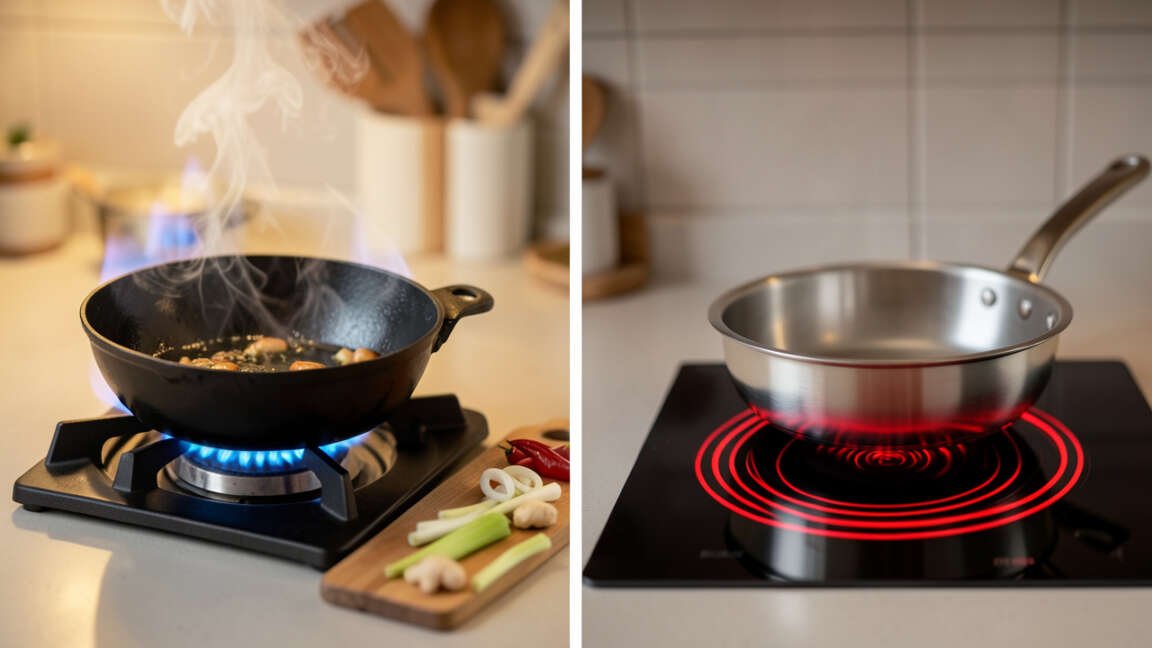
At a Glance The choice between a round-bottom and flat-bottom wok depends on your stove type, as round-bottom woks concentrate heat for authentic wok hei on gas burners while flat-bottom woks offer stability for glass-top and induction ranges. A round-bottom wok requires a wok ring for stability, making it ideal for gas stoves, but flat-bottom…
Why Most Home Cooks Wreck Their First Wok in Year One Daily
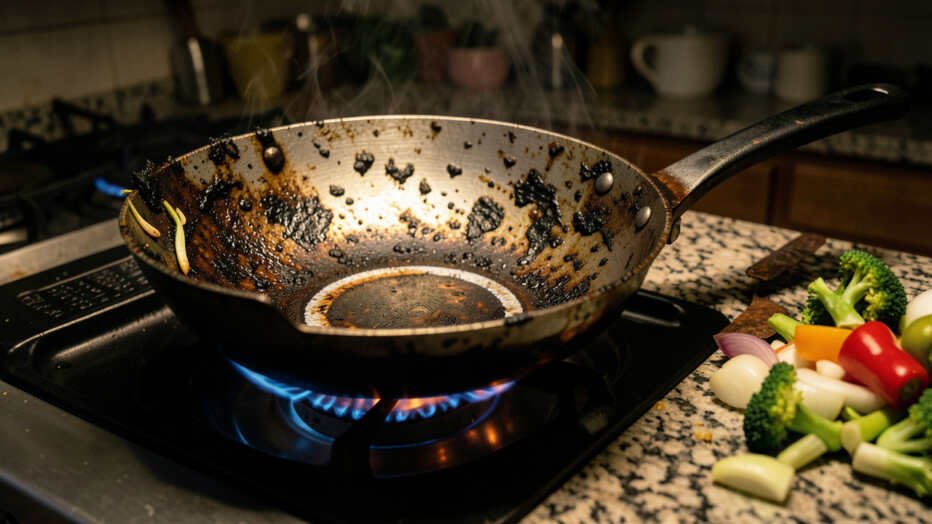
At a Glance Most home cooks ruin their first wok within the first year because they treat it like a non-stick pan, using excessive heat, soap, and abrasive scrubbers that strip the essential seasoning layer and cause rust or warping. A carbon steel wok requires initial seasoning to build a protective polymer patina, gradual heat…
How to Use a Wok on a Glass-Top Electric Hob Without Damage
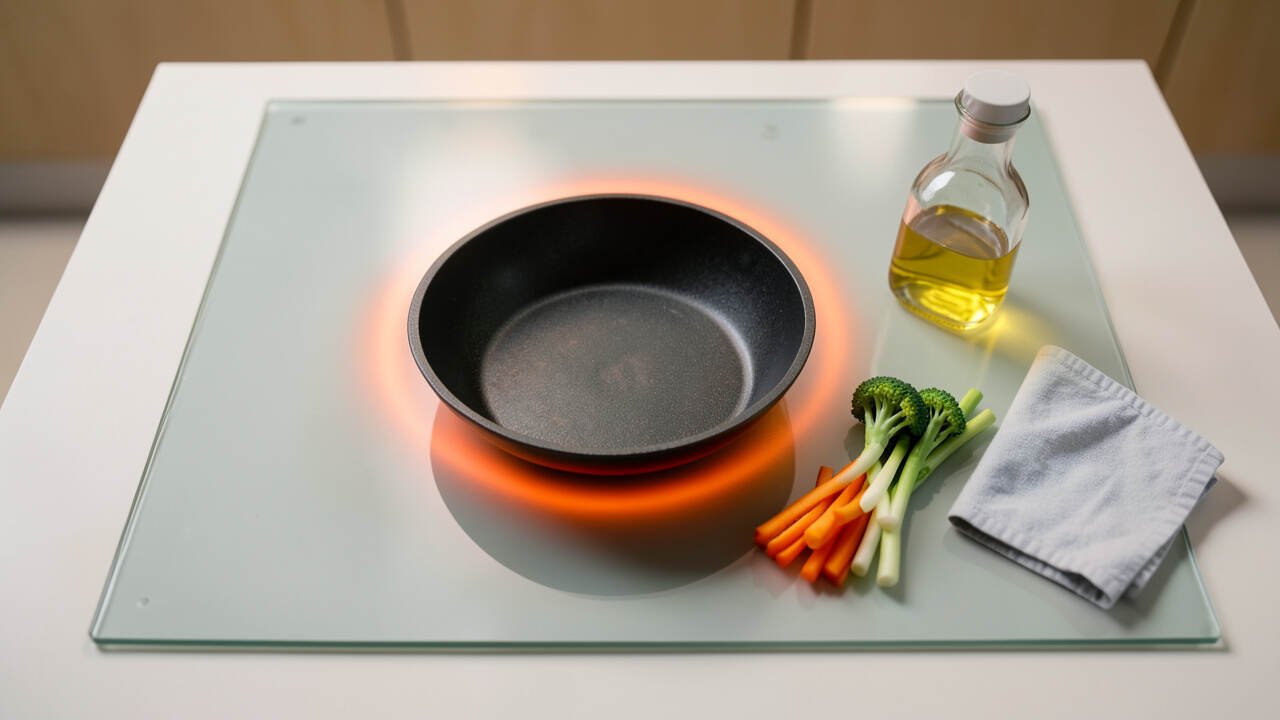
At a Glance Using a wok on a glass-top electric hob without damage requires a flat-bottomed wok made of carbon steel or stainless steel, gentle placement on a clean surface, and slow preheating on medium heat. Always lift the wok instead of sliding it to prevent scratches, and deglaze with liquid to avoid thermal shock…
Why Wide Sauté Pans Beat Tall Ones for Pan-Roasting Meat Yes
At a Glance Wide sauté pans beat tall pots for pan-roasting meat because their larger surface area allows moisture to evaporate quickly, letting the meat reach the 285°F needed for the Maillard reaction and a proper crust. Tall sides trap steam, keeping the meat's surface below 212°F until all liquid evaporates, which prevents browning and…
How to Pick a Sauté Pan Lid: Glass vs Metal Use Case Compared
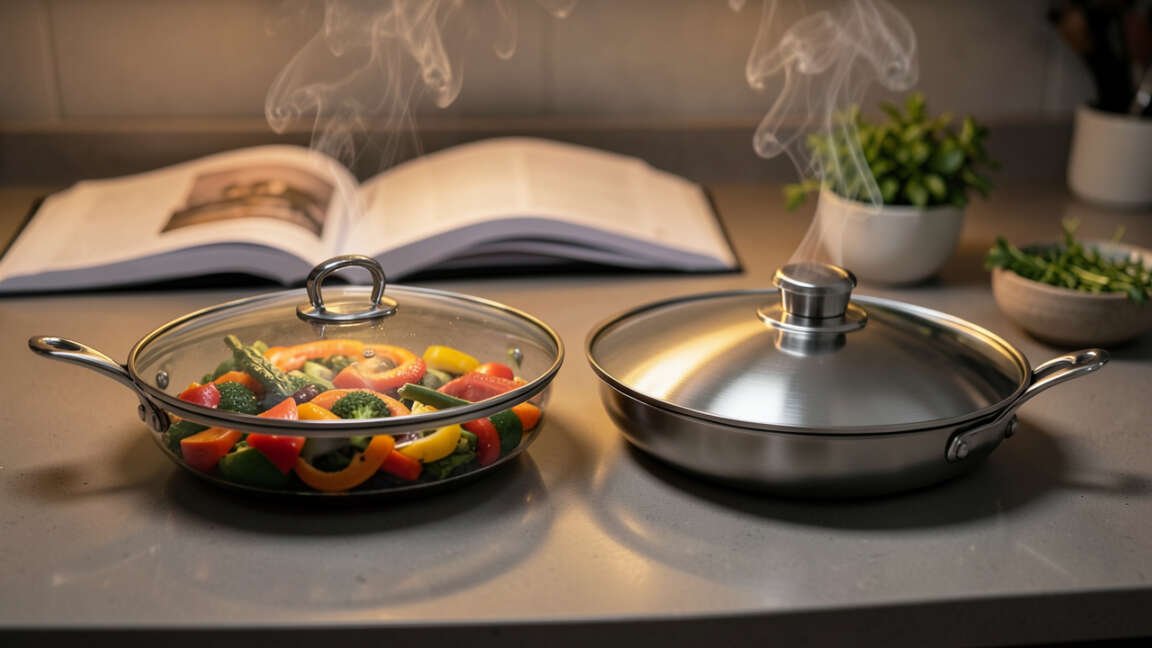
At a Glance Choosing between a glass or metal sauté pan lid depends on whether your priority is monitoring cooking progress or maximizing heat retention. Use a glass lid when you need to watch liquid levels without releasing steam, and a metal lid when you require superior heat retention, oven safety above 400°F, or a…
How to Use a Sauté Pan as a Roasting Vessel for Small Roasts
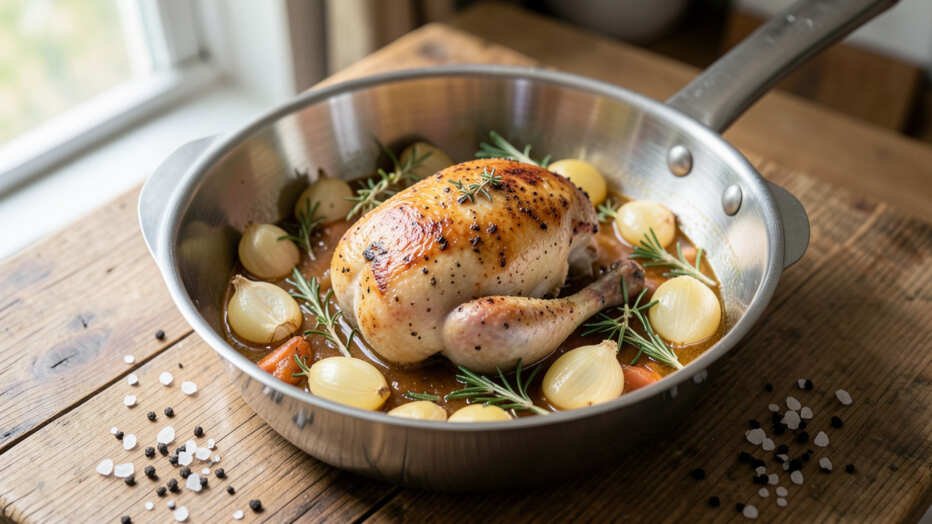
At a Glance A sauté pan can replace a traditional roasting vessel for small roasts up to four pounds, as its wide bottom and high sides promote even browning and contain splatter. To succeed, ensure the pan is oven-safe to at least 400°F and preheat it on the stovetop before searing, which improves crust formation…
Wok Hei: The Smoky Flavor Home Cooks Can Achieve Step-by-Step
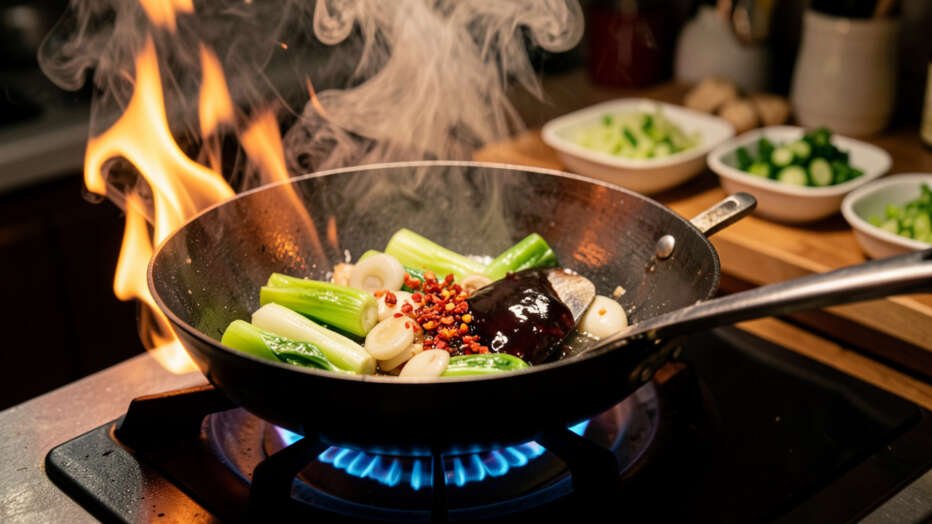
At a Glance Wok hei is the smoky, charred flavor resulting from stir-frying at temperatures exceeding 500 degrees Fahrenheit, and home cooks can achieve it by using a carbon steel wok, a high-output gas burner or outdoor propane stove, and a metal spatula. The process involves preheating the wok until it smokes, adding oil in…