
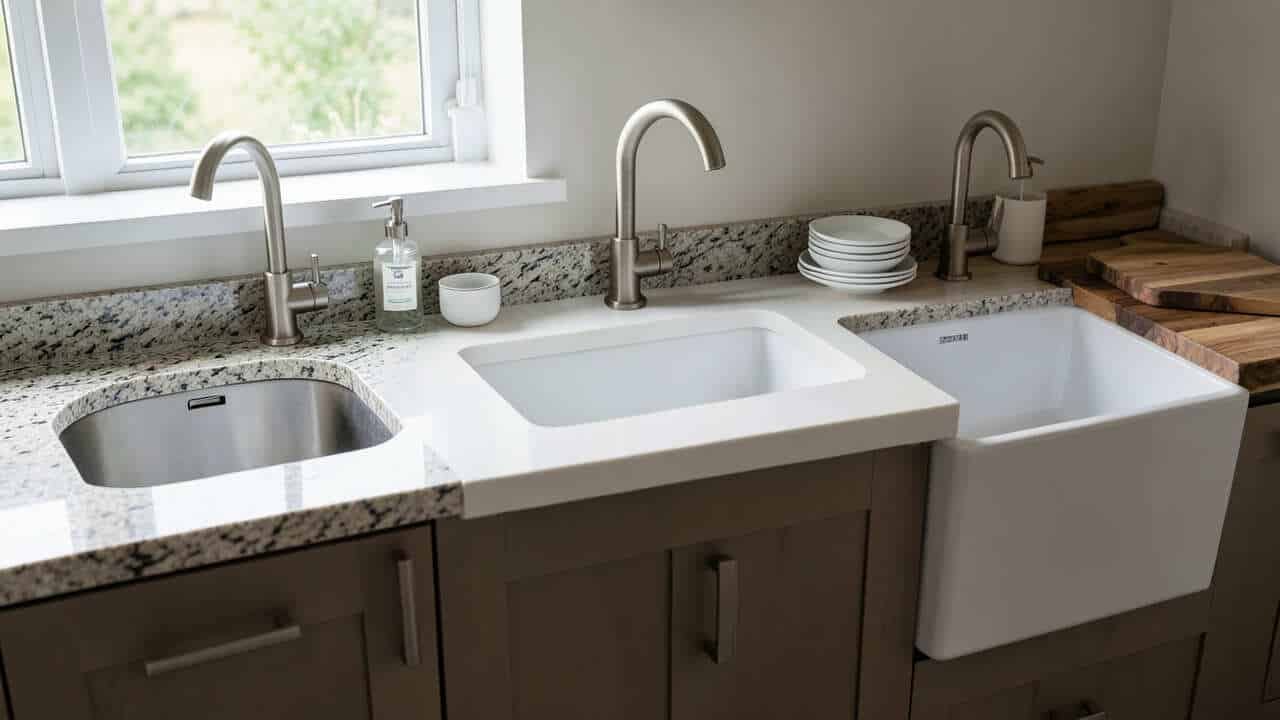
The three primary kitchen sink installation types—undermount, drop-in, and farmhouse—each offer distinct trade-offs in aesthetics, installation complexity, and countertop compatibility. Undermount sinks provide a seamless counter-to-sink transition but require solid surfaces such as granite or quartz, while drop-in sinks are the most affordable and work with any countertop material including laminate. Farmhouse sinks feature a deep, apron-front design that accommodates large cookware but typically necessitates custom cabinetry and higher installation costs, making the choice dependent on budget and renovation scope.
Choosing between undermount, drop-in, and farmhouse sink installation can make or break your kitchen renovation. The sink you select affects everything from daily cleanup ease to countertop compatibility and long-term durability.
This guide breaks down the key differences between these three popular sink types. You will learn how each style performs, what countertops work best, and which one fits your budget and lifestyle.
Simply put, undermount sinks offer a seamless, high-end look but require solid countertops. Drop-in sinks are the easiest and cheapest to install, working with any countertop material. Farmhouse sinks add a bold, deep basin style but need custom cabinetry and cost more for installation.
Key Takeaways
- Undermount sink installation delivers a sleek, rimless look that is easy to clean, but only works with solid surface countertops like granite or quartz.
- Drop-in sinks are the most budget-friendly and DIY-friendly option, compatible with laminate, tile, and solid countertops.
- Farmhouse sinks provide a deep, apron-front basin that is ideal for large pots, but require wider cabinets and professional installation.
- Your countertop material, cabinet size, and budget are the three biggest factors when choosing a sink installation style.
- Professional installation costs vary significantly by sink type, ranging from $150 for drop-in to over $800 for farmhouse sinks.
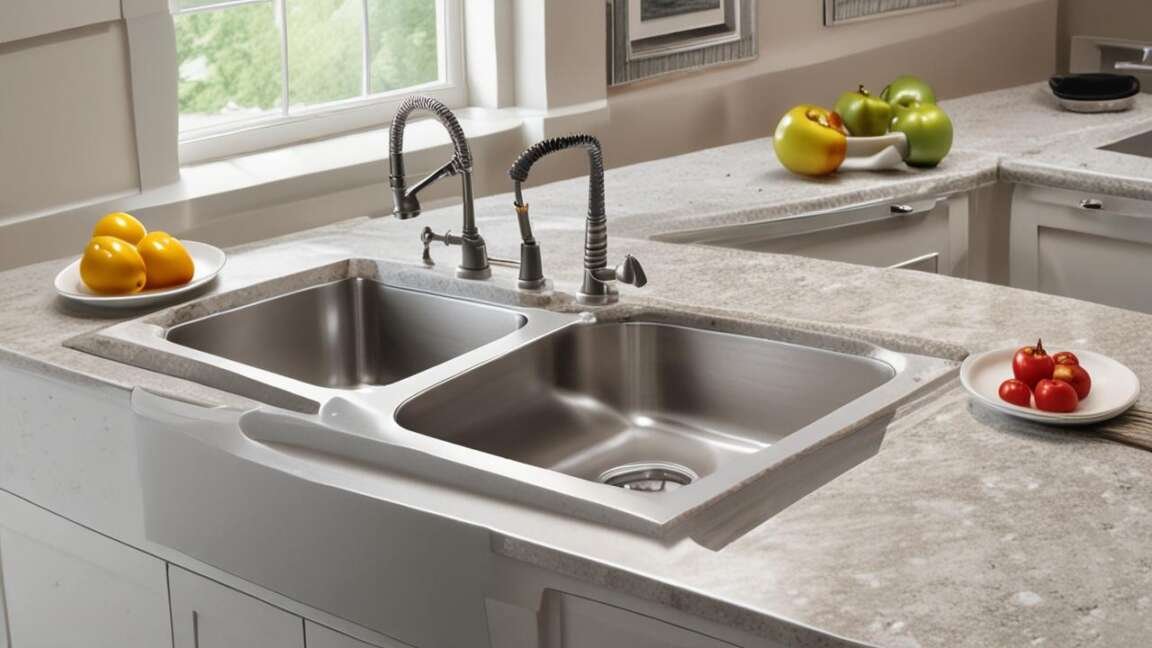
Quick Comparison: Undermount vs Drop-In vs Farmhouse Sinks
Before diving into the details, here is a side-by-side comparison of the three sink installation types. This table covers the most important factors homeowners consider during a kitchen renovation.
| Feature | Undermount | Drop-In | Farmhouse |
|---|---|---|---|
| Installation Cost | $$ (Moderate) | $ (Low) | $$$ (High) |
| DIY Difficulty | Medium | Easy | Hard |
| Countertop Compatibility | Granite, Quartz, Solid Surface | All materials including laminate | Granite, Quartz, Marble |
| Cleaning Ease | Excellent | Good | Very Good |
| Aesthetic Appeal | Sleek, modern | Traditional, visible rim | Rustic, statement look |
| Cabinet Size Needed | Standard 36 inches | Standard 33-36 inches | 36 inches minimum |
| Resale Value Impact | High | Low to Neutral | Medium to High |
This comparison shows that each sink type has clear trade-offs. Your decision should balance upfront cost, long-term usability, and the look you want for your kitchen.
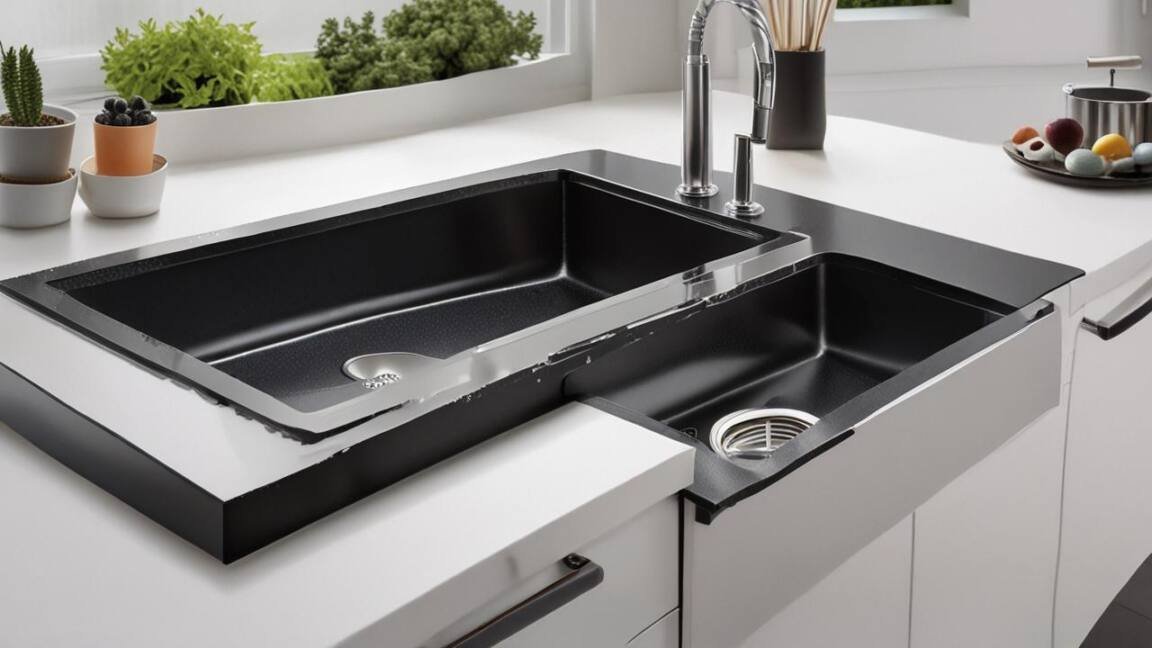
What Is an Undermount Sink and How Does It Work?
An undermount sink attaches directly to the underside of your countertop. The rim of the sink sits below the counter surface, creating a seamless, flush look with no visible lip. This design makes it one of the most popular choices for modern and contemporary kitchens.
Installation requires the sink to be clamped and glued from below using specialized brackets and silicone adhesive. Because the sink hangs from the countertop, only solid materials like granite, quartz, marble, or solid surface can support its weight. Laminate or tile countertops cannot handle the stress of an undermount sink.
Key Benefits of Undermount Sinks
- Easy counter cleaning – You can wipe crumbs and spills directly into the sink without a rim blocking the way.
- Modern aesthetic – The rimless look creates a clean, high-end appearance that appeals to home buyers.
- Maximized basin space – No rim means the usable interior area is slightly larger than a drop-in of the same size.
- Durable installation – When properly installed, undermount sinks stay secure for decades with minimal maintenance.
- Deep basin options – Many undermount models offer depths of 9 to 10 inches, ideal for washing large pots and baking sheets.
Drawbacks of Undermount Sinks
- Higher material cost – The sink itself costs 20-40% more than a comparable drop-in model.
- Professional installation required – Most homeowners cannot install these sinks correctly without experience and proper tools.
- Limited countertop compatibility – You cannot use laminate, tile, or butcher block with an undermount sink unless reinforced.
- Gap potential – Over time, the seal between sink and countertop can fail, leading to water damage if not caught early.
Tip: Choose a stainless steel undermount sink with a minimum 16-gauge thickness. Thicker steel resists dents and noise better than 18- or 20-gauge options.
What Is a Drop-In Sink and How Does It Work?
A drop-in sink (also called a top-mount sink) sits inside a hole cut into the countertop. The sink has a wide rim that rests on top of the counter surface, supporting the weight of the sink and any items placed inside. This is the oldest and most common sink installation method used in homes today.
Installation is straightforward. You cut a hole in the countertop, place the sink into the opening, and secure it with clips or brackets from below. The rim sits above the counter, so no special countertop material is required.
Drop-in sinks work with laminate, granite, quartz, tile, butcher block, and solid surface.
Key Benefits of Drop-In Sinks
- Lowest cost option – Drop-in sinks are the most affordable, with basic models starting as low as $80 to $150.
- DIY-friendly installation – A confident homeowner can install a drop-in sink in a few hours with basic tools like a jigsaw and drill.
- Works with any countertop – This is the only sink type that is compatible with laminate and tile countertops without modification.
- Easy replacement – If your sink gets damaged, removing and replacing a drop-in sink is simple and does not require countertop removal.
- Stable and reliable – The rim distributes weight evenly, reducing stress on the countertop and cabinet underneath.
Drawbacks of Drop-In Sinks
- Visible rim collects debris – Food particles, water, and grime can accumulate around the rim, requiring regular cleaning.
- Less modern look – The raised rim looks dated compared to the sleek profile of undermount or farmhouse sinks.
- Slightly smaller basin – The rim takes up space, reducing the interior basin area by about an inch on each side.
- Potential for cracking – Over-tightening the mounting clips can cause stress fractures in the sink or countertop, especially with cast iron models.
Warning: Avoid using a drop-in sink with a laminate countertop if you plan to sell your home soon. Buyers often see laminate sinks as a cheap, outdated feature and may factor replacement into their offer.
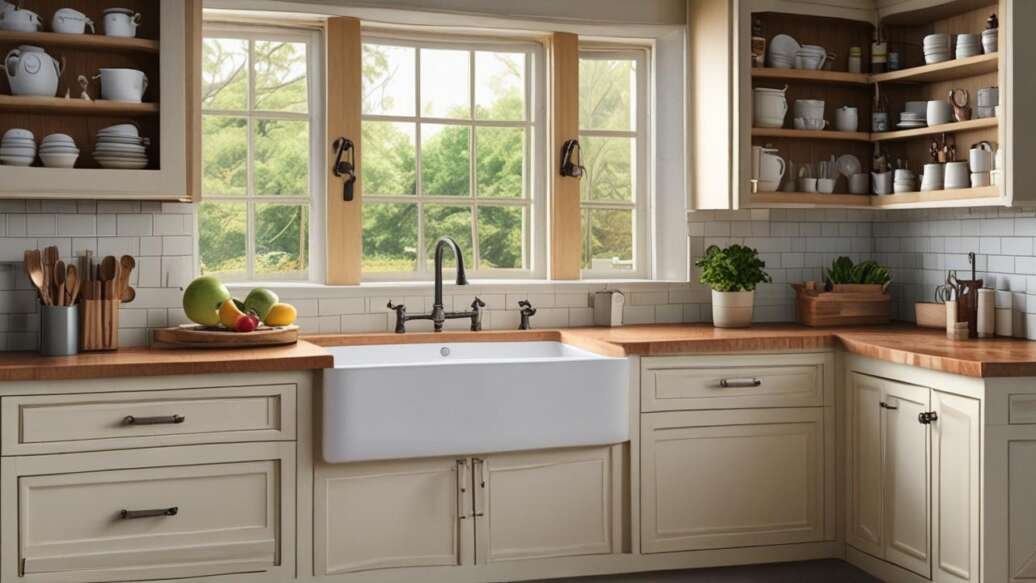
What Is a Farmhouse Sink and How Does It Work?
A farmhouse sink (also called an apron-front sink) extends past the counter edge and sits flush with the front of the cabinet. The exposed front panel
Installation is the most complex of the three types. The cabinet must be modified or custom-built to accommodate the exposed front. The sink is supported by a combination of the countertop edge and a custom base cabinet frame.
Farmhouse sinks are most commonly made from fireclay, cast iron, or stainless steel.
Key Benefits of Farmhouse Sinks
- Extra deep basin – The 9- to 12-inch depth easily handles large stockpots, roasting pans, and baking sheets.
- Statement design – The apron front creates a dramatic, high-end focal point that adds character to any kitchen.
- Ergonomic washing – The shallow front edge reduces the need to lean over, making dishwashing more comfortable for taller users.
- Increased home value – According to the National Association of Realtors, farmhouse sinks rank among the top five kitchen features that attract buyers.
- Durable materials – Fireclay and cast iron farmhouse sinks resist chipping, staining, and heat exceptionally well.
Drawbacks of Farmhouse Sinks
- High installation cost – Total installation can range from $500 to over $1,000 depending on cabinet modification and countertop work.
- Requires wider cabinet – Most farmhouse sinks need at least a 36-inch cabinet base. Standard 33-inch cabinets are often too narrow.
- Heavy weight – A fireclay or cast iron farmhouse sink can weigh 80 to 120 pounds, requiring reinforced cabinet support.
- Limited countertop compatibility – Only solid surface countertops like granite, quartz, and marble can properly support a farmhouse sink.
- Countertop cutout is permanent – Once installed, removing a farmhouse sink typically requires cutting and replacing part of the countertop.
Important: Fireclay farmhouse sinks are fired at temperatures above 2,000 degrees Fahrenheit, giving them a hard, non-porous surface that resists bacteria and staining better than cast iron with enamel coating.
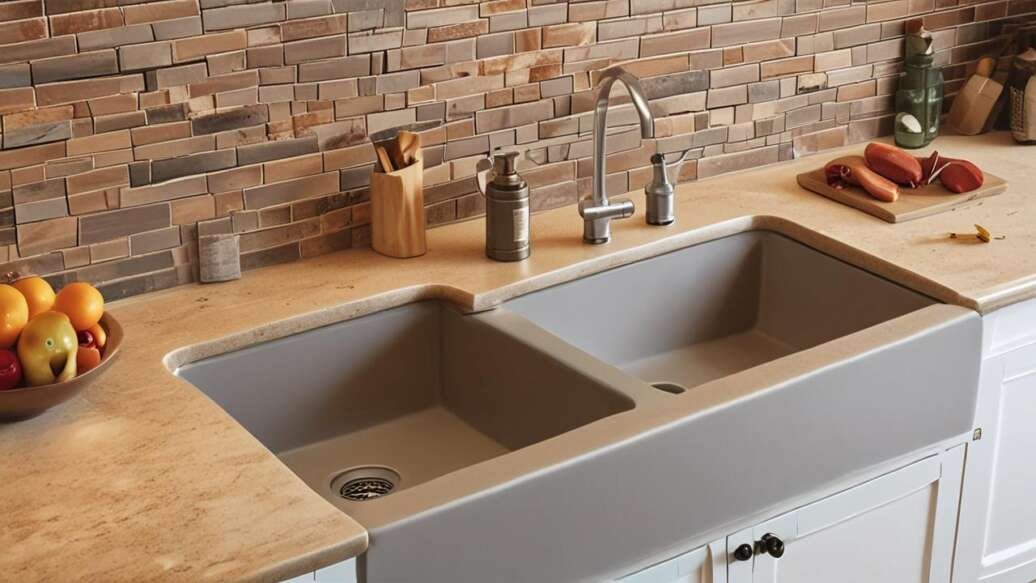
Undermount vs Drop-In vs Farmhouse: Which One Should You Choose?
Your decision depends on three main factors: countertop material, budget, and desired aesthetic. Let us break down the best scenario for each sink type based on real-world usage and expert recommendations from the National Kitchen and Bath Association.
Choose an Undermount Sink If.
- You have granite, quartz, marble, or solid surface countertops.
- You want a clean, modern look with easy counter-to-sink cleaning.
- You are willing to pay $200 to $500 for professional installation.
- You prioritize resale value and a premium kitchen appearance.
Choose a Drop-In Sink If.
- You have laminate, tile, butcher block, or any standard countertop material.
- You are on a tight budget and plan to install the sink yourself.
- You want a simple, no-fuss replacement option in the future.
- You prefer a traditional look and do not mind cleaning around the rim.
Choose a Farmhouse Sink If.
- You want a bold, rustic, or farmhouse-style kitchen design.
- You regularly wash large pots, baking sheets, or oversized cookware.
- You have at least 36 inches of cabinet space and a solid countertop.
- You are ready to invest $600 to $1,200 for the sink and professional installation.
| Scenario | Best Sink Type | Why |
|---|---|---|
| Laminate countertop, budget under $200 | Drop-In | Only drop-in works with laminate. Lowest total cost. |
| Granite countertop, modern design | Undermount | Seamless look complements stone. Easy to clean. |
| Large family, heavy cookware, rustic style | Farmhouse | Deep basin fits large pots. Apron front matches farmhouse decor. |
| DIY homeowner, first kitchen project | Drop-In | Simplest installation. Minimal tools required. |
| High-end renovation for resale | Undermount or Farmhouse | Both add perceived value. Choose based on style. |
According to the National Kitchen and Bath Association, undermount sinks are currently specified in over 60% of new kitchen designs, while farmhouse sinks appear in approximately 15% of premium renovations. Drop-in sinks remain dominant in builder-grade and budget-conscious projects.
Installation Process Comparison for Each Sink Type
Understanding the installation process helps you decide whether to DIY or hire a professional. Each sink type has a different procedure, tool requirement, and skill level needed. Below is a step-by-step overview for each installation method.
Undermount Sink Installation Steps
- Cut the countertop opening – Using the sink template, mark and cut a precise opening in the solid countertop. The opening must be slightly smaller than the sink rim.
- Apply silicone adhesive – Run a continuous bead of food-grade silicone around the underside of the countertop opening.
- Attach mounting brackets – Install metal brackets to the underside of the countertop using epoxy or screws, spaced evenly around the opening.
- Position and clamp the sink – Lift the sink into place from below, pressing it firmly into the silicone and securing it with the brackets.
- Allow 24 hours to cure – Do not use the sink for at least 24 hours to allow the silicone and adhesive to fully set.
Warning: Never use an undermount sink with a laminate countertop. The weight of the sink will cause the laminate to delaminate or crack over time, leading to costly countertop replacement.
Drop-In Sink Installation Steps
- Trace the sink outline – Place the sink upside down on the countertop and trace around the outer edge of the rim.
- Cut the hole – Use a jigsaw to cut along the traced line. For laminate countertops, cover the cut edge with laminate sealer to prevent moisture damage.
- Apply plumber’s putty or silicone – Run a bead of putty or silicone around the underside of the sink rim to create a watertight seal.
- Lower the sink into place – Carefully lower the sink into the hole and press down evenly to seat the rim against the countertop.
- Secure with clips – Attach the mounting clips from underneath and tighten them evenly. Do not overtighten.
Farmhouse Sink Installation Steps
- Modify or build the cabinet base – Remove the front panel of the cabinet and add reinforcement to support the sink’s weight.
- Cut the countertop opening – Measure carefully. The countertop must be cut with a front notch to accommodate the apron front.
- Position the sink – Slide the sink into the cabinet opening from the front. The apron should be flush with the cabinet face.
- Secure with brackets – Attach the sink to the countertop and cabinet using manufacturer-supplied brackets and silicone sealant.
- Install plumbing – Connect the drain and supply lines. Farmhouse sinks often require a special drain assembly due to the deeper basin.
Tip: When installing a farmhouse sink, use a plywood support platform underneath the sink floor. This distributes the weight evenly and prevents the sink from sagging or pulling away from the countertop over time.
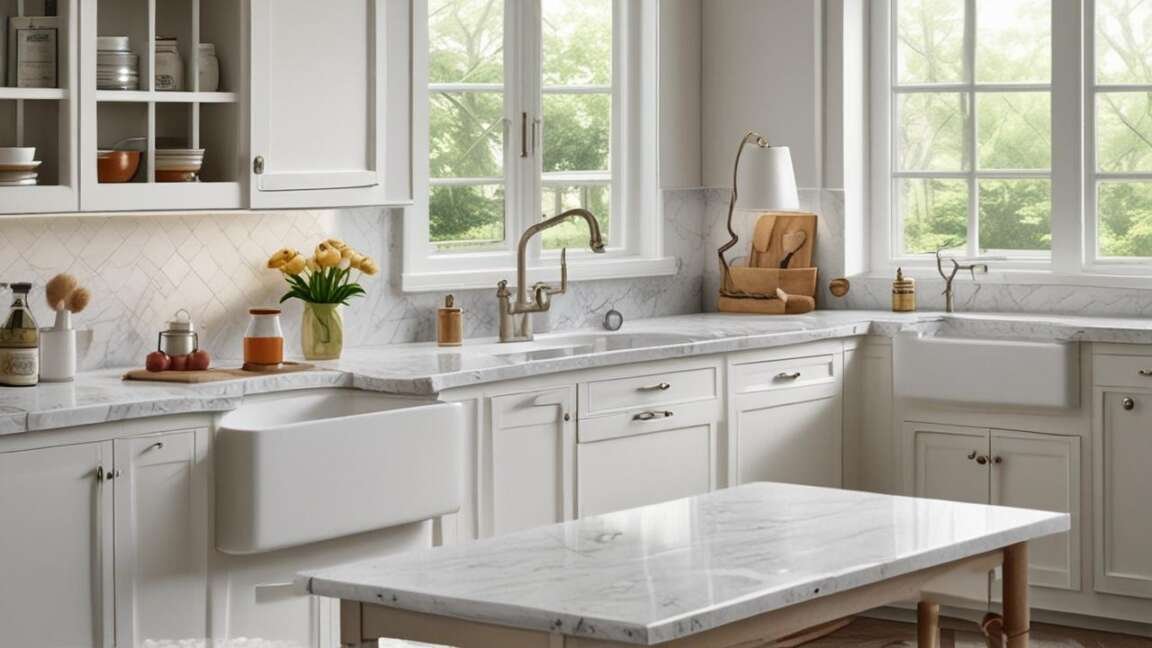
Cost Breakdown for Undermount, Drop-In, and Farmhouse Sinks
Cost is often the deciding factor for homeowners. Below is a detailed price breakdown for each sink type, including the sink itself, installation labor, and any additional materials needed.
| Cost Factor | Undermount | Drop-In | Farmhouse |
|---|---|---|---|
| Sink Price (Stainless Steel) | $150 – $400 | $80 – $250 | $400 – $900 |
| Sink Price (Fireclay) | N/A | N/A | $600 – $1,500 |
| Professional Installation | $200 – $500 | $100 – $250 | $400 – $800 |
| Countertop Modification | $0 (during install) | $0 | $100 – $300 |
| Cabinet Modification | $0 | $0 | $100 – $350 |
| Total Estimated Cost | $350 – $900 | $180 – $500 | $1,100 – $2,650 |
According to HomeAdvisor, the average cost for a sink replacement project in the United States is approximately $450. Drop-in sinks consistently come in below this average, while farmhouse installations often exceed it by a significant margin.
Tip: If you are on a budget but want the look of an undermount sink, consider a drop-in sink with a low-profile rim. Many modern drop-in models have a slim, flat rim that mimics the appearance of an undermount at a fraction of the cost.
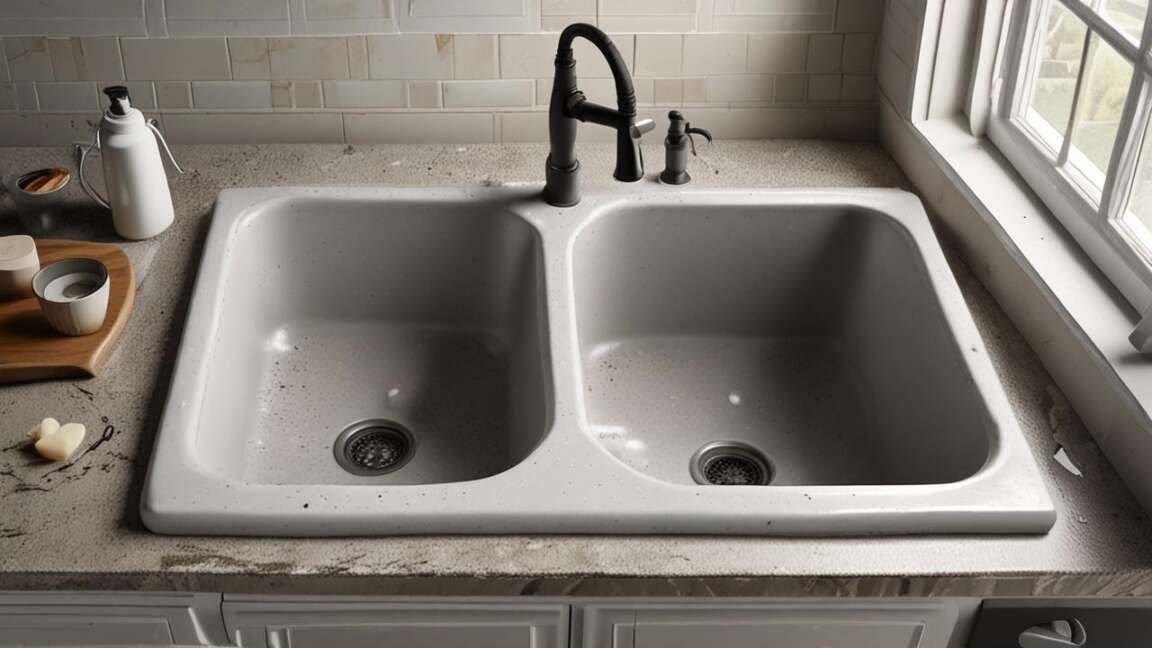
Common Mistakes to Avoid When Choosing a Sink Installation Type
Homeowners often make the same errors when selecting a sink installation style. Avoiding these mistakes can save you time, money, and frustration during your renovation.
- Choosing a farmhouse sink with a standard 33-inch cabinet – Most farmhouse sinks require a 36-inch cabinet. Forcing a farmhouse sink into a smaller cabinet leads to expensive modification or a sink that looks cramped.
- Installing an undermount sink on a laminate countertop – Laminate cannot support the weight of an undermount sink. You will end up with a cracked countertop and a compromised installation within months.
- Buying a drop-in sink without checking the rim width – Some drop-in sinks have wide, bulky rims that look dated. Measure the rim width before purchasing to ensure it matches your desired aesthetic.
- Forgetting to reinforce the cabinet for a farmhouse sink – A 100-pound fireclay sink can cause cabinet sagging or failure if the base is not reinforced with plywood or metal brackets.
- Skipping the silicone sealant on an undermount sink – Some DIYers use only brackets and no sealant. This almost always leads to water leaks and damage to the underside of the countertop.
- Not considering the faucet height with a deep farmhouse sink – A standard faucet may be too short to reach over the front edge of a 10-inch deep basin. Choose a high-arc or commercial-style faucet instead.
Important: The Home Builders Institute reports that improper sink installation accounts for nearly 12% of all kitchen warranty claims. Always follow the manufacturer’s installation guide exactly, regardless of which sink type you choose.
Frequently Asked Questions
Can I install an undermount sink with a laminate countertop?
No. Laminate countertops cannot support the weight of an undermount sink. The only sink type suitable for laminate is a drop-in sink, since the rim rests on top of the counter and distributes the weight evenly.
How long does it take to install a drop-in sink?
A drop-in sink installation typically takes 1.5 to 3 hours for a DIY homeowner with basic tools. Professional installers can complete the job in under an hour. The plumbing connections add about 30 minutes to the total time.
Are farmhouse sinks harder to clean than undermount sinks?
Farmhouse sinks are not harder to clean, but they require different cleaning methods. The deep basin holds more water and dishes, so you need to scrub lower. Undermount sinks are easier to clean because you can wipe counter debris directly into the sink without a rim in the way.
What is the best material for a drop-in sink?
Stainless steel is the most popular material for drop-in sinks because it is lightweight, affordable, and resists stains. 16-gauge stainless steel offers the best balance of durability and cost. Enameled cast iron is another good option but is significantly heavier.
Do farmhouse sinks add value to a home?
Yes. According to the National Association of Realtors, farmhouse sinks are considered a premium kitchen feature that can increase resale value by 2-4% when the design matches the overall kitchen style. However, a farmhouse sink in a modern or minimalist kitchen may not appeal to all buyers.
Final Thoughts
Choosing between undermount, drop-in, and farmhouse sink installation comes down to your countertop material, budget, and personal style. Undermount vs drop-in vs farmhouse is not a battle of which is best overall, but which fits your specific situation. Drop-in sinks work for any budget and any countertop, undermount sinks deliver a premium look and easy cleaning, and farmhouse sinks offer unmatched depth and character.
Assess your kitchen’s current setup, decide on your must-haves, and pick the installation style that matches both your practical needs and your design vision.

Leave a Reply