Slow cooker wattage does not predict cooking quality by itself; it mostly shows power draw and heating capacity. Better results come from steady temperature control, pot shape, lid fit, heat distribution, size matching, and low-setting accuracy. A higher-wattage cooker may heat faster, but consistent gentle heat is what protects tenderness, moisture, and flavour.
You’ve spent hours choosing the perfect recipe, only to find your slow cooker meal is either undercooked or a mushy mess. It’s a common kitchen frustration. Many home cooks wonder if the wattage of their slow cooker is the main culprit.
However, the truth about Slow Cooker Wattage: What Actually Predicts Cooking Quality is more nuanced. This guide will clarify what truly matters for consistent, delicious results, helping you understand your appliance better and make informed choices for future meals.
Key Takeaways
- Wattage alone is not the primary predictor of slow cooker cooking quality.
- Heating element design and placement significantly impact how evenly food cooks.
- The size of your slow cooker greatly influences temperature and cooking time.
- Lid fit and material are crucial for maintaining consistent heat and moisture.
- Understanding your slow cooker’s settings (low, high, warm) is more important than its wattage.
- Proper food preparation and cooking ratios are essential for achieving desired results.
![Slow Cooker Wattage What Actually Predicts Cooking Quality[1]](https://kitchentipsdaily.com/wp-content/uploads/2026/06/Slow_Cooker_Wattage__What_Actually_Predicts_Cooking_Quality1.jpg)
Wattage vs. Other Factors in Slow Cooking
Many people believe that a higher wattage slow cooker means faster, better cooking. This is a common misconception. While wattage indicates the power consumption, it doesn’t directly translate to cooking performance.
Think of it like a car’s horsepower; more horsepower doesn’t always mean a smoother ride. Several other elements play a much larger role in determining how well your slow cooker actually cooks.
Understanding these other factors will help you achieve consistent results, regardless of your appliance’s specific wattage. This is a key aspect of understanding Slow Cooker Wattage: What Actually Predicts Cooking Quality.
The Myth of High Wattage
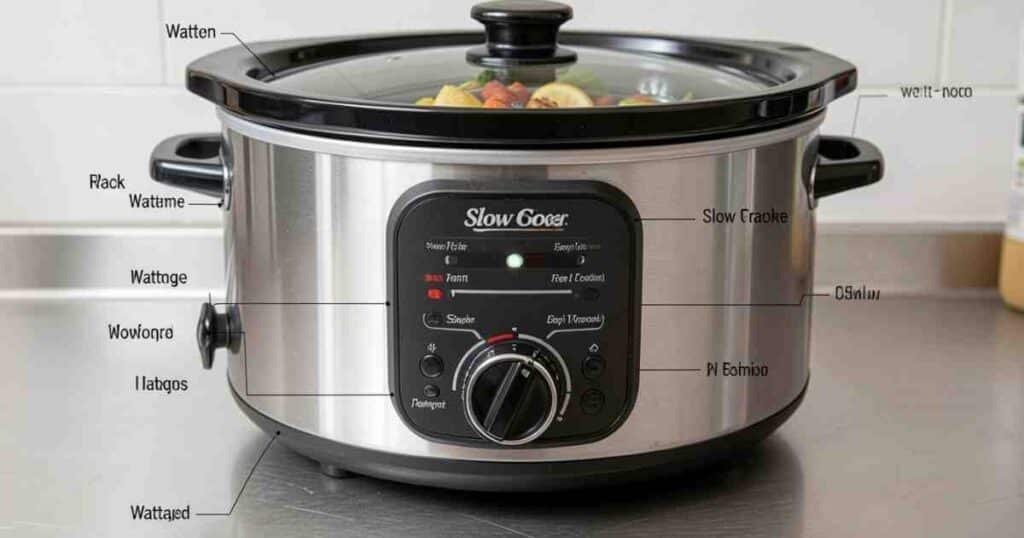
A common belief is that more watts equal more heat and thus better cooking. However, slow cookers are designed to cook at low temperatures over long periods. A very high wattage might even cause food to scorch or overcook on the edges before the center is done.
The goal is gentle, consistent heat, not rapid boiling. The design of the heating element and its distribution throughout the cooker are far more important than the total power it draws.
Focus on Heating Element Design
The way a slow cooker’s heating element is constructed and where it’s placed makes a significant difference. Most modern slow cookers have heating elements built into the sides of the crock.
Some older or less expensive models might only have a heating element at the base. This difference dramatically affects how evenly food cooks. A side-heating element generally provides more uniform heat distribution, leading to better cooking quality.
Why Even Heating Matters
Uneven heating can lead to parts of your meal being perfectly cooked while others are undercooked or burnt. This is a primary reason why simply looking at wattage can be misleading.
A slow cooker with a well-designed, evenly distributed heating element will produce superior results, even if its wattage is lower than another model. This is a crucial point when considering Slow Cooker Wattage: What Actually Predicts Cooking Quality.
The Critical Role of Slow Cooker Size
The capacity of your slow cooker is a much stronger indicator of cooking performance than its wattage. The volume of food inside the cooker affects how quickly it heats up and how hot it gets.
A larger slow cooker generally requires more time to reach the desired cooking temperature, and its internal temperature might be slightly lower than a smaller one when cooking the same amount of food.
Matching Food to Cooker Size
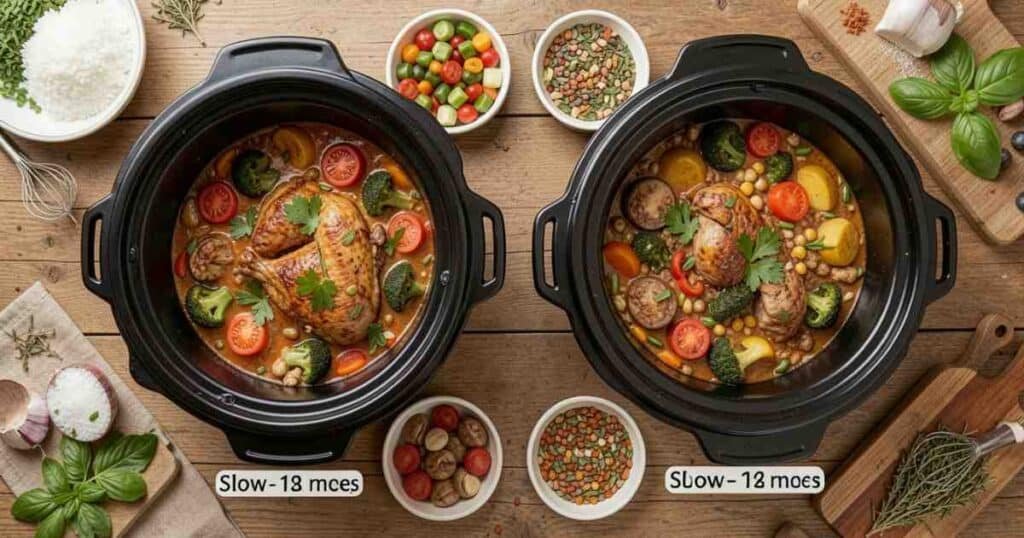
It’s important to match the amount of food you are cooking to the size of your slow cooker. If you fill a large slow cooker too little, the liquid can evaporate too quickly, leading to dry food. If you overfill a small slow cooker, the food may not cook evenly because the heat cannot circulate properly. Recipes are often developed with specific slow cooker sizes in mind.How Size Impacts Temperature
A 6-quart slow cooker will heat differently than a 4-quart model. The surface area to volume ratio changes. In a smaller cooker, the food is closer to the heating element, which can lead to faster cooking. In a larger cooker, there’s more mass to heat, so it takes longer.
This is why cooking times can vary significantly between different-sized slow cookers, even if they have similar wattages. This relationship between size and heat is a key factor in Slow Cooker Wattage: What Actually Predicts Cooking Quality.
The Importance of a Tight-Fitting Lid
The lid is a crucial component that often gets overlooked. A slow cooker’s primary function is to trap heat and moisture, creating a moist cooking environment.
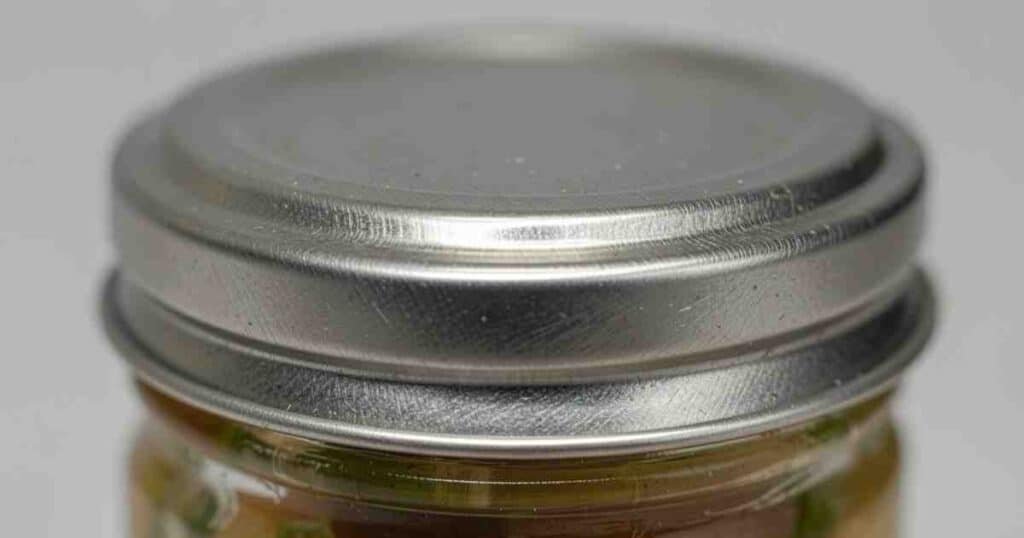
This is achieved by the lid sealing snugly against the stoneware insert. If the lid is loose or doesn’t fit well, steam will escape, and the internal temperature will fluctuate.
Steam Escape and Temperature Fluctuations
When steam escapes, the slow cooker has to work harder to maintain its temperature. This means longer cooking times and potentially drier food.
A tight-fitting lid ensures that the heat and moisture remain inside, allowing the food to cook evenly and tenderly. This consistent environment is far more important than the wattage.
Lid Materials and Their Impact
Lids are typically made of glass or ceramic. Glass lids are popular because they allow you to monitor the cooking process without lifting the lid, which prevents heat loss.
However, the quality of the seal is paramount, regardless of the material. A well-designed glass lid with a good seal is ideal for optimal slow cooking performance.
Understanding Your Slow Cooker’s Settings
The settings on your slow cooker-usually Low, High, and Warm-are designed to cook food at different temperatures over varying durations.
Knowing how these settings work and when to use them is more critical for successful cooking than knowing the wattage. Each setting represents a specific temperature range that is crucial for tenderizing meats and melding flavors.
Low Setting: The Long and Slow Approach
The Low setting typically cooks food at around 200°F (93°C). This setting is ideal for recipes that require longer cooking times, such as tough cuts of meat or dried beans.
It allows flavors to develop slowly and deeply, resulting in very tender results. This is the cornerstone of slow cooking and is less about wattage and more about sustained, gentle heat.
High Setting: A Faster, Still Gentle Cook
The High setting usually cooks food at around 300°F (149°C). This setting is for when you have less time. It’s still a slow cooking method, but it will finish your meal in about half the time of the Low setting. It’s important to note that High is not meant for searing or boiling rapidly; it’s a slightly more intense version of the slow cook.
Warm Setting: Holding Your Food
The Warm setting is designed to keep food at a safe serving temperature after it has finished cooking. It is not intended for active cooking. Using the Warm setting for extended periods can sometimes lead to overcooked food if it’s left on for many hours.
How Wattage is Measured and Why It’s Misleading
When manufacturers list wattage, it’s usually the maximum power the appliance draws when it’s heating up. This peak wattage is rarely maintained throughout the entire cooking cycle. The heating element cycles on and off to maintain the set temperature.
Therefore, the average power consumption is often much lower than the listed wattage. This is a key reason why Slow Cooker Wattage: What Actually Predicts Cooking Quality is a complex question.
Peak Wattage vs. Average Wattage
A 150-watt slow cooker might draw 150 watts initially to heat up. Once it reaches temperature, it might only draw 75-100 watts to maintain it.
A 200-watt model might draw 200 watts initially but then cycle down to 120-150 watts. The difference in actual cooking performance between these two might be negligible because the cycling and temperature regulation are more important.
The Standard for Slow Cooker Temperatures
The U.S. Food and Drug Administration (FDA) recommends that slow cookers reach and maintain a temperature of 140°F (60°C) or higher to prevent bacterial growth.
Most slow cookers, regardless of wattage, are designed to easily exceed this temperature on both Low and High settings. The real difference lies in how efficiently and evenly they achieve and maintain these temperatures.
Comparing Cooker Types: Wattage vs. Performance
Let’s look at how different types of slow cookers might compare, focusing on factors beyond just wattage.
| Initial Heat-Up Time | Slightly longer | Slightly shorter |
| Temperature Consistency | Can be excellent with good design (lid, heating element) | Can be excellent with good design (lid, heating element) |
| Evenness of Cooking | Highly dependent on heating element placement and lid fit | Highly dependent on heating element placement and lid fit |
| Risk of Scorching | Lower | Higher (if element is too intense or poorly placed) |
| Energy Consumption | Lower overall | Higher overall |
As you can see, wattage is just one piece of the puzzle. A well-designed lower-wattage cooker can outperform a poorly designed higher-wattage one. This highlights that Slow Cooker Wattage: What Actually Predicts Cooking Quality is not a simple equation.
Tips for Better Slow Cooking Results
Regardless of your slow cooker’s wattage, you can improve your results by following these tips:
- Read your recipe carefully: Ensure it’s designed for slow cookers and consider the size of your appliance.
- Don’t overfill: Leave at least an inch of space at the top of the insert.
- Use the right amount of liquid: Too little liquid can lead to dryness, too much can dilute flavors.
- Cut ingredients uniformly: This ensures even cooking.
- Avoid lifting the lid: Resist the urge to check on your food too often. Each lift can add 15-20 minutes to the cooking time.
- Consider browning meats: While not always necessary, browning meats before adding them to the slow cooker can enhance flavor and texture.
- Adjust cooking times: If you’re using a different size cooker than the recipe specifies, adjust your cooking time accordingly.
These practices address the core principles of slow cooking: consistent temperature, even heat distribution, and moisture retention, all of which are more impactful than the wattage itself.
What About “Smart” Slow Cookers?
Many modern slow cookers come with digital controls, programmable timers, and even app connectivity. While these features offer convenience, they don’t inherently change the fundamental cooking principles.
A smart slow cooker still relies on its heating element design, lid fit, and internal temperature regulation. The wattage might be listed, but its significance remains secondary to the overall engineering of the appliance.
Programmable Features
Digital timers allow you to set a specific cooking duration. Some even have auto-shutoff features. This convenience is great for busy schedules.
However, the actual cooking temperature and evenness are still determined by the internal mechanics, not the digital interface.
App Connectivity
Some high-end models let you monitor and adjust settings via a smartphone app. This is useful for checking on your meal from another room or adjusting the time if you're running late.
Again, these are convenience features that don’t alter the basic physics of how your food cooks. The underlying Slow Cooker Wattage: What Actually Predicts Cooking Quality remains consistent. The design of an even heating element is critical for consistent slow cooking results.
Frequently Asked Questions Of Slow Cooker Wattage: What Actually Predicts Cooking Quality
What is a good wattage for a slow cooker?
There isn’t a single “good” wattage. Most slow cookers between 4 and 7 quarts operate between 100 and 250 watts. Focus more on the cooker’s design, lid fit, and consistent heating rather than just the wattage number.
Does a higher wattage slow cooker cook faster?
Not necessarily. While a higher wattage might help it heat up slightly faster, the cooking time is more dependent on the cooker’s ability to maintain a consistent, even temperature, which is influenced by its design and lid seal, not just its peak wattage.
Should I buy a slow cooker based on wattage?
No, wattage should not be your primary consideration. Look for reviews that discuss even cooking, lid fit, and reliable temperature settings. The size of the slow cooker is also a more significant factor than its wattage.
How do I know if my slow cooker is cooking at the right temperature?
You can use a food thermometer to check the internal temperature of your food. For safety, it should reach at least 165°F (74°C) in most recipes. Recipes designed for slow cookers usually aim for temperatures that tenderize meat without overcooking, typically in the 200-300°F range on High and lower on Low.
Can I use a recipe for a 6-quart slow cooker in a 4-quart one?
Yes, but you’ll likely need to adjust the cooking time. A 4-quart cooker may cook faster because the food is closer to the heating element and the ratio of food to surface area is different. Start checking for doneness earlier.
Does the material of the slow cooker insert matter?
Most slow cooker inserts are made of stoneware, which retains heat well and distributes it evenly. Ceramic is another material. The key is how well the stoneware or ceramic is heated by the element and how evenly it transfers that heat to the food.
Is wattage important for slow cooker durability?
Wattage itself doesn’t directly predict durability. The quality of materials, construction, and the reliability of the heating element and thermostat are more important factors for long-term durability.
Final Thoughts
When aiming for delicious slow-cooked meals, remember that Slow Cooker Wattage: What Actually Predicts Cooking Quality is a combination of factors, with wattage being the least important. Prioritize a good lid seal, even heating element design, and appropriate cooker size.
These elements, combined with understanding your cooker’s settings, will consistently yield better results than focusing on mere wattage. Selecting the appropriate cooker size helps ensure even cooking and food safety.

Leave a Reply