
![The Forgotten ‘Fireless Cooker’ Of 1910 Insulated Box Cooking Before Slow Cookers[1]](https://kitchentipsdaily.com/wp-content/uploads/2026/06/The_Forgotten_‘Fireless_Cooker_Of_1910__Insulated_Box_Cooking_Before_Slow_Cookers1.jpg)
The forgotten fireless cooker of 1910 was an insulated box that finished cooking food after a pot was first heated on a stove.
Also called a haybox or retained-heat cooker, it trapped heat with hay, straw, stone, or insulation. It saved fuel, reduced supervision, and anticipated the slow cooker’s promise of low-effort cooking.
Imagine a time when the kitchen wasn’t filled with the hum of electric appliances. Our grandparents and great-grandparents relied on ingenuity and simple physics to get meals cooked. They had a clever solution for slow-cooked meals that predates modern kitchen gadgets.
This ancient method, known as The Forgotten ‘Fireless Cooker’ of 1910: Insulated Box Cooking Before Slow Cookers, offers a fascinating glimpse into historical cooking.
By understanding this early approach, you’ll gain insights into efficient food preparation that can boost your cooking knowledge and perhaps even inspire new kitchen habits. This post will help you appreciate the roots of modern convenience cooking.
Key Takeaways
- Fireless cookers used retained heat instead of active fire, relying on insulated boxes to trap heat from pre-boiled food and continue cooking it slowly over time.
- They were an early form of energy-efficient cooking, designed to reduce fuel use in households when heating resources were expensive or limited.
- Cooking success depended heavily on insulation quality and timing, since there was no active temperature control once the food was sealed inside the box.
- They directly influenced modern slow cookers and thermal cooking concepts, proving that low-and-slow cooking methods existed long before electric appliances.
![The Forgotten ‘Fireless Cooker’ Of 1910 Insulated Box Cooking Before Slow Cookers[1]](https://kitchentipsdaily.com/wp-content/uploads/2026/06/The_Forgotten_%E2%80%98Fireless_Cooker_Of_1910__Insulated_Box_Cooking_Before_Slow_Cookers1.jpg)
Why Early Insulated Cooking Still Matters
Long before the convenience of electric slow cookers, home cooks found ingenious ways to prepare meals. They understood that retaining heat was key to tender, flavorful dishes. This foundational principle is what makes understanding the fireless cooker so relevant today.
It highlights the power of insulation and slow, gentle cooking. Learning about these methods can deepen our appreciation for modern appliances and the science behind them. It’s a journey back to basics that still holds valuable lessons for today’s busy kitchens.
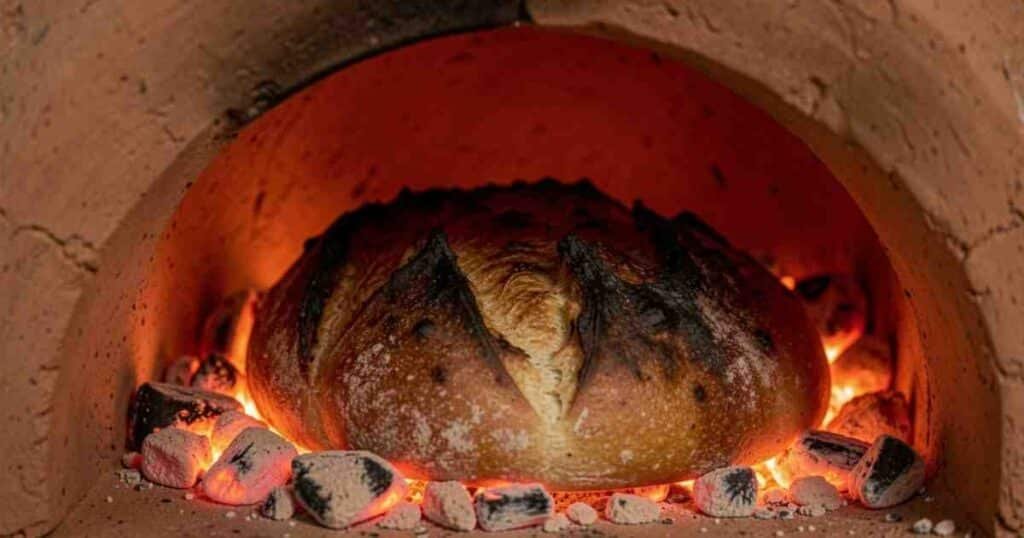
The Ingenuity of the Fireless Cooker
The fireless cooker was a marvel of simple engineering. It was essentially a well-insulated box. This box allowed food to continue cooking long after it was removed from the heat source.
Think of it as a passive cooking device. It used stored heat to gently cook meals over several hours. This was a significant advancement for households.
It meant less constant tending to the stove. It also allowed for more flexibility in meal preparation. The basic concept is incredibly effective.
The core idea behind The Forgotten ‘Fireless Cooker’ of 1910: Insulated Box Cooking Before Slow Cookers was heat retention. Early models were often made of wood or metal. They were lined with insulating materials.
Common insulators included hay, straw, sawdust, or even newspapers. A metal insert pot held the food. This pot was heated on a regular stove.
Then, it was placed inside the insulated outer box. The lid was sealed tightly. The residual heat from the initial heating did the rest of the work.
Materials and Construction
The construction of these early devices varied. However, the principle remained the same: trap heat. A typical fireless cooker might have had an outer casing and an inner pot.
The space between them was filled with insulating material. Some designs were quite elaborate. Others were simple DIY projects.
The key was to create an airtight seal. This prevented the precious heat from escaping. The better the insulation, the longer the food would stay hot and continue to cook.
This was crucial for tenderizing tougher cuts of meat and cooking grains thoroughly.
How Fireless Cookers Worked
The operation of a fireless cooker was straightforward. It relied on a two-stage cooking process. First, the food was placed in the inner pot.
This pot was then heated on a conventional stove. It needed to reach a boiling point or a very hot temperature. The duration of this initial heating depended on the food.
Meats often required a longer initial heating period. Grains and vegetables might need less. Second, once heated, the pot was quickly transferred into the insulated outer box.
The lid was secured tightly. The insulating material then worked its magic. It kept the heat contained.
This allowed the food to cook slowly and evenly for hours.
The science behind it is simple thermodynamics. Heat transfer occurs from warmer objects to cooler ones. By surrounding the hot pot with insulating material, heat loss was minimized.
This created a stable, high-temperature environment. Food continues to cook at temperatures above 140°F (60°C). The fireless cooker maintained temperatures well within this range.
This ensured food safety. It also allowed for the breakdown of connective tissues in meat. This resulted in incredibly tender results.
This was a major advantage over other cooking methods available at the time.
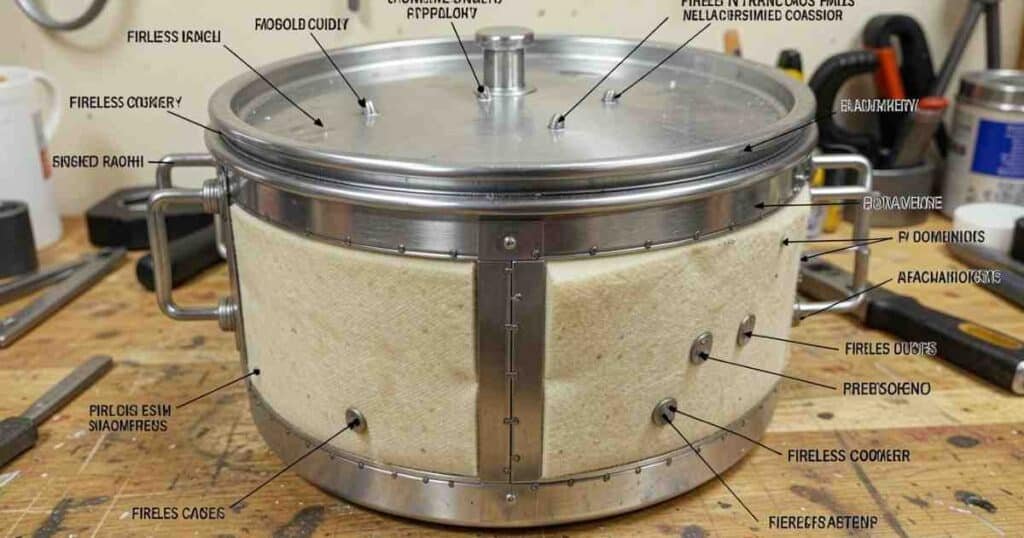
The Role of Residual Heat
Residual heat was the star of the show. The initial heating step was critical. It provided the energy for the slow cooking process.
Without enough initial heat, the food would not cook through. However, over-heating was generally not an issue. The insulation prevented the temperature from climbing too high.
It also prevented it from dropping too quickly. This steady, gentle cooking was ideal for many dishes. It could transform tough ingredients into succulent meals.
The concept is remarkably similar to how modern slow cookers operate, just without the electricity.
Benefits of Early Insulated Cooking
The fireless cooker offered numerous advantages to households. It was a labor-saving device. Cooks didn’t need to stand over a hot stove for hours.
They could prepare a meal in the morning. Then, they could set it to cook. This freed them up for other chores or activities.
This was particularly important in busy households. It also contributed to fuel savings. Less time spent on the stove meant less fuel consumed.
This was a significant economic benefit. The ability to cook unattended also improved kitchen safety. It reduced the risk of fires or burns.
- Labor Savings: Reduced the need for constant stove attention.
- Fuel Efficiency: Consumed less fuel compared to open fires or stovetops.
- Consistent Results: Provided tender and evenly cooked food.
- Food Safety: Maintained safe cooking temperatures for extended periods.
- Flexibility: Allowed for meal preparation to be done ahead of time.
The convenience of The Forgotten ‘Fireless Cooker’ of 1910: Insulated Box Cooking Before Slow Cookers cannot be overstated. It allowed for meals to be ready when families were. This was a luxury for many.
It also meant that even less-than-ideal cuts of meat could be made palatable. The slow, moist heat broke down tough fibers. This made for delicious stews and roasts.
It was a smart way to make the most of available ingredients.
Comparing Fireless Cookers to Modern Slow Cookers
The modern slow cooker is a direct descendant of the fireless cooker. Both rely on the principle of low, slow cooking. However, the methods of achieving this differ.
Slow cookers use electricity to generate heat. They have precise temperature controls. Fireless cookers relied on initial heating and insulation.
The results are often very similar. Both methods produce tender, flavorful food. Both offer convenience and fuel efficiency.
Understanding The Forgotten ‘Fireless Cooker’ of 1910: Insulated Box Cooking Before Slow Cookers helps us appreciate the evolution of kitchen technology.
| Heat Source | Initial stovetop heating, then residual heat | Electric heating element |
| Temperature Control | Relies on insulation and initial heat level | Thermostatically controlled (Low, High, Warm settings) |
| Portability | Generally stationary, can be heavy | Portable, often with carrying handles |
| Energy Source | Stove fuel (wood, coal, gas) | Electricity |
| Cooking Time | Variable, dependent on initial heating and insulation | Preset times or manual settings |
| Ease of Use | Requires initial heating and careful sealing | Plug in and set controls |
The key difference lies in the active versus passive heating. A slow cooker actively maintains its temperature. A fireless cooker passively retains the heat it was given.
This means that the success of a fireless cooker depended more on the cook’s understanding of heat. They needed to know how long to preheat. They also needed to ensure a good seal.
Modern slow cookers are more forgiving. They offer a simpler user experience for many. But the fundamental goal of gentle, prolonged cooking is shared.
The Decline of the Fireless Cooker
Several factors led to the decline of the fireless cooker. The widespread adoption of electricity was a major one. Electric stoves and eventually electric slow cookers offered even more convenience.
They removed the need for initial stovetop heating. They also provided more consistent temperature control. Furthermore, changing lifestyles meant less time for meal preparation.
The simplicity of plug-and-cook appliances became more appealing. The fireless cooker, while ingenious, required a bit more forethought and knowledge of heat dynamics.
The rise of mass-produced kitchen appliances also played a role. Companies began offering a wide range of electric gadgets. These were often marketed heavily.
They promised easier, faster cooking. The fireless cooker, often a homemade or less standardized item, couldn’t compete with this modern marketing push. Its technology was perceived as old-fashioned.
Even though The Forgotten ‘Fireless Cooker’ of 1910: Insulated Box Cooking Before Slow Cookers was highly effective, it was gradually replaced by newer innovations.
A Resurgence of Interest?
Despite its decline, there's a growing interest in historical cooking methods. This is driven by a desire for simpler living. It's also fueled by an appreciation for sustainable practices.Some people are rediscovering the fireless cooker. They see its potential for energy efficiency. They appreciate its ability to produce delicious food without constant attention.
DIY fireless cooker projects are gaining popularity online. People are experimenting with modern insulating materials. They are adapting the old principles for contemporary kitchens.
This shows that the core idea remains valuable.
Modern Adaptations and DIY Fireless Cookers
Today, the spirit of the fireless cooker lives on. People are creating their own versions. These modern adaptations often use readily available materials.
Insulated coolers, like those used for picnics, are a popular base. These coolers already have excellent insulation. Adding a metal pot that has been preheated on the stove is the key.
The cooler acts as the insulated box. This makes it a very accessible way to try fireless cooking. It requires no electricity.
It’s a fantastic way to experiment with slow cooking principles.
First, select a good quality cooler. Ensure it has a tight-fitting lid. Second, prepare your food in a pot on the stove.
Bring it to a boil or a very hot simmer. Third, carefully transfer the hot pot into the cooler. Seal the cooler lid tightly.
Leave the food to cook for several hours. This method is perfect for stews, chili, grains, and even some desserts. It’s a practical application of The Forgotten ‘Fireless Cooker’ of 1910: Insulated Box Cooking Before Slow Cookers.
Benefits of Modern DIY Fireless Cooking
Building and using a DIY fireless cooker offers several advantages. It’s an economical approach to slow cooking. You can create a highly effective cooking device for minimal cost.
It’s also an environmentally friendly option. It uses no electricity. This reduces your carbon footprint.
Furthermore, it’s a fun project. It connects you to historical cooking practices. It allows you to experiment with different recipes.
The results can be incredibly satisfying. You get tender, flavorful meals with very little active effort.
The Science of Heat Retention in Cooking
Understanding heat retention is fundamental to cooking. It’s the principle behind many cooking methods. Insulation plays a crucial role.
Materials that trap air are excellent insulators. Air is a poor conductor of heat. This is why materials like hay, straw, and fiberglass are effective.
They create pockets of air. These pockets slow down heat transfer. In the case of The Forgotten ‘Fireless Cooker’ of 1910: Insulated Box Cooking Before Slow Cookers, the goal was to minimize heat loss to the surrounding environment.
This kept the food at a consistent cooking temperature for extended periods.
Conduction, convection, and radiation are the three ways heat moves. A fireless cooker aims to reduce all three. Conduction is minimized by the insulating materials.
Convection is reduced by sealing the box tightly. Radiation is also somewhat contained by the insulated walls. This creates a closed system where heat is recycled.
The food heats the air inside the pot. This hot air then heats the food. The insulated box prevents this heat from escaping.
This is why a well-made fireless cooker can keep food hot for a very long time.
Practical Applications Beyond the Fireless Cooker
The principles of heat retention are applied in many areas. Insulated food carriers keep meals warm during transport. Thermoses keep beverages hot or cold.
Even modern homes benefit from good insulation. This reduces energy needed for heating and cooling. In cooking, understanding these principles can improve results.
For example, letting a dish rest after cooking allows heat to distribute evenly. This is a mini-application of the fireless cooker’s principle. It’s about managing heat effectively.
Frequently Asked Questions Of The Forgotten ‘Fireless Cooker’ Of 1910: Insulated Box Cooking Before Slow Cookers
What exactly was a fireless cooker?
A fireless cooker was an insulated box used for slow cooking food. Food was heated on a stove and then placed inside the insulated box to cook using residual heat.
How did The Forgotten ‘Fireless Cooker’ of 1910: Insulated Box Cooking Before Slow Cookers work without electricity?
It worked by retaining the heat from an initial stovetop heating process. The insulated box prevented the heat from escaping, allowing the food to cook slowly over several hours.
What materials were used to insulate fireless cookers?
Common insulating materials included hay, straw, sawdust, newspapers, wool, or felt. These materials trapped air, which is a poor conductor of heat.
Can I still use a fireless cooker today?
Yes, you can. Modern insulated coolers can be adapted for fireless cooking by preheating a pot on the stove and placing it inside the cooler.
What kinds of food are best suited for fireless cooker cooking?
Tougher cuts of meat, stews, soups, grains like rice or oats, and beans are excellent candidates for fireless cooking due to the gentle, prolonged cooking time.
How long does food typically cook in a fireless cooker?
Cooking times vary greatly depending on the food and how long the pot was initially heated. Meats might cook for 4-8 hours, while grains could be ready in 2-4 hours.
Final Thoughts
Exploring The Forgotten ‘Fireless Cooker’ of 1910: Insulated Box Cooking Before Slow Cookers reveals the cleverness of past generations. The historical insulated box, known as a haybox, is a predecessor to modern slow cookers.
These early insulated boxes show that efficient, slow cooking is not a new concept. Understanding this historical method highlights how simple physics can create delicious meals with minimal energy.
Embrace the principles of heat retention in your own kitchen.

Leave a Reply