
Boiling water faster with a lid is true because the lid reduces heat lost through evaporation and convection. More of the burner’s energy stays inside the pot, so the water reaches 100°C sooner.
The lid does not raise the boiling point much at normal pressure; it simply helps conserve heat and speeds the warm-up phase.
You’ve probably stood at the stove, pot of water on, waiting impatiently for it to boil. Maybe you’ve wondered if putting a lid on it actually makes a difference, or if it’s just an old wives’ tale. This common kitchen question touches on some basic physics.
Understanding the science behind Boiling Water Faster With a Lid: True or False (With Thermodynamics) can help you save time and energy in the kitchen. By the end of this, you’ll know exactly why and how a lid impacts your boiling time, leading to quicker meal prep and less wasted heat.
Key Takeaways
- A lid significantly speeds up the process of boiling water by trapping heat.
- The principles of thermodynamics, specifically heat transfer and energy conservation, explain this phenomenon.
- Convection and evaporation are the primary ways heat escapes from an uncovered pot.
- A lid reduces heat loss, allowing the water to reach its boiling point more rapidly.
- This simple kitchen hack can lead to measurable energy savings over time.
- Applying this knowledge improves kitchen efficiency and reduces cooking times.
![Boiling Water Faster With A Lid True Or False (With Thermodynamics)[1]](https://kitchentipsdaily.com/wp-content/uploads/2026/06/Boiling_Water_Faster_With_A_Lid__True_Or_False_With_Thermodynamics1.jpg)
The Science Behind Heat Loss in Uncovered Pots
When you’re trying to boil water, the goal is to transfer energy from your heat source to the water until it reaches its boiling point.
An uncovered pot is like an open door for heat to escape. Heat doesn’t just stay in the water; it wants to spread out into the surroundings.
This natural tendency is a core concept in thermodynamics.
Several processes work together to carry heat away from an open pot. The most significant are convection and evaporation. Convection happens as hot water at the surface transfers heat to the cooler air above it.
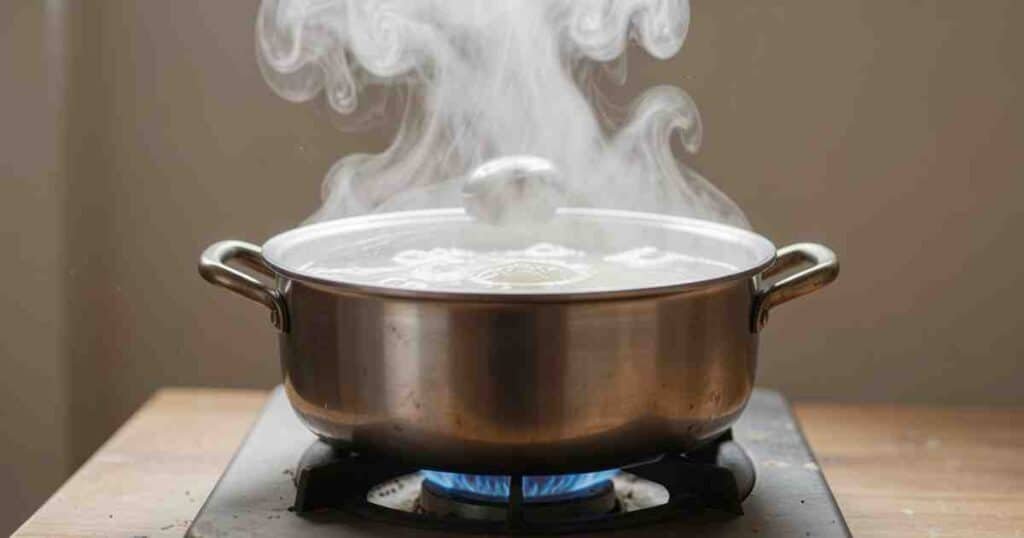
This heated air then rises and is replaced by more air, creating a continuous cycle that carries heat away. Evaporation is the process where water molecules at the surface gain enough energy to turn into steam and escape into the air. This phase change requires a lot of energy, effectively cooling the remaining water.
How a Lid Traps Heat and Speeds Up Boiling
Putting a lid on your pot is like closing that open door. The lid acts as a barrier, significantly reducing the rate at which heat can escape. This is where the magic of Boiling Water Faster With a Lid: True or False (With Thermodynamics) truly comes into play.
The lid primarily combats heat loss through convection and evaporation. By covering the pot, you prevent the hot, moist air from rising and escaping. Instead, this warm air is trapped above the water’s surface.
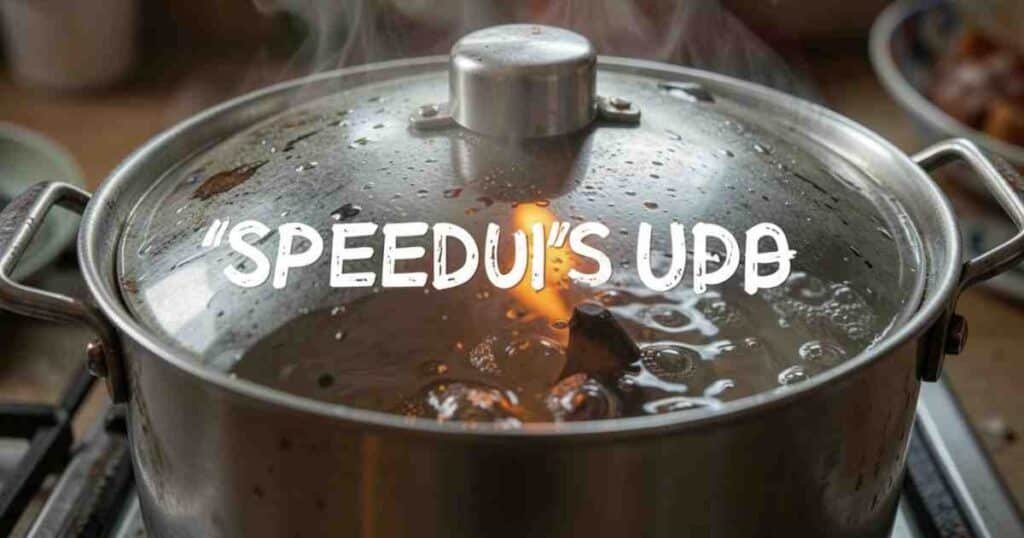
This creates a pocket of hotter air, which then transfers heat back to the water more efficiently. Less hot air escaping means less heat energy being wasted.
Evaporation is also greatly reduced. When water evaporates, it turns into steam and leaves the pot. This process uses a considerable amount of energy.
With a lid on, the steam can't escape as easily. It condenses back into liquid water on the cooler underside of the lid and drips back into the pot. This recycling of water and the energy it carries helps maintain the heat within the pot, bringing it closer to boiling temperature faster.
Thermodynamic Principles at Play
The effectiveness of a lid is rooted in fundamental thermodynamic principles. Thermodynamics is the study of heat and its relation to other forms of energy. The core idea is that energy tends to move from hotter objects to cooler objects.
This is known as the second law of thermodynamics.
In an uncovered pot, heat is transferred from the stove to the water. Once the water heats up, heat is lost to the surrounding air through radiation, convection, and evaporation. The rate of heat loss determines how quickly the water reaches its boiling point.
A lid acts to slow down these heat loss mechanisms.
Specifically, the lid increases the thermal resistance of the system. It creates a boundary that is less permeable to heat transfer. This means more of the energy supplied by the stove stays within the pot, contributing to raising the water’s temperature.
The concept of Boiling Water Faster With a Lid: True or False (With Thermodynamics) is a direct application of these energy transfer principles.
The Role of Convection and Evaporation
To truly understand why a lid works, we need to look closer at convection and evaporation. Convection is the transfer of heat through the movement of fluids (liquids or gases). In an uncovered pot, the hot water at the surface heats the air above it.
This hot air rises, and cooler air moves in to take its place. This creates a continuous flow that carries heat away from the water.
Evaporation is a phase change where liquid water turns into water vapor (steam). This requires a significant amount of energy, known as the latent heat of vaporization. When water evaporates from the surface of an open pot, it takes this energy with it, cooling the remaining water.
The faster the evaporation, the more energy is lost, and the longer it takes to boil.
A lid significantly disrupts both of these processes. It traps the hot air, preventing the convective currents that carry heat away. It also creates a saturated atmosphere above the water, reducing the rate of evaporation.
Some steam might still escape from small gaps, but the majority is contained, and the condensation process helps retain heat. This is why Boiling Water Faster With a Lid: True or False (With Thermodynamics) is definitively true.
Comparing Lidded vs. Unlidded Pots
Let’s look at a practical comparison. Imagine you have two identical pots of water, each with the same amount of water. One pot has a lid, and the other does not.
Both are placed on identical burners set to the same heat level.
| Heat Loss | High (via convection & evaporation) | Low (trapped heat) |
| Convection | Active escape of hot air | Reduced escape; heat trapped |
| Evaporation | Rapid loss of water & energy | Significantly reduced; condensation occurs |
| Time to Boil | Longer | Shorter |
| Energy Efficiency | Lower | Higher |
As the table shows, the lidded pot will reach its boiling point much faster. This is because the lid prevents the rapid escape of heat. The energy from the stove is more effectively used to raise the water’s temperature.
This comparison clearly illustrates the impact of a lid, proving that Boiling Water Faster With a Lid: True or False (With Thermodynamics) is a factual statement.
Practical Benefits and Energy Savings
Beyond just getting your pasta water ready faster, using a lid has tangible benefits. The most obvious is the time saved. In busy kitchens, shaving minutes off cooking times can make a big difference.
This is especially true for tasks that require boiling large volumes of water, like cooking grains or preparing stocks.
There are also energy savings to consider. When you boil water faster, you use less energy from your stove. Whether you have an electric or gas stove, this translates to lower utility bills over time.
While the savings per boiling session might seem small, they add up, especially if you cook frequently. This makes the simple act of using a lid a smart energy-saving habit.
The question of Boiling Water Faster With a Lid: True or False (With Thermodynamics) is answered with a resounding “true” when you consider these practical advantages. It’s a simple yet effective way to optimize your cooking process.
When Not to Use a Lid
While using a lid is generally beneficial, there are specific cooking situations where leaving the lid off is preferable. The primary reason is to control the rate of evaporation, which is crucial for certain cooking methods.
For instance, when reducing sauces or simmering stews, you want the liquid to evaporate slowly. This concentrates the flavors and thickens the dish. If you were to use a lid, the liquid would boil too rapidly, and the flavors wouldn’t develop as intended.
In these cases, an uncovered pot allows for controlled evaporation.
Another scenario is when you need to monitor the water level closely. If you're steaming vegetables, you might want to see how much water is left in the pot to ensure it doesn't run dry. Similarly, when poaching eggs, a gentle simmer is desired, and the bubbling activity from an uncovered pot can be too vigorous.
So, while Boiling Water Faster With a Lid: True or False (With Thermodynamics) is true for reaching boiling point, understanding when not to use a lid is equally important for successful cooking.
Types of Lids and Their Effectiveness
Not all lids are created equal. The material and design of a lid can affect how efficiently it traps heat. Generally, heavier lids made of materials like stainless steel or cast iron are more effective than lighter, thinner ones.
A good lid will form a tight seal around the rim of the pot. This minimizes gaps where steam and hot air can escape. Some lids have a vent hole, which is designed to release excess steam.
While this can prevent boiling over, it also allows some heat to escape, slightly slowing down the boiling process compared to a perfectly sealed lid without a vent.
For the fastest boiling, a heavy, well-fitting lid with no vent is ideal. However, for practical cooking, a standard lid that fits reasonably well is sufficient to make a noticeable difference. The U.S. Department of Energy offers practical advice on energy saving in the kitchen.
The core principle of Boiling Water Faster With a Lid: True or False (With Thermodynamics) holds true regardless of minor lid variations.
Frequently Asked Questions Of Boiling Water Faster With A Lid: True Or False
Question: Does putting a lid on a pot truly make water boil faster?
Answer: Yes, putting a lid on a pot significantly speeds up the time it takes for water to boil. This is due to thermodynamic principles that reduce heat loss.
Question: What scientific principles explain why a lid helps water boil faster?
Answer: The main principles are reduced heat loss through convection and evaporation, explained by thermodynamics, which keeps more energy within the pot.
Question: Is boiling water faster with a lid: true or false (with thermodynamics)?
Answer: It is definitively true. Thermodynamics explains that trapping heat with a lid reduces energy escape, allowing water to reach boiling point more quickly.
Question: How much faster can water boil with a lid?
Answer: The exact time saved varies, but it can be anywhere from 20% to 50% faster depending on the pot, lid, and heat source. This demonstrates the impact of Boiling Water Faster With a Lid: True or False (With Thermodynamics).
Question: Are there any downsides to boiling water with a lid?
Answer: The main downside is that it can lead to boiling over if the heat is too high, and it prevents controlled evaporation needed for some cooking methods like reducing sauces.
Question: Does the material of the lid matter for boiling water faster?
Answer: Yes, heavier lids that create a tighter seal tend to be more effective at trapping heat than lighter ones, further supporting the concept of Boiling Water Faster With a Lid: True or False (With Thermodynamics).
Final Thoughts
Using a lid is a simple yet effective way to boil water more quickly. Thermodynamics explains this phenomenon by showing how a lid traps heat, reducing energy loss through convection and evaporation. This saves you time and energy in the kitchen, making it a fundamental cooking hack.

Leave a Reply