
High-BTU hobs for home cooking are useful mainly for frequent wok cooking, fast boiling, hard searing, and large-batch cooking.
Most daily cooking works well on moderate burners, because control, pan contact, flame focus, and ventilation matter more than raw output. Higher BTU can waste heat indoors, overheat pans, and make simmering harder if poorly designed.
Imagine trying to perfectly sear a steak or quickly boil water for pasta, only to find your hob just isn’t getting hot enough. It’s a common frustration for home cooks who love to experiment.
For those who demand more from their kitchen appliances, the question arises: are High-BTU Hobs for Home Cooking: Who Actually Needs Them a worthwhile investment?
This guide will help you understand the benefits and practical applications, ensuring you make an informed choice that enhances your cooking experience and saves you time in the kitchen.
Key Takeaways
- Understand what BTU actually means for your hob’s performance.
- Identify if your cooking style genuinely benefits from higher heat output.
- Learn about the specific dishes and techniques that thrive on high-BTU hobs.
- Consider the potential downsides and safety aspects of powerful hobs.
- Determine if a high-BTU hob is the right upgrade for your home kitchen.
![High Btu Hobs For Home Cooking Who Actually Needs Them[1]](https://kitchentipsdaily.com/wp-content/uploads/2026/06/High-Btu_Hobs_For_Home_Cooking__Who_Actually_Needs_Them1.jpg)
Understanding BTU: More Than Just a Number
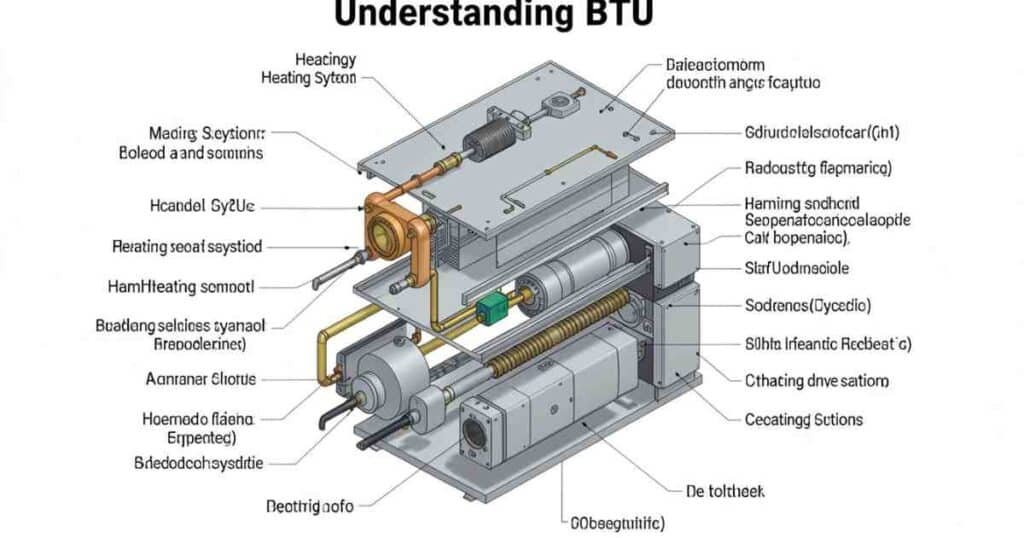
BTU stands for British Thermal Unit. It’s a standard measure of heat energy. In the context of cooking appliances, BTU indicates how much heat a burner can produce.
A higher BTU number means a more powerful burner. This translates to faster heating and higher cooking temperatures. For many standard home kitchens, typical gas hobs might range from 9,000 to 12,000 BTUs.
Electric hobs measure their power differently, often in watts, but the principle remains the same: more watts generally mean more heat.
When we talk about high-BTU hobs, we’re generally looking at burners that exceed the 15,000 BTU mark, sometimes going up to 20,000 BTU or even higher on specialized models.
Understanding this basic metric is the first step in figuring out if High-BTU Hobs for Home Cooking: Who Actually Needs Them.
This power difference is crucial for certain cooking tasks. A low-BTU burner is great for simmering sauces gently without scorching.
A high-BTU burner, however, is designed for rapid, intense heat. This is where the real question of who needs these powerful appliances comes into play. It’s not just about having a hotter flame; it’s about how that heat is applied and what cooking outcomes it can achieve.
Who Benefits Most from High-BTU Hobs?
The decision to invest in a high-BTU hob isn’t for everyone. It largely depends on your cooking habits and culinary aspirations.
Certain types of cooking simply require more heat than standard burners can provide. Let’s break down who stands to gain the most from this increased power.
The Enthusiast Home Chef
If you consider yourself a passionate home cook who enjoys recreating restaurant-quality dishes, a high-BTU hob can be a significant upgrade.
This includes those who love to experiment with diverse cuisines that often demand intense heat for specific techniques. For example, stir-frying requires a very hot wok to quickly cook ingredients while retaining their crispness and vibrant color.
Wok Cooking Aficionados
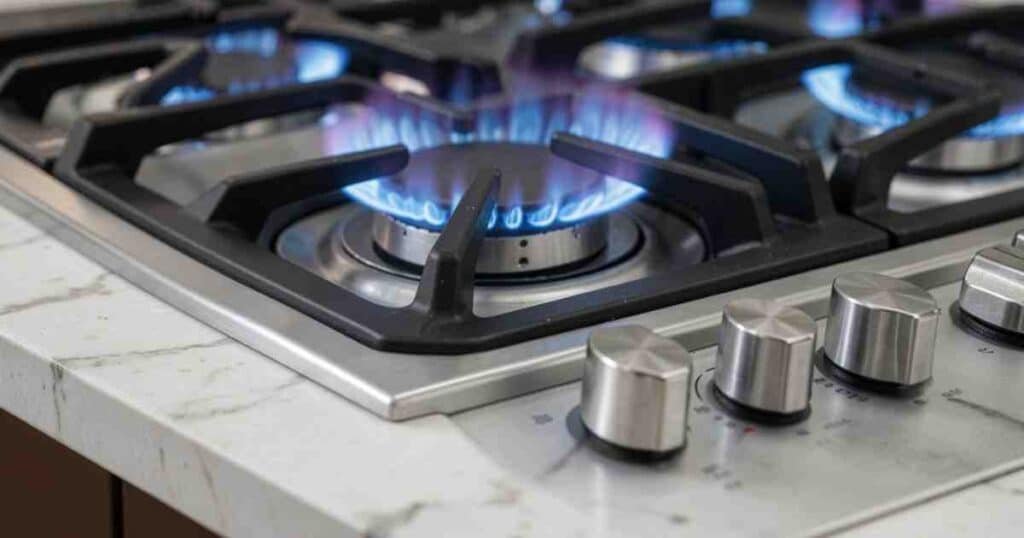
Traditional stir-frying relies on the intense heat of a wok burner. A standard home hob often struggles to reach the necessary temperatures, leading to steamed or soggy results instead of perfectly seared ingredients.
High-BTU hobs, especially those with wok-specific burners or contoured grates to hold a wok properly, can replicate this high-heat environment.
This allows for authentic wok cooking at home, making a significant difference in the texture and flavor of your dishes. Many chefs agree that the ability to achieve that “wok hei” – the smoky aroma from high-heat cooking – is a key benefit.
Searing and Browning Specialists
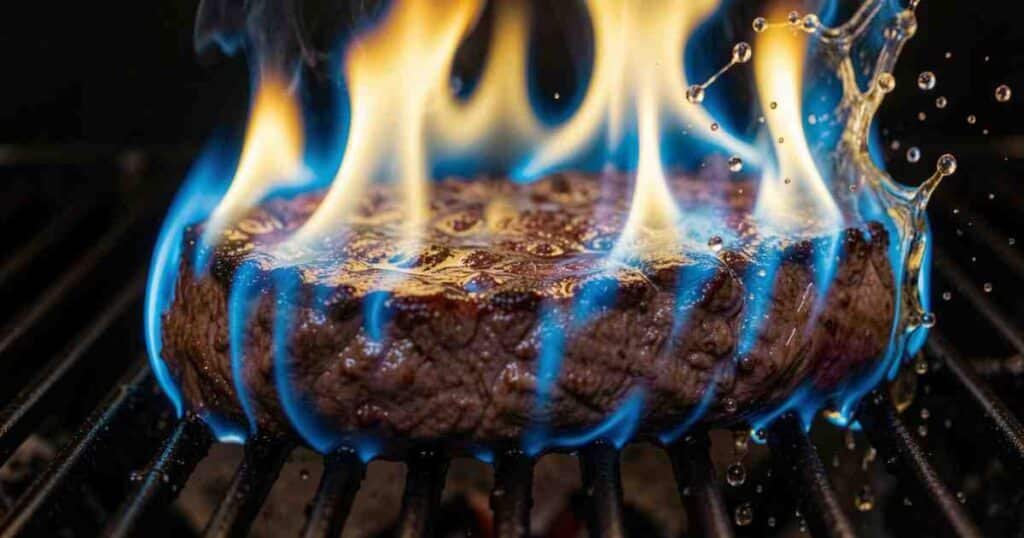
Achieving a perfect sear on meats like steak, scallops, or even vegetables is all about rapid heat transfer. High-BTU burners excel at this. They can quickly develop a beautiful, caramelized crust on the outside of food while keeping the inside moist and tender.
This is difficult to achieve with lower-powered burners, which might cook the food through before a proper sear develops.
Speedy Meal Preparers
For busy individuals or families, the ability to cook food faster is a major advantage. High-BTU hobs can bring water to a boil in a fraction of the time compared to standard burners. This means quicker pasta dishes, faster blanching of vegetables, and generally reduced cooking times across the board.
If you often find yourself waiting for water to boil or pans to heat up, a high-BTU hob can streamline your meal preparation significantly.
Those Who Enjoy Specific Cooking Techniques
Beyond stir-frying and searing, other techniques benefit from intense heat. Think about flash-frying, creating crispy textures, or even charring vegetables for smoky flavor. High-BTU hobs provide the necessary power to execute these methods effectively and consistently.
They open up a wider range of culinary possibilities for the home cook.
Ultimately, the question of High-BTU Hobs for Home Cooking: Who Actually Needs Them boils down to how you use your kitchen. If your cooking style involves these specific demands for intense heat and speed, then a high-BTU hob is likely a worthwhile consideration.
The Science Behind the Sizzle: How High BTU Works
The power of a high-BTU hob isn’t just about a bigger flame; it’s about how that heat is delivered and its effect on your food. The key difference lies in the rate of heat transfer.
Faster Heat Transfer
A burner with a higher BTU output can transfer more heat energy to your cookware per unit of time. This means your pan or wok heats up much faster. For searing, this rapid heating is essential to create a crust before the interior overcooks.
For boiling, it means less waiting time.
Higher Maximum Temperatures
Beyond just speed, high-BTU burners can achieve higher sustained temperatures. This is critical for techniques like stir-frying, where the ingredients need to cook quickly at intense heat. A lower-temperature burner might cook the food slowly, changing its texture and flavor profile undesirably.
Even Heat Distribution (with the right cookware)
While the burner itself produces intense heat, achieving even cooking still relies on your cookware. However, a high-BTU hob paired with appropriate cookware, like a well-seasoned cast-iron skillet or a carbon steel wok, can distribute that intense heat more effectively across the cooking surface. This ensures that high-heat cooking is consistent across the pan.
Comparison: Standard vs. High-BTU Burners
To illustrate the difference, consider boiling water. A standard 10,000 BTU burner might take 10-15 minutes to boil a liter of water. A 20,000 BTU burner could potentially do it in 5-7 minutes.
This time saving adds up, especially when preparing multiple dishes or cooking for a crowd.
| Boiling Time (1L Water) | 10-15 minutes | 5-7 minutes |
| Searing Speed | Slower development of crust | Rapid crust formation |
| Stir-fry Effectiveness | Can lead to steaming/soggy results | Achieves high heat for proper searing and “wok hei” |
| Simmering Control | Good for gentle simmering | Requires careful attention to avoid scorching on lowest setting |
This comparison highlights the practical impact of higher BTUs. It’s not just a theoretical difference; it translates directly into cooking speed and results. Understanding this science behind the sizzle helps clarify why High-BTU Hobs for Home Cooking: Who Actually Needs Them is a question worth asking.
Beyond the Burner: Factors to Consider
While the allure of high heat is strong, choosing a high-BTU hob involves more than just looking at the BTU rating. Several other factors are crucial for a good fit in your home kitchen.
Ventilation is Paramount
Higher heat output means more heat, steam, and potentially smoke generated during cooking. Adequate ventilation is absolutely essential. If your current kitchen hood isn’t powerful enough to handle increased cooking vapors, you’ll need to consider upgrading it.
Poor ventilation can lead to moisture buildup, lingering cooking odors, and a less pleasant cooking environment. This is a critical safety and comfort consideration when thinking about High-BTU Hobs for Home Cooking: Who Actually Needs Them.
Cookware Compatibility
Not all cookware is designed to withstand the intense heat of high-BTU burners. Thin, cheap pans can warp or even melt.
It’s vital to use high-quality cookware made from materials like cast iron, heavy-gauge stainless steel, or carbon steel that can handle high temperatures and distribute heat evenly.
Ensure your existing pans can take the heat, or be prepared to invest in new ones.
Gas vs. Electric vs. Induction
High-BTU ratings are most commonly associated with gas hobs. However, powerful electric and induction hobs also exist, measured in watts. Induction hobs, in particular, are known for their rapid heating capabilities and precise temperature control, often rivaling or exceeding the speed of high-BTU gas burners, though they work on different principles.
If you’re considering an upgrade, explore all types to see which best fits your needs and existing kitchen setup.
Burner Configuration
Many high-BTU hobs offer a variety of burner sizes and power levels. Look for a hob that includes at least one high-output burner for your searing and stir-frying needs, but also ensure it has lower-output burners for simmering and delicate tasks. A versatile setup is often more practical for everyday cooking than having all burners at maximum power.
Installation and Gas Lines
Gas hobs with very high BTU outputs may require a larger gas line than standard models. If you’re replacing an existing hob, consult with a qualified installer to ensure your home’s gas supply can support the new appliance. This is an important practical step before committing to a purchase.
Cost and Maintenance
High-BTU hobs, especially professional-style ranges, can be significantly more expensive than standard models. They may also require more specialized cleaning and maintenance due to their powerful components. Factor these ongoing costs into your decision.
Making a choice about High-BTU Hobs for Home Cooking: Who Actually Needs Them involves a holistic view of your kitchen infrastructure and your culinary goals.
When a High-BTU Hob Might Be Overkill
It’s important to be realistic about your cooking needs. For many home cooks, a high-BTU hob might be more power than they’ll ever utilize, and could even present challenges.
The Simmering and Gentle Cooker
If your cooking repertoire primarily consists of gently simmering soups and stews, poaching delicate fish, or slowly braising meats, you might not need the intense heat of a high-BTU burner.
These tasks are best performed at lower, more controlled temperatures, where a standard hob often performs perfectly well. In fact, the lowest setting on a high-BTU burner might still be too high for some delicate operations.
Limited Ventilation Capabilities
As mentioned earlier, powerful hobs demand powerful ventilation. If your kitchen is not well-ventilated, or if installing a robust hood is not feasible due to space or structural limitations, opting for a high-BTU hob could lead to an uncomfortable and potentially unhealthy cooking environment. Steam and grease can accumulate quickly without proper extraction.
Budget Constraints
High-BTU hobs, especially professional-grade models, come with a premium price tag. This applies not only to the appliance itself but potentially to installation costs and the need for new cookware.
If budget is a primary concern, a standard hob might offer better value for your money, providing sufficient functionality for most everyday cooking tasks.
Space Limitations
Some high-BTU hob units, particularly those designed for professional kitchens, can be larger than standard home appliances.
Ensure that the dimensions of the hob will fit your existing countertop cutout and that there is adequate clearance around the unit for safety and proper airflow.
Desire for Simplicity
For those who prefer a straightforward cooking experience without needing to manage extreme heat levels, a standard hob is often sufficient.
The complexity of managing very high temperatures, ensuring proper cookware, and maintaining adequate ventilation might outweigh the perceived benefits for some users.
Considering these points helps to answer the question of High-BTU Hobs for Home Cooking: Who Actually Needs Them by identifying who might be better served by more conventional options.
Making the Right Choice for Your Kitchen
Deciding whether a high-BTU hob is the right choice involves a careful assessment of your cooking style, kitchen setup, and priorities. The power offered by these appliances is undeniable, but it comes with specific requirements and benefits.
If you frequently engage in high-heat cooking techniques like stir-frying, searing, or wok cooking, a high-BTU hob can dramatically improve your results and speed up meal preparation.
It empowers you to achieve restaurant-quality textures and flavors right in your home kitchen. However, it’s crucial to ensure your kitchen is equipped with adequate ventilation and that you have compatible cookware to safely and effectively utilize this extra power.
For those whose cooking is more focused on gentle simmering, slow cooking, or simpler meals, a standard hob is likely more than sufficient.
The extra heat may go unused and could even present challenges with control and ventilation. Always weigh the practicalities against the perceived benefits.
By understanding what BTU means, who truly benefits from higher heat, and the necessary considerations like ventilation and cookware, you can make an informed decision.
This ensures your kitchen appliance upgrade genuinely enhances your cooking experience rather than creating unnecessary complications. The ultimate goal is to have a hob that perfectly matches your culinary adventures.
Frequently Asked Questions Of High-Btu Hobs For Home Cooking: Who Actually Needs Them
What is a good BTU range for a home cook?
For most home cooks, burners ranging from 9,000 to 12,000 BTUs are perfectly adequate for a wide variety of tasks. However, if you frequently stir-fry or sear, burners above 15,000 BTUs can offer significant advantages.
Do I really need a high-BTU hob if I don’t cook professionally?
Not necessarily. If your cooking style doesn’t involve demanding high-heat techniques like rapid searing or authentic stir-frying, a standard hob will likely serve you well. High-BTU hobs are for specific culinary needs.
What is the biggest risk of using a high-BTU hob?
The biggest risk is inadequate ventilation. High-BTU hobs produce more heat and steam, which can lead to moisture damage, lingering odors, and an uncomfortable cooking environment if not properly vented.
Can I use my existing cookware with a high-BTU hob?
It depends on the quality of your cookware. Thin or low-quality pans may warp or be damaged by the intense heat. Heavy-gauge stainless steel, cast iron, or carbon steel cookware is generally recommended.
Are high-BTU hobs safe for home kitchens?
Yes, when installed correctly and used with proper ventilation and compatible cookware. They are designed for home use, but require more attention to safety protocols due to their power.
How can I tell if my hob has high BTUs?
Check the appliance’s specifications or the manufacturer’s manual. Gas hobs will list the BTU output for each burner. Electric hobs are typically rated in watts, where higher wattage indicates greater heat output.
Final Thoughts
High-BTU hobs offer significant advantages for specific cooking styles like searing and stir-frying. If your kitchen demands intense heat and rapid cooking, they can be a valuable upgrade, provided you have adequate ventilation and suitable cookware. Otherwise, standard hobs remain perfectly capable for most home culinary needs.

Leave a Reply