Author: Lori Gosselin

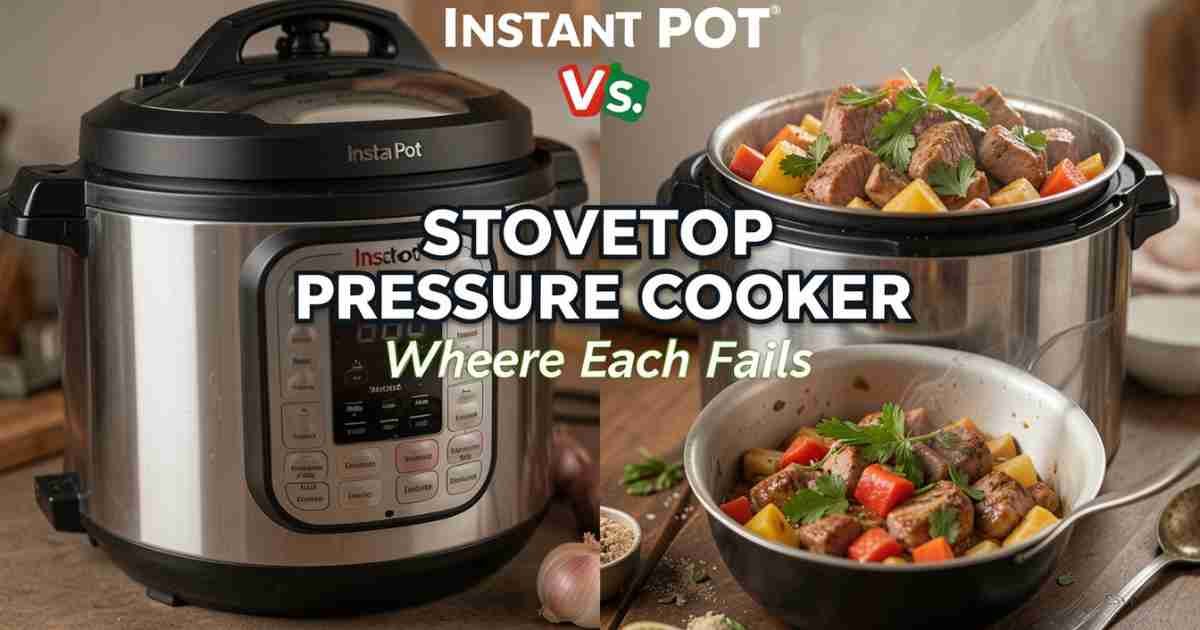
Instant Pot Vs. Stovetop Pressure Cooker: Where Each Fails
Instant Pot vs. stovetop pressure cooker failures come from control differences. An Instant Pot can fail with slow pressurising, weak browning, limited maximum pressure, and watery reductions. A stovetop pressure cooker can fail through overheating, noisy venting, and less automatic safety control. Instant Pots suit convenience, while stovetop models suit speed, searing, and higher-heat precision.…
Ceramic Non-Stick Vs. Ptfe Non-Stick: The Durability Reality
Ceramic non-stick vs. PTFE non-stick durability is less equal than marketing suggests. PTFE usually keeps its slick release longer with careful low-to-medium heat use, while ceramic often loses non-stick performance faster as its surface wears. Both scratch, degrade, and need gentle utensils, but neither matches stainless steel, carbon steel, or cast iron longevity. You’re in…
How To Recover An Over-Seasoned Wok That’S Gone Sticky
Recover an over-seasoned wok that’s gone sticky by stripping the gummy oil layer and rebuilding a thin seasoning coat. Scrub with hot water, a firm brush, and mild dish soap, then dry completely over heat. Wipe on a very thin oil layer, heat until smoking, cool, and repeat lightly instead of adding thick oil. You’ve…
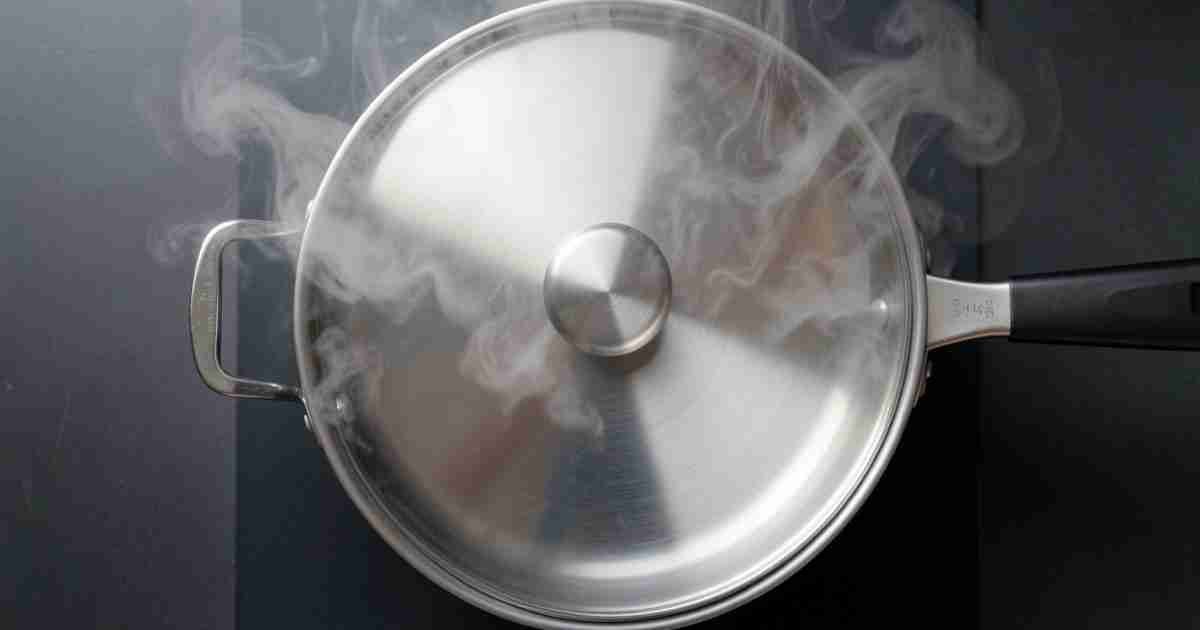
Controlling Steam Inside A Covered Pan Without Lifting The Lid
You’re in the middle of cooking, the aroma is fantastic, but then you wonder: is everything okay under that lid? Lifting it releases precious heat and steam, potentially ruining your dish. Learning how to manage steam effectively is key to achieving perfectly cooked meals every time. This guide will show you the secrets to controlling…
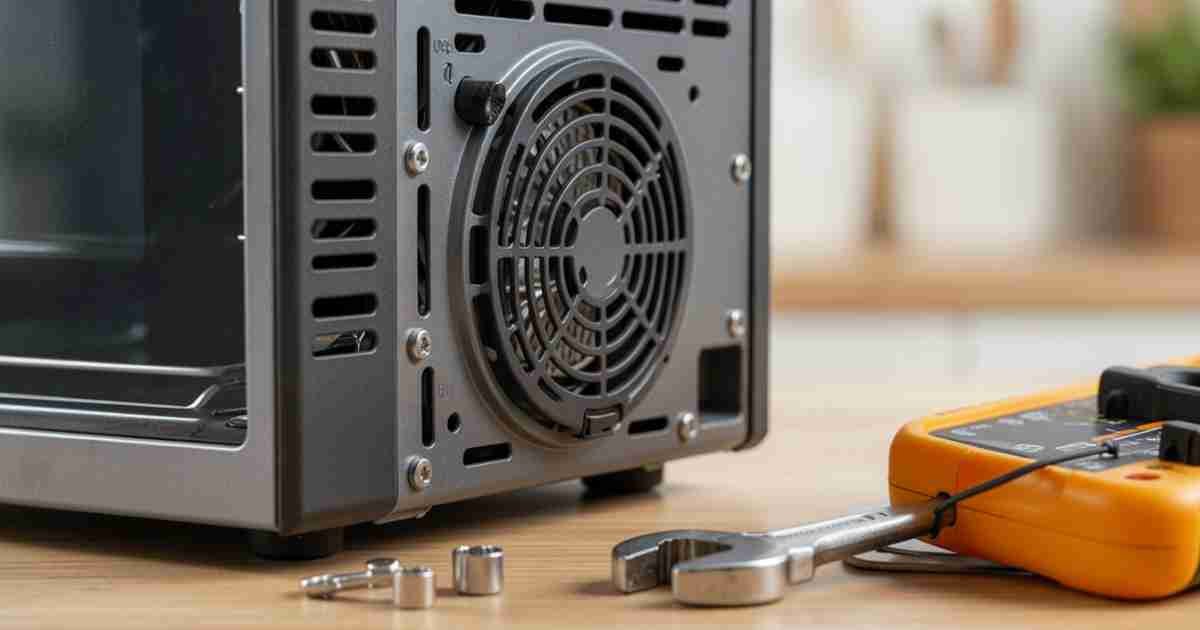
How To Test If Your Oven Thermostat Is Lying To You
To test if your oven thermostat is lying to you, place a reliable oven thermometer on the center rack, preheat to a set temperature, and compare the reading after 15–20 minutes. Repeat at two or three temperatures. If readings are consistently off by more than about 25°F, the thermostat may need calibration or repair. Your…
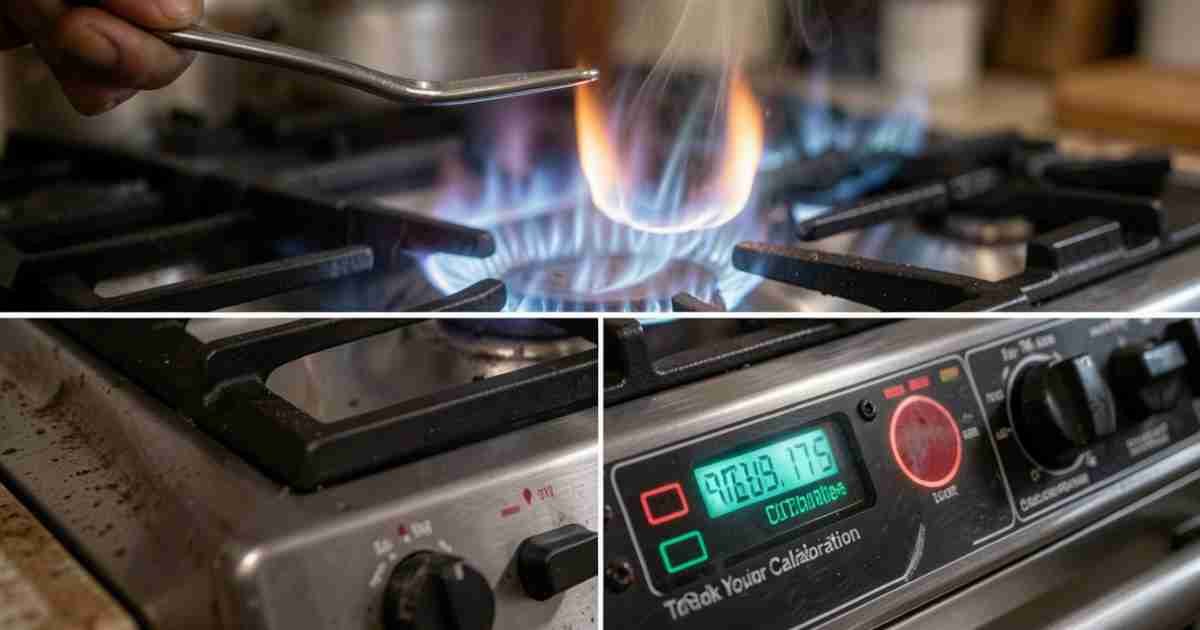
How To Read Your Burner Flame For Cooker Calibration
Reading your burner flame for cooker calibration helps you spot heat and gas flow issues. A steady blue flame usually means proper combustion, while yellow, orange, weak, uneven, or lifting flames may indicate dirt, poor air mixture, or gas pressure problems. Clean burner ports first, then call a qualified technician if the flame stays abnormal.…
Why The Pressure Cooker Nearly Disappeared After World War Ii
The pressure cooker nearly disappeared after World War II because rushed postwar production led to cheaper, less reliable models with safety problems. Stories of clogged valves, blown gaskets, and exploding lids damaged public trust. As microwaves and other convenient appliances became popular, many households moved away from pressure cooking until safer modern designs revived interest.…
The French Copper Kitchen: Why Escoffier’S Material Choices Still Dominate Fine Dining
The French copper kitchen remains influential because copper heats quickly, evenly, and responds fast to temperature changes, giving chefs precise control for sauces, fish, sugar work, and delicate reductions. Escoffier’s classical brigade tradition valued consistency, speed, and control, so lined copper pans still suit fine dining when maintained properly, despite cost and care demands. Imagine…
How Cast Iron Cookware Killed And Saved American Cooking
Cast iron cookware killed and saved American cooking by doing two opposite things: its weight, maintenance, and slower cleanup helped push homes toward lighter nonstick pans, but its durability, heat retention, and searing power preserved older methods like cornbread, frying, and Dutch-oven cooking. Its revival brought back patience, seasoning, repairability, and heirloom kitchen habits. Many…
The Rice Cooker’S Accidental Invention At Toshiba In 1955
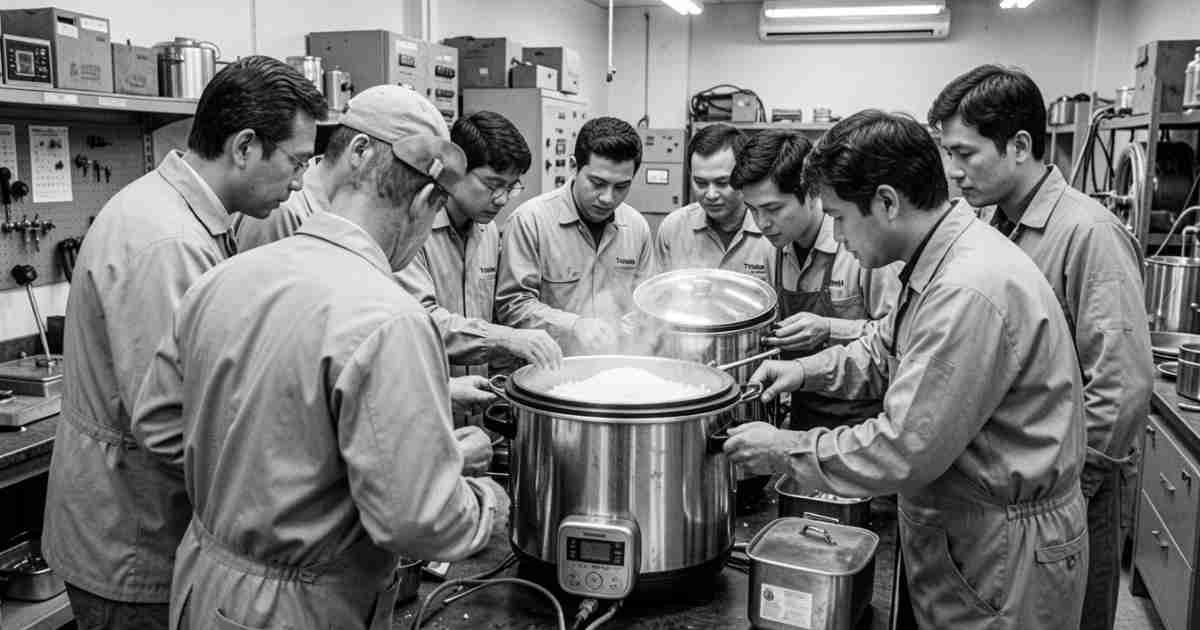
The rice cooker’s accidental invention at Toshiba in 1955 was not purely accidental; it came from years of testing by Yoshitada Minami, Fumiko Minami, and Toshiba engineers. Their breakthrough used evaporation and temperature change to switch the cooker off automatically, making rice preparation simpler, more consistent, and easier for Japanese households. Imagine the frustration of…
The Forgotten ‘Fireless Cooker’ Of 1910: Insulated Box Cooking Before Slow Cookers
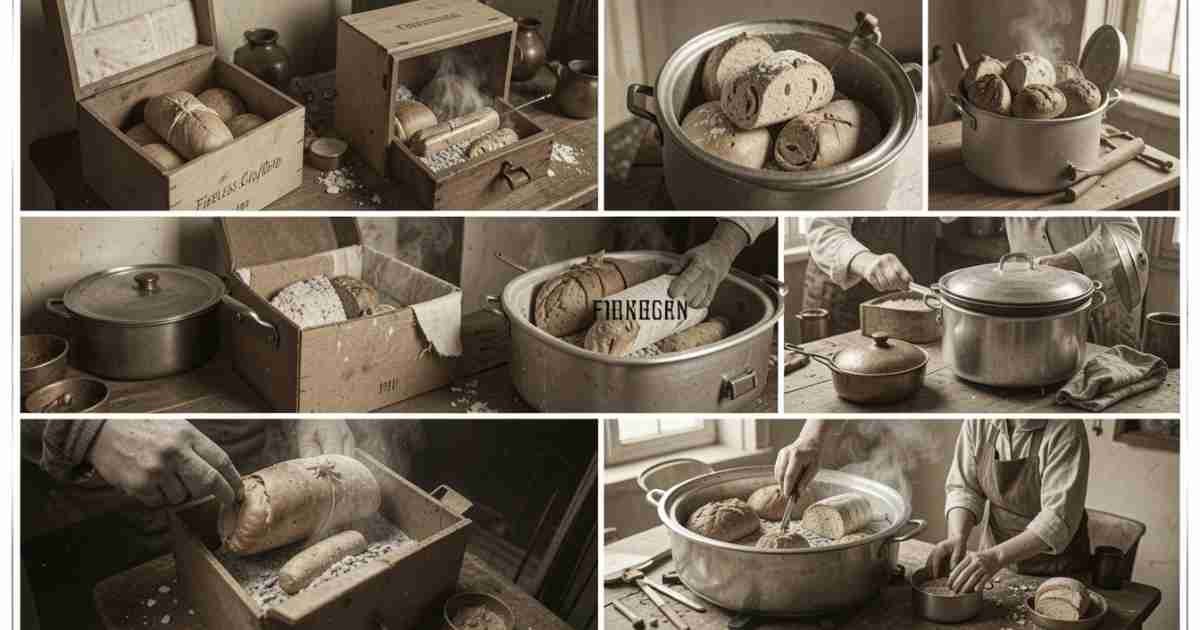
The forgotten fireless cooker of 1910 was an insulated box that finished cooking food after a pot was first heated on a stove. Also called a haybox or retained-heat cooker, it trapped heat with hay, straw, stone, or insulation. It saved fuel, reduced supervision, and anticipated the slow cooker’s promise of low-effort cooking. Imagine a…
Why Altitude Ruins Your Pressure Cooker Recipes And The Correction Formula
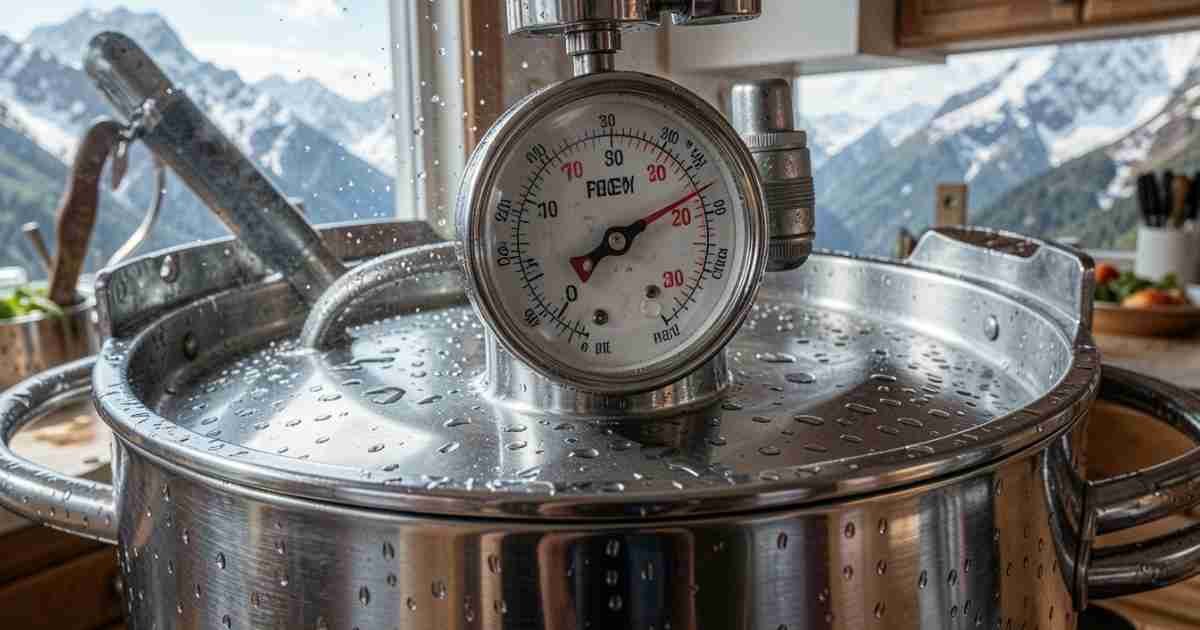
Altitude ruins your pressure cooker recipes because lower air pressure reduces the cooker’s absolute pressure and cooking temperature, so food softens more slowly. Use this correction formula: adjusted time = recipe time × [1 + 0.05 × ((altitude in feet − 2,000) ÷ 1,000)]. Apply it above 2,000 feet and round up slightly. You’ve planned…