
Instant Pot vs. stovetop pressure cooker failures come from control differences. An Instant Pot can fail with slow pressurising, weak browning, limited maximum pressure, and watery reductions.
A stovetop pressure cooker can fail through overheating, noisy venting, and less automatic safety control. Instant Pots suit convenience, while stovetop models suit speed, searing, and higher-heat precision.
You’re standing in the kitchen, a recipe in hand, dreaming of tender pulled pork or perfectly cooked beans.
But then the question arises: should you grab your trusty stovetop pressure cooker or your modern Instant Pot? It’s a common dilemma for home cooks looking for speed and flavor.
Understanding the nuances of Instant Pot vs. Stovetop Pressure Cooker: Where Each Fails can save you time, prevent kitchen mishaps, and ensure your meals turn out exactly as planned.
This guide will clarify their distinct strengths and weaknesses, helping you choose the right tool for every culinary task and keep you engaged with valuable insights.
Key Takeaways
- Electric pressure cookers offer convenience and safety features often lacking in stovetop models.
- Stovetop pressure cookers provide superior control over heat and cooking pressure for experienced users.
- Both appliances can fail when used with incompatible recipes or when essential maintenance is neglected.
- Electric models may struggle with achieving specific textures that require constant manual adjustment.
- Stovetop versions can be intimidating for beginners due to the need for active monitoring.
- Proper sealing and cleaning are crucial for the optimal performance of both types of pressure cookers.
![Instant Pot Vs. Stovetop Pressure Cooker Where Each Fails[1]](https://kitchentipsdaily.com/wp-content/uploads/2026/06/Instant_Pot_Vs._Stovetop_Pressure_Cooker__Where_Each_Fails1.jpg)
Understanding the Core Differences: Electric vs. Stovetop
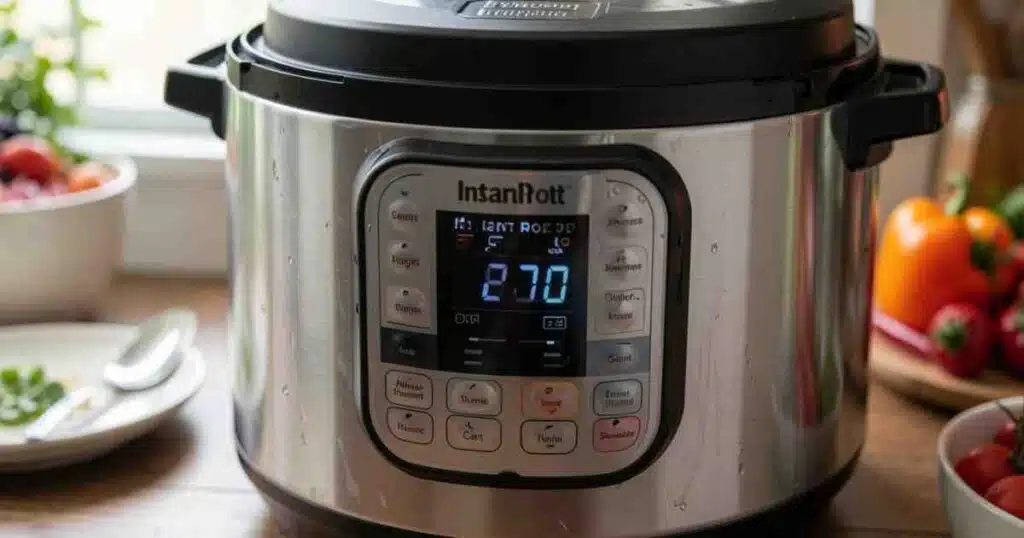
When comparing an Instant Pot to a stovetop pressure cooker, the fundamental difference lies in their power source and control mechanisms. An electric pressure cooker, like the popular Instant Pot, plugs into a wall outlet. It has built-in heating elements and digital controls that manage temperature and pressure automatically.
This automation is a major selling point for many home cooks.
A stovetop pressure cooker, on the other hand, relies on your stove’s burner for heat. You manually adjust the flame or heat level to maintain the desired cooking temperature and pressure. This requires more hands-on attention and a good understanding of how your stove behaves.
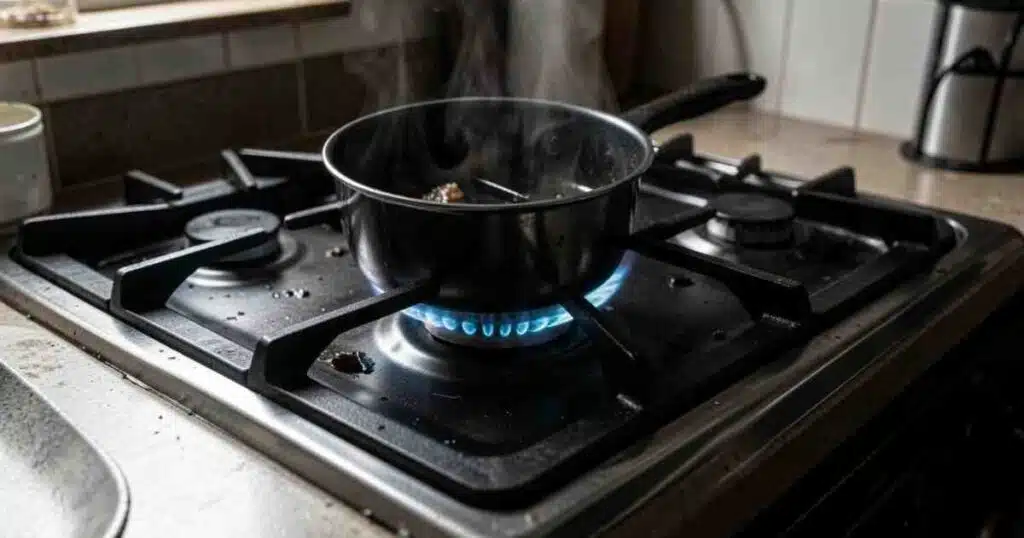
The Instant Pot vs. Stovetop Pressure Cooker: Where Each Fails often comes down to this core difference in operation and user interaction.
The design of each appliance also impacts its performance. Electric models are typically made of stainless steel with a heavy-duty lid that locks securely. They often come with multiple pre-set cooking functions.
Stovetop models are usually made of aluminum or stainless steel, with a lid that clamps down and a pressure regulator that sits on top.
Where the Instant Pot Shines (and Where It Can Stumble)
The Instant Pot excels in ease of use and safety. Its digital interface allows you to select a cooking program and walk away. The appliance will automatically adjust and shut off when cooking is complete.
This makes it ideal for busy individuals or those new to pressure cooking. The Instant Pot vs. Stovetop Pressure Cooker: Where Each Fails is often highlighted by the Instant Pot’s forgiving nature.
However, the Instant Pot can fall short in certain areas. Its automatic nature means you have less direct control over the cooking process. For recipes that require very precise temperature adjustments or quick releases of pressure, the Instant Pot’s programming might not be flexible enough.
Some cooks find that achieving certain delicate textures, like a perfectly seared crust on meat, can be challenging because the heat is applied from the bottom only, and the cooking cycles are pre-determined.
Another point of failure for electric pressure cookers can be their reliance on electricity. If the power goes out, your cooking stops. Also, the sealing ring in the lid can absorb odors over time, requiring regular cleaning or replacement.
The Instant Pot vs. Stovetop Pressure Cooker: Where Each Fails consideration means that while convenient, the Instant Pot might not be the best choice for spontaneous cooking during a power outage.
Specific Failures of Electric Pressure Cookers
- Overcooking or Undercooking: While pre-sets are convenient, they aren’t always perfect for every ingredient or quantity. Users may need to experiment with manual settings.
- Burn Notice: The “Burn” notice can appear if there isn’t enough liquid or if food sticks to the bottom, requiring the cook to stop the cycle and troubleshoot.
- Slower Sauté Function: The sauté function on some electric models is not as powerful or evenly heated as a pan on a stovetop.
- Odor Retention: The silicone sealing ring can retain strong food smells, affecting subsequent dishes if not cleaned thoroughly or replaced.
- Limited Control: Lack of fine-tuned heat adjustment means less control for recipes demanding very specific thermal profiles.
Where the Stovetop Pressure Cooker Excels (and Where It Falters)
Stovetop pressure cookers offer a level of control that many traditional cooks appreciate. You have direct command over the heat source. This allows for precise adjustments to maintain the perfect pressure.
If the pressure builds too high, you can easily reduce the heat. If it drops too low, you can increase it. This immediate feedback loop is invaluable for experienced cooks.
The ability to control the heat directly means you can achieve a wider range of results. For instance, you can manage a rolling boil versus a gentle simmer more effectively. This is crucial for delicate dishes or when you need to quickly adjust cooking time.
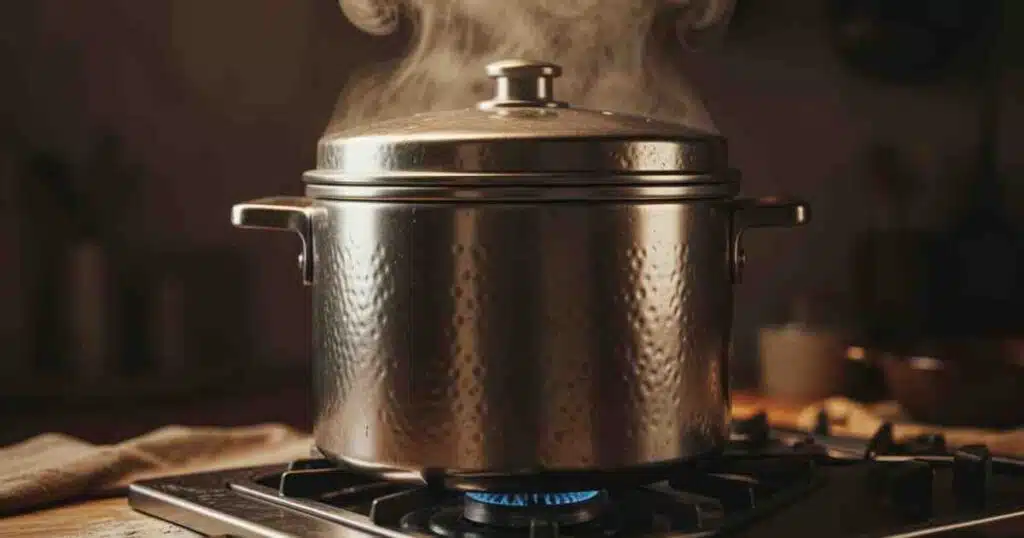
The Instant Pot vs. Stovetop Pressure Cooker: Where Each Fails discussion acknowledges that stovetop models offer a nuanced culinary experience.
However, stovetop pressure cookers can be intimidating for beginners. They require constant monitoring. You can’t just set it and forget it.
If you’re distracted, the pressure can build too high, leading to safety concerns. Also, the initial learning curve can be steep. Understanding the sounds, the steam release, and how to adjust the heat takes practice.
This is a significant point in the Instant Pot vs. Stovetop Pressure Cooker: Where Each Fails comparison.
Another common failure point for stovetop models is the pressure regulator. These small parts can become clogged or worn over time, preventing the cooker from reaching or maintaining the correct pressure. Without a properly functioning regulator, the cooker is ineffective and potentially unsafe.
The Instant Pot vs. Stovetop Pressure Cooker: Where Each Fails often involves maintenance issues specific to each type.
Specific Failures of Stovetop Pressure Cookers
- Requires Constant Attention: You cannot leave a stovetop pressure cooker unattended. This makes multitasking in the kitchen difficult.
- Steeper Learning Curve: Understanding how to manage heat and pressure requires practice and can be daunting for new users.
- Potential for Over-Pressurization: If heat is not managed correctly, the pressure can become dangerously high.
- Wear and Tear on Parts: The pressure regulator and gasket are subject to wear and may need replacement more frequently than electric components.
- Inconsistent Heat Distribution: The heat distribution from your stove burner can affect the cooking consistency, especially if the burner is small or uneven.
Comparison Table: Instant Pot vs. Stovetop Pressure Cooker
To further clarify the differences and potential failure points, let’s look at a direct comparison:
| Power Source | Electricity | Stove burner (gas or electric) |
| Control | Digital, pre-set programs, manual adjustments | Manual heat adjustment on stove |
| Ease of Use | High, set-and-forget convenience | Requires constant monitoring, steeper learning curve |
| Safety Features | Multiple built-in safety mechanisms, auto shut-off | Relies on user vigilance and proper assembly |
| Flexibility for Texture | Can be limited by pre-set cycles; achieving specific textures may require manual intervention. | High; allows for precise heat control to achieve various textures. |
| Speed of Pressure Release | Natural release, quick release (manual or timed) | Manual quick release (often by lifting weight) or natural release. |
| Portability | Portable within the home (needs an outlet) | Portable within the kitchen (needs a stove) |
| Common Failure Points | “Burn” notice, odor-retaining seal, electronic malfunctions. | Clogged regulator, gasket wear, user error in heat management. |
| Ideal For | Busy individuals, beginners, hands-off cooking. | Experienced cooks, those wanting precise control, limited kitchen space (no extra appliance). |
This table highlights how the Instant Pot vs. Stovetop Pressure Cooker: Where Each Fails is often tied to their fundamental operating principles and the level of user involvement required.
Recipe Challenges: Where Each Appliance Might Not Be Suitable
Not all recipes are created equal when it comes to pressure cooking, and the choice between an Instant Pot and a stovetop model can significantly impact the outcome. Understanding where each appliance might fail in specific recipe scenarios is key to successful pressure cooking.
When an Instant Pot Might Fall Short
Recipes that require very delicate control over the cooking temperature or pressure are where an Instant Pot can struggle. For example, if a recipe calls for a very brief, precise simmer after the initial pressure cooking, manually adjusting the Instant Pot’s heat and monitoring it closely can be less intuitive than with a stovetop model.
Consider making a rich, complex sauce that needs to be reduced slowly after the main ingredients are cooked. While you can sauté in an Instant Pot, it might not achieve the same intense, even heat as a heavy-bottomed pan on a high-BTU stove burner. This is a scenario where the Instant Pot vs.
Stovetop Pressure Cooker: Where Each Fails becomes evident in achieving specific culinary results.
Furthermore, some recipes benefit from a “carry-over cooking” effect where residual heat continues to cook ingredients after the heat is removed.
While Instant Pots have a “keep warm” function, it’s not the same as the passive cooling of a stovetop cooker, which can sometimes lead to slightly overcooked results if not accounted for.
When a Stovetop Pressure Cooker Might Not Be Ideal
The primary drawback of stovetop pressure cookers for certain recipes is the need for constant attention.
If you’re trying to make a dish that involves multiple steps and requires you to be away from the stove for extended periods, a stovetop model is not suitable. Imagine preparing a complex multi-component meal where you need to tend to different tasks simultaneously.
Also, some modern recipes are written specifically for the convenience of electric pressure cookers.
They rely on the pre-set functions and automatic shut-off. Adapting these recipes for a stovetop model might require significant guesswork regarding heat levels and cooking times, increasing the chance of error.
The Instant Pot vs. Stovetop Pressure Cooker: Where Each Fails in these cases is about convenience versus control.
Safety is also a consideration. For recipes that involve long cooking times where a power outage might occur, an electric model offers a more predictable outcome if it has a good “keep warm” or resume function. A stovetop model, however, would simply stop cooking, potentially leaving food in a dangerous temperature zone for too long.
Maintenance and Longevity: Preventing Failures
Regardless of whether you choose an Instant Pot or a stovetop pressure cooker, proper maintenance is crucial to prevent failures and ensure longevity. Both appliances have components that require attention.
Maintaining Your Electric Pressure Cooker
The most common failure point for electric pressure cookers is the silicone sealing ring. It needs to be cleaned thoroughly after every use, ideally by hand washing with soap and warm water. If odors persist, some people soak them in a mixture of vinegar and water or baking soda.
Replacing the sealing ring every 1-2 years, or sooner if it appears damaged or excessively smelly, is also recommended.
The lid’s steam vent and float valve should also be checked for blockages. Food particles can get lodged there, preventing the cooker from reaching pressure. Regular visual inspection and gentle cleaning with a pipe cleaner or toothpick can prevent this.
The inner pot should be inspected for scratches or damage, as these can affect heating and make cleaning more difficult.
The Instant Pot vs. Stovetop Pressure Cooker: Where Each Fails often boils down to user diligence in maintenance.
Maintaining Your Stovetop Pressure Cooker
For stovetop models, the gasket around the lid is critical. It needs to be kept clean and free from damage. A cracked or hardened gasket will not create a proper seal, and the cooker will not build pressure.
These gaskets should be replaced when they show signs of wear.
The pressure regulator, the weight or valve that sits on the lid, is another key component. It needs to be kept clean and free of debris. Many pressure regulators can be disassembled for cleaning.
If you notice the regulator is not jiggling or venting as expected, it might be clogged or malfunctioning.
This is a critical point in the Instant Pot vs. Stovetop Pressure Cooker: Where Each Fails discussion, as a faulty regulator can render the cooker useless or dangerous.Both types of cookers benefit from occasional deep cleaning of the entire unit. For electric models, this means wiping down the exterior and ensuring the heating element area is free of debris. For stovetop models, it means ensuring the base is clean and free from food residue that could cause hot spots on your stove.
Troubleshooting Common Issues
Even with careful use, both Instant Pots and stovetop pressure cookers can encounter issues. Knowing how to troubleshoot can save your meal and your appliance.
Instant Pot Troubleshooting
- “Burn” Notice: This usually means there isn’t enough liquid, or food has stuck to the bottom. Add more liquid, scrape the bottom of the pot, and restart.
- Not Reaching Pressure: Check that the sealing ring is properly seated and that the lid is locked. Ensure the steam vent is closed. Verify there’s enough liquid for the recipe.
- Food is Undercooked: You might need to increase the cooking time or ensure the correct pressure setting was used.
- Food is Overcooked: Reduce the cooking time for future attempts. Consider using a shorter quick release or a longer natural release depending on the food.
Stovetop Pressure Cooker Troubleshooting
- Not Building Pressure: Check the gasket for damage. Ensure the lid is properly sealed. Make sure the pressure regulator is clean and correctly placed.
- Pressure is Too High (Excessive Steam): Reduce the heat on your stove. If it continues to vent excessively, the regulator might be faulty or the recipe might require less heat.
- Pressure Drops During Cooking: Increase the stove heat slightly. Ensure the recipe has enough liquid.
- Food is Undercooked: The heat might have been too low, or the cooking time was insufficient. Adjust heat and time for the next use.
Understanding these common problems helps demystify the Instant Pot vs. Stovetop Pressure Cooker: Where Each Fails, empowering you to fix issues rather than abandon the cooking process. When a stovetop pressure cooker is not building pressure, check the gasket for damage as a common cause.
Frequently Asked Questions Of Instant Pot Vs. Stovetop Pressure Cooker: Where Each Fails
Question: When should I use an Instant Pot over a stovetop pressure cooker?
Answer: Use an Instant Pot when you want convenience and a hands-off approach. It’s ideal for busy weeknights and for beginners who want safety features and simple operation.
Question: When is a stovetop pressure cooker a better choice than an Instant Pot?
Answer: A stovetop pressure cooker is better when you desire precise control over heat and pressure for specific textures, or if you have limited counter space and don’t want another appliance.
Question: Can an Instant Pot fail to reach pressure?
Answer: Yes, an Instant Pot can fail to reach pressure if the sealing ring is damaged, the lid isn’t sealed correctly, the steam vent is open, or there isn’t enough liquid in the pot.
Question: What is the most common failure point for a stovetop pressure cooker?
Answer: The most common failure points for a stovetop pressure cooker are a worn-out gasket or a clogged or malfunctioning pressure regulator. These prevent it from sealing or regulating pressure correctly.
Question: How does the “Burn” notice on an Instant Pot indicate where it fails?
Answer: The “Burn” notice on an Instant Pot indicates a failure to maintain sufficient liquid or a problem with food sticking to the bottom of the inner pot, preventing proper heat transfer and pressure build-up.
Question: Is it safe to use a pressure cooker if it seems to be failing?
Answer: No, it is not safe to use a pressure cooker if it is failing to build pressure, is venting excessively, or shows signs of damage. Always inspect your cooker before use and consult the manual for troubleshooting.
Final Thoughts
Choosing between an Instant Pot and a stovetop pressure cooker depends on your cooking style and needs. If your Instant Pot shows a burn notice, it is often due to not enough liquid in the pot.
While electric models offer unmatched convenience and safety, stovetop cookers provide superior control for experienced chefs. Choosing between an Instant Pot and stovetop cooker ultimately depends on your cooking style and needs.
Both can fail if misused or poorly maintained, but understanding their individual weaknesses allows you to use them effectively and enjoy delicious, quick meals every time.

Leave a Reply