
The hidden cost of cheap non-stick is faster PTFE flaking because thinner coatings scratch, overheat, and peel sooner under metal utensils, dishwasher abrasion, stacking, and high heat.
There is no exact timeline; damage depends on use and coating quality. Replace the pan when you see peeling, flaking, chipping, or deep scratches, and use soft utensils to extend life.
You’re in the middle of cooking your favorite breakfast, flipping pancakes, and suddenly, tiny black flecks appear in your food.
It’s a common, frustrating sight for anyone who’s used non-stick cookware. While the initial price tag of cheap non-stick pans seems appealing, there’s a significant, often overlooked aspect to consider.
Understanding The Hidden Cost of Cheap Non-Stick: PTFE Flaking Timelines is crucial for making informed kitchen choices.
This guide will help you see beyond the initial savings, showing you how to protect your health and your wallet by recognizing the lifespan and potential issues of your cookware, ultimately leading to more satisfying cooking experiences and fewer kitchen surprises.
Key Takeways
- Cheaper PTFE coatings wear out faster due to thinner application layers and lower manufacturing standards, often showing signs of degradation much sooner.
- High heat dramatically shortens coating lifespan, causing PTFE surfaces to lose their non-stick properties and become more prone to flaking.
- Metal utensils and abrasive cleaning accelerate damage, making proper cookware care essential for extending the life of non-stick pans.
- The lowest purchase price is rarely the lowest long-term cost, as frequent replacement of cheap non-stick cookware can end up costing more than investing in a higher-quality pan.
![The Hidden Cost Of Cheap Non Stick Ptfe Flaking Timelines[1]](https://kitchentipsdaily.com/wp-content/uploads/2026/06/The_Hidden_Cost_Of_Cheap_Non-Stick__Ptfe_Flaking_Timelines1.jpg)
When Your Non-Stick Starts to Crumble
That moment when you see flecks of your non-stick coating in your food can be alarming. It’s not just an aesthetic issue; it’s a sign that your cookware is breaking down. The material most commonly used for non-stick surfaces is Polytetrafluoroethylene, or PTFE.
When this coating degrades, it can flake off. This flaking is not random; it follows a timeline influenced by several factors. Understanding these timelines helps you predict when your cookware might become less effective or even a health concern.
The initial appeal of a low price can quickly fade when you consider the long-term performance and safety.
The Science Behind Non-Stick Coatings
PTFE is a synthetic fluoropolymer. It’s known for its extremely low friction properties. This makes it ideal for creating surfaces that food doesn’t stick to.
The coating is typically applied in layers to the metal pan. High temperatures are used during the manufacturing process to bond the PTFE to the pan’s surface. While durable under normal cooking conditions, PTFE has limitations.
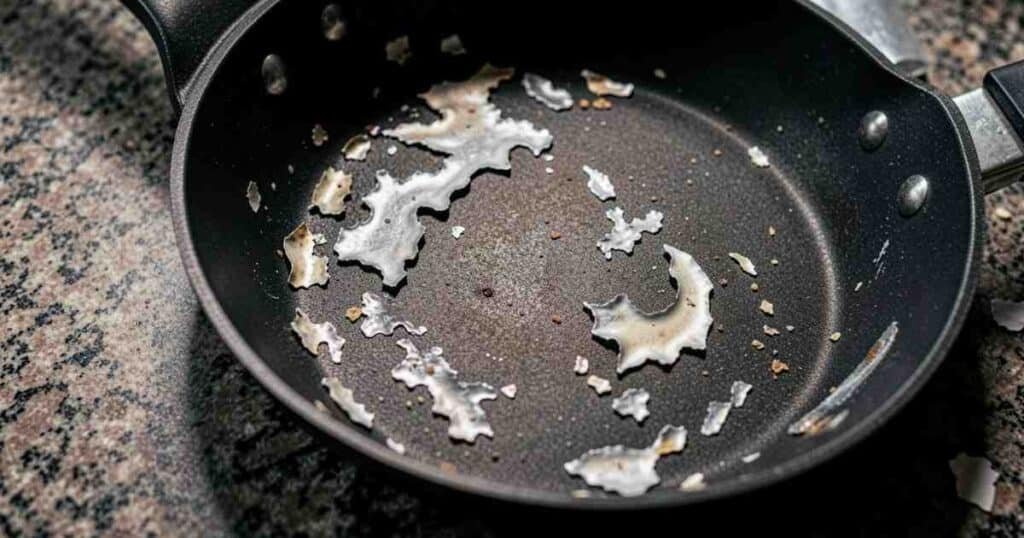
It can be scratched by metal utensils. Extreme heat can also degrade its structure over time. This degradation is what leads to flaking.
The quality of the application and the thickness of the PTFE layers play a big role in how long the coating lasts.
Manufacturing Quality Matters
Not all PTFE coatings are created equal. Cheaper pans often use thinner layers of PTFE. They may also have a less robust bonding process.
This makes them more susceptible to damage. Higher-quality pans might use thicker coatings. They could also incorporate ceramic particles or other strengthening agents within the PTFE matrix.
These enhancements help the coating resist scratches and heat better. The manufacturing standards of the brand you choose directly impact the longevity of the non-stick surface. This is a key component of The Hidden Cost of Cheap Non-Stick: PTFE Flaking Timelines.
Understanding PTFE Flaking Timelines
The lifespan of a non-stick pan can vary greatly. Several factors contribute to how quickly the PTFE coating begins to break down. These include how the pan is used, cleaned, and stored.
Understanding these timelines helps you manage expectations and know when it might be time for a replacement. Ignoring these signs can lead to continued exposure to degraded coating. This is a significant part of The Hidden Cost of Cheap Non-Stick: PTFE Flaking Timelines.
Typical Lifespan of Non-Stick Cookware
Generally, a good quality non-stick pan can last anywhere from 1 to 5 years. This is an average, and many factors can shorten or lengthen this period. Cheaper pans, however, might start showing signs of wear much sooner.
You might notice sticking issues or minor flaking within the first year. This is where the “hidden cost” begins to appear. Replacing pans frequently adds up over time.
It’s more economical in the long run to invest in a more durable option.
Factors Accelerating Flaking
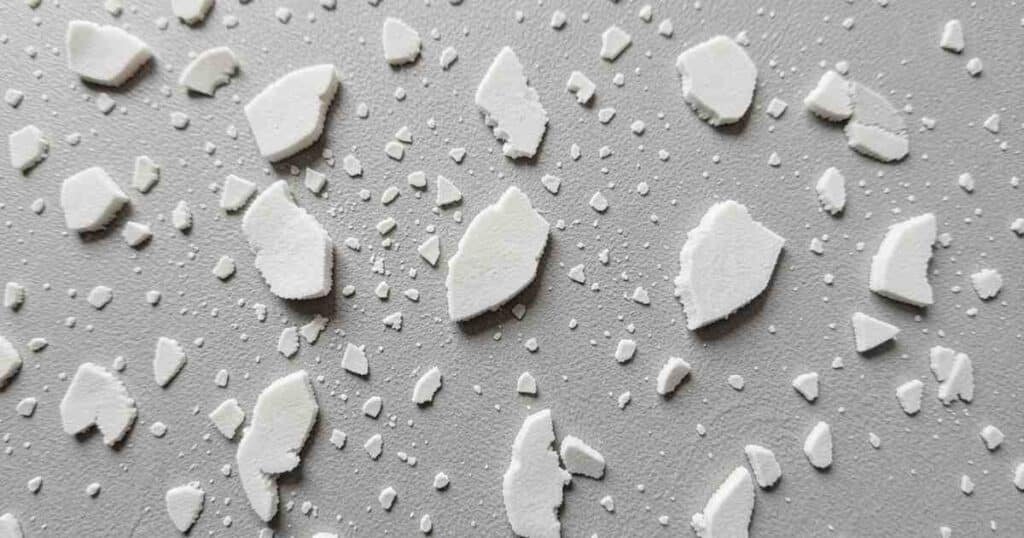
- High Heat Exposure: PTFE coatings can break down when heated beyond their recommended temperature (usually around 500°F or 260°C). This can happen if a pan is left on a hot burner too long or used for searing at very high temperatures.
- Metal Utensils: Using metal spatulas, forks, or knives can scratch the PTFE surface. Even minor scratches can weaken the coating. This allows heat and food particles to get underneath, leading to faster degradation.
- Abrasive Cleaning: Scrubbing with steel wool or harsh abrasive cleaners will damage the non-stick surface. This removes the protective PTFE layer, exposing the metal underneath and accelerating flaking.
- Thermal Shock: Plunging a hot pan into cold water can cause the metal to contract rapidly. This can create tiny cracks in the PTFE coating. These cracks can then lead to larger flakes over time.
- Dishwasher Use: While some pans are labeled dishwasher-safe, the harsh detergents and high heat cycles can degrade the non-stick coating faster than hand washing.
Signs Your Non-Stick is Degrading
Recognizing the early signs of degradation is key. You might notice food starting to stick more than it used to. The surface may appear dull or scratched.
Small bubbles or blisters can form on the coating. The most obvious sign is visible flaking. If you see any of these indicators, it’s time to pay attention to The Hidden Cost of Cheap Non-Stick: PTFE Flaking Timelines and consider a replacement.
The Health and Safety Implications
When non-stick coatings start to break down, questions about safety arise. The primary concern is the ingestion of PTFE particles. While PTFE itself is considered inert and non-toxic when intact, its degradation products and fumes at high temperatures are a different story.
Ingesting PTFE Particles
Small flakes of PTFE that are accidentally ingested are generally considered harmless. The body does not absorb PTFE. It will pass through your system.
However, this doesn’t mean it’s ideal. Consistent ingestion is not recommended. The real concern often lies with the chemicals used in the manufacturing of PTFE, particularly older formulations, and the fumes released when the coating overheats.
Fumes from Overheated PTFE
When PTFE is heated to very high temperatures (above 500°F or 260°C), it can release fumes. These fumes are called perfluoroisobutylene (PFIB). PFIB is a toxic gas.
In poorly ventilated areas, inhaling these fumes can cause flu-like symptoms, known as polymer fume fever. While rare with modern, well-maintained cookware, it’s a serious risk associated with overheated non-stick surfaces. This is a critical aspect of understanding The Hidden Cost of Cheap Non-Stick: PTFE Flaking Timelines.
Chemicals in Older Non-Stick Coatings
Historically, PFOA (perfluorooctanoic acid) was used in the manufacturing of PTFE. PFOA has been linked to various health concerns. Most major manufacturers have phased out PFOA.
However, older cookware or very cheap imports might still contain it. Always check the product information. Modern PFOA-free coatings are a safer choice.
They still have flaking timelines, but the underlying chemistry is less concerning.
Comparing Cheap vs. Quality Non-Stick
The difference between a bargain non-stick pan and a higher-quality one is significant. This difference impacts not only performance but also longevity and safety. Understanding these distinctions helps justify the potentially higher upfront cost of quality cookware.
| Initial Cost | Low | Moderate to High |
| PTFE Thickness | Thin, often single layer | Thicker, multi-layer, sometimes reinforced |
| Durability | Low; scratches and flakes easily | Higher; resists scratches and heat better |
| Heat Resistance | Lower optimal temperature | Higher optimal temperature (up to 500°F/260°C) |
| Lifespan | 1-2 years (often less) | 3-5+ years with proper care |
| Sticking Issues | Develops quickly | Develops much slower |
| Cleaning | Requires more careful hand washing | Easier to clean, more forgiving |
| Flaking Tendency | High; noticeable early on | Low; occurs much later in its life |
This comparison highlights why focusing solely on the initial price can be misleading. The long-term value and reduced risk associated with quality non-stick cookware are substantial. Considering The Hidden Cost of Cheap Non-Stick: PTFE Flaking Timelines means looking beyond the sticker price to the total cost of ownership and potential health impacts.
Maximizing the Life of Your Non-Stick Pans
Even the best non-stick pans will eventually degrade. However, proper care can significantly extend their lifespan. Following these guidelines will help you get the most out of your investment and delay the inevitable flaking.
Proper Cooking Techniques
- Use Low to Medium Heat: Most cooking tasks on a non-stick pan do not require high heat. Medium heat is usually sufficient for most foods. Avoid preheating the pan empty for extended periods.
- Use the Right Utensils: Always use wooden, silicone, or plastic utensils. Never use metal. Be mindful of sharp edges on utensils, even if they are not metal.
- Avoid Aerosol Cooking Sprays: While they seem convenient, these sprays can build up on the non-stick surface. This buildup can become difficult to remove and can damage the coating. Use a small amount of oil or butter instead.
Gentle Cleaning Practices
- Hand Wash Whenever Possible: This is the single most important step. Use warm, soapy water and a soft sponge or cloth.
- Clean Promptly: Wash pans after they have cooled down to a safe temperature. Do not immerse a hot pan in cold water.
- Address Stubborn Residue: For stuck-on food, soak the pan in warm, soapy water for a while. You can also gently simmer water in the pan. Avoid harsh scrubbing.
- Never Use Abrasives: Steel wool, abrasive pads, and harsh dish soaps will damage the non-stick surface.
Smart Storage Solutions
Improper storage can lead to scratches and damage. Store your non-stick pans carefully to prevent them from rubbing against each other. You can use pan protectors or soft cloths between pans when stacking them.
Hanging pans can also be a good option if space allows. This prevents them from being scratched by other cookware.
When It’s Time to Say Goodbye
There comes a point when every non-stick pan has reached the end of its useful life. Ignoring the signs can lead to poor cooking performance and potential safety issues. Understanding The Hidden Cost of Cheap Non-Stick: PTFE Flaking Timelines means knowing when to replace your cookware.Recognizing the End of Life
If your pan consistently sticks despite proper care, it’s a clear sign. If the non-stick surface is heavily scratched, pitted, or has large areas where the coating is missing, it’s time for a replacement. Visible bubbling or peeling of the coating is another definitive indicator.
Don’t wait until you see significant flaking in your food.
The Cost of Not Replacing
Continuing to use a degraded non-stick pan can mean food sticking and burning. This leads to wasted ingredients and frustrating cooking experiences. It can also mean you are repeatedly ingesting small particles of the coating.
While generally considered inert, it’s an unnecessary exposure. Furthermore, the cost of frequently replacing very cheap pans can, over time, exceed the cost of one good quality pan that lasts much longer.
Alternatives to Consider
If you are concerned about PTFE and its lifespan, consider alternative cookware materials. Stainless steel, cast iron, carbon steel, and ceramic cookware are excellent options. Each has its own learning curve and maintenance requirements but offers superior durability and longevity.
Many kitchens benefit from a mix of cookware types.
Frequently Asked Questions Of The Hidden Cost Of Cheap Non-Stick: Ptfe Flaking Timelines
Question: How long does a typical non-stick pan last?
Answer: A good quality non-stick pan can last between 1 to 5 years with proper care. Cheaper pans may degrade much faster, sometimes within the first year.
Question: Is it dangerous to eat small flakes of non-stick coating?
Answer: Generally, ingesting small PTFE flakes is considered harmless as they pass through the body. However, it indicates the pan is degrading and should be replaced.
Question: When should I discard my non-stick pan due to flaking?
Answer: Discard your pan if you notice significant scratching, bubbling, peeling, or consistent sticking. Visible flaking is a sure sign it’s time for a replacement.
Question: Can I use metal utensils on my non-stick pan?
Answer: No, you should never use metal utensils on non-stick pans. They will scratch and damage the PTFE coating, accelerating flaking.
Question: What is the main health concern with overheated non-stick pans?
Answer: Overheating PTFE can release toxic fumes (PFIB). Inhaling these can cause flu-like symptoms, known as polymer fume fever.
Question: Are PFOA-free non-stick pans safe forever?
Answer: PFOA-free pans are safer from PFOA exposure, but they still have PTFE coatings that degrade over time and can flake.
Final Thoughts
Choosing non-stick cookware involves looking past the initial price tag. Understanding The Hidden Cost of Cheap Non-Stick: PTFE Flaking Timelines reveals that quality and proper care extend pan life and ensure safer cooking. Invest wisely, treat your pans gently, and know when it’s time for a replacement to keep your kitchen healthy and your meals enjoyable.

Leave a Reply