
![The ‘Never Preheat Non Stick Empty’ Rule What’S Actually Dangerous[1]](https://kitchentipsdaily.com/wp-content/uploads/2026/06/The_‘Never_Preheat_Non-Stick_Empty_Rule_WhatS_Actually_Dangerous1.jpg)
The “never preheat non-stick empty” rule matters because an empty PTFE-coated pan can overheat within minutes, damaging the coating and releasing irritating polymer fumes.
The danger is not normal low-heat cooking; it is dry high heat, forgotten pans, and poor ventilation. Add oil, butter, water, or food before heating, and use medium or low heat.
You grab your favorite non-stick skillet, eager to whip up a quick breakfast. You place it on the stove, turn up the heat, and then remember you forgot the butter. A few minutes later, you notice a faint shimmer and a wisp of smoke.
You might think this is just a minor inconvenience, but understanding The ‘Never Preheat Non-Stick Empty’ Rule What’s Actually Dangerous is crucial for your kitchen safety and the longevity of your cookware.
This article will show you why this common practice can be harmful and what you should do instead, helping you feel more confident in the kitchen and avoid costly mistakes.
Key Takeaways
- Preheating a non-stick pan empty can lead to overheating and the release of harmful fumes.
- The non-stick coating can degrade rapidly when subjected to high, dry heat.
- Using cooking oil or food immediately is the correct way to preheat non-stick cookware.
- The danger lies not just in the fumes but also in the potential for coating breakdown.
- Proper preheating protects your investment in non-stick pans.
![The ‘Never Preheat Non Stick Empty’ Rule What’S Actually Dangerous[1]](https://kitchentipsdaily.com/wp-content/uploads/2026/06/The_%E2%80%98Never_Preheat_Non-Stick_Empty_Rule_WhatS_Actually_Dangerous1.jpg)
Why Empty Non-Stick Pans Pose a Risk
Many home cooks believe that preheating any pan is a good idea. It helps ensure even cooking and prevents food from sticking. However, when it comes to non-stick cookware, this practice can be counterproductive and, frankly, dangerous.
The core issue is heat. Non-stick coatings, often made with materials like PTFE (polytetrafluoroethylene), are sensitive to extreme temperatures. When a non-stick pan is heated without any oil or food, it reaches these dangerous temperatures much faster than you might think.
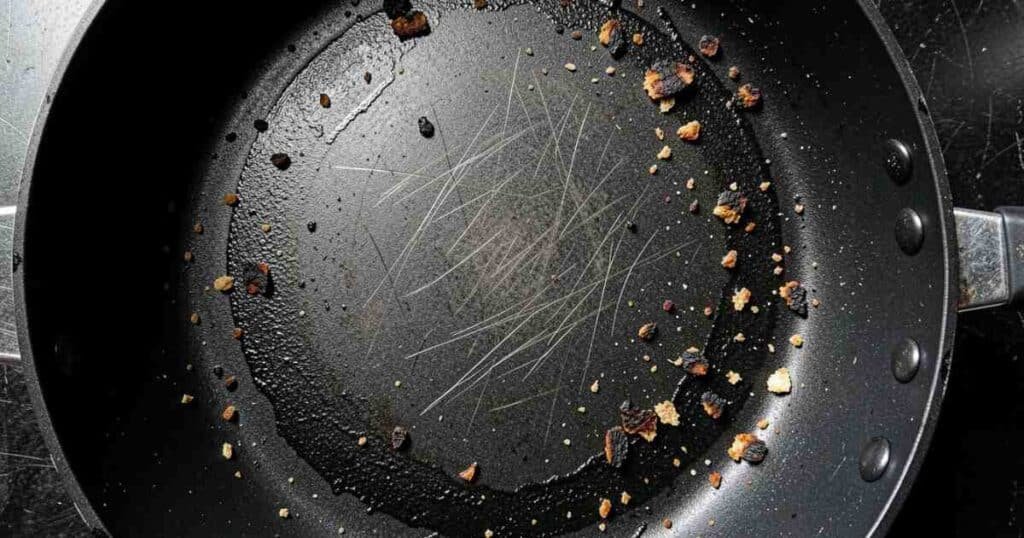
The ‘Never Preheat Non-Stick Empty’ Rule What’s Actually Dangerous centers on the rapid degradation of the coating. Unlike cast iron or stainless steel, which can withstand high heat, non-stick surfaces are designed for lower to medium heat. When empty, the pan absorbs heat directly into its coating.
This concentrated heat can cause the coating to break down, releasing volatile organic compounds (VOCs) and fine particles into the air.
The Science Behind the Smoke
At temperatures above 500°F (260°C), PTFE coatings begin to break down. This process releases fumes that can cause flu-like symptoms in humans, often called “polymer fume fever.” While a single instance might not cause lasting harm, repeated exposure is a concern. Birds are particularly sensitive to these fumes, and even small amounts can be fatal to them.
Understanding The ‘Never Preheat Non-Stick Empty’ Rule What’s Actually Dangerous means acknowledging these potential health risks.
Furthermore, the breakdown of the non-stick layer compromises its effectiveness. The smooth, slippery surface starts to become less so. This can lead to food sticking, ironically defeating the primary purpose of the non-stick pan.
It’s a cycle where the attempt to improve cooking performance actually damages the pan and potentially the air quality in your kitchen. This is a key reason why The ‘Never Preheat Non-Stick Empty’ Rule What’s Actually Dangerous is so important to remember.
What Happens to the Non-Stick Coating?
The special surface of non-stick pans is a marvel of modern kitchen technology. It’s designed to be slick, allowing food to slide off easily. This slickness comes from a molecular structure that is resistant to adhesion.
However, this structure is not infinitely stable. High heat, especially dry heat without anything to absorb or dissipate it, can weaken the bonds within the coating.
Imagine the coating as a delicate fabric. If you expose it to extreme heat without any protection, it can scorch, warp, or even melt. For non-stick pans, this means the surface can become pitted, scratched, or lose its smooth quality.
This damage is often irreversible. You might notice tiny bubbles forming or a change in the color of the coating. These are all signs that the non-stick properties are failing, and the pan is becoming less safe to use.
The Impact of Overheating
When you overheat an empty non-stick pan, you are essentially stressing the material beyond its intended limits. The polymer chains that create the non-stick surface can start to break apart. This process not only releases fumes but also creates microscopic imperfections on the pan’s surface.
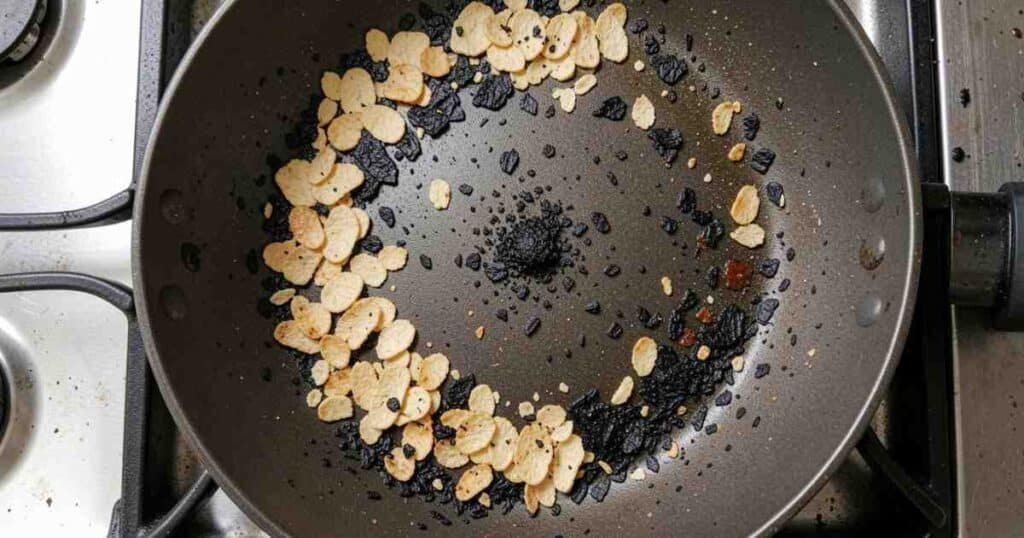
Over time, these imperfections grow, leading to a loss of the non-stick quality.
The ‘Never Preheat Non-Stick Empty’ Rule What’s Actually Dangerous highlights this degradation. It’s not just about the fumes; it’s about the physical damage to the pan. A damaged non-stick surface can also be harder to clean.
Food particles can get trapped in the pits and scratches, requiring more scrubbing, which can further damage the coating. This is a frustrating outcome for any cook.
Safer Alternatives for Preheating
So, if you can’t just heat an empty non-stick pan, what should you do? The answer is simple: always add a cooking fat or the food itself to the pan before heating. This provides a buffer for the non-stick coating and ensures more even heat distribution.
First, if you’re cooking eggs, bacon, or anything that renders its own fat, you can place the food directly into the cold pan and then heat it. The fat from the food will start to melt and coat the pan as it heats up. This is a perfectly safe and effective way to preheat.
Second, for other dishes, add a small amount of cooking oil, butter, or spray to the pan before turning on the heat. A teaspoon or two is usually sufficient. Allow the oil to heat gently before adding your ingredients.
You’ll know the pan is ready when the oil shimmers slightly, but it shouldn’t be smoking. This method ensures that the heat is absorbed by the oil, protecting the non-stick surface.
The Role of Cooking Fat
Cooking fats act as heat conductors and insulators. When you add oil or butter to a non-stick pan and then heat it, the fat absorbs the heat. This prevents the pan's surface from reaching the dangerously high temperatures that cause the coating to break down.
The fat also helps to create a more uniform temperature across the pan’s surface, leading to more even cooking.
Using the right amount of fat is key. Too little and you risk the pan getting too hot. Too much and your food might become overly greasy.
For most non-stick cooking, a light coating is all you need. This is a fundamental aspect of understanding why The ‘Never Preheat Non-Stick Empty’ Rule What’s Actually Dangerous is a crucial piece of kitchen wisdom.
Understanding Different Non-Stick Materials
While PTFE is the most common non-stick material, other types exist, such as ceramic coatings. Each has its own properties and heat tolerances. However, the general principle of avoiding high, dry heat remains important across most non-stick surfaces.
Ceramic non-stick pans are often touted as a more “natural” or “eco-friendly” alternative. They typically rely on a silicon-based coating derived from sand. While they don’t release the same potentially harmful fumes as overheated PTFE, they can still degrade with excessive heat.
The delicate ceramic layer can crack or lose its non-stick properties if subjected to extreme, dry heat.
PTFE vs. Ceramic: Heat Tolerance
PTFE coatings have a lower maximum safe operating temperature compared to ceramic. While PTFE is generally safe up to around 500°F (260°C), ceramic coatings can often withstand slightly higher temperatures, sometimes up to 600°F (315°C). However, these are upper limits, and prolonged exposure, especially without any cooking medium, can still cause damage.
It’s important to remember that even with ceramic, the goal is to protect the coating. Preheating an empty ceramic pan can still lead to uneven heating and potential stress on the material.
Therefore, the advice to always use oil or food remains sound for most non-stick cookware, reinforcing why The ‘Never Preheat Non-Stick Empty’ Rule What’s Actually Dangerous is a widely applicable safety tip.
Extending the Life of Your Non-Stick Pans
Beyond avoiding empty preheating, several other practices can help your non-stick pans last longer and perform better. These are simple habits that protect your investment and ensure you get the most out of your cookware.
First, avoid using metal utensils. Metal spatulas, forks, and knives can scratch and gouge the non-stick surface, even if it appears robust. Opt for silicone, wood, or plastic utensils.
These are gentler on the coating and will not cause the damage that metal can.
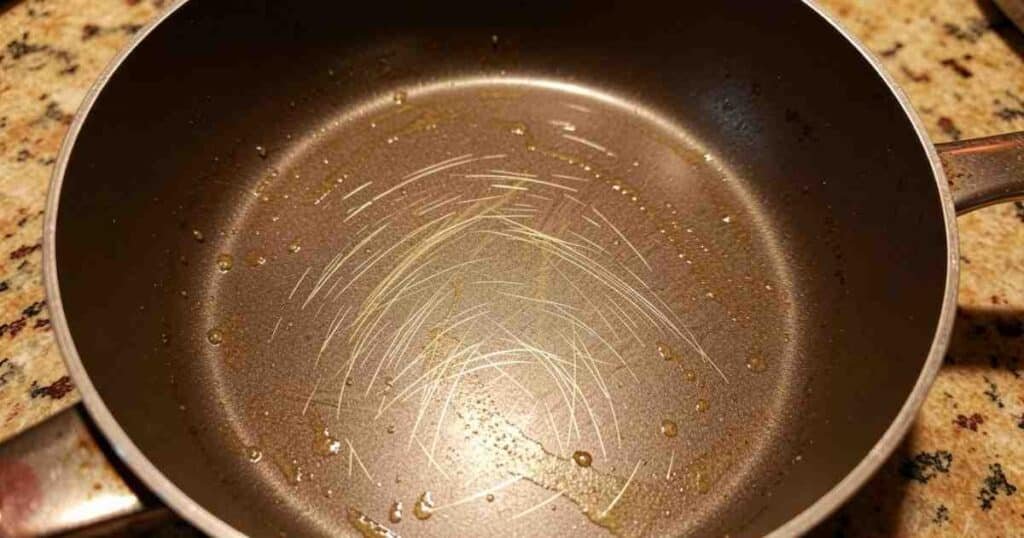
Second, clean your pans gently. While many non-stick pans are advertised as dishwasher safe, handwashing is generally recommended for preserving the coating. Use a soft sponge or cloth and mild dish soap.
Avoid abrasive scrubbers or harsh detergents, which can wear down the non-stick layer over time.
Next, store your pans carefully. If you stack them, place a pan protector or a soft cloth between them to prevent scratching. This simple step can prevent microscopic damage that might not be visible but can affect performance.
The Importance of Gradual Heating and Cooling
Sudden temperature changes can also stress non-stick coatings. Avoid plunging a hot pan into cold water. Allow the pan to cool down gradually on the stovetop or a heat-resistant surface before washing it.
This gradual cooling process helps prevent warping and maintains the integrity of the non-stick surface.
Consistent, moderate heat is the best friend of non-stick cookware. By following these simple care tips, you can significantly extend the lifespan of your non-stick pans and continue to enjoy their benefits for years to come.
Understanding The ‘Never Preheat Non-Stick Empty’ Rule What’s Actually Dangerous is just the first step in a broader approach to cookware care.
Frequently Asked Questions Of The ‘Never Preheat Non-Stick Empty’ Rule What’S Actually Dangerous
Question: Is it always dangerous to preheat an empty non-stick pan?
Answer: Yes, it is generally considered dangerous and detrimental to the pan’s coating. The primary risk is overheating, which can release harmful fumes and damage the non-stick surface.
Question: What are the symptoms of breathing in fumes from an overheated non-stick pan?
Answer: Symptoms can include flu-like feelings, such as fever, chills, headache, and body aches, often referred to as “polymer fume fever.” While usually temporary, it’s best to avoid exposure.
Question: Can I preheat my non-stick pan if I’m going to add oil right away?
Answer: It’s better to add the oil to the pan before heating it. This way, the oil absorbs the heat and protects the non-stick coating from the start. Adding oil after the pan is already hot is less effective at preventing damage.
Question: How can I tell if my non-stick pan’s coating is damaged?
Answer: Signs of damage include visible scratches, peeling, bubbling, or a change in the color or texture of the non-stick surface. Food also starts to stick more easily.
Question: What is the safest way to preheat a non-stick pan for cooking eggs?
Answer: For eggs, you can place them directly into a cold non-stick pan and then turn on the heat. The fat from the eggs will render as they cook, protecting the surface.
Question: Is it okay to use cooking spray on non-stick pans?
Answer: While convenient, some cooking sprays can leave a residue that is difficult to remove and can build up over time, damaging the non-stick surface. It’s often better to use a small amount of oil or butter.
Question: Does The ‘Never Preheat Non-Stick Empty’ Rule What’s Actually Dangerous apply to all non-stick pans?
Answer: The rule generally applies to most non-stick pans, especially those with PTFE or ceramic coatings. The underlying principle of protecting the coating from extreme dry heat remains consistent.
Final Thoughts
Avoiding the empty preheat is a simple habit that significantly protects your health and your cookware. By adding oil or food before heating, you ensure your non-stick pans last longer and remain safe to use. Remember this crucial rule for a better cooking experience. It is important to clean your pans gently with a soft sponge to preserve the coating.

Leave a Reply