
Modern dish soap won’t destroy cast iron seasoning because seasoning is polymerised oil bonded to the pan, not loose grease.
A small amount of mild soap can remove food residue without stripping a well-seasoned surface. The real risks are soaking, dishwasher use, harsh scrubbing, rust, and failing to dry and lightly oil the pan after washing.
For years, a common piece of cooking advice has been to avoid dish soap on cast iron. Many home cooks still believe that even a tiny bit of soap will strip away all their hard work. But what if that advice is outdated?
The truth is, modern dish soap won’t destroy cast iron seasoning like the harsh lye-based soaps of the past. This post will explain why and show you how to properly care for your cast iron, ensuring it lasts for generations.
You’ll learn how to clean your pans effectively without fear, leading to better cooking results and a well-maintained kitchen staple.
Key Takeaways
- Modern dish soaps are formulated to be gentler than older versions.
- Proper cleaning with mild soap actually helps maintain cast iron seasoning.
- The key to preserving seasoning is to dry and re-oil the pan after washing.
- Harsh scrubbing or abrasive materials are more damaging than mild soap.
- Understanding the science behind seasoning makes cast iron care less intimidating.
- You can confidently use mild dish soap for everyday cast iron cleaning.
![Modern Dish Soap Won’T Destroy Cast Iron Seasoning Modern Dish Soap Won’T Destroy Cast Iron Seasoning[1]](https://kitchentipsdaily.com/wp-content/uploads/2026/06/Modern_Dish_Soap_WonT_Destroy_Cast_Iron_Seasoning__Modern_Dish_Soap_WonT_Destroy_Cast_Iron_Seasoning1.jpg)
Why the Old Advice About Soap Exists
The fear of using soap on cast iron comes from a time when dish soaps were very different. Back then, soaps often contained lye. Lye is a strong alkali.
It was effective at cutting through grease. However, it was also very harsh. This harshness could easily break down the polymerized oil layer that makes up cast iron seasoning.This layer is what gives cast iron its non-stick properties. It also protects the metal from rust. So, the old advice to avoid soap was sound for the soaps available then.
Think of it like this: imagine using a very strong industrial degreaser on your hands. It would get them clean, but it would also dry them out and might even cause irritation. Older soaps were like those industrial degreasers for cast iron.
They did the job of cleaning but at a significant cost to the pan’s surface. This created a strong, lasting impression that soap and cast iron were enemies.
Understanding Cast Iron Seasoning
Cast iron seasoning isn’t just a coating. It’s a layer of polymerized oil baked onto the iron. This process happens when oil is heated to high temperatures.
The oil molecules break down and link together. They form a hard, smooth surface. This surface is naturally non-stick.
It also protects the iron from moisture. Proper seasoning builds up over time with use and care. It’s a living surface that can be maintained and improved.
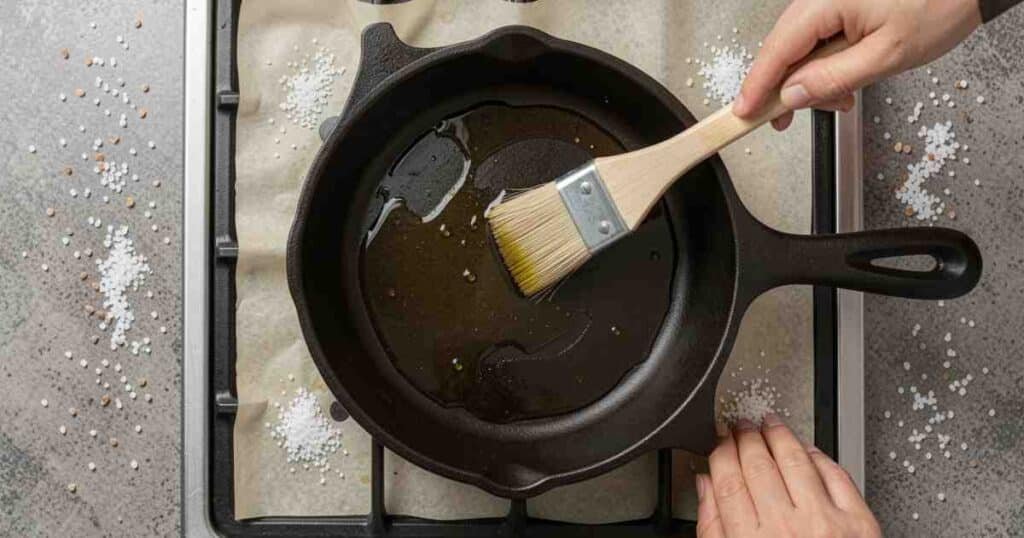
The seasoning layer is quite durable. It can withstand normal cooking and cleaning. It’s not a fragile film that washes away easily.
Instead, it’s a molecular bond. This bond is strong. It requires more than just a quick wash to remove.
Understanding this helps explain why modern dish soap won’t destroy cast iron seasoning. The seasoning is more resilient than many people believe.
The Evolution of Dish Soap
Today’s dish soaps are vastly different. They are formulated for gentle yet effective cleaning. Modern dish soaps use milder surfactants.
These are the cleaning agents. They are designed to lift food particles and grease. They do this without stripping away essential oils or coatings.
Many are pH-neutral or slightly acidic. This is a far cry from the harsh, high-alkali soaps of the past. Manufacturers have focused on creating products that are safe for various surfaces, including delicate ones.
These modern formulas are a result of advancements in chemical engineering. They aim to balance cleaning power with material preservation. The goal is to remove food residue and grime.
They do this without damaging the cookware itself. This makes them suitable for a wide range of pots and pans. It also means they are safe for your treasured cast iron pieces.
So, the core reason for the old soap taboo has largely disappeared with the soap itself.
Why Modern Dish Soap Won’t Destroy Cast Iron Seasoning
The primary reason modern dish soap won’t destroy cast iron seasoning lies in its chemical composition. Modern soaps are engineered to break down grease and food particles. They do this through emulsification.
This process surrounds grease molecules. It allows them to be easily rinsed away. They don’t typically contain the harsh alkalis or solvents that could break the polymer bonds of seasoning.
The polymerized oil layer is more resistant to these modern cleaning agents.
Think of the seasoning as a microscopic layer of plastic. Harsh chemicals can dissolve plastic. But mild soaps are more like water.
They can clean around it and lift away stuck-on food. The seasoning’s integrity is maintained. The oil molecules are bonded.
They don’t simply detach. This is why gentle scrubbing with a soft sponge and a bit of mild soap is usually fine. It effectively cleans the pan without compromising the seasoning.
How to Clean Your Cast Iron Safely with Soap
Cleaning your cast iron with modern dish soap is straightforward. First, after cooking, let the pan cool slightly. It should still be warm, but not scorching hot.
Next, rinse the pan under warm running water. Use a soft sponge or a nylon brush to scrub away any food bits. If needed, add a small amount of mild dish soap.
Gently scrub the interior surfaces. Avoid using steel wool or abrasive scouring pads.
Then, rinse the pan thoroughly with warm water. Ensure all soap residue is gone. The most crucial step is drying.
Immediately after rinsing, dry the pan completely with a clean towel. Do not let it air dry. Air drying can lead to rust.
For extra protection, place the dry pan back on a low heat burner for a few minutes. This ensures all moisture evaporates. Finally, while the pan is still warm, apply a very thin layer of cooking oil.
Wipe it all over the interior surface with a paper towel. This helps maintain the seasoning and prevents rust. This process ensures modern dish soap won’t destroy cast iron seasoning.
What to Avoid When Cleaning Cast Iron
While modern dish soap won’t destroy cast iron seasoning, certain practices can still damage it. The biggest culprits are abrasive cleaning tools and prolonged soaking. Avoid using steel wool, metal scouring pads, or abrasive cleaners.
These can scratch and remove the seasoning layer. They can also scratch the iron itself. This necessitates re-seasoning the pan.
Never leave your cast iron pan soaking in water. This is a fast track to rust. The iron will absorb moisture.
It will quickly start to corrode. Also, avoid putting cast iron in the dishwasher. The harsh detergents and high heat cycles are too aggressive.
They will strip the seasoning and can cause rust. These are the real enemies of cast iron, not a little bit of mild soap.
The Role of Re-Seasoning
Even with careful cleaning, cast iron seasoning can wear down over time. This is normal. It happens with regular use.
Re-seasoning is the process of rebuilding this protective layer. It’s not a sign of failure. It’s a part of cast iron maintenance.
If your pan starts to look dull, food begins sticking more, or you notice rust spots, it’s time to re-season.
The process involves applying a thin layer of cooking oil. You then bake the pan at a high temperature. This bakes the oil onto the iron.
It polymerizes, creating a new layer of seasoning. This is a straightforward process. It can bring even neglected cast iron back to life.
Knowing how to re-season makes the fear of minor cleaning mishaps less concerning. It reinforces that modern dish soap won’t destroy cast iron seasoning permanently.
Common Misconceptions Debunked
One of the most persistent myths is that any soap will ruin cast iron. As we’ve discussed, this is largely untrue for contemporary soaps. Another misconception is that cast iron is inherently difficult to care for.
While it requires specific attention, it’s not overly complicated. The key is consistency and understanding the material.
People often think that if a little soap is bad, no soap is better. However, food particles and bacteria can build up. A thorough cleaning is necessary for hygiene.
Using a small amount of mild soap is the most effective way to achieve this. It allows you to clean without causing damage. This approach ensures your pan is both clean and well-seasoned.
It proves that modern dish soap won’t destroy cast iron seasoning if used correctly.
Comparing Cleaning Methods
To illustrate the difference, let’s compare common cast iron cleaning methods. This table highlights why mild soap is acceptable.
| Hot Water & Scrub Brush | Minimal to None | Gentle, removes stuck food | May not remove all grease/residue |
| Mild Dish Soap & Sponge | Minimal (if dried and re-oiled) | Effective grease removal, hygienic | Requires immediate drying and re-oiling |
| Abrasive Scrubber (Steel Wool) | Significant Removal | Removes stubborn burnt-on food | Requires full re-seasoning |
| Dishwasher | Complete Removal | Effortless cleaning | Destroys seasoning, causes rust |
| Lye-Based Soap (Old Formula) | Significant Removal | Very strong degreaser | Damages seasoning, harsh |
As you can see, the methods involving harsh abrasives or extreme conditions are the ones to avoid. Using a mild soap is a much gentler approach. It offers superior cleaning without the severe drawbacks.
This comparison reinforces that modern dish soap won’t destroy cast iron seasoning.
Benefits of Embracing Modern Cleaning Practices
Letting go of the fear of soap opens up easier cast iron care. You can clean your pan efficiently. You won’t worry about accidentally ruining your seasoning.
This leads to more frequent and enjoyable use of your cast iron cookware. A well-used and well-cared-for cast iron pan becomes a reliable kitchen workhorse.
The ability to use mild soap means your cast iron is more practical for everyday cooking. You don't have to reserve it for specific dishes. You can cook acidic foods like tomatoes or wine sauces without as much worry.
This flexibility makes cast iron a more versatile tool. It encourages cooks to embrace its full potential. It shows that modern dish soap won’t destroy cast iron seasoning, making cooking simpler.
Frequently Asked Questions Of Modern Dish Soap Won’T Destroy Cast Iron Seasoning
Question: Is it ever okay to use a little bit of dish soap on my cast iron?
Answer: Yes, it is perfectly fine to use a small amount of mild dish soap. Modern dish soaps are gentle enough not to strip away well-established seasoning when used properly and followed by immediate drying and light oiling.
Question: What kind of dish soap should I use for my cast iron?
Answer: Look for mild, pH-neutral dish soaps. Avoid anything labeled as “heavy-duty degreaser” or containing harsh chemicals like lye. Most standard dish soaps from reputable brands will work well.
Question: How do I know if my cast iron seasoning is damaged by soap?
Answer: If your seasoning is damaged, food will start sticking excessively. You might see dull patches or even rust spots on the cooking surface. If this happens, it’s time to re-season your pan.
Question: Can I use hot water with dish soap on my cast iron?
Answer: Yes, warm or hot water is generally recommended for cleaning cast iron. It helps to loosen food particles. Just be sure to dry the pan thoroughly immediately after washing.
Question: Does the type of oil I use for seasoning matter if I use soap?
Answer: The type of oil used for seasoning is important for building the layer. However, when using mild dish soap, the oil’s type is less critical to the soap’s potential impact, as long as you are drying and re-oiling correctly after washing.
Question: Will using soap make my cast iron pan rust faster?
Answer: No, using mild dish soap itself will not make your cast iron pan rust faster. Rust occurs when the iron is exposed to moisture for too long. Proper drying and a light oil coating after washing are what prevent rust, regardless of whether soap was used.
Final Thoughts
You can now confidently clean your cast iron with mild dish soap. Remember to rinse well, dry immediately, and apply a thin coat of oil. This simple routine ensures your pan stays non-stick and rust-free.
Embracing these practices makes cast iron cooking easier and more enjoyable.

Leave a Reply