
A second-hand cast iron pan should be checked for cracks, deep rust, severe pitting, wobbling, warped cooking surface, loose handles, and old coating buildup before buying.
Light rust and dull seasoning are fixable, but structural damage is not. Choose a pan that sits flat, feels solid, and can be cleaned and re-seasoned safely.
Finding a great deal on a cast iron pan at a thrift store or online can feel like striking gold. You envision delicious meals, perfectly seared steaks, and crispy cornbread. But before you hand over your cash, there are crucial details to examine.
Knowing 7 Things To Check on a Second-Hand Cast Iron Pan Before Buying can save you from a disappointing purchase and ensure you get a piece that will last a lifetime. This guide will equip you with the knowledge to make a smart choice, enhancing your cooking experience and ensuring your new-to-you pan is ready for action.
Key Takeaways
- You will learn to identify rust and warping to avoid buying damaged pans.
- Discover how to check for cracks and pitting that can affect cooking.
- Understand the importance of seasoning and how to assess its condition.
- Learn to evaluate handle integrity for safe and comfortable use.
- Gain insights into identifying brand and value for potential restoration projects.
- Be prepared to make an informed decision when selecting a pre-owned cast iron pan.
![7 Things To Check On A Second Hand Cast Iron Pan Before Buying[1]](https://kitchentipsdaily.com/wp-content/uploads/2026/06/7_Things_To_Check_On_A_Second-Hand_Cast_Iron_Pan_Before_Buying1.jpg)
Is It Worth Buying a Used Cast Iron Pan?
The allure of a pre-owned cast iron pan is strong. Often, these pans are sold at a fraction of the cost of new ones. Many vintage pieces are exceptionally well-made, sometimes even better than modern counterparts.
They carry a history, a story of countless meals prepared. However, not all used pans are created equal. Some may look good on the surface but hide significant problems that make them unusable or require extensive, time-consuming restoration.
That’s why understanding 7 Things To Check on a Second-Hand Cast Iron Pan Before Buying is so important.
A well-chosen used cast iron pan can be a fantastic addition to your kitchen. It offers superior heat retention and distribution, making it ideal for searing, frying, and baking. It’s a sustainable choice, giving an old item a new life.
But to truly benefit, you need to know what to look for. This guide focuses on the practical steps to ensure your investment is sound.
First: Inspect for Rust and Pitting
Rust is the arch-nemesis of cast iron. It’s a sign of oxidation and can weaken the metal if left untreated. When examining a second-hand pan, look closely at its entire surface, inside and out.
Pay special attention to the edges and the bottom, as these areas often accumulate moisture.
First, check for any visible orange or reddish-brown spots. Light surface rust can often be removed with steel wool and re-seasoning. However, deep, pitted rust, where the metal has been eaten away, is a much bigger problem.
Pitting can create an uneven cooking surface and may be difficult, if not impossible, to fully restore.
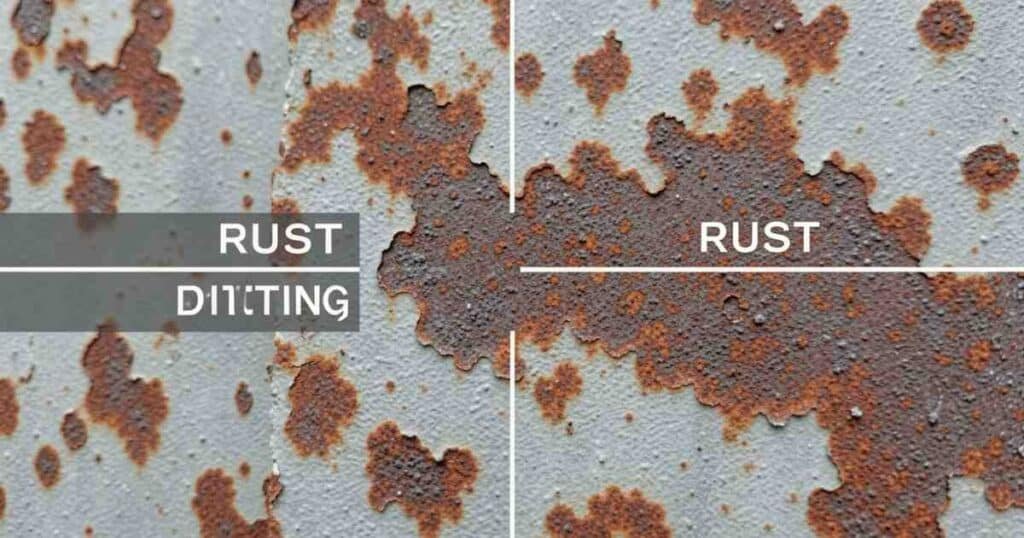
Look for small, rough indentations on the pan’s surface. These are pits. While some minor pitting might be acceptable on a very old pan, extensive pitting can ruin its cooking performance.
A smooth surface is ideal. If you see significant pitting, you might want to pass on that particular pan. It’s one of the most critical 7 Things To Check on a Second-Hand Cast Iron Pan Before Buying.
Second: Examine for Cracks and Warping
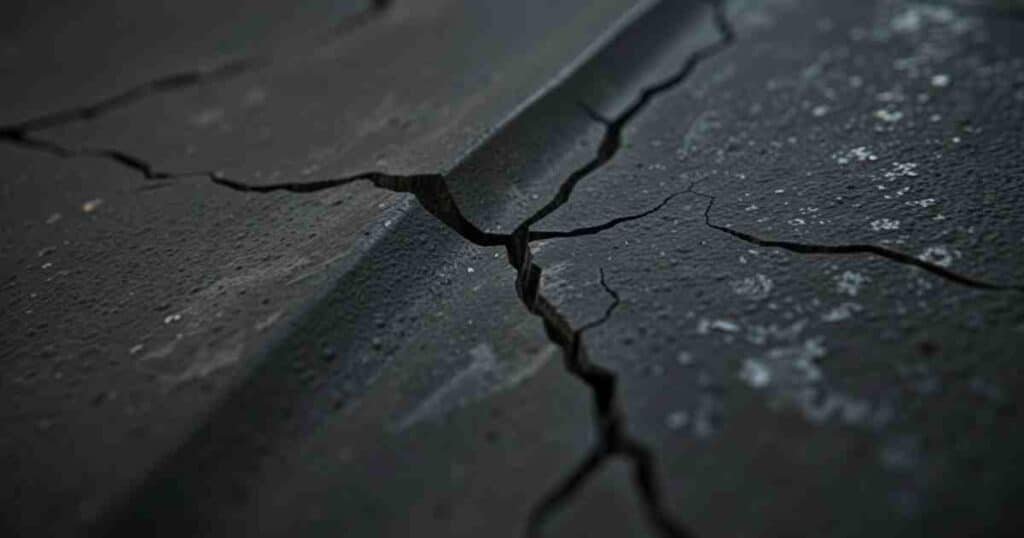
Cracks are a deal-breaker for cast iron pans. Unlike rust, a crack cannot be repaired. A cracked pan is structurally unsound and can be dangerous to use, as it might break further under heat or stress.
Second, carefully run your fingers along the entire surface of the pan, especially around the rim and the base of the handle. Sometimes, cracks are hairline and hard to see, but you might feel a subtle imperfection. Hold the pan up to the light; a crack can sometimes be seen as a dark line against a bright background.
Warping is another issue to watch out for. A warped pan will not sit flat on your stovetop or in your oven. This unevenness leads to inconsistent heating, meaning some parts of your food will cook faster than others.
To check for warping, place the pan on a flat surface, like a countertop or a level table. See if it rocks or wobbles. A slight wobble might be manageable, but a significant warp means the pan won’t perform well.
This is a key point among the 7 Things To Check on a Second-Hand Cast Iron Pan Before Buying.
Third: Assess the Seasoning Layer
Seasoning is the protective layer of polymerized oil that gives cast iron its non-stick properties and prevents rust. A well-seasoned pan is smooth, slightly glossy, and dark. A poorly seasoned pan might be dull, patchy, or have areas where the seasoning has chipped off.
Third, observe the color and texture of the pan’s interior. Is it a uniform, dark color? Does it have a subtle sheen?
Or are there lighter patches, sticky spots, or areas that look like bare metal? A pan with flaking seasoning might indicate that the previous owner didn’t maintain it properly or that the seasoning was applied unevenly.
While flaking seasoning can be re-done, it adds to the work you'll need to put in. If the pan feels rough or sticky, it's a sign that the seasoning is compromised. You want a pan that looks like it has a good foundation.
If the seasoning is completely gone, you’ll need to be prepared for a full re-seasoning process. Understanding the seasoning is one of the most important 7 Things To Check on a Second-Hand Cast Iron Pan Before Buying.
Fourth: Check the Handle and Lugs
The handle is crucial for safe and comfortable use. It needs to be securely attached and free from damage. A loose or cracked handle can lead to accidents.
Fourth, grab the handle firmly and try to wiggle it. Does it feel loose or wobbly where it connects to the pan body? If so, this could be a sign of weakness or a potential failure point.
While some older pans might have handles that are riveted on and have a little play, excessive movement is a red flag.
Also, inspect the lugs or feet if the pan has them. These are the points where the pan rests. Ensure they are intact and not chipped or broken.
A damaged lug could make the pan unstable. The overall structural integrity, including the handle, is vital. This is why checking the handle is among the essential 7 Things To Check on a Second-Hand Cast Iron Pan Before Buying.
Fifth: Consider the Pan’s Weight and Balance
Cast iron is heavy, but there’s a range. A pan that feels excessively light might be thinner than usual, which can affect its heat retention. Conversely, a pan that feels overly heavy might be a sign of thick, uneven casting.
Fifth, pick up the pan. Does it feel substantial and well-built? Does it feel balanced in your hand?
While this is a subjective check, a good cast iron pan should have a solid, reassuring weight. If you’re familiar with cast iron, you’ll have a sense of what feels right.
Think about how you plan to use the pan. A lighter pan might be easier to maneuver for stovetop cooking, while a heavier one might offer superior heat retention for oven use. The balance of the pan, especially how the handle feels in relation to the pan’s weight, contributes to its usability.
This aspect of feel is part of the 7 Things To Check on a Second-Hand Cast Iron Pan Before Buying.
Sixth: Identify the Brand and Age (If Possible)
Knowing the brand and age of a cast iron pan can give you clues about its quality and potential value. Some vintage brands are highly sought after by collectors and cooks alike for their superior craftsmanship.
Sixth, look for any markings on the bottom of the pan. These could be manufacturer logos, patent numbers, or size indicators. Online resources and cast iron collector forums can help you identify brands and approximate ages based on these markings.
For instance, Griswold, Wagner Ware, and Lodge are well-known names with a long history.
A pan from a reputable vintage manufacturer might be a better investment, even if it requires some restoration. It often means better metal quality and design. Researching the markings can help you determine if you’re looking at a common piece or a rare find.
Identifying the maker is an important part of the 7 Things To Check on a Second-Hand Cast Iron Pan Before Buying.
Seventh: Feel the Surface Texture
Beyond the visible seasoning, the actual texture of the cast iron surface tells a story. A good pan should feel relatively smooth, not rough or gritty.
Seventh, after checking for rust and pitting, run your hand over the interior cooking surface. Does it feel smooth, almost like glass? Or does it feel bumpy, gritty, or have raised imperfections?
While some older pans might have a slightly rougher texture due to the casting process, excessive roughness can make cooking and cleaning difficult.
A very smooth surface is often a hallmark of high-quality vintage cast iron that has been well-maintained over decades. If the pan feels very rough, it might indicate a poor casting or significant past damage. When considering 7 Things To Check on a Second-Hand Cast Iron Pan Before Buying, the tactile feel is a crucial, often overlooked, indicator of quality.
Comparison: New vs. Used Cast Iron Pans
Deciding whether to buy new or used cast iron often comes down to budget, desired quality, and willingness to restore. Both have their advantages and disadvantages.
| Cost | Higher initial investment. | Potentially much lower cost, especially for vintage pieces. |
| Seasoning | Often comes pre-seasoned, but may require additional seasoning for best results. | Condition varies greatly; may need complete re-seasoning. |
| Quality & Durability | Modern manufacturing ensures consistency; quality can vary by brand. | Vintage pans are often known for superior metal quality and craftsmanship. |
| Restoration Effort | Minimal to none required. | May require cleaning, rust removal, and re-seasoning. |
| Historical Value | None. | Can be a piece of culinary history, sometimes collectible. |
| Risk of Damage | Low (usually new and undamaged). | Higher; requires careful inspection for cracks, warping, and deep rust. |
Choosing between a new and used pan depends on your priorities. If you want a ready-to-go pan with no hassle, a new one is simpler. If you're on a budget, enjoy a project, or seek the charm and quality of vintage cookware, a used pan can be a treasure.
Understanding the 7 Things To Check on a Second-Hand Cast Iron Pan Before Buying helps mitigate the risks associated with used options.
Frequently Asked Questions Of 7 Things To Check On A Second-Hand Cast Iron Pan Before Buying
Question: What is the most important thing to check on a second-hand cast iron pan?
Answer: The most critical checks among the 7 Things To Check on a Second-Hand Cast Iron Pan Before Buying are for cracks, deep rust, and warping, as these issues are often irreparable and make the pan unsafe or unusable.
Question: Can I fix a cast iron pan with light rust?
Answer: Yes, light surface rust is usually fixable. You can scrub it off with steel wool or a wire brush and then re-season the pan thoroughly.
Question: How do I know if a used cast iron pan is warped?
Answer: Place the pan on a perfectly flat surface. If it rocks or wobbles, it is warped. This is one of the key 7 Things To Check on a Second-Hand Cast Iron Pan Before Buying to ensure even cooking.
Question: What if the seasoning is completely gone on a used cast iron pan?
Answer: A pan with no seasoning is a blank slate. You will need to clean it thoroughly and then apply a new seasoning layer, which is a common and achievable restoration process.
Question: Are vintage cast iron pans always better than new ones?
Answer: Vintage pans often have superior metal quality and smoother surfaces due to older manufacturing methods. However, modern Lodge pans are also excellent and durable. The key is inspecting any pan, new or used, for damage.
Question: How much should I expect to pay for a good used cast iron pan?
Answer: Prices vary widely depending on brand, size, condition, and rarity. You can find common skillets for $5-$20, while rare vintage pieces can cost $50-$200 or more. Always consider the restoration effort needed.
Final Thoughts
Buying a used cast iron pan can be a rewarding experience. By carefully inspecting for rust, cracks, warping, and assessing the seasoning and handle integrity, you can find a durable cooking companion. Remember the 7 Things To Check on a Second-Hand Cast Iron Pan Before Buying to make a wise choice.

Leave a Reply