Cookware

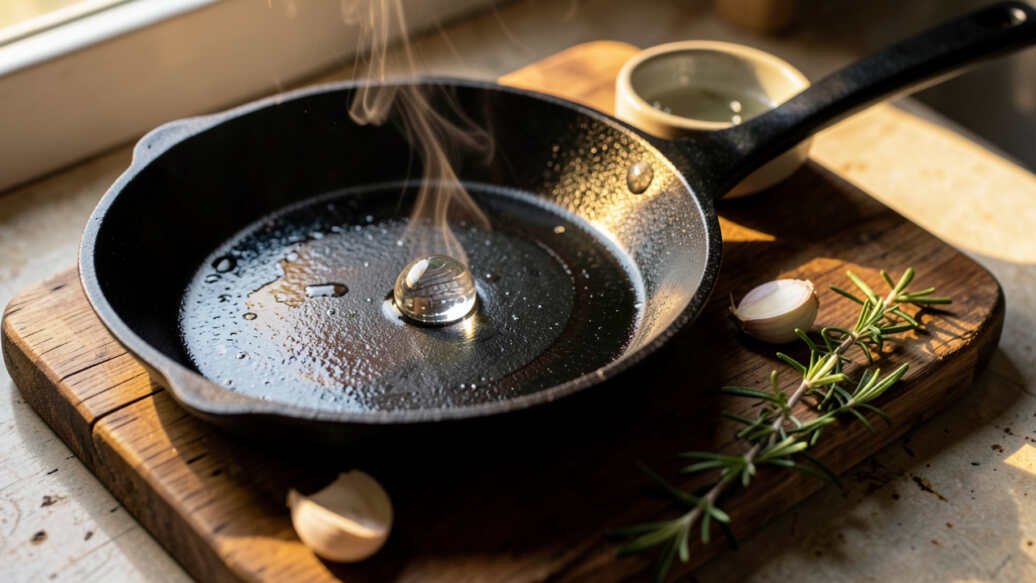
How To Test If Your Skillet Is Hot Enough Without A Thermometer
At a Glance Without a thermometer, you can accurately gauge skillet temperature using four simple methods: the water flick test, the hand test, oil shimmer and smoke, and direct food reaction. The water flick test is the fastest and most reliable—water droplets should sizzle and evaporate immediately for high heat or roll around for medium.…

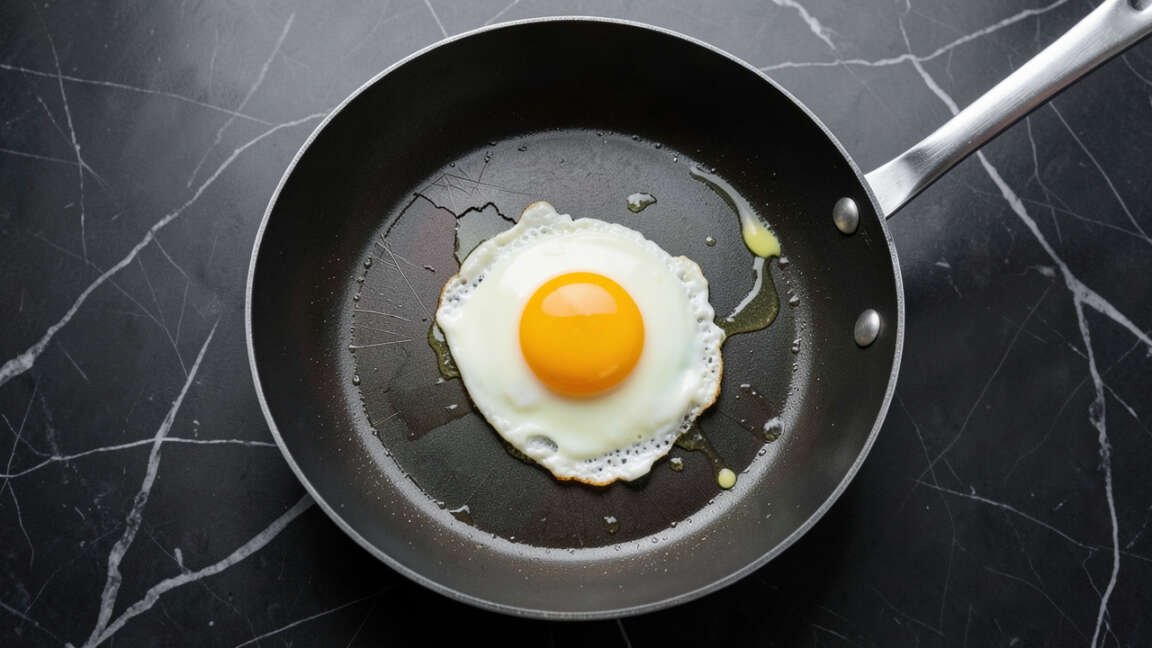
Why Eggs Stick To “Non-Stick” Pans: The Real Causes Explained
At a Glance Eggs stick to non-stick pans primarily because of improper heat control, insufficient or incorrect oil use, and the gradual degradation of the pan's coating over time. The most common mistakes include starting with a cold pan, overheating the surface which causes proteins to bond, and using oil past its smoke point or…

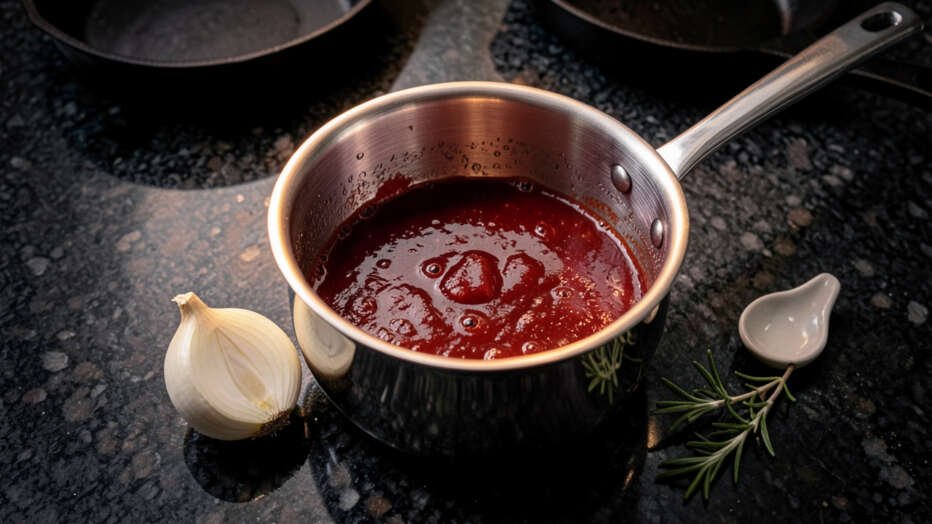
Why Tri-Ply Construction Matters for Even Sauce Reduction
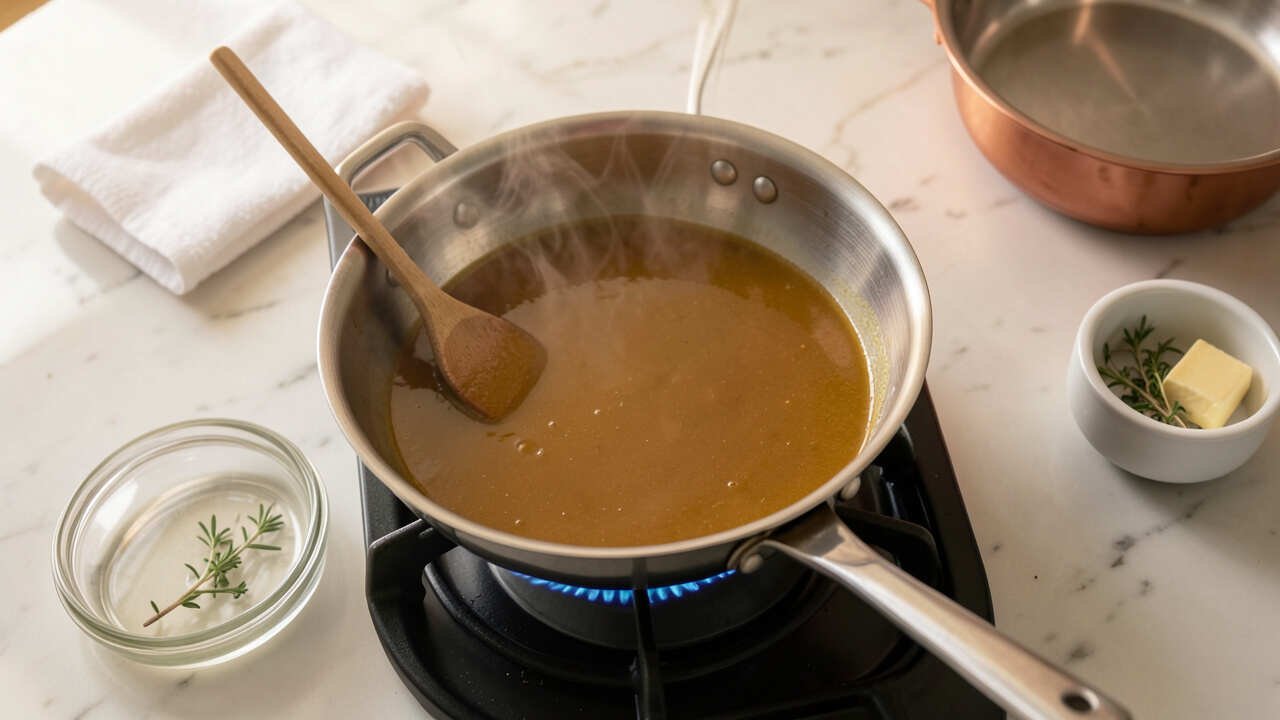
At a Glance Tri-ply construction matters for even sauce reduction because its aluminum core sandwiched between stainless steel layers eliminates hot spots that cause scorching and uneven reduction. This even heat distribution allows sauces to reduce at a consistent simmer without scorching or breaking emulsions, preserving both flavor and texture. The responsive temperature control of…

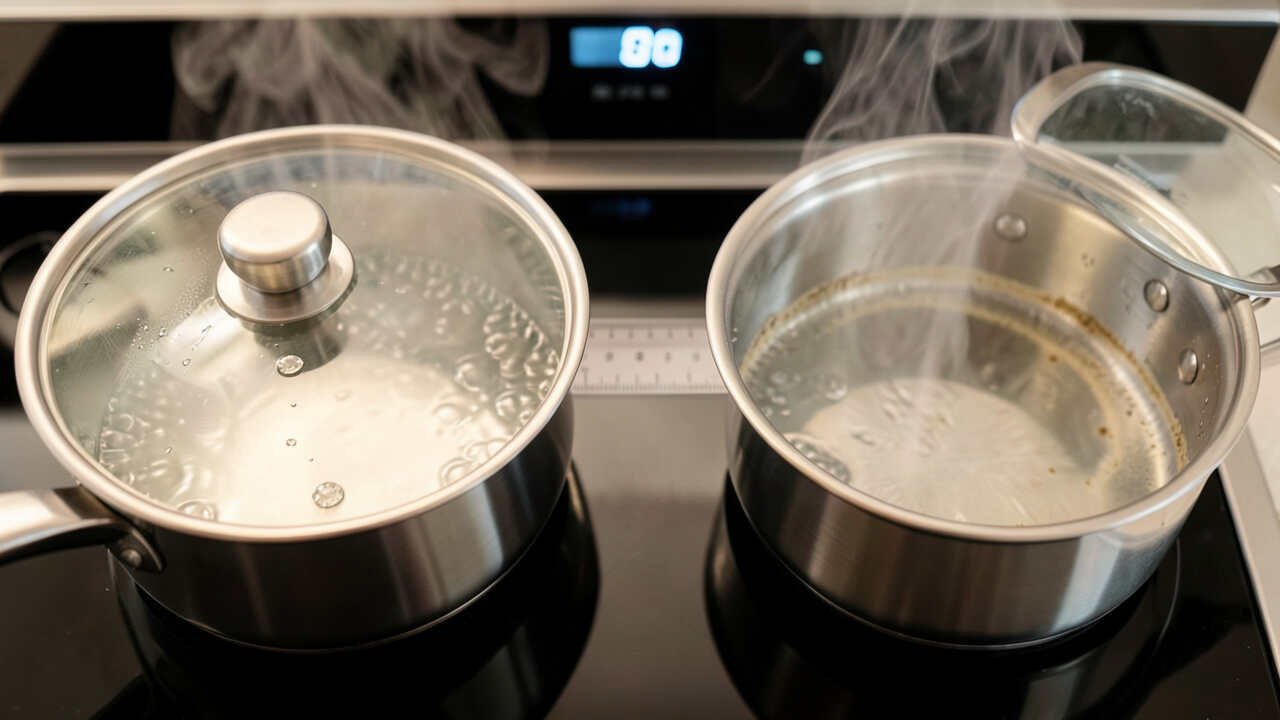
How Lid Fit Affects Saucepan Cooking Time and Water Loss
At a Glance A saucepan lid's fit directly determines cooking time and water loss because a tight seal traps steam, raising internal temperature and accelerating cooking. A loose or mismatched lid can increase cooking time by up to 30 percent and cause two to three times more water evaporation during simmering. For faster, more efficient…
How to Avoid Hot Spots When Simmering in a Saucepan Daily
At a Glance Hot spots when simmering are prevented by using a heavy-bottomed saucepan with an aluminum or copper core, matching the burner size to the pan diameter, and stirring every two to three minutes. A diffuser plate placed between the burner and pan further spreads heat evenly, while keeping the lid slightly ajar helps…
Why Dutch Ovens Excel at Braising: The Thermal Lag Effect Yes
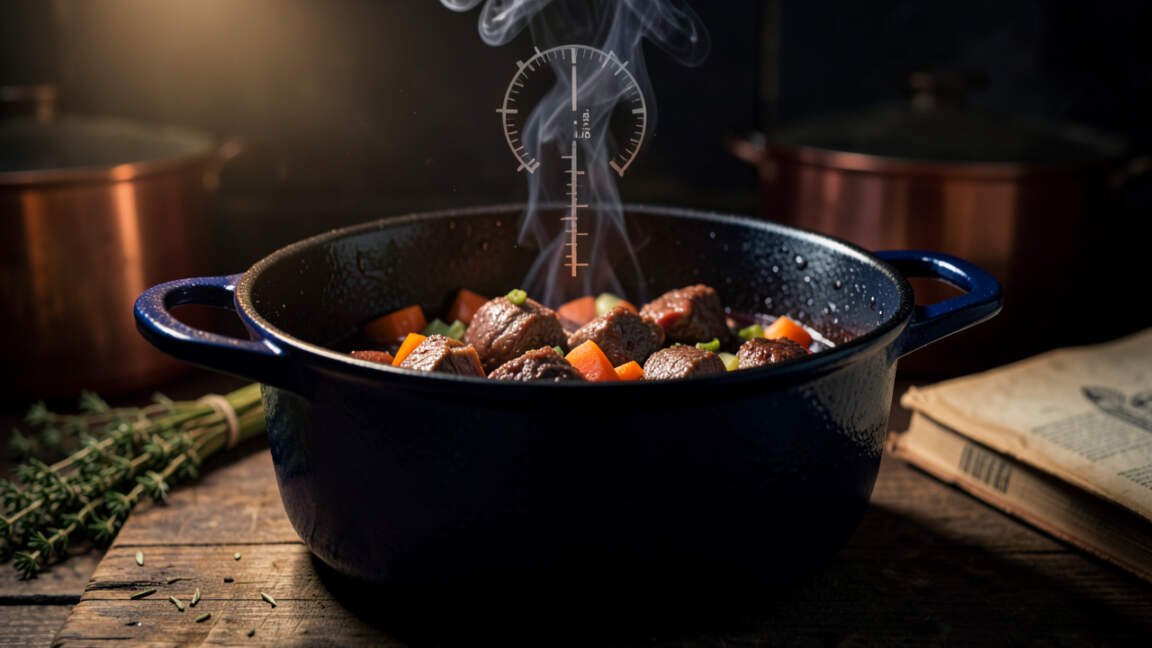
At a Glance Dutch ovens excel at braising because their thick cast iron walls produce the thermal lag effect, a slow rate of heating and cooling that maintains steady low heat. This stable temperature environment breaks down tough collagen in meat without scorching or creating hot spots. The thermal lag effect removes the need for…
Enameled vs Bare Cast Iron Dutch Oven: The Real Tradeoffs Now
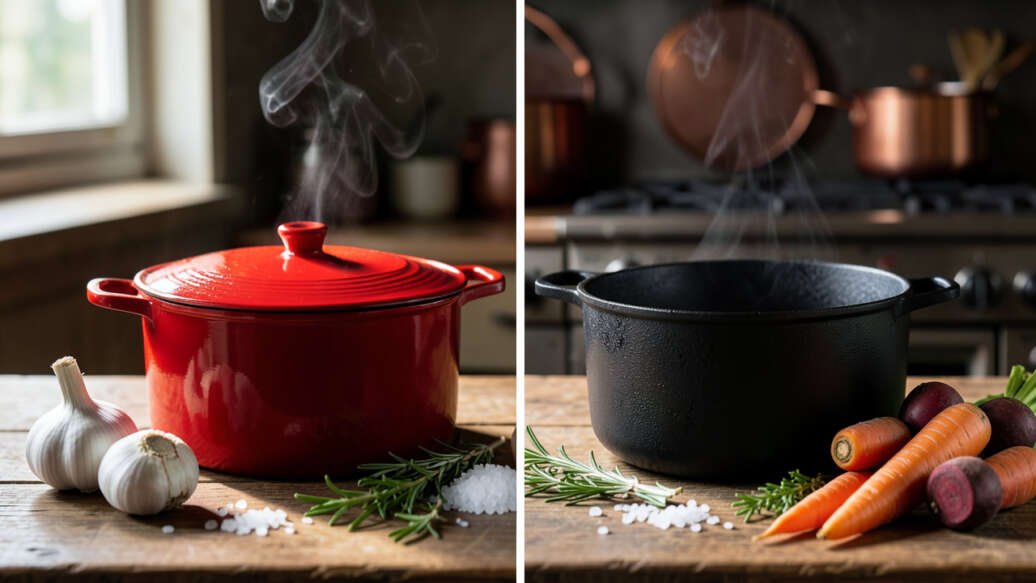
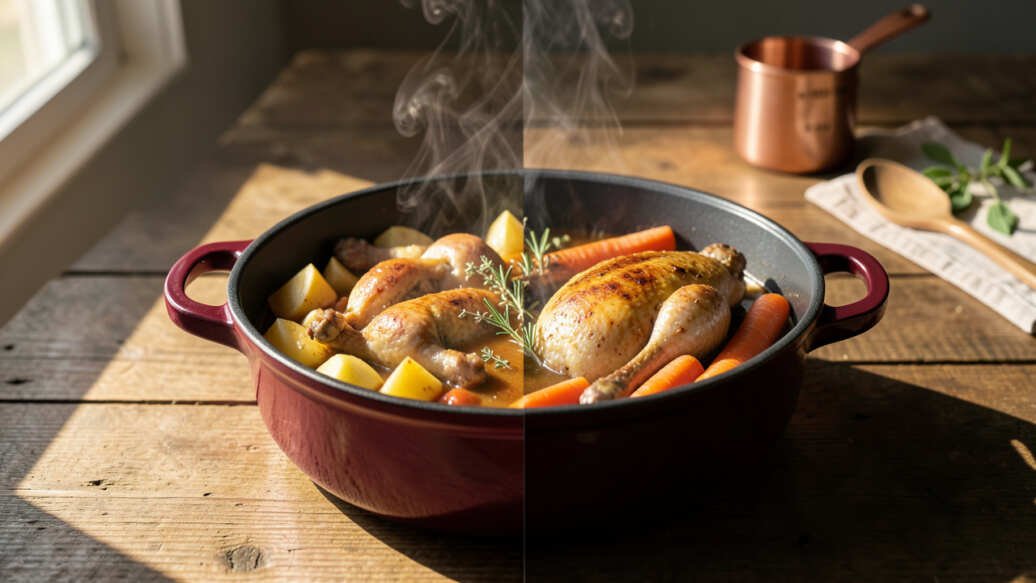
At a Glance The real tradeoff between enameled and bare cast iron Dutch ovens is that enameled models resist acidic foods and need no maintenance, while bare cast iron tolerates higher heat but requires regular seasoning and reacts with acids. Enameled costs three to four times more, starting around 70 dollars, while bare cast iron…
How to Bake Bread in a Dutch Oven: Crust Science Step-by-Step
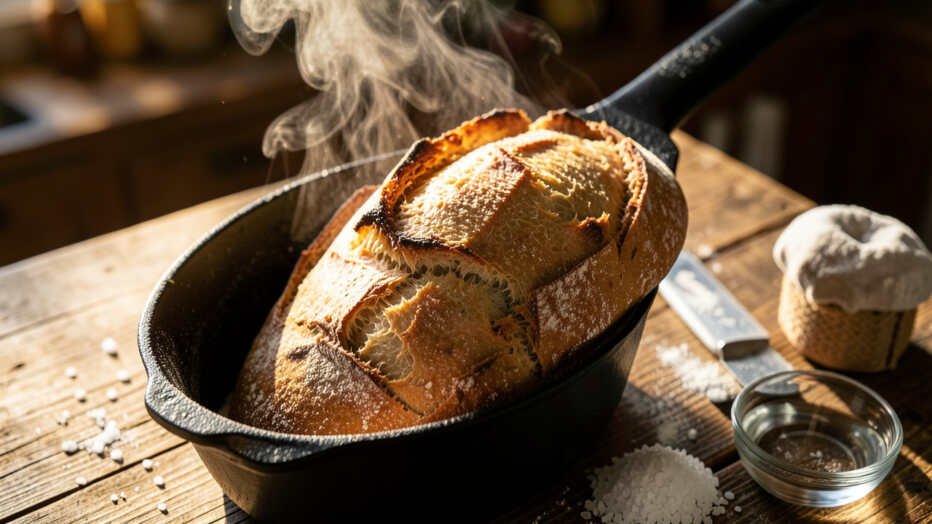
At a Glance Dutch oven bread achieves its thick, crackling crust because the sealed pot traps steam released from the dough during the first 20 minutes of baking, preventing the crust from setting prematurely and allowing maximum oven spring. This trapped steam keeps the dough surface flexible while the interior expands, then removing the lid…
Dutch Oven Lid Knob Materials: Phenolic vs Metal Comparison
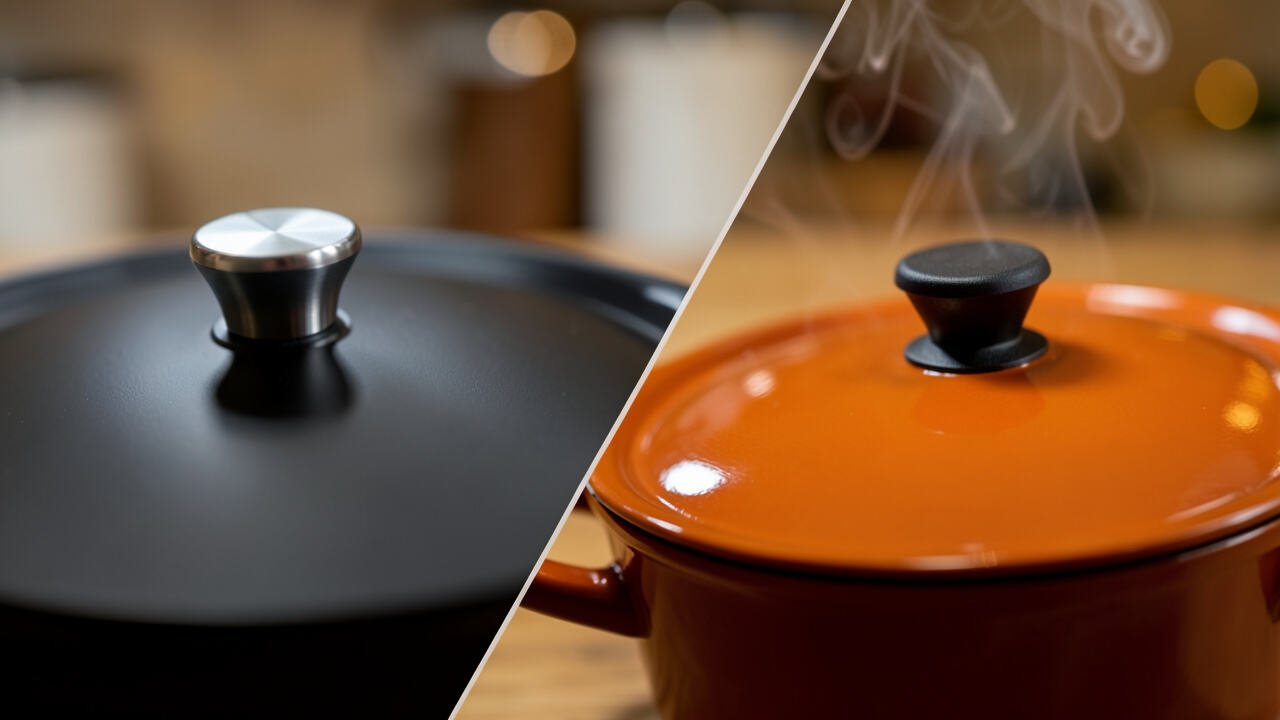
At a Glance A Dutch oven's lid knob material—phenolic or metal—determines its maximum oven-safe temperature and heat-handling behavior. Phenolic knobs generally remain oven-safe to 400°F but may crack or melt above that, whereas metal knobs—typically stainless steel or brass—handle up to 500°F or more but conduct heat, making them hot to touch. For practical use,…
Round vs Oval Dutch Ovens: When the Shape Actually Matters
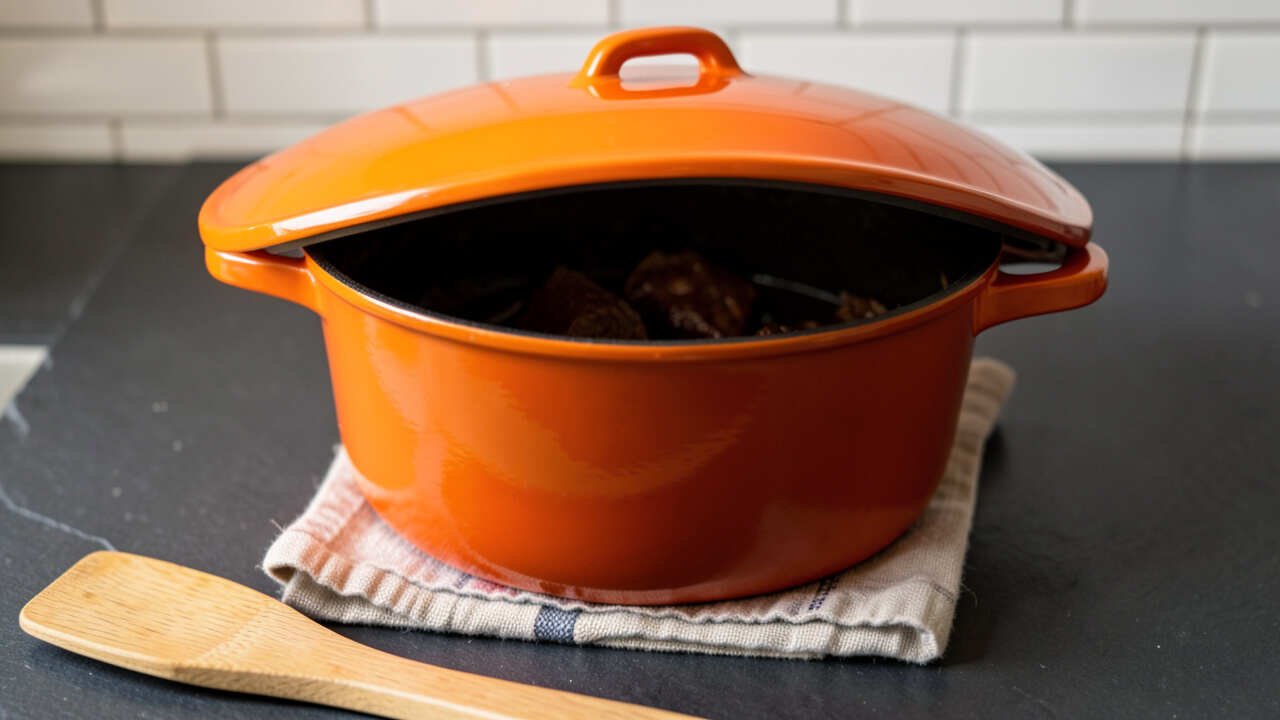
At a Glance The shape of a Dutch oven matters most for bread baking and stovetop efficiency, with round models offering superior heat distribution for sourdough and oval models accommodating whole chickens or long roasts. Round Dutch ovens fit standard burners, heat evenly, and store more easily, while oval Dutch ovens provide a longer cooking…
How to Avoid Enamel Chipping on a Le Creuset Style Dutch Oven
At a Glance To avoid enamel chipping on a Le Creuset style Dutch oven, never heat an empty pot above medium, avoid sudden temperature changes, and use only wooden or silicone utensils. Hand washing with mild soap and a non-abrasive sponge preserves the enamel longer than the dishwasher. Storing with padding between pots prevents impact…

How to Sear Then Braise in One Pot Without Burning Fond Now
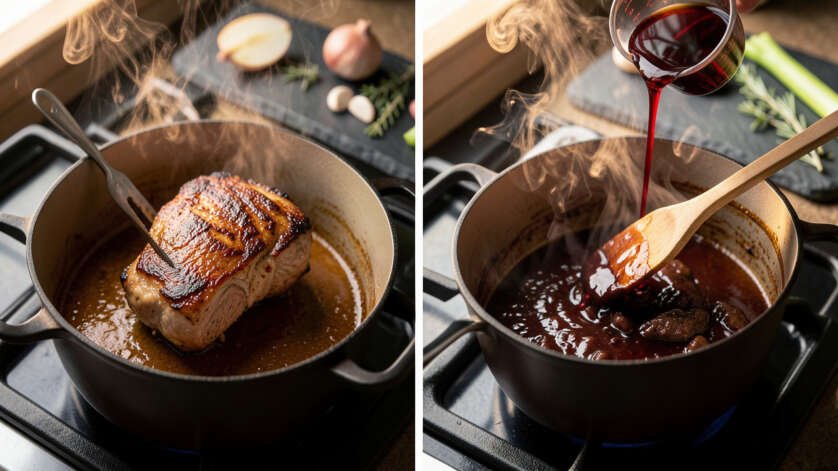
At a Glance To sear then braise in one pot without burning fond, immediately deglaze the pan after searing and maintain a gentle simmer between 180°F and 200°F. Using a heavy-bottomed pot like enameled cast iron and enough liquid to cover at least one-third of the food prevents the fond from carbonizing. Keeping the liquid…