
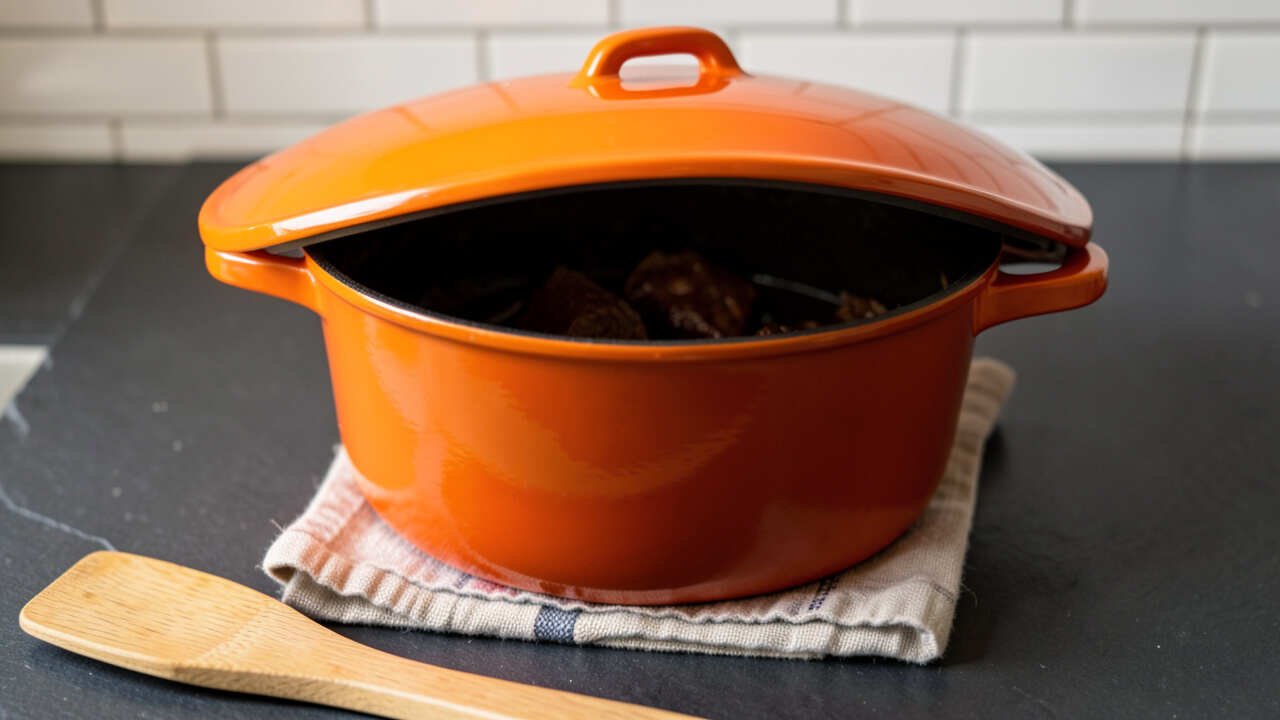
To avoid enamel chipping on a Le Creuset style Dutch oven, never heat an empty pot above medium, avoid sudden temperature changes, and use only wooden or silicone utensils. Hand washing with mild soap and a non-abrasive sponge preserves the enamel longer than the dishwasher. Storing with padding between pots prevents impact damage and extends the cookware’s lifespan.
Le Creuset style Dutch ovens are known for their beauty and durability. But enamel chipping can ruin both appearance and function. This guide explains why chipping happens and how to prevent it.
Quick Verdict: To avoid enamel chipping, never heat an empty Dutch oven, avoid sudden temperature changes, use only wooden or silicone utensils, hand wash with mild soap, and store with padding between pots. These habits protect the enamel coating for years of reliable use.
Key Takeaways
- Thermal shock from sudden temperature changes is the most common cause of enamel chipping on Dutch ovens.
- Using metal utensils scratches the enamel surface and weakens it over time, leading to chips.
- Hand washing with non-abrasive sponges keeps enamel intact longer than dishwasher cycles.
- Storing your Dutch oven with protective layers between pots prevents impact damage.
- According to Le Creuset’s official care guide, heating an empty pot above medium heat can cause permanent enamel cracking.
What You Need to Know Before You Start
Enameled cast iron Dutch ovens have a glass-like coating fused to iron at high temperatures. This enamel is hard but brittle. It expands and contracts at a slower rate than the cast iron base. When you apply heat too fast or unevenly, the enamel can crack or chip.
The main actors in chipping are thermal shock, physical impact, and abrasive cleaning. Each has a clear prevention method.
Warning: Never place a hot Dutch oven directly on a cold countertop or into cold water. The sudden temperature drop can shatter the enamel instantly.
Step-by-Step Prevention Guide
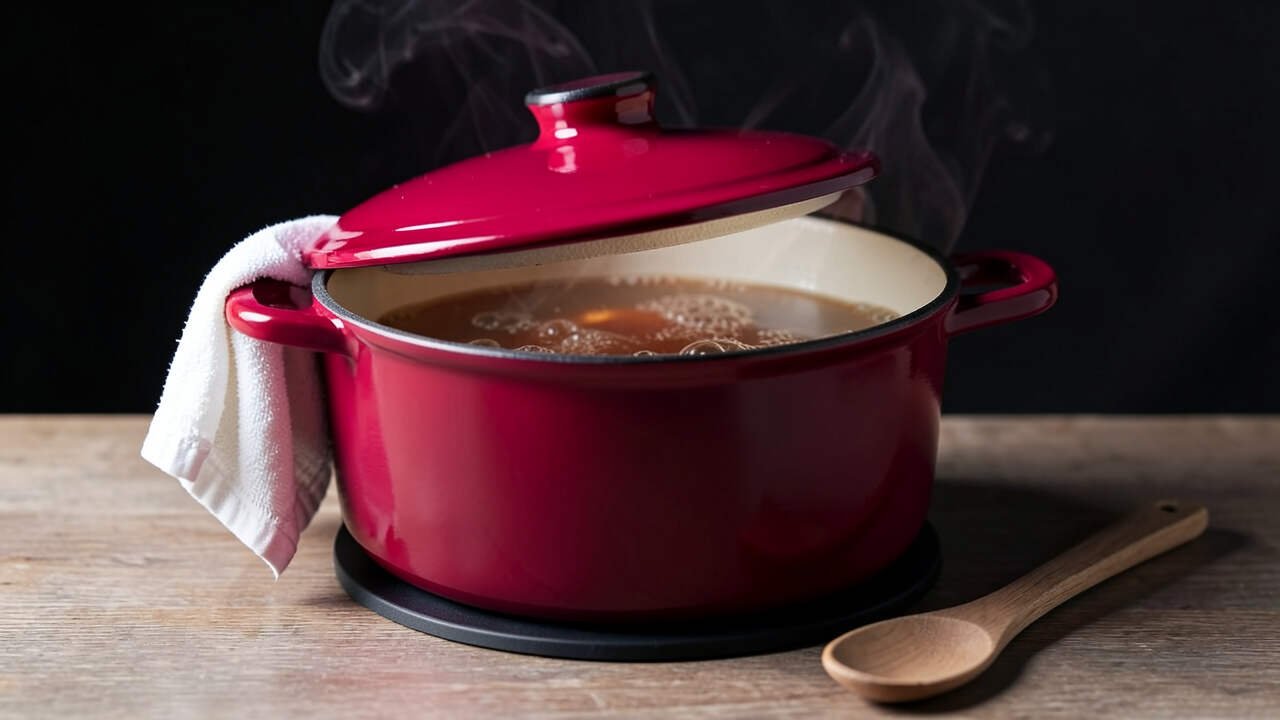
- Preheat slowly. Start your burner on low heat for 2-3 minutes, then increase to medium. Never use high heat with an empty pot. According to Le Creuset’s care instructions, high heat damages the enamel.
- Use low to medium heat always. Enamel conducts heat so well that medium heat is plenty for searing or braising. High heat is never needed.
- Let the pot cool naturally. After cooking, remove the pot from the burner and let it cool on a trivet. Do not add cold water or place it in the fridge while hot.
- Choose the right tools. Use wooden, silicone, or nylon utensils. Metal utensils scratch the enamel and create weak spots that later chip.
- Hand wash with care. Use a soft sponge and mild dish soap. Avoid steel wool and abrasive scouring pads that wear down the glaze.
- Dry completely before storing. Moisture trapped under a lid can promote mold and weaken the enamel edge. Dry thoroughly with a towel.
- Store with protection. Place a paper towel or felt pad between stacked pots to prevent clanking and chipping.
Common Mistakes That Cause Enamel Chipping
Many home cooks unknowingly damage their Dutch oven. Here are the most frequent errors and how to fix them.
- Heating an empty pot – The enamel expands faster without oil or liquid inside. This creates micro-cracks. Always add oil or liquid before heating above low.
- Using high heat for boiling water – Water boils at 212°F, so medium heat works just as fast. High heat only stresses the enamel.
- Dropping the pot – Even a short drop onto a counter can chip the rim or edge. Lift with two hands, especially when full.
- Putting a hot pot under running water – The thermal shock from cold water on hot enamel causes immediate chipping. Always let it cool first.
- Stacking pots without padding – The heavy cast iron base can knock against the enamel of the pot below. Protective layers are essential.
Tip: If you buy a used Le Creuset style Dutch oven, inspect the rim and edges for existing chips. A small chip can grow if you do not treat it gently.
How to Check for Existing Damage
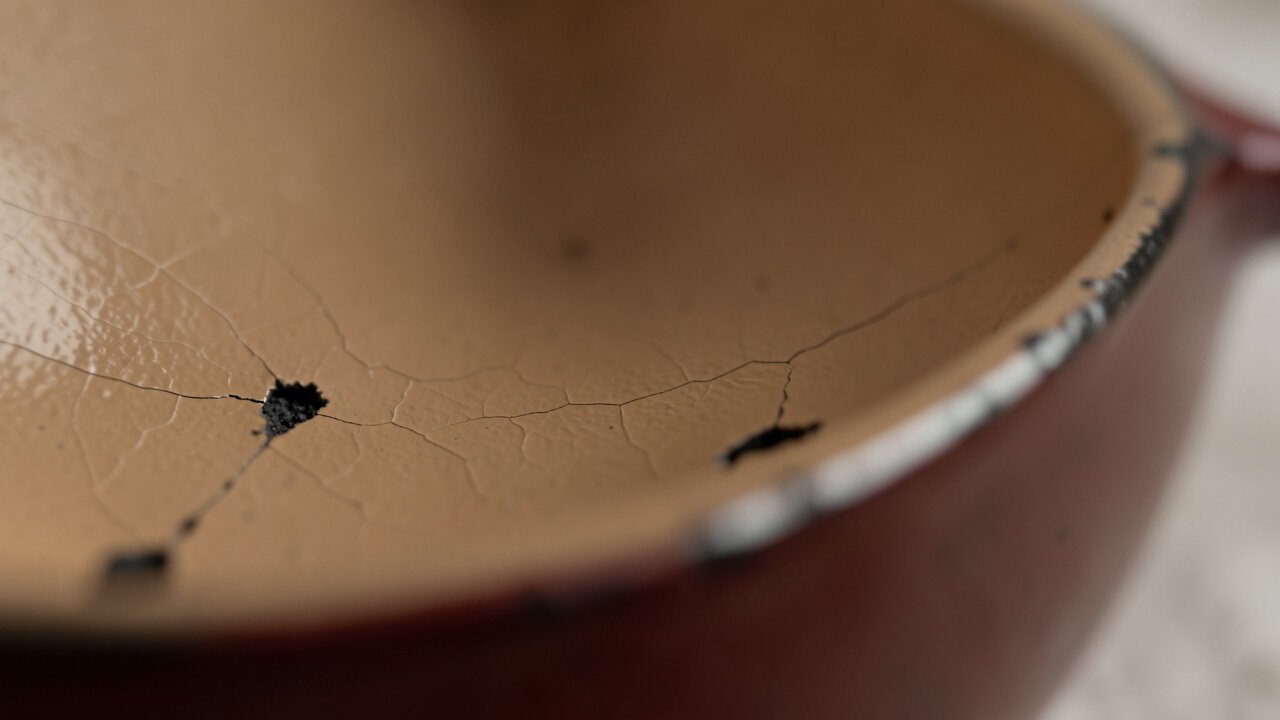
Inspect your Dutch oven regularly for signs of wear. Run your finger along the rim. If you feel a rough spot, that is a chip or crack. Look for hairline cracks on the interior bottom. These indicate thermal stress.
If you see a chip, stop using the pot immediately. Small chips can break off into food. You may be able to file down sharp edges with fine sandpaper, but this exposes bare cast iron. For heavy chips, contact the manufacturer about warranty. Consumer Reports recommends replacing pots with large chips.
Quick Comparison: Causes vs. Prevention
| Cause of Chipping | Prevention Method | Extra Notes |
|---|---|---|
| Thermal shock | Preheat slowly, cool naturally | Do not exceed medium heat |
| Metal utensils | Use wood, silicone, or nylon | Avoid scratches that weaken glaze |
| Abrasive cleaning | Soft sponge, mild soap | No steel wool or dishwasher |
| Impact / dropping | Two hands when moving, padded storage | Inspect rim for chips |
| Heating empty | Always add oil or liquid first | Low heat only when empty |
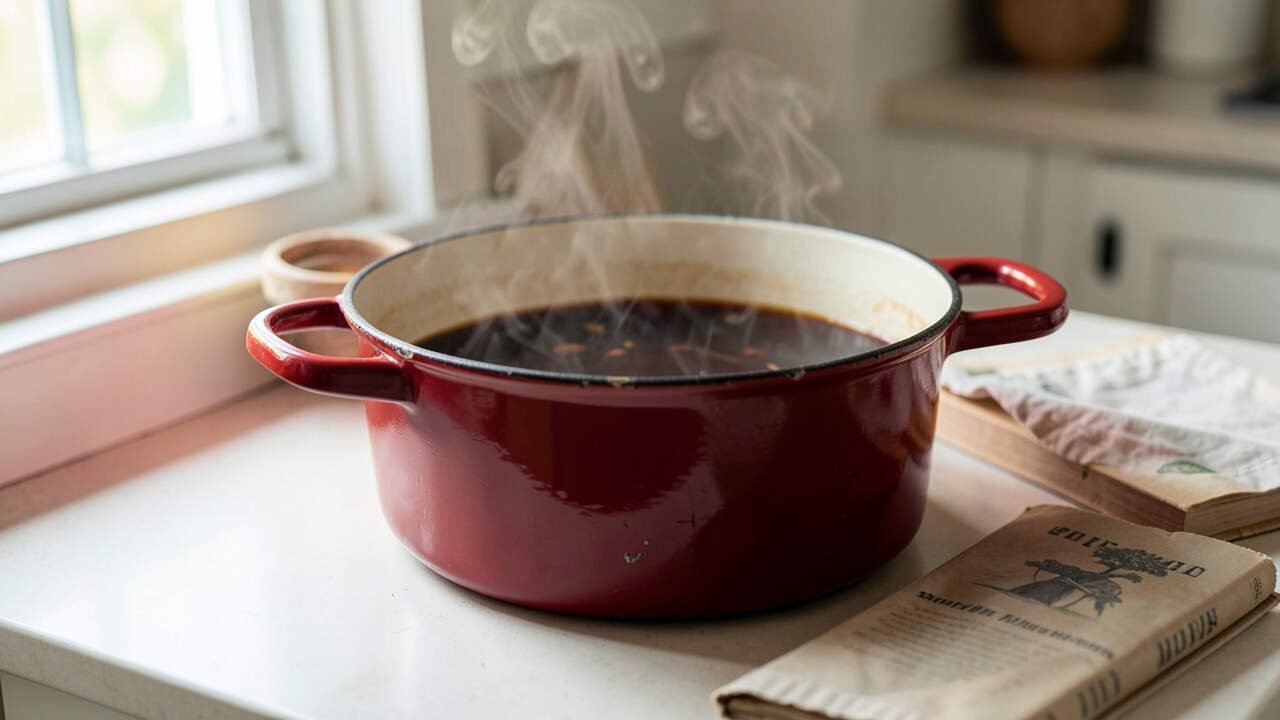
What to Expect: The Lifespan of an Enamel Dutch Oven
With proper care, a Le Creuset style Dutch oven can last 20 to 30 years. According to America’s Test Kitchen, high-quality enameled cast iron outlasts most cookware. However, enamel chipping is the main reason for early replacement.
Most chips happen within the first two years of use. This is when people learn the heat and cleaning habits. After that, a well-maintained pot can serve for decades. If you notice a chip, you can still use the pot for baking bread (lined with parchment) or as a serving dish. But for wet cooking, the chipped area may rust.
Important: If the interior enamel chips, the exposed cast iron must be kept dry to prevent rust. You can season it like bare cast iron for short periods.
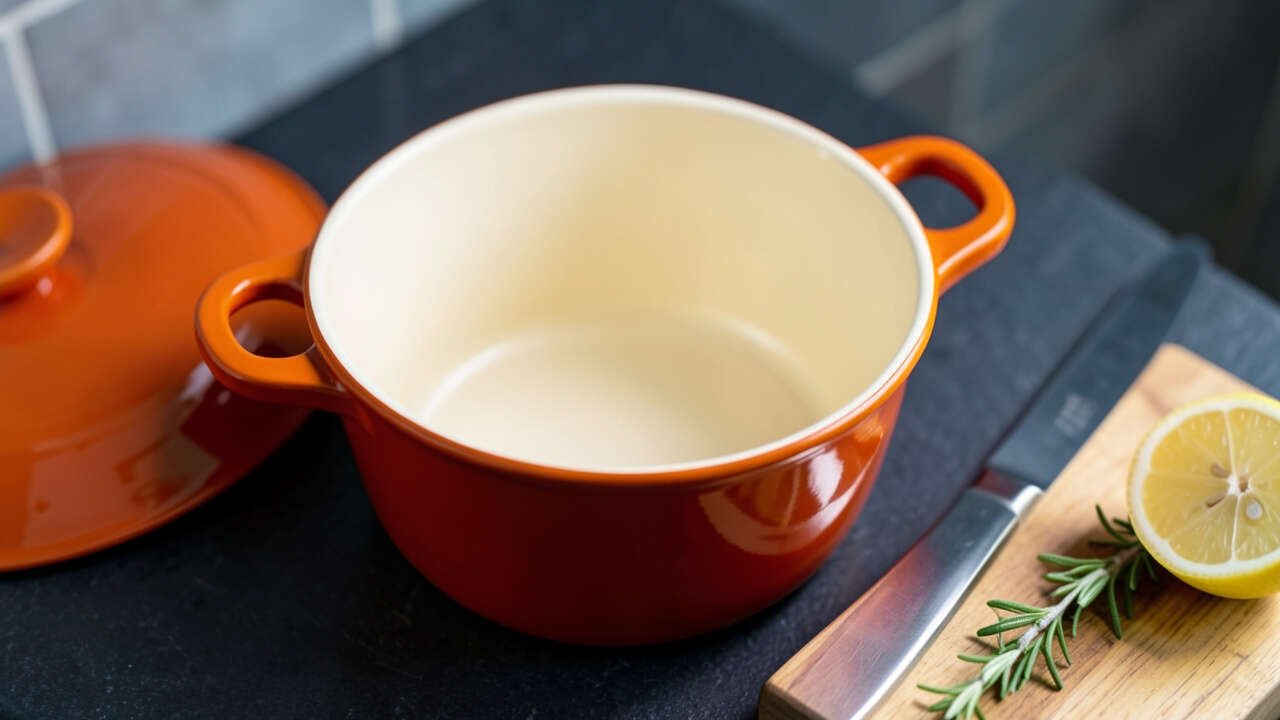
Pro Tips for Long-Term Enamel Health
- Use a lid cushion. Place a folded paper towel between the lid and pot when storing. This prevents rattling that chips the rim.
- Avoid cooking sprays. Some sprays contain emulsifiers that burn onto enamel at high heat. Use a brush or oil dispenser instead.
- Clean burned-on food with baking soda. Make a paste of baking soda and water, boil in the pot for 5 minutes, then scrub with a soft sponge. This lifts residue without abrasion.
- Keep the pot out of the dishwasher. The high heat and harsh detergents dull the enamel and can cause micro-chipping. Hand wash only.
- Use a diffuser on electric or induction stoves. A heat diffuser spreads heat evenly and reduces hot spots that stress the enamel.
Common Myths vs Facts About Enamel Chipping
Myth: Enamel chipping is inevitable with regular use.
Fact: Enamel chipping is almost always caused by user error. With the correct habits described here, you can use a Dutch oven for decades without a single chip. Thermal shock and impact are preventable.
Myth: You can fix a chip with enamel repair kits.
Fact: Enamel repair kits exist, but they do not bond as strongly as the original factory coating. Repaired areas often chip again quickly. The Le Creuset FAQ states that repaired pots are not safe for cooking at high heat. Replacement is better.
Myth: High heat sears meat better in enameled cast iron.
Fact: Enameled cast iron heats evenly, so medium heat provides excellent searing without damaging the coating. High heat only risks chipping and does not improve browning. Patience works better than higher flames.
Frequently Asked Questions
Can I use a chipped Dutch oven for baking bread?
Yes, if you line the pot with parchment paper to prevent direct contact. The high heat of baking (450°F) is safe for the enamel, but the chipped area may cause uneven heating. For boiling or braising, replace the pot.
How do I clean stubborn stains without damaging the enamel?
Boil a mix of water and white vinegar (1:3) for 10 minutes, then scrub gently with a soft sponge. Alternatively, use a bleach-based cleaner sparingly. Always rinse thoroughly. Avoid abrasive powders.
Is it safe to put an enamel Dutch oven in the refrigerator?
Yes, but only after it has cooled to room temperature. Placing a hot pot in the fridge causes thermal shock and can chip the enamel. Cool completely before refrigerating leftovers.
What type of utensils are completely safe for enamel?
Wooden, bamboo, silicone, and nylon utensils are all safe. Avoid metal, cast iron, or hard plastic tools with sharp edges. According to Staub’s care guide, even metal spoons can leave scratches that weaken the glaze.
Can I stack another pot on top of my Dutch oven?
Yes, but always place a soft barrier like a dish towel, paper towel, or felt pad between them. The heavy weight of another pot can chip the enamel rim if they clank together.
Resources and Tools
- Le Creuset Care Guide – Official care instructions for enameled cast iron. Visit Site
- Staub Usage & Care – Similar guide from a major competitor. Visit Site
- America’s Test Kitchen Dutch Oven Reviews – Expert testing and maintenance tips. Visit Site
- Consumer Reports Enamel Cookware Care – Independent advice on protecting enamel. Visit Site
Final Thoughts
Enamel chipping is preventable with simple habits: preheat slowly, avoid metal tools, hand wash gently, and store with padding. The enamel chipping process is almost always caused by thermal shock or impact. Follow the steps in this guide, and your Le Creuset style Dutch oven will stay beautiful and functional for decades. Treat it with care and it will reward you with perfect meals. Caring for cast iron cookware involves avoiding metal utensils and sudden temperature changes.
Experts recommend you hand wash gently to preserve the enamel coating.

Leave a Reply