Cookware

Why Dutch Ovens Outlive Three Generations of Owners Reliably
At a Glance A cast iron Dutch oven outlives three generations of owners because the material is chemically stable, resists warping, and does not degrade like aluminum or non-stick coatings. Its thick walls provide superior thermal mass and stability, and premium enamel coatings are fired at extreme temperatures for decades of durability. With simple cleaning…

Dutch Oven Weight: Why It’s a Feature Not a Flaw Long-Term
At a Glance Dutch oven weight, typically 12 to 15 pounds for a 5.5-quart enameled cast iron model, is a direct result of thick walls that deliver superior heat retention and distribution for consistent cooking results. That mass prevents hot spots, ensures even searing and braising, and maintains steady temperatures even when cold ingredients are…
How to Pick a Dutch Oven for a Family of 4 in Under 5 Minutes
At a Glance For a family of four, the ideal dutch oven is a 5- to 6-quart enameled cast iron model that fits a whole chicken or batch of chili. Choose enameled cast iron for minimal maintenance and compatibility with acidic foods, and ensure the pot has oven-safe handles and a tight-fitting lid for braising…

How to Clean a Burnt-On Dutch Oven Without Damaging Enamel
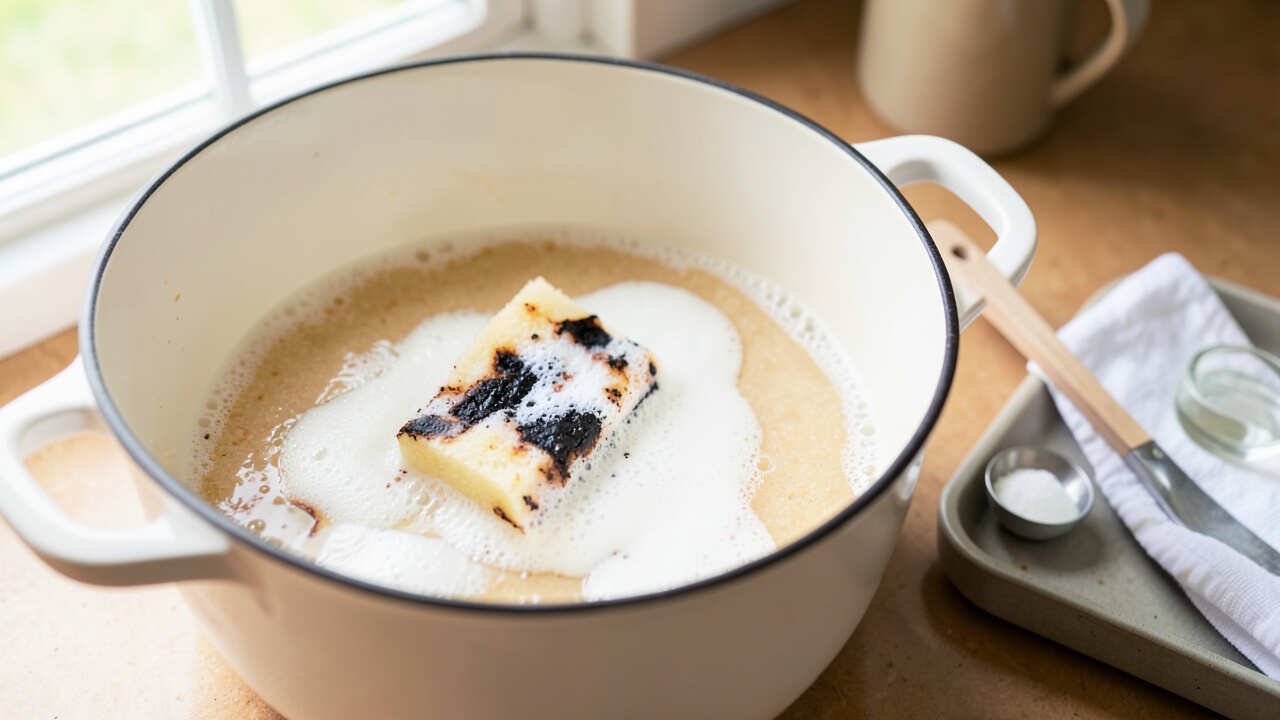
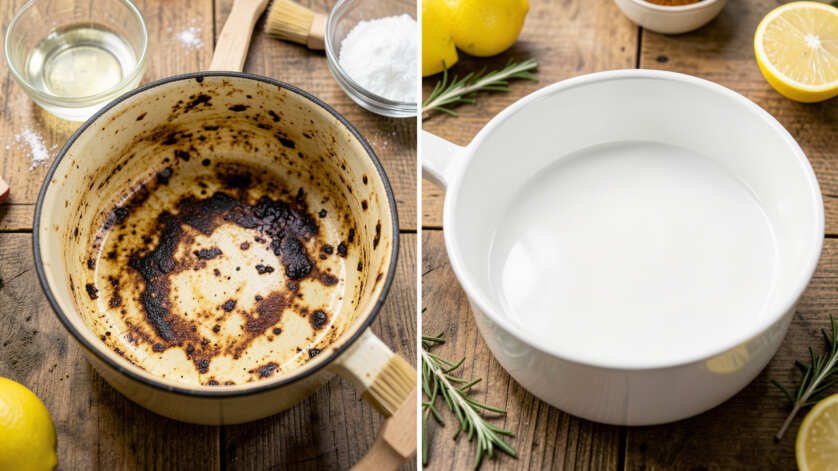
At a Glance To clean a burnt-on Dutch oven without damaging the enamel, boil water with baking soda for 10 minutes and then scrape gently with a non-metallic tool. Always let the pot cool completely before washing to prevent thermal shock, which can crack or chip the enamel. For stubborn stains, a gentle cleaner like…

Why Cheap Dutch Ovens Chip Faster Than Premium Brands Daily
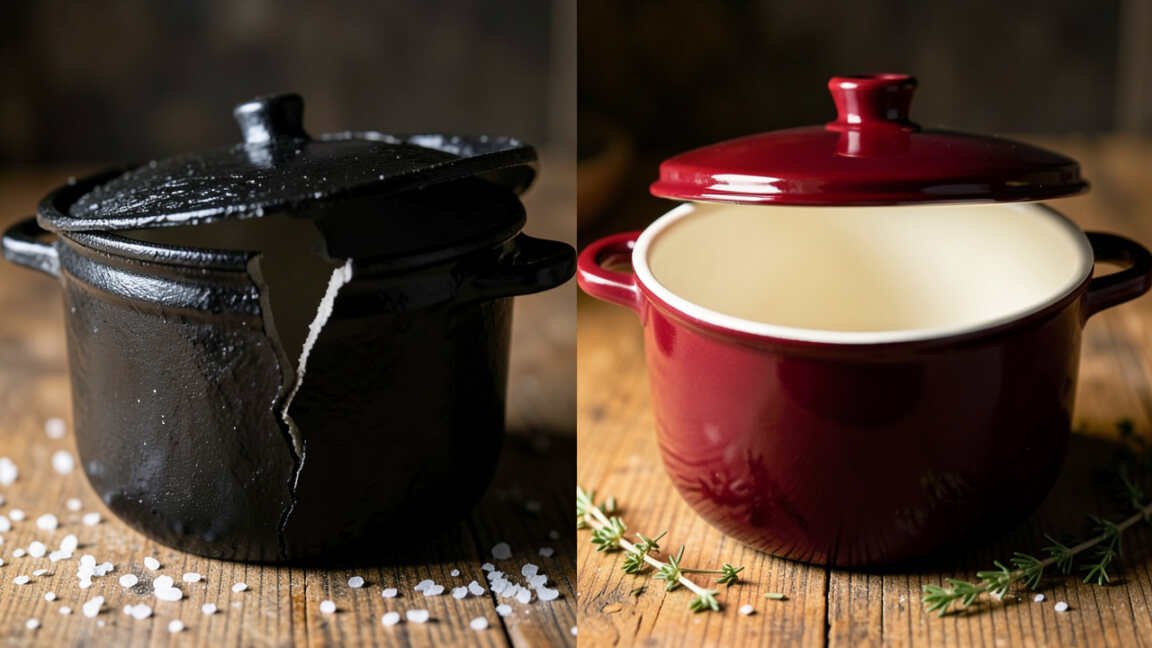
At a Glance Cheap Dutch ovens chip faster than premium brands because they use thinner enamel layers, lower firing temperatures under 1,400°F, and rougher cast iron substrates that weaken enamel adhesion. Premium brands fire enamel at over 1,500°F, creating a harder surface that resists daily chipping, while budget models show enamel damage three times more…
Dutch Oven Lid Self-Basting Spikes: Are They a Real Benefit
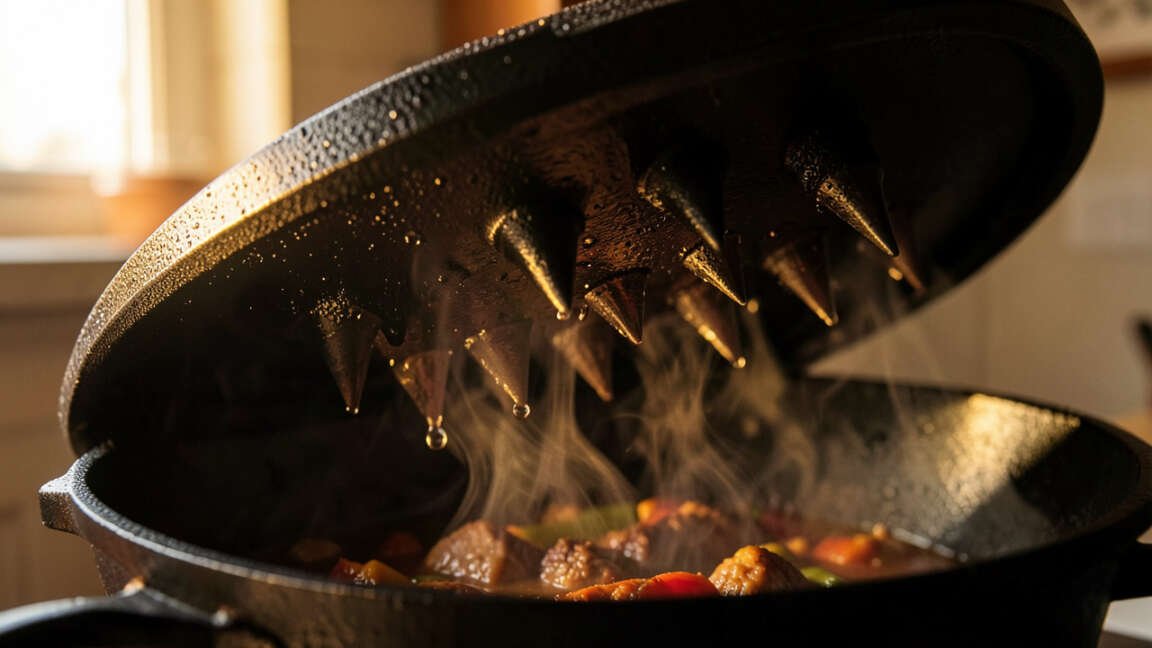
At a Glance Yes, self-basting spikes on a Dutch oven lid are a real benefit for specific cooking methods like long braises and no-knead bread, where they capture rising steam and drip moisture back onto the food without requiring the lid to be opened. This design helps retain natural juices in roasts and creates a…
How to Restore an Old Enameled Dutch Oven That’s Discolored
At a Glance Discoloration on an enameled Dutch oven is typically caused by mineral deposits or polymerized oils, not damage, and can be safely removed with common kitchen items like baking soda, hydrogen peroxide, or Bar Keepers Friend. These methods cost under $10 and take less than an hour, lifting stains without scratching the glass…
Why Sauté Pans Need a Helper Handle for One-Hand Pour Today
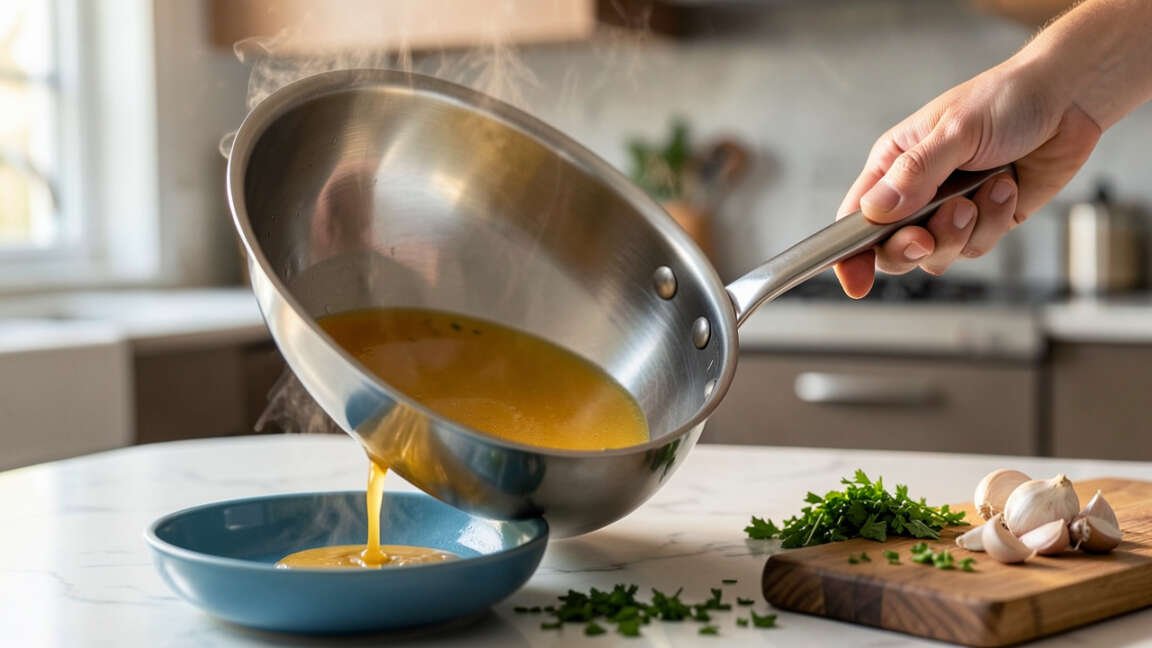
At a Glance A helper handle on a sauté pan provides a stable second grip point near the front, enabling safer one-hand pouring by counterbalancing the pan's weight and reducing the risk of spills and burns. Without this handle, tilting a full sauté pan with one hand becomes awkward and dangerous, often requiring two hands…
How to Pick a Sauté Pan Capacity for Chicken Thighs in Sauce
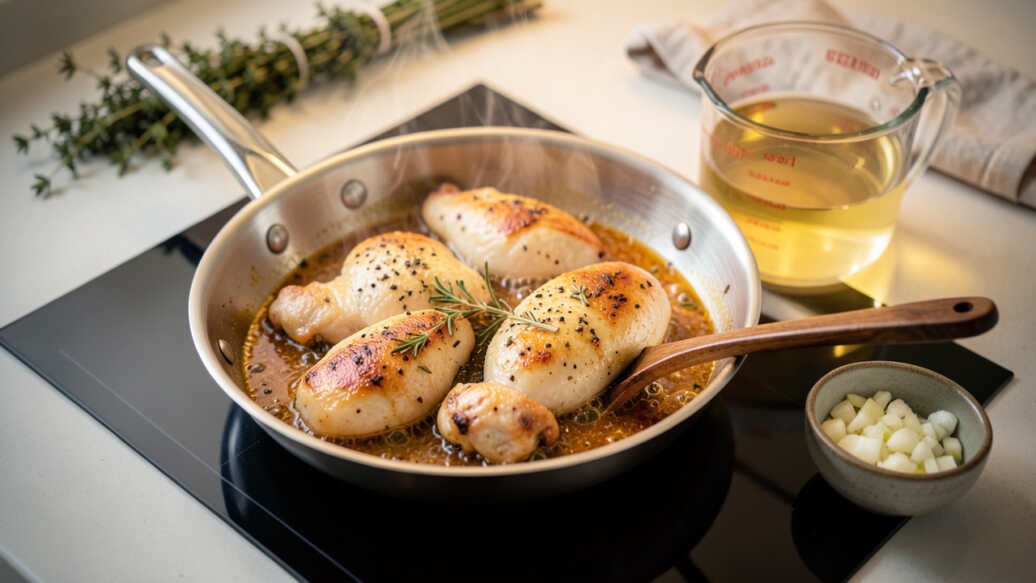
At a Glance A 3.5-quart sauté pan with a depth of 2.5 to 3 inches is the correct capacity for cooking four bone-in chicken thighs in sauce, while six or more thighs require a 5-quart pan. Matching this size prevents overcrowding that hinders browning and ensures the sauce reduces properly instead of evaporating too quickly.…

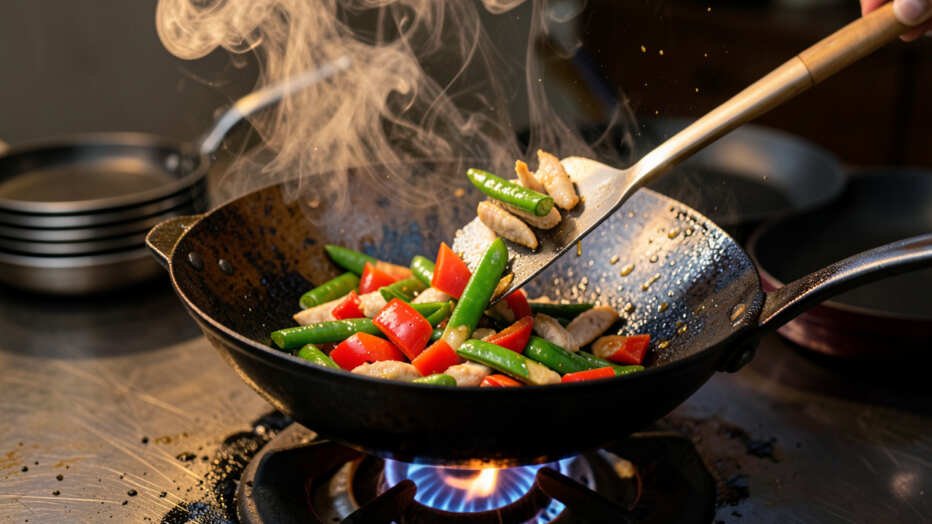
Why Carbon Steel Woks Beat Non-Stick for Stir-Fry Crisp Now
At a Glance Carbon steel woks beat non-stick for stir-fry crisp because they reach and sustain temperatures above 500 degrees Fahrenheit, which is required for the Maillard reaction and wok hei, while non-stick coatings force lower heat that steams ingredients instead of searing them. This high-heat capability allows carbon steel to create the authentic crispy,…
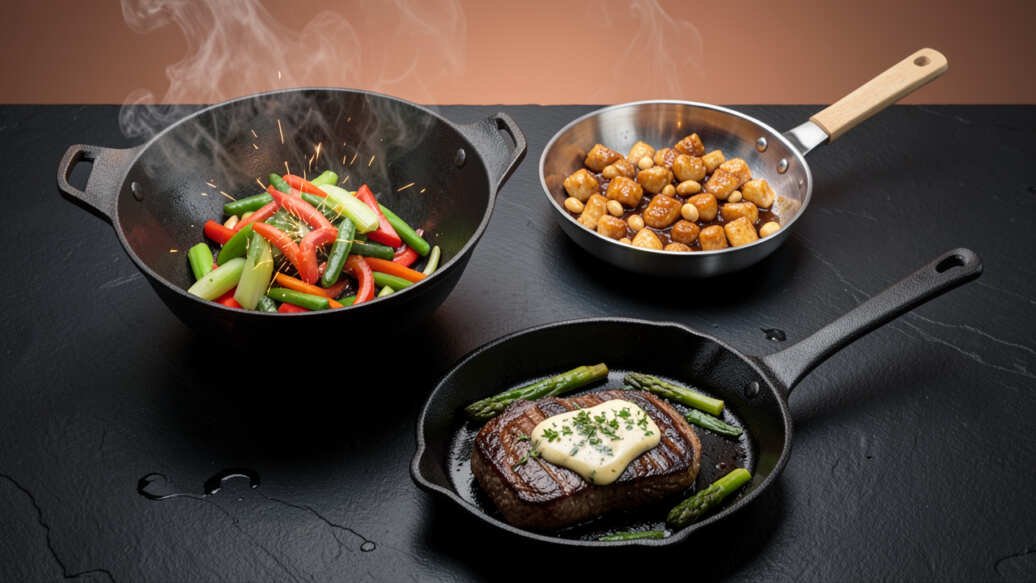
Wok vs Stir-Fry Pan vs Skillet: When Each Shape Wins Daily
At a Glance The wok wins daily for high-heat stir-fries by delivering authentic wok hei, the skillet excels at searing with even heat, and the stir-fry pan offers a hybrid compromise for electric or induction cooktops. A concave wok concentrates heat for fast cooking but needs a gas stove or ring, while a skillet’s flat…
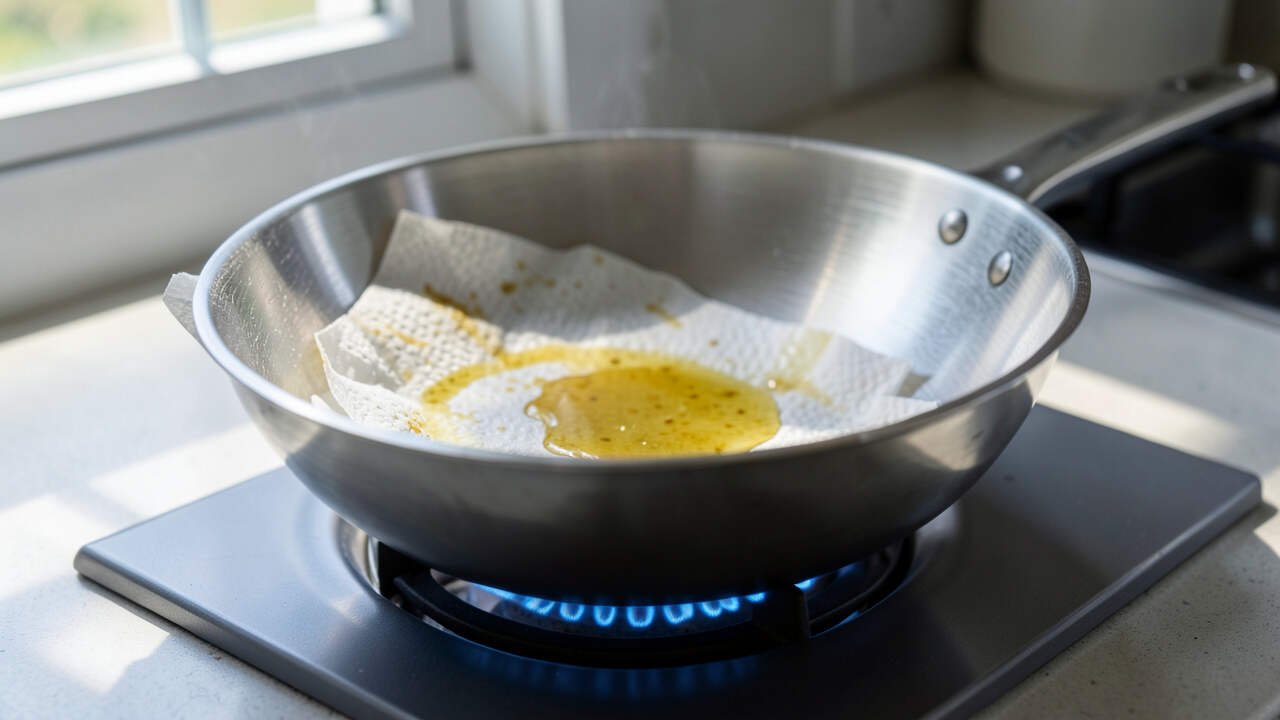
How to Season a Carbon Steel Wok: Initial Setup Step-by-Step
At a Glance Seasoning a carbon steel wok involves heating thin layers of high-smoke-point oil onto the metal to polymerize them into a hard, nonstick coating. The process takes about 30 to 45 minutes and requires three to five rounds, each lasting eight to ten minutes, using oils like grapeseed, flaxseed, or avocado oil. Proper…