
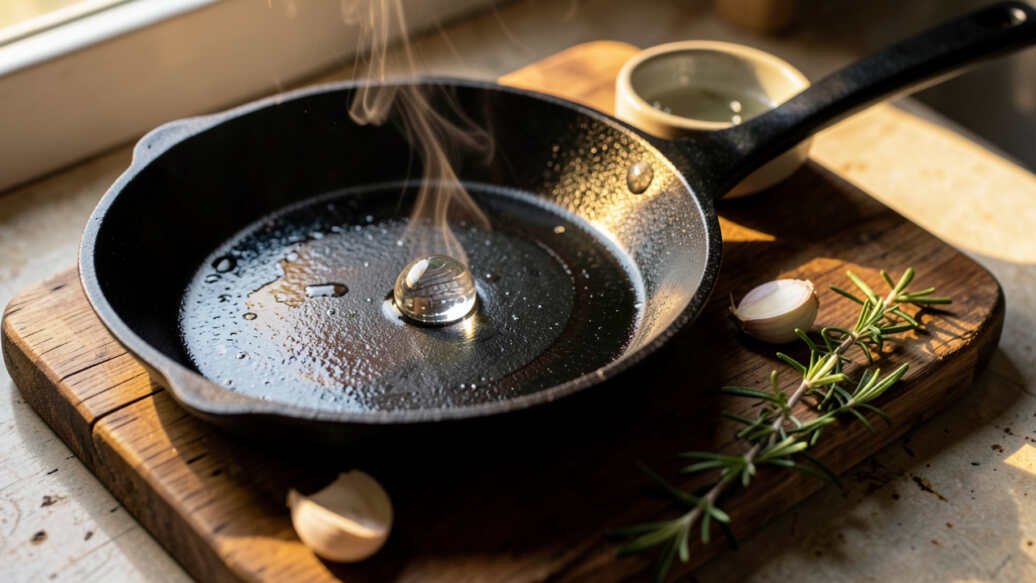
Without a thermometer, you can accurately gauge skillet temperature using four simple methods: the water flick test, the hand test, oil shimmer and smoke, and direct food reaction. The water flick test is the fastest and most reliable—water droplets should sizzle and evaporate immediately for high heat or roll around for medium. Mastering these cues lets you achieve proper searing or gentle cooking without any special tools.
You stand at the stove, oil in the pan, and wonder if it is ready. It is a common kitchen moment. You want a perfect sear on your steak or a golden crust on your fish.
Getting the heat right makes all the difference. But you do not own a kitchen thermometer. That is okay.
There are simple, reliable ways to tell. This article will show you How to Test if Your Skillet Is Hot Enough Without a Thermometer. You will learn five easy methods that use things you already have.
You will cook with more confidence starting today.
Key Takeaways
- Water flick test is the fastest and most popular way to check pan heat.
- Hand test works but requires caution to avoid burns.
- Food reaction like sizzling butter or oil tells you the temperature.
- Oil shimmer and smoke are clear visual signs of high heat.
- Pan material changes how you test for heat.
- Practice each method a few times to build reliable kitchen instincts.
Why Getting the Right Heat Matters for Your Cooking
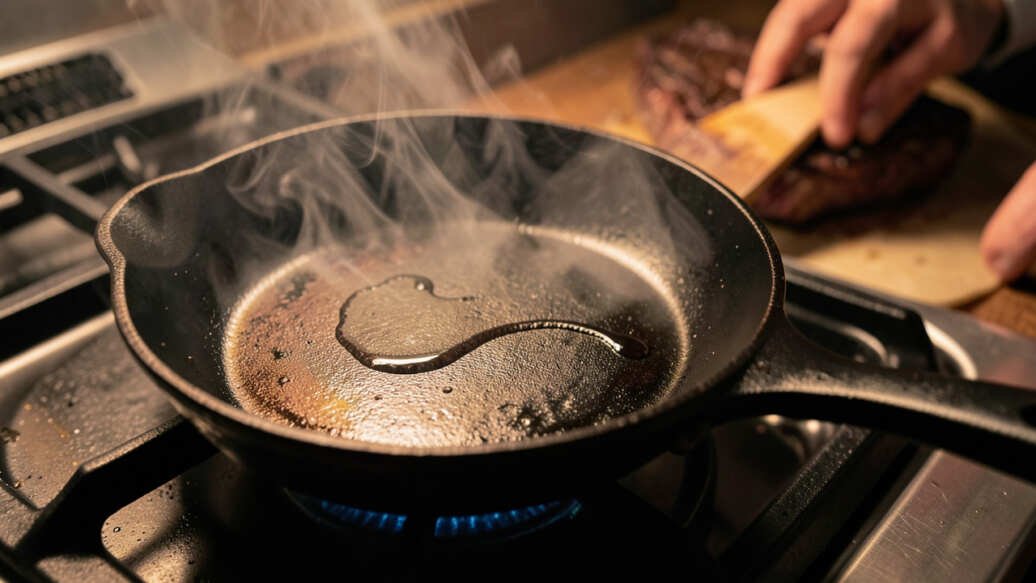
Heat is the most important factor in pan cooking. Too low and your food steams instead of sears. Too high and you burn the outside before the inside cooks.
Testing your skillet heat saves you from ruined dinners and wasted ingredients. It also saves time and energy. You want a consistent, even heat that gives you control over your cooking.
Different foods need different heat levels. Steak needs high heat for a crust. Eggs need medium-low heat for gentle cooking.
Pancakes need medium heat for even browning. Knowing How to Test if Your Skillet Is Hot Enough Without a Thermometer lets you match the heat to the food every time.
The Water Flick Test – Quick and Reliable
This is the method most home cooks use. It takes only a few seconds and works on most pans. You just need a few drops of water.
How to Do the Water Flick Test
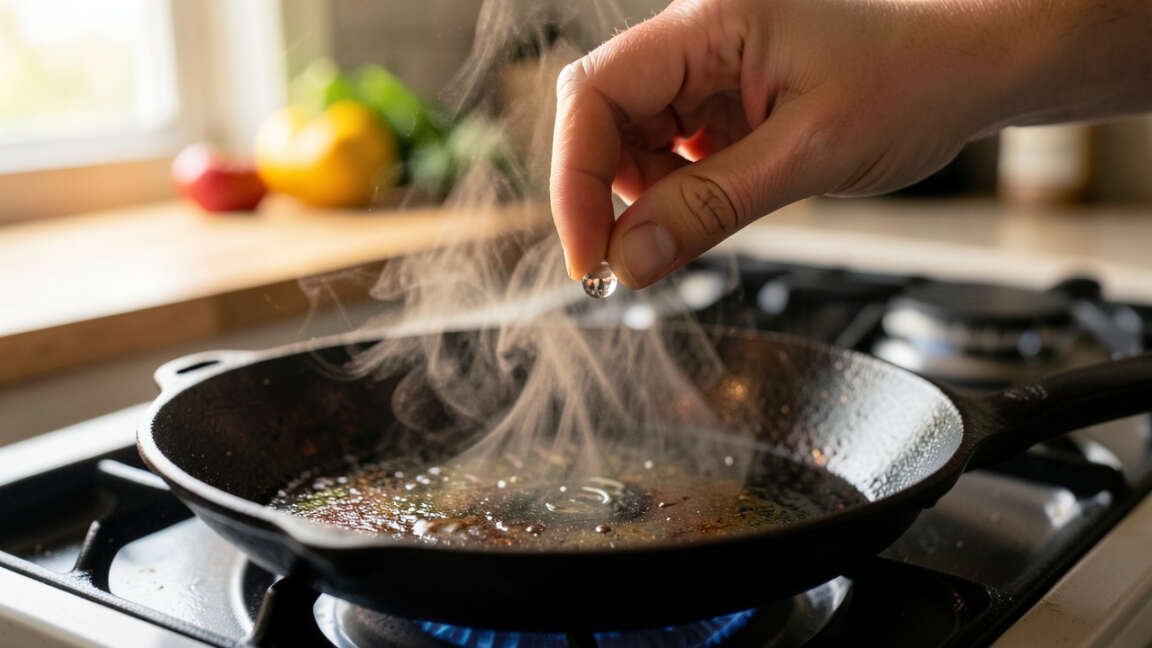
First, wet your fingertips lightly with tap water. Do not soak your hand. A few drops are enough.
Second, flick a single drop of water onto the hot pan surface. Watch what the water does. Then, listen to the sound and look at the behavior.
Different sounds mean different heat levels.
What the Water Does at Each Heat Level
- Low heat: The water drop sits still and slowly evaporates. No sizzle. The pan is not ready for searing.
- Medium heat: The water drop sizzles and bubbles but stays in one spot. This is good for eggs, pancakes, or fish.
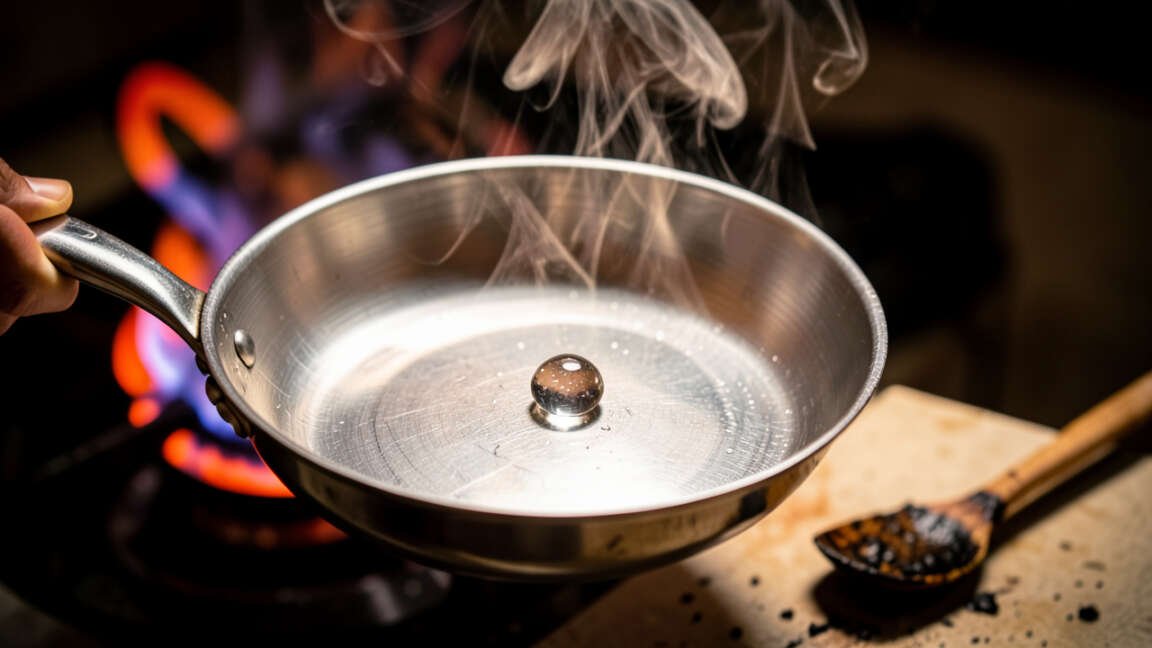
- Medium-high heat: The water drop breaks into smaller beads that dance around the pan. This is called the Leidenfrost effect. It means the pan is around 350-400°F. Perfect for searing meat or stir-frying.
- High heat: The water drop forms a tight ball and skitters across the pan fast. This means the pan is very hot, around 450°F or more. Use this for quick searing or wok cooking.
The water flick test is fast, accurate, and requires no tools. It is the most common answer to How to Test if Your Skillet Is Hot Enough Without a Thermometer because it works in seconds.
The Hand Test – Use With Caution
This method relies on feeling the heat rising from the pan. It is a classic restaurant trick. But it takes practice and care.
How to Do the Hand Test Safely
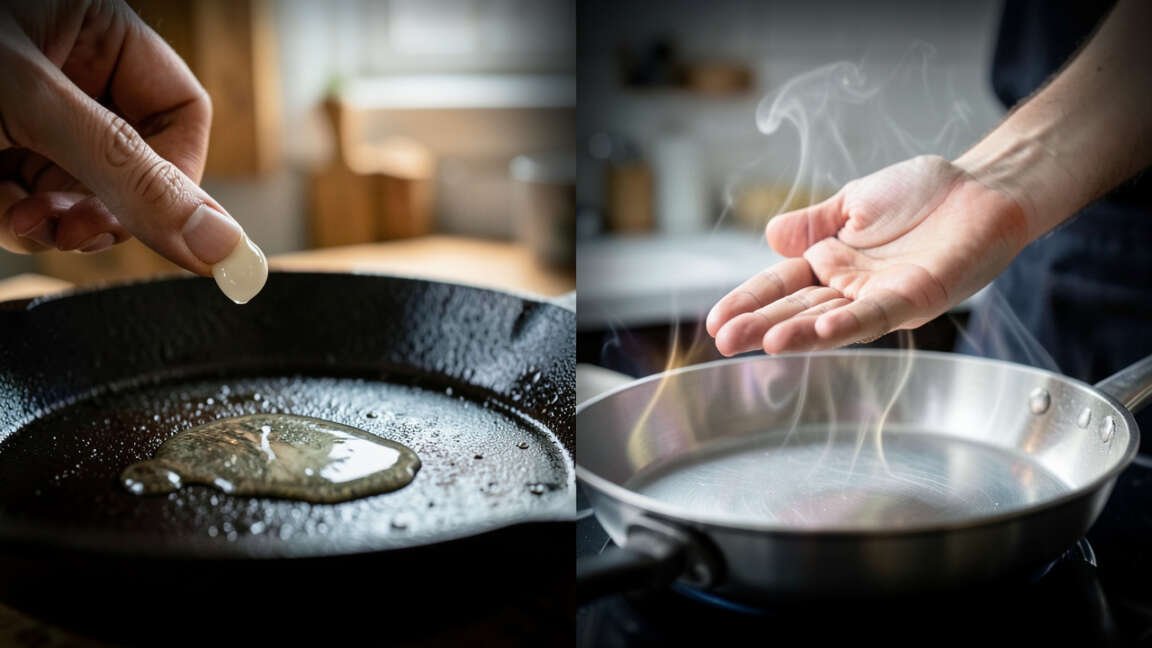
First, hold your palm about 3 to 4 inches above the pan surface. Do not touch the pan. Second, slowly lower your hand until you feel a clear heat sensation.
Then, count the seconds. Start counting as soon as you feel obvious warmth. Finally, pull your hand away if it gets too hot.
Never let your skin touch the pan.
What the Hand Test Tells You
- 5 to 6 seconds: The pan is at low heat. Good for gentle cooking.
- 3 to 4 seconds: The pan is at medium heat. Good for most everyday cooking.
- 1 to 2 seconds: The pan is at medium-high to high heat. Perfect for searing.
- Less than 1 second: The pan is very hot. Use caution. This is for high-heat searing only.
The hand test is not as precise as the water test. But it helps when you cannot use water. For example, if you use a seasoned cast iron pan and do not want to risk rust, the hand test is a good backup method for How to Test if Your Skillet Is Hot Enough Without a Thermometer.
The Oil Test – Watch for Shimmer and Smoke
Oil reacts to heat in visible ways. Once you learn the signs, you can read your pan temperature by looking at the oil.
Different Oil Reactions at Different Heats
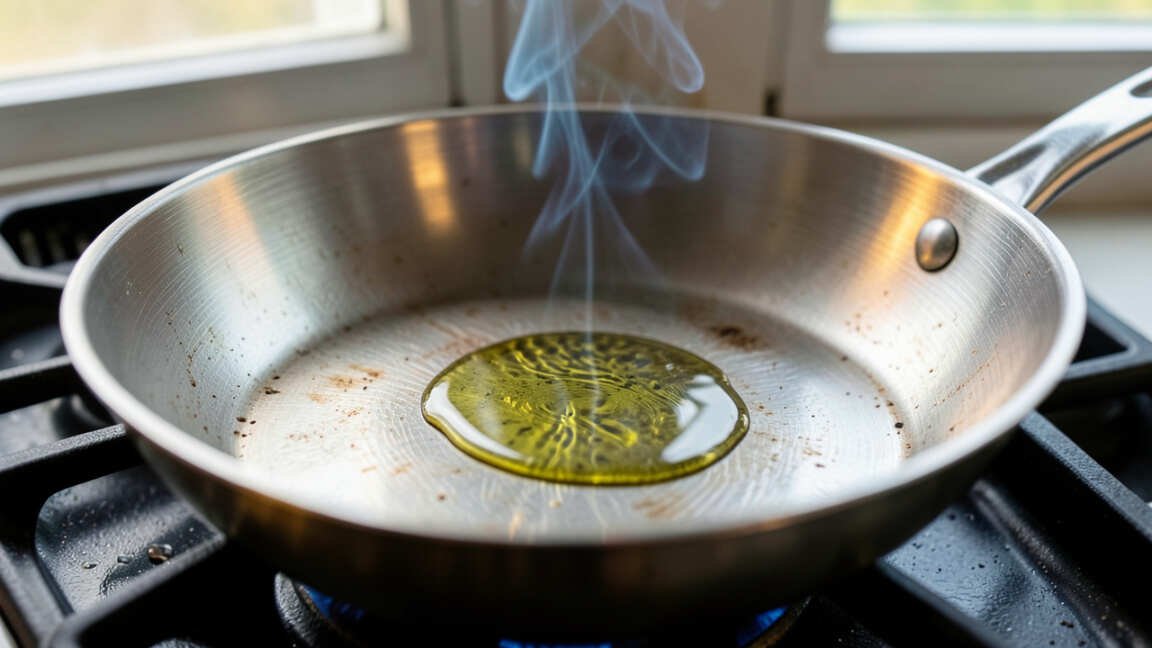
First, add a small amount of oil to your cold pan. Use about one tablespoon. Second, turn on the heat and watch the oil.
Then, look for changes in texture and movement.
- Cold pan: Oil sits still and thick. No movement.
- Low heat: Oil becomes slightly thinner but stays still. No shimmer.
- Medium heat: Oil starts to shimmer. You see small ripples on the surface. This is around 300-350°F.
- Medium-high heat: Oil shimmers clearly and moves easily. This is good for searing. Around 350-400°F.
- High heat: Oil begins to smoke lightly. This is called the smoke point. It varies by oil type. For canola or vegetable oil, this is around 400-450°F. The pan is very hot.
When you see oil shimmer and start to move freely, the pan is ready for most cooking tasks. If you see smoke, reduce the heat slightly. Using the oil test is a reliable part of How to Test if Your Skillet Is Hot Enough Without a Thermometer because it gives a clear visual cue.
The Food Test – Let Your Ingredients Tell You
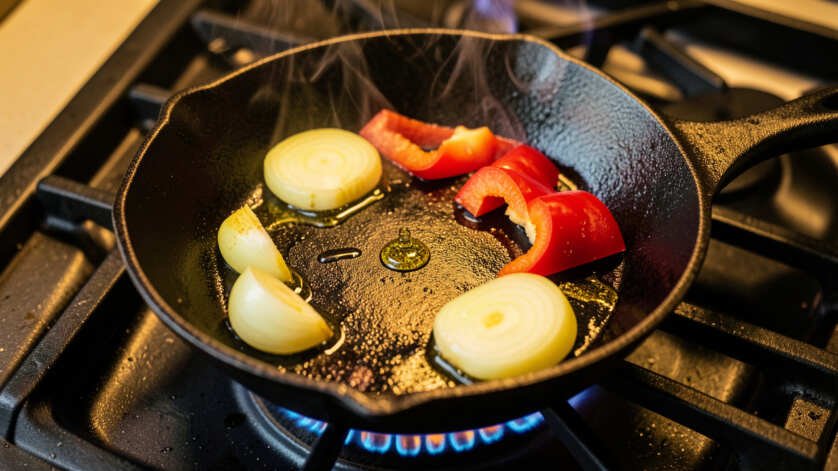
Sometimes the best test is to just add a small piece of food. This is practical and direct.
How the Food Test Works
First, place a small piece of your ingredient in the pan. For example, a tiny piece of onion, a drop of batter, or a small piece of fish. Second, watch what happens in the first 10 seconds.
- No sizzle: The pan is too cold. The food will soak up oil and cook slowly.
- Gentle sizzle: The pan is around medium heat. Good for eggs or delicate foods.
- Loud sizzle: The pan is at medium-high to high heat. The food will sear quickly. This is right for steak or stir-fry.
- Instant browning or burning: The pan is too hot. Lower the heat.
This method is very accurate because it uses your actual cooking ingredient. It works for any pan and any food. It is a practical answer to How to Test if Your Skillet Is Hot Enough Without a Thermometer because you do it while cooking.
How Pan Material Changes the Test
Not all pans behave the same way with heat. The material affects how quickly the pan heats up and how it holds heat. This changes which test works best.
Knowing your pan material helps you choose the right method for How to Test if Your Skillet Is Hot Enough Without a Thermometer. For example, non-stick pans do not react well to the water flick test because water can damage the coating over time. Use the hand test or oil test instead.
Common Mistakes When Testing Pan Heat
Even experienced cooks make errors. Here are mistakes to avoid.
- Flicking too much water: A large drop of water behaves differently. Use just a tiny drop.
- Testing too soon: Let the pan heat for 2-3 minutes before testing. Give it time to reach even heat.
- Using wet oil: Water in the oil causes spattering and false sizzling. Make sure your oil is dry.
- Trusting only one test: Use two methods to confirm. For example, do the water flick test and then check the oil shimmer.
- Forgetting pan thickness: Thick pans take longer to heat. Thin pans heat fast but cool fast too. Adjust your wait time accordingly.
Avoiding these mistakes makes your testing more reliable. It also improves your cooking results because you get the heat right the first time.
When to Use Each Method – A Quick Guide
Each test fits a different situation. Here is a simple breakdown.
- Water flick test: Use for cast iron, stainless steel, and carbon steel pans. Fast and accurate.
- Hand test: Use when you cannot use water. Good for non-stick pans or when you want to avoid rust on cast iron.
- Oil test: Use when you already added oil to the pan. Watch for shimmer and smoke.
- Food test: Use when you are ready to cook a small sample. Most direct test for your specific food.
You can combine methods. For example, First do the water flick test to check the general heat. Then add oil and watch for shimmer. This gives you a double check. Using multiple methods is
Final Thoughts
Mastering skillet heat is easy with the water droplet test-a gentle sizzle for medium, a rolling bead for high. Combine that with watching oil shimmer or butter foam, and you’ll confidently gauge temperature without any special tools.

Leave a Reply