
The rice cooker specification lie is that “cups” are not standard kitchen cups. Most rice cookers use a 180 ml rice cup, while a US measuring cup is about 240 ml, so capacity labels can mislead buyers. Use the supplied cup and inner-pot water lines, or convert carefully before judging size or portions.
You bought a new rice cooker, excited for perfectly fluffy rice every time. But then you notice the markings inside don’t seem to match your standard measuring cups. This can be frustrating, leading to mushy or dry rice.
Understanding The Rice Cooker Specification Lie: Cups Are Not Cups is key. This post will clarify why these differences exist, how to accurately measure your rice and water, and what you’ll gain by mastering this simple skill. You’ll learn to cook rice perfectly, improving your kitchen results and saving you time and frustration.
Key Takeaways
- Rice cooker cups are smaller than standard US measuring cups.
- Manufacturers use these smaller cups for specific rice-to-water ratios.
- Using standard cups can lead to incorrect rice texture.
- Learn the actual volume of a rice cooker cup for accuracy.
- Adjust your water measurement based on the type of rice you use.
![The Rice Cooker Specification Lie Cups Are Not Cups[1]](https://kitchentipsdaily.com/wp-content/uploads/2026/06/The_Rice_Cooker_Specification_Lie__Cups_Are_Not_Cups1.jpg)
Why Rice Cooker Cups Differ From Standard Cups
Many home cooks run into a puzzling situation. You grab your trusty measuring cup to add rice and water to your new rice cooker. But the lines on the cooker itself don’t seem to align with what your cup says.
This is where The Rice Cooker Specification Lie: Cups Are Not Cups becomes apparent. The reason is simple: rice cooker manufacturers use a different standard for their “cups” than the one found in your kitchen drawer. These specialized cups are typically smaller.
A standard US measuring cup holds 8 fluid ounces, or about 237 milliliters. In contrast, a rice cooker cup, often referred to as a “rice cup,” is usually around 6 fluid ounces, or about 180 milliliters. This difference might seem small, but it significantly impacts the rice-to-water ratio.
When a rice cooker recipe or its internal markings refer to “cups,” they mean these smaller, proprietary rice cooker cups.
This discrepancy is the core of The Rice Cooker Specification Lie: Cups Are Not Cups. It’s not a lie in the sense of deception, but rather a misunderstanding of differing units of measurement. Manufacturers design their cookers to work optimally with their specific cup size.
This ensures consistent results for the average user who follows their guidelines. Ignoring this difference means you’re likely using too much water for the amount of rice, leading to overcooked, mushy grains.
Understanding the “Rice Cup” Volume
To combat the confusion, it’s essential to understand the actual volume of a rice cooker cup. As mentioned, a typical rice cooker cup is about 6 fluid ounces (180 ml). This is a crucial piece of information when dealing with The Rice Cooker Specification Lie: Cups Are Not Cups.
When you see a recipe calling for “2 cups of rice,” it means two of these smaller, 6-ounce cups.
If you want to be absolutely precise, you can measure out one rice cooker cup and then pour its contents into a standard US measuring cup. You’ll see it doesn’t fill the standard cup completely. Alternatively, you can use a liquid measuring cup to fill one rice cooker cup with water and then pour that water into your standard measuring cup to see how much it measures.
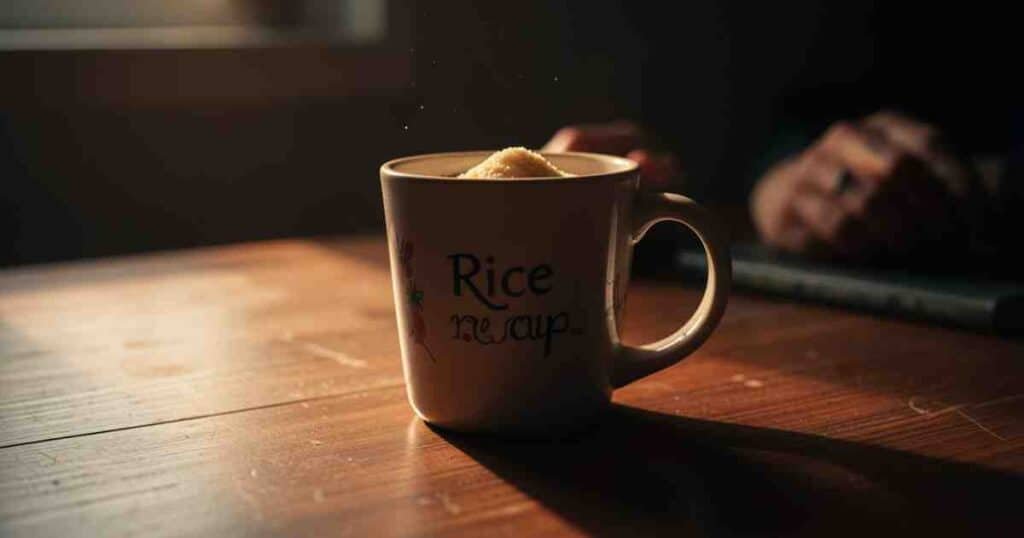
This exercise clearly demonstrates the volume difference.
Knowing this helps you translate recipes. If a recipe calls for “1 cup of rice” and you only have standard measuring cups, you would use about 3/4 of a standard cup. Similarly, if it calls for “2 cups of water,” you’d use about 1.5 standard cups.
This accurate measurement is vital for achieving the perfect texture, bypassing the confusion of The Rice Cooker Specification Lie: Cups Are Not Cups.
How Rice Cooker Size Affects Capacity and Measurement
Rice cookers come in various sizes, typically ranging from 3 cups to 10 cups. This “cup” measurement usually refers to the capacity of cooked rice, not the amount of dry rice you can put in. For example, a 5-cup rice cooker can typically cook about 5 “rice cup” servings of rice.
This means you can fit approximately 5 of those smaller rice cooker cups of dry rice into the inner pot.
The inner pot of the rice cooker will have markings for different water levels. These markings correspond to the number of rice cooker cups of dry rice you’ve added. For instance, if you add 2 rice cooker cups of dry rice, you would fill the water to the “2” line on the inner pot.
This system is designed to be straightforward, assuming you use the provided rice cup. It’s another aspect of why The Rice Cooker Specification Lie: Cups Are Not Cups can be misleading if you use your own measuring tools.
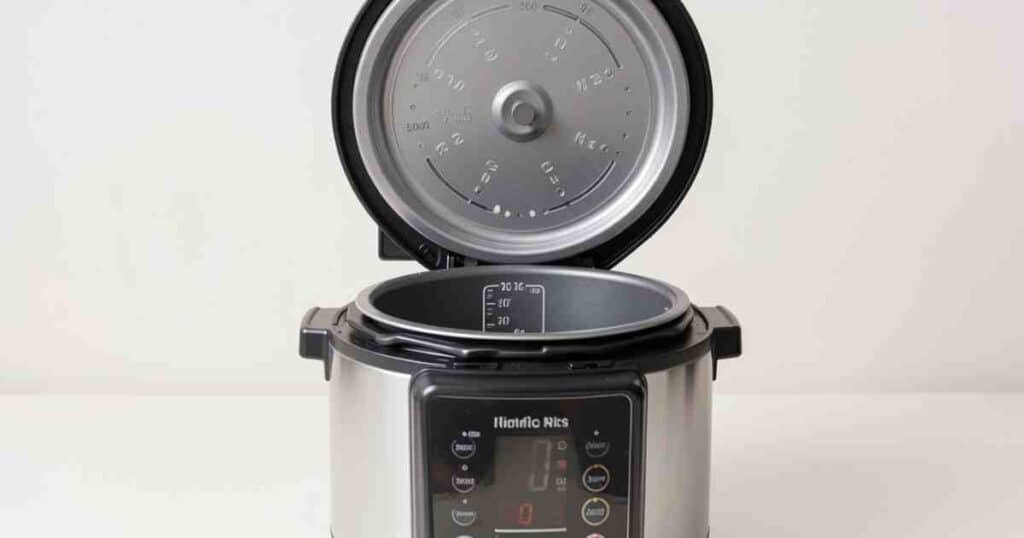
A larger rice cooker might have more intricate markings or a wider range of capacity. However, the principle remains the same: the markings are calibrated for the proprietary rice cooker cups. When you use standard measuring cups, you’re essentially throwing off this calibration.
This is why a 3-cup rice cooker might only be suitable for cooking 1-2 standard cups of rice, and a 10-cup cooker might handle 5-7 standard cups.
| Rice Cooker Cup | 6 fl oz (180 ml) | Manufacturer-specified for rice cookers |
| Standard US Measuring Cup | 8 fl oz (237 ml) | General kitchen measuring |
Adjusting Water Ratios for Different Rice Types
Beyond the cup size issue, the type of rice you use also affects the water ratio. This is a critical factor that complements understanding The Rice Cooker Specification Lie: Cups Are Not Cups. Different grains absorb water differently.
White Rice: This is the most common type. For most white rice varieties, a 1:1.1 ratio of rice cooker cups to water is often recommended. So, for 2 rice cooker cups of white rice, you’d add about 2.2 rice cooker cups of water.
Brown Rice: Brown rice is denser and has the bran layer intact. It requires more water and a longer cooking time. A good starting ratio for brown rice is 1:1.5 or even 1:1.75.
For 2 rice cooker cups of brown rice, you might need 3 to 3.5 rice cooker cups of water.
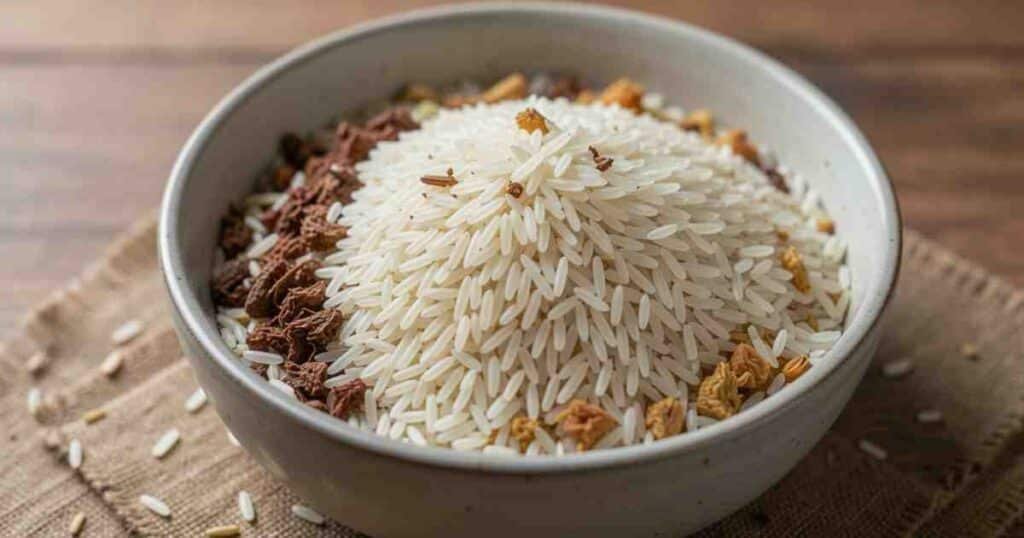
Sushi Rice: This short-grain rice is designed to be sticky. It typically needs a ratio very close to 1:1 or 1:1.1. The goal is to get it tender but not mushy, so it clumps together well.
Basmati and Jasmine Rice: These long-grain aromatic rices often benefit from slightly less water than standard white rice. A 1:1 or 1:1.1 ratio is usually perfect, aiming for separate, fluffy grains.
Using Standard Cups for Water: If you are using standard measuring cups for water, remember the volume difference. If your rice cooker recipe calls for 2 rice cooker cups of water and a rice cooker cup is 6 oz, you need 12 oz of water. In standard cups, this is 12 oz / 8 oz per cup = 1.5 standard cups.
This calculation helps bridge the gap caused by The Rice Cooker Specification Lie: Cups Are Not Cups.
Tips for Perfect Rice Every Time
Mastering rice cooking involves more than just understanding cup sizes. Here are some tips to ensure perfect results, even when navigating The Rice Cooker Specification Lie: Cups Are Not Cups:
- Rinse Your Rice: First, always rinse your rice thoroughly under cold water. This removes excess starch, preventing gummy or sticky rice. Keep rinsing until the water runs mostly clear.
- Soak Your Rice (Optional): For some rice types, especially brown or older white rice, soaking for 20-30 minutes can improve texture and reduce cooking time. Drain well after soaking.
- Use the Correct Ratio: Stick to the recommended rice-to-water ratio for your specific rice type. If you don’t have the rice cooker’s cup, use the volume conversions discussed earlier.
- Level the Rice: After adding rice and water, gently level the surface of the rice. Do not pack it down.
- Let it Rest: Second, once the rice cooker finishes, resist the urge to open it immediately. Let the rice rest, covered, for 10-15 minutes. This allows the steam to distribute evenly and finishes the cooking process.
- Fluff Gently: Finally, after resting, fluff the rice gently with a rice paddle or fork. This separates the grains without breaking them.
By following these steps, you can consistently achieve delicious, perfectly cooked rice, regardless of the initial confusion surrounding The Rice Cooker Specification Lie: Cups Are Not Cups.
The Impact of Using the Wrong Measurement
The consequences of overlooking The Rice Cooker Specification Lie: Cups Are Not Cups can range from minor inconveniences to outright culinary disasters. Using standard measuring cups when the rice cooker expects its own smaller cups means you are introducing too much water relative to the amount of rice.
Mushy or Gummy Rice: This is the most common outcome. With too much water, the rice grains absorb more liquid than they can hold. They become swollen, soft, and break down easily, resulting in a sticky, paste-like consistency.
This is especially true for types of rice that are meant to be fluffy and separate.
Watery Rice: If the cooker is significantly oversized for the amount of rice, or if you've added far too much water, the rice might not absorb it all. This can leave a layer of excess water at the bottom of the pot, making the rice soggy and unappetizing.
Under-cooked Rice: While less common with too much water, it can happen if the water-to-rice ratio is drastically off in the other direction (using too little water). The rice won’t cook through properly, leaving it hard and chewy in the center.
Inaccurate Cooking Times: The internal sensors and cooking cycles of a rice cooker are calibrated based on the expected water and rice volume. Using incorrect measurements can confuse the cooker, potentially leading to undercooked or overcooked rice, or the cooker finishing its cycle prematurely.
Understanding The Rice Cooker Specification Lie: Cups Are Not Cups is not just about semantics; it’s about achieving the desired texture and taste every single time you cook rice. It’s a small detail that makes a big difference in your cooking. Soaking for 20-30 minutes before cooking can improve the texture of brown rice.
Frequently Asked Questions Of The Rice Cooker Specification Lie: Cups Are Not Cups
Question: What is the actual volume of a standard US measuring cup?
Answer: A standard US measuring cup holds approximately 8 fluid ounces or 237 milliliters of liquid or dry ingredients.
Question: Why do rice cooker cups have a different volume?
Answer: Rice cooker cups are smaller (around 6 fluid ounces or 180 ml) to ensure the manufacturer’s intended rice-to-water ratio is maintained when following their specific instructions. This is central to The Rice Cooker Specification Lie: Cups Are Not Cups.
Question: Can I use a standard measuring cup to measure rice for my rice cooker?
Answer: Yes, but you must adjust the amount. For every “rice cup” called for, use about 3/4 of a standard US measuring cup. This adjustment helps overcome The Rice Cooker Specification Lie: Cups Are Not Cups.
Question: How much water should I use if I use standard measuring cups for rice?
Answer: If you use standard cups for rice, you’ll need to convert the water measurement too. For example, if the cooker calls for 2 rice cooker cups of water (12 oz total) and you used 1.5 standard cups of rice, use 1.5 standard cups of water (12 oz total).
Question: Does the type of rice matter when measuring?
Answer: Yes, different rice types absorb water differently. Brown rice needs more water than white rice. Always check recommendations for your specific rice variety, even when accounting for The Rice Cooker Specification Lie: Cups Are Not Cups.
Question: What happens if I use too much water in my rice cooker?
Answer: Using too much water will result in mushy, gummy, or overly wet rice because the grains absorb more liquid than they can hold.
Final Thoughts
Understanding that rice cooker cups differ from standard ones is crucial for perfect rice. By knowing the volume difference and adjusting your measurements, you can avoid common pitfalls like mushy rice. This simple knowledge helps you master your rice cooker and enjoy consistently delicious results with every meal. For perfect rice, it is recommended to rinse your rice thoroughly to remove excess starch.

Leave a Reply