
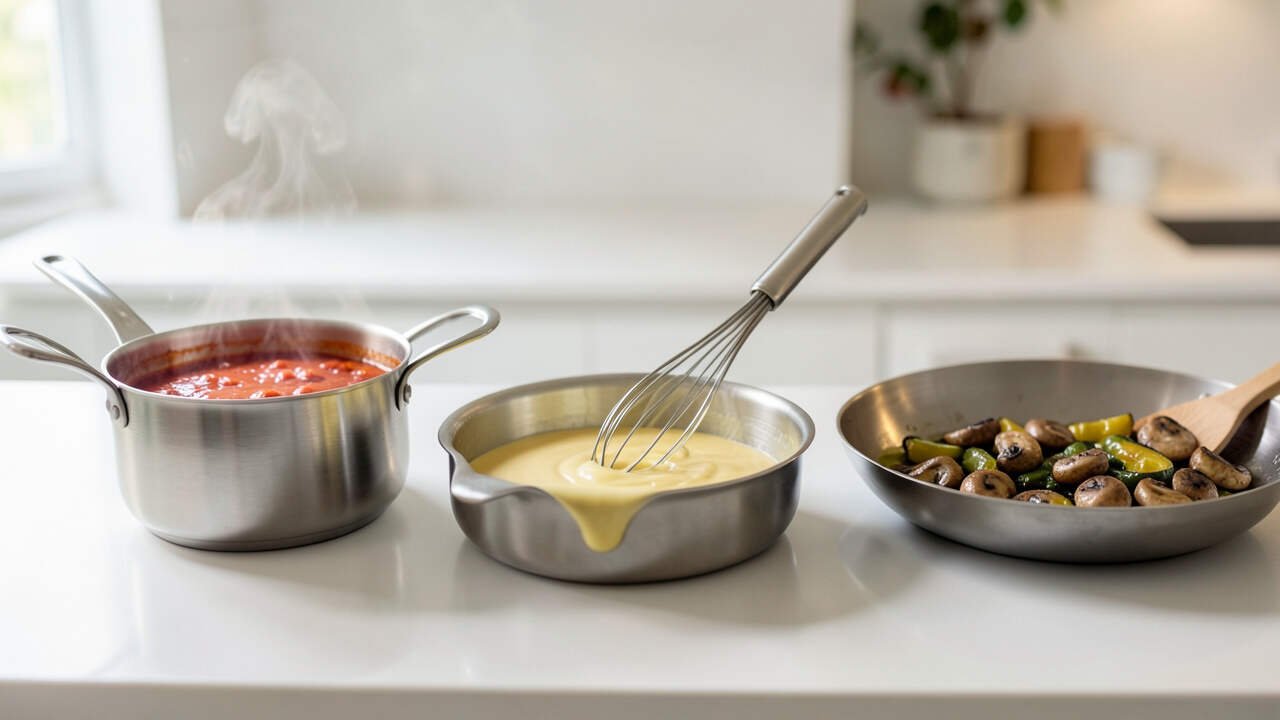
A saucepan, saucier, and sauté pan each excel in different cooking tasks because of their distinct shapes. The saucier’s sloped sides make it ideal for stirring delicate sauces and risotto, the sauté pan’s wide flat surface is best for searing and browning, and the standard saucepan handles boiling and soups at a lower cost. Choosing based on your most common cooking needs ensures better heat control and efficiency.
Choosing the right pan shapes your cooking results. A saucepan, saucier, or sauté pan each serves a distinct purpose. This guide explains the differences so you can buy the right tool for your kitchen.
Simply put, a saucier excels at sauces and risotto due to its rounded bottom, a saute pan dominates at searing and browning with its wide flat surface, and a standard saucepan handles boiling and soups at a lower cost. Your choice depends on what you cook most often.
- A saucier’s rounded interior makes whisking and stirring sauces easier than a traditional straight-sided saucepan.
- A saute pan offers a wide, flat surface that excels at searing meats and quickly reducing liquids.
- A standard saucepan is suitable for boiling pasta, cooking rice, and making soups at a lower price point.
- Home cooks who prepare delicate emulsions like hollandaise or beurre blanc benefit most from a saucier.
- Investing in a tri-ply stainless steel saucier or saute pan provides better heat control than a basic disc-bottom saucepan.
| Feature | Saucepan | Saucier | Saute Pan |
|---|---|---|---|
| Best For | Boiling, soups, rice, oatmeal | Delicate sauces, risotto, custards | Searing, pan-roasting, braising |
| Side Shape | Straight, vertical | Sloped, curved (bowl-like) | Straight, vertical |
| Bottom Shape | Flat, wide | Rounded, narrow | Flat, very wide |
| Whisking Access | Poor (trapped in corners) | Excellent (smooth curves) | Poor (wide, shallow) |
| Volume Control | Good for large batches | Good for small to medium batches | Best for liquid reduction |
| Average Price (3qt) | $50 – $150 | $100 – $250 | $80 – $200 |
Saucepan Overview
A saucepan is the most common cookware piece in American kitchens. It features straight, vertical sides and a flat bottom. These pans come with a tight-fitting lid and a long handle. Most home cooks own at least one saucepan in a 2-quart or 3-quart size.
Saucepan vs saucier vs saute pan debates often start with the saucepan as the baseline. It works well for tasks that require boiling liquid. The straight sides make it easy to stack and store. The flat bottom ensures stable contact with the burner.
Important: A standard saucepan is fine for most tasks. But its sharp corners create problems for whisking and stirring. Food can get stuck and burn in the edges.
Best Uses for a Saucepan
- Boiling pasta or vegetables in water
- Cooking rice, quinoa, or oatmeal
- Heating canned soup or stock
- Making hard-boiled eggs
- Preparing hot chocolate or milk
Pros and Cons of a Saucepan
Pros:
- Lower cost makes it accessible for any budget
- Widely available in all materials and sizes
- Works well for large volumes of liquid
- Easy to store due to uniform shape
Cons:
- Right-angle corners make whisking difficult
- Sauces can scorch in the edges
- Less surface area for reducing liquids
- Heavy disc bottoms can cause hot spots
Saucier Overview
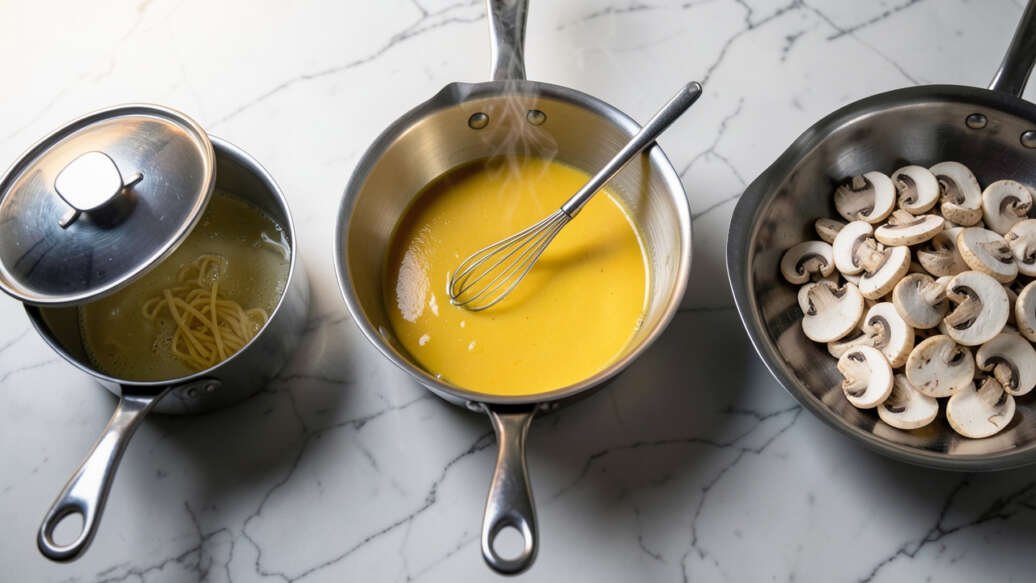
A saucier pan looks like a cross between a saucepan and a mixing bowl. It has sloped, curved sides and a rounded bottom. This shape comes directly from French culinary tradition. Chefs like Auguste Escoffier preferred rounded copper pots for sauce work. The design allows a whisk to reach every part of the pan without hitting corners.
According to America’s Test Kitchen equipment reviews, the saucier outperforms the saucepan for delicate tasks. Their testers found that a rounded pan gives whisking clearance up to five times better than a straight-sided pan. This makes a huge difference for emulsified sauces.
Best Uses for a Saucier
- Making hollandaise, bearnaise, and beurre blanc
- Cooking risotto to a creamy finish
- Tempering eggs for custards and creme anglaise
- Reducing wine and stock for pan sauces
- Melting chocolate without burning
Pros and Cons of a Saucier
Pros:
- Rounded bottom allows full whisk access
- No corners for food to burn or stick
- Excellent heat distribution and control
- Easier to stir thick mixtures like risotto
Cons:
- Higher price than standard saucepans
- Sloped sides can cause splashing
- Rounded bottom can be less stable on some stoves
- Less capacity for large batches of liquid
Tip: Buy a 3-quart saucier as your first piece. It is large enough for risotto for four people. It is also small enough for a quick hollandaise for two.
Saute Pan Overview
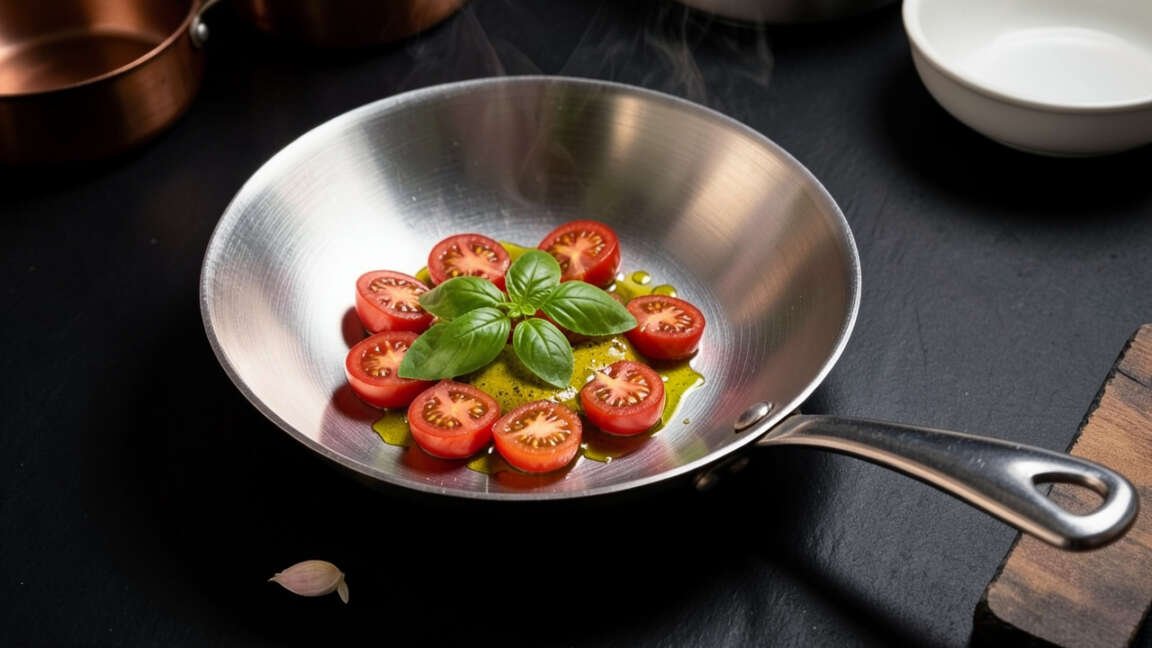
A saute pan has straight, tall sides and a very wide flat bottom. It often comes with a heavy lid. This pan is built for high-heat cooking. The wide surface area gives you room to brown meat without crowding. The tall sides hold in splatter and allow you to add liquid for braising.
Cook’s Country reports that a wide saute pan can reduce chicken stock three times faster than a standard saucepan. This happens because more liquid touches the hot cooking surface. The pan excels at tasks where evaporation matters.
Best Uses for a Saute Pan
- Searing chicken thighs or duck breast to crispy skin
- Pan-roasting pork chops or fish fillets
- Reducing wine, broth, or cream sauces quickly
- Braising vegetables like kale or collard greens
- Shallow frying breaded cutlets
Pros and Cons of a Saute Pan
Pros:
- Large surface area gives superior browning
- Straight sides hold more volume than a skillet
- Heavy construction retains heat well
- Lid allows braising and steaming
Cons:
- Heavy weight can be hard to handle
- Takes up significant storage space
- Not ideal for small quantities of sauce
- Higher cost for quality models
Head-to-Head Comparison
What is the main difference in shape?
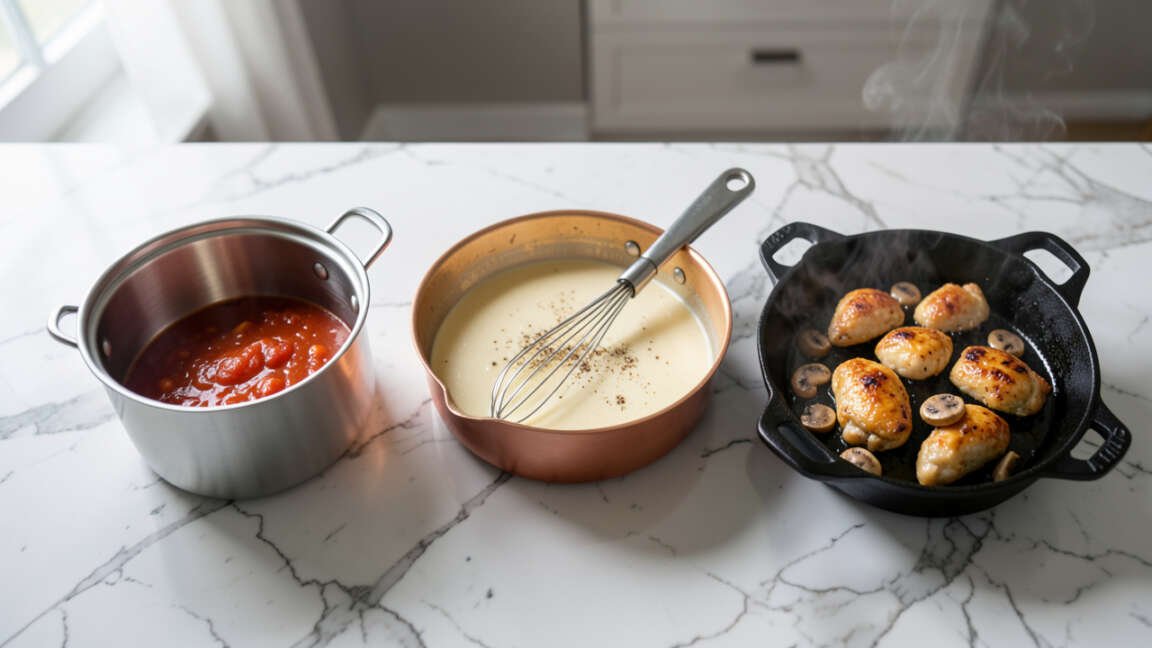
Shape is the defining factor in this comparison. A saucepan has straight sides and sharp corners. A saucier has sloped sides and a rounded bottom. A saute pan has straight sides and a wide flat bottom. Each shape matches a specific cooking task. The straight sides of a saucepan contain boiling water well. The rounded bottom of a saucier helps you whisk smoothly. The wide flat bottom of a saute pan creates maximum browning.
How does shape affect cooking performance?
Shape directly controls how heat moves through food. A saucepan vs saucier vs saute pan test shows clear performance differences. The saucepan’s corners create hot spots where sauce can burn. The saucier’s curves eliminate those hot spots. The saute pan’s wide base creates the most Maillard reaction for meat.
Warning: Do not use a non-stick saute pan over high heat. Non-stick coatings break down above 500 degrees Fahrenheit. Use stainless steel or cast iron for searing.
What are the best materials for each pan?
Material choice matters for heat control and durability. Tri-ply stainless steel works well for all three pan types. It has an aluminum core that spreads heat evenly. Copper offers even better heat response but needs more care. Cast iron suits a saute pan best because it holds high heat. Hard-anodized aluminum offers a lighter option with good heat control.
- Saucepan: Disc-bottom stainless, tri-ply, or hard-anodized aluminum
- Saucier: Tri-ply stainless or copper with stainless lining
- Saute Pan: Tri-ply stainless, cast iron, or enameled cast iron
How do costs compare between these pans?
A standard saucepan costs the least. You can find a decent 3-quart saucepan for around $50. A quality saucier from brands like All-Clad or Demeyere starts at $150. A good tri-ply saute pan sits between $80 and $200. The saucier costs more because of its complex shape and better ergonomics. The price gap shrinks when you compare tri-ply versions of all three pans.
Which pan should a beginner buy first?
If you cook a wide range of foods, start with a saute pan. It handles more cooking techniques than a saucepan. You can sear, braise, reduce, and even shallow fry in it. If you love making pasta and soups, a standard saucepan is fine. If you enjoy cooking sauces and risotto, buy a saucier. Most home cooks eventually own all three.
- Identify your most cooked dish. Do you make pasta weekly? Buy a saucepan. Do you sear chicken? Buy a saute pan.
- Match the pan shape to the task. Use a saucier for emulsions. Use a saute pan for browning. Use a saucepan for boiling.
- Choose the right material. Tri-ply stainless steel is the safest bet. It works on all stovetops including induction.
- Select a comfortable handle. Riveted handles are more durable. Stay-cool handles add safety.
- Start with one pan. Buy a 3-quart saucier or a 12-inch saute pan. Add more pieces as you expand your skills.
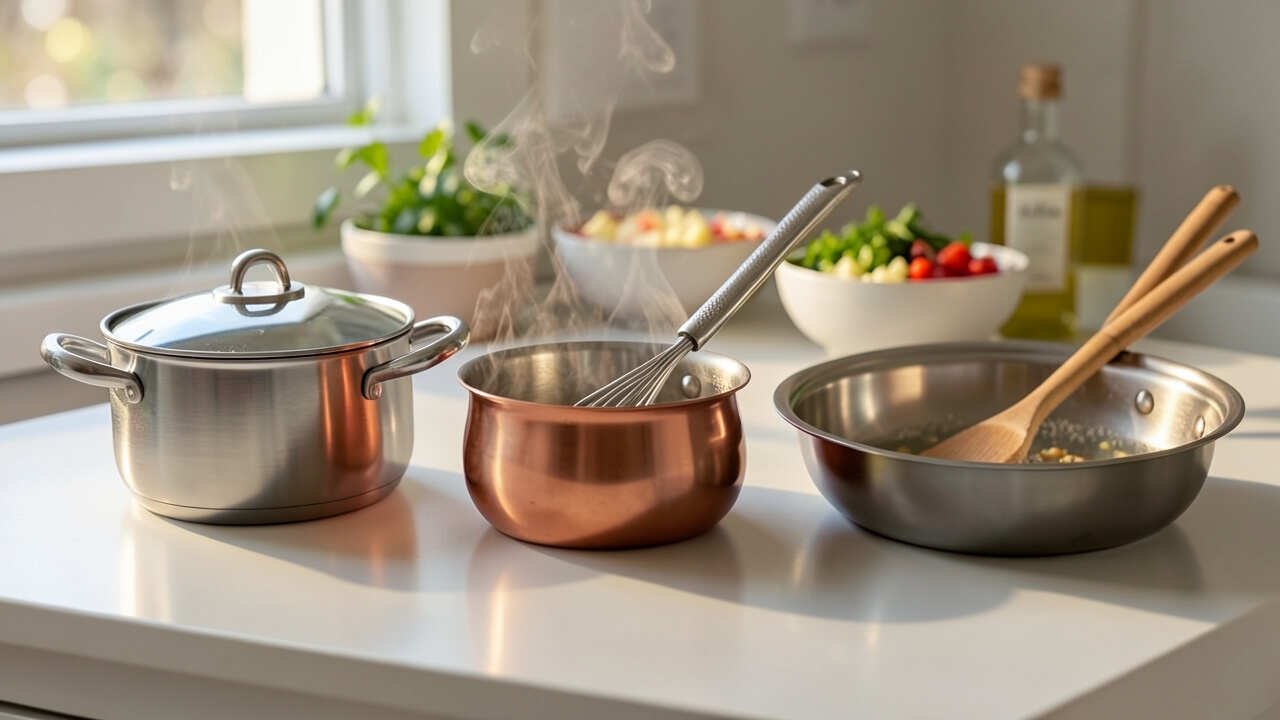
Which One Should You Choose?
The right pan depends on your cooking habits and space. A saucier wins for sauce lovers and risotto makers. A saute pan wins for meal preppers and meat cooks. A saucepan wins for budget-conscious beginners. Think about the dishes you cook most often. Let that dish guide your purchase. For versatile cooking, a saute pan with a lid performs most tasks efficiently.
Consider these scenarios:
- You make eggs benedict on weekends. Buy a saucier. The rounded bottom makes hollandaise foolproof.
- You meal prep chicken and vegetables. Buy a saute pan. The wide surface gives you perfect sears.
- You cook pasta and soup for your family. A standard saucepan works fine. Save money for other tools.
- You want multi-purpose cookware. A saute pan with a lid does the most jobs well.
- You love French cooking. Invest in a saucier and learn classic techniques.
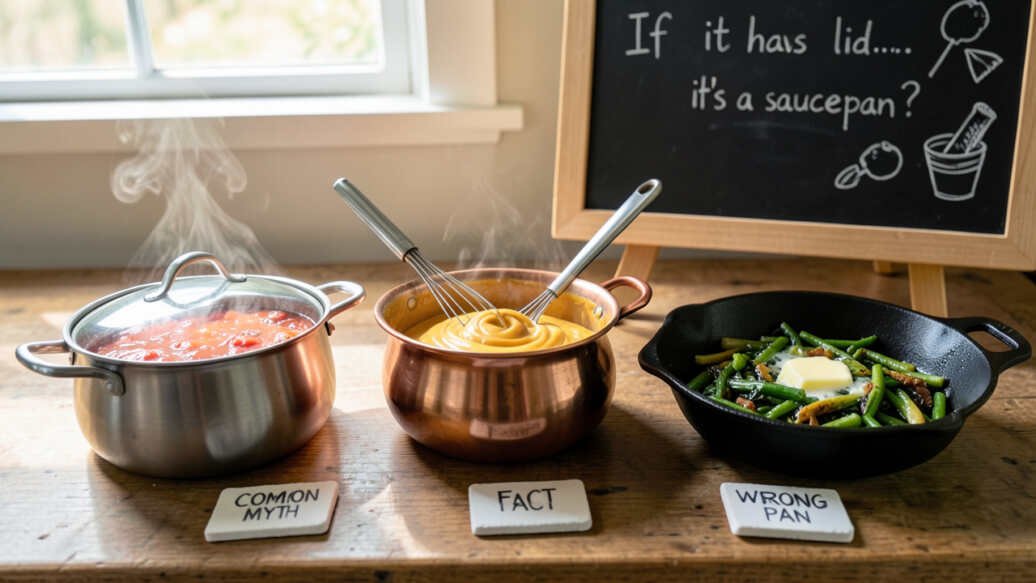
Common Myths vs Facts
Myth 1: A saucier is just an expensive saucepan.
Fact: The rounded bottom of a saucier prevents sauce from burning in corners. It also makes whisking much more effective. The design is fundamentally different.
Myth 2: A saute pan is the same as a frying pan.
Fact: A saute pan has straight sides and holds more volume. A frying pan (skillet) has sloped sides for flipping food. They serve different purposes.
Myth 3: You need a full matching cookware set.
Fact: Most home cooks get better results by buying individual pieces. A full set often includes sizes you never use. Choose the pans that match your cooking style. When you need to cook pasta and soup, a standard saucepan is a practical choice.
Frequently Asked Questions
Can I use a saucier instead of a saucepan for boiling pasta?
Yes, but it is less efficient. The wide, sloped sides of a saucier cause water to evaporate faster. The rounded bottom can also be unstable on the stove. A standard saucepan works better for large volumes of water.
What size saucier is best for home cooking?
A 3-quart saucier is the most versatile size for most home cooks. It can handle risotto for four people and still work for a quick hollandaise. A 2-quart saucier works for singles or couples.
What is the best brand for a saucier pan?
All-Clad and Demeyere are top choices for tri-ply stainless steel sauciers. Cuisinart offers a solid budget option. Mauviel makes excellent copper sauciers for professionals.
Can you sear meat in a saucier pan?
You can, but a saute pan is a better choice. The saucier’s rounded bottom has less contact with the heat source. This gives you less surface area for browning.
Is a saucier worth the extra cost over a saucepan?
If you make sauces, custards, or risotto often, yes. The better ergonomics and heat control lead to better results. The saucier also cleans up faster with no corners for food to hide.
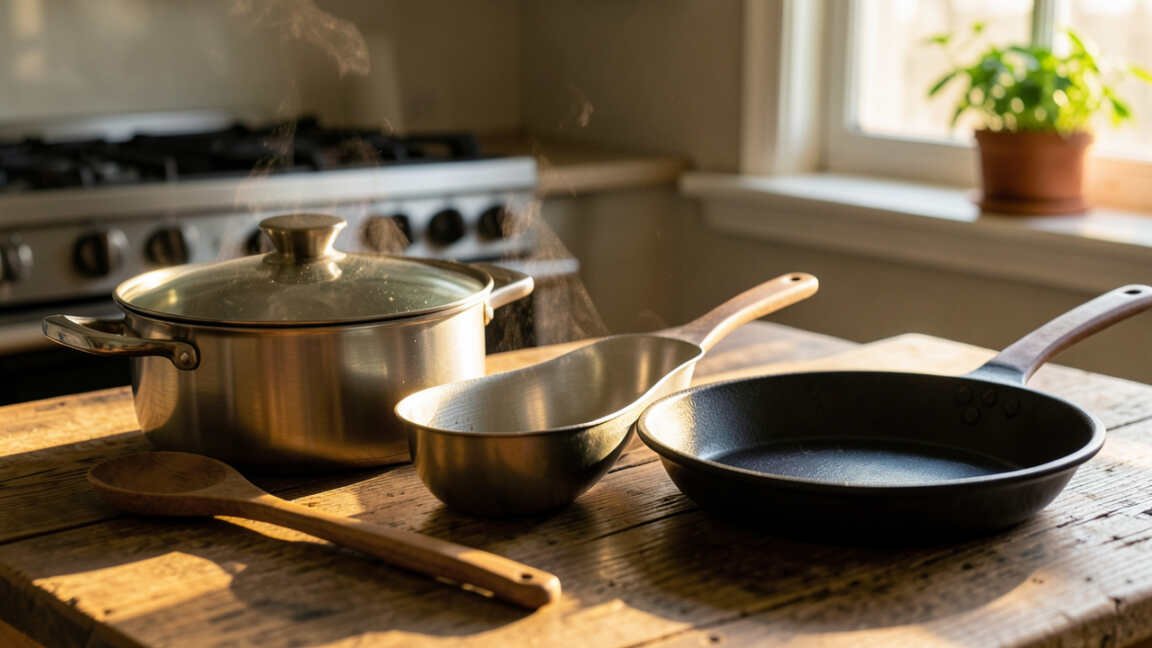
Final Thoughts
The Saucepan vs Saucier vs Sauté Pan choice depends entirely on your cooking goals. The saucier gives you the best results for delicate sauces and risotto. The saute pan delivers perfect browning for meat and vegetables. The standard saucepan remains a budget-friendly workhorse for everyday tasks. Buy the tool that matches the cuisine you love to cook. For everyday tasks like boiling pasta, a standard saucepan works fine and is budget-friendly.
Disclosure: As an Amazon Associate, I earn from qualifying purchases. All product recommendations are based on independent research.

Leave a Reply