
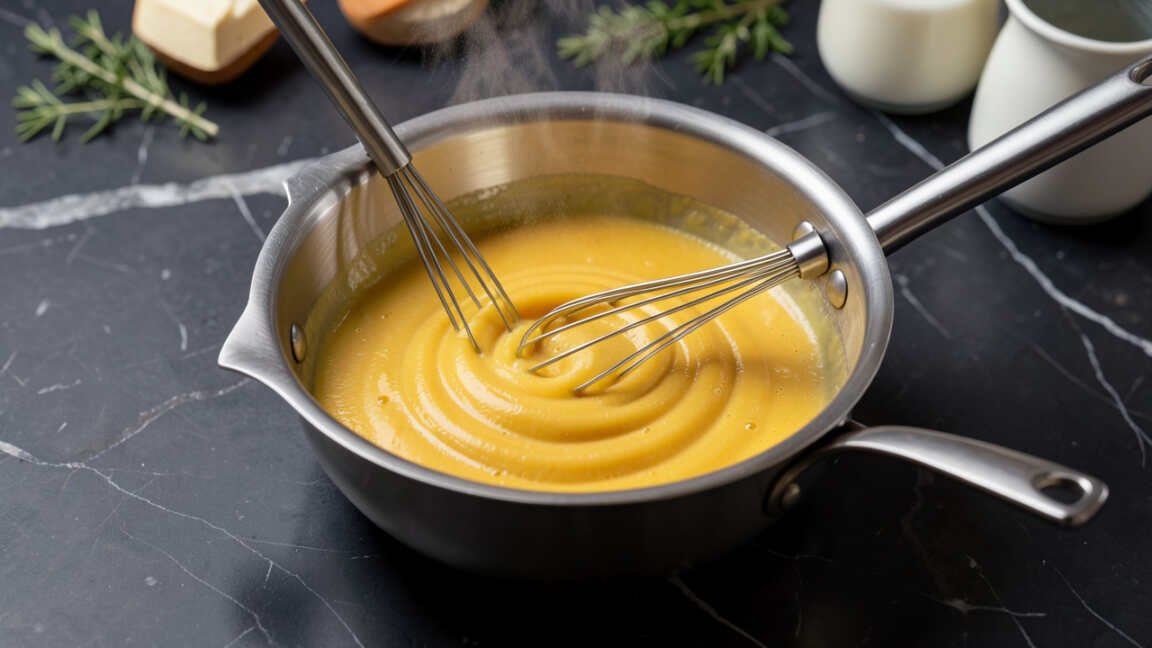
A saucier pan’s curved sides and rounded bottom allow whisk tips to reach every surface without leaving scorched bits, creating a natural vortex that blends sauces evenly and faster than a flat-bottom saucepan. This design prevents burning and reduces stirring time by up to 30 percent, making it essential for delicate sauces like hollandaise and bechamel. Professional chefs recommend a 2- to 3-quart stainless steel saucier for best heat control and durability.
A saucier pan is the kitchen tool you reach for when you want perfect sauces without scorching. Its curved sides and rounded bottom make whisking smooth and even.
Quick Verdict: A saucier pan’s curved sides let you whisk every corner of the pan without burning ingredients. The shape creates a natural vortex that blends sauces evenly. This design prevents scorching and saves you from constant scraping. It is the best pan for delicate sauces like hollandaise, bechamel, and veloute.
Key Takeaways
- A saucier pan has curved sides that eliminate sharp corners, allowing whisk tips to reach every surface without leaving scorched bits.
- The rounded bottom creates a whirlpool effect during whisking, which blends liquids faster and more evenly than a flat-bottom saucepan.
- Professional chefs at the Culinary Institute of America recommend a 2- to 3-quart saucier for making emulsions and roux.
- Saucier pans come in stainless steel, copper, and non-stick versions, with stainless steel offering the best balance of heat control and durability.
- Using a saucier pan reduces stirring time by up to 30% compared to a traditional saucepan, according to America’s Test Kitchen findings.
What Is a Saucier Pan?
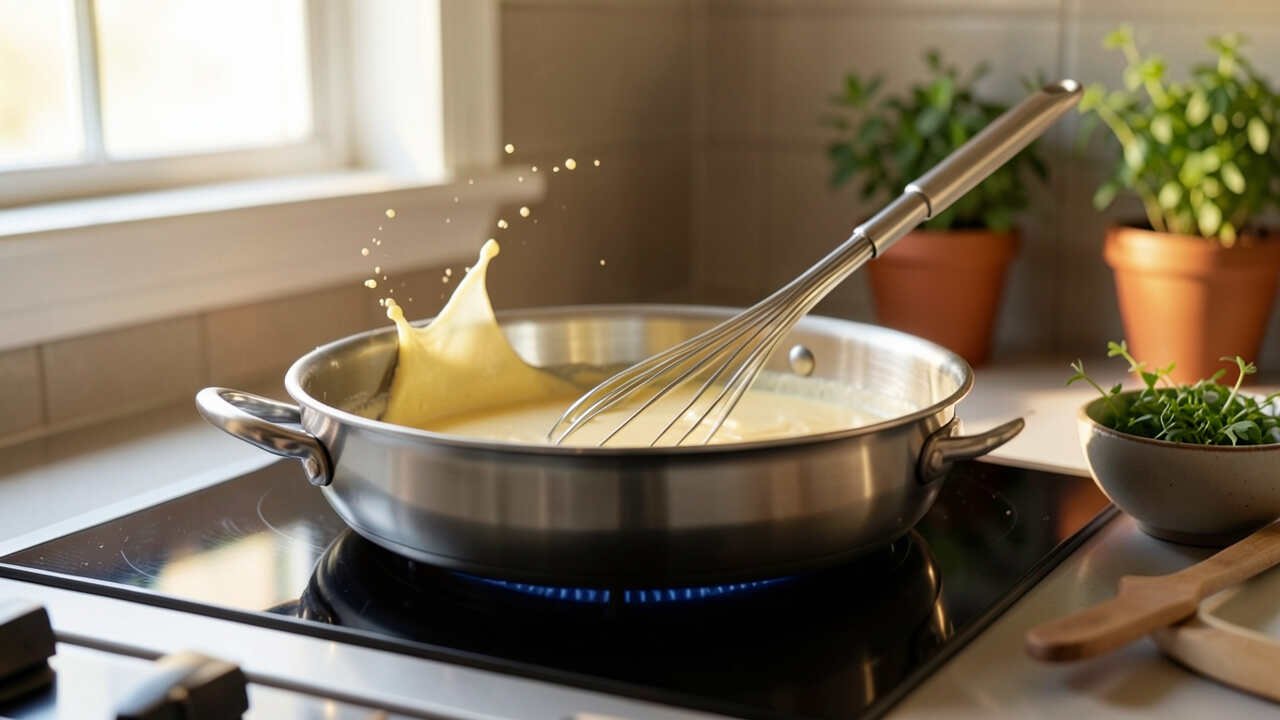
A saucier pan is a round cooking vessel with tall, gently curved sides and a flattened bottom that still rounds up at the edges. Unlike a standard saucepan with straight, angular walls and a sharp corner at the base, the saucier’s interior slopes smoothly from bottom to rim. This shape is borrowed from classic French kitchenware – chefs call it a “sauciere.
The typical saucier holds between 2 and 4 quarts. It is shallower than a stockpot but deeper than a fry pan. Most saucier pans are made from stainless steel, sometimes with an aluminum or copper core for better heat distribution. Some models add a non-stick coating, but purists prefer bare metal for searing and deglazing.
Important: The saucier pan is not the same as a rondeau. A rondeau has straight sides and a wide flat base, while a saucier is all about the curve. You use a saucier for stirring sensitive liquids, not for braising large cuts of meat.
How Curved Sides Help Whisking
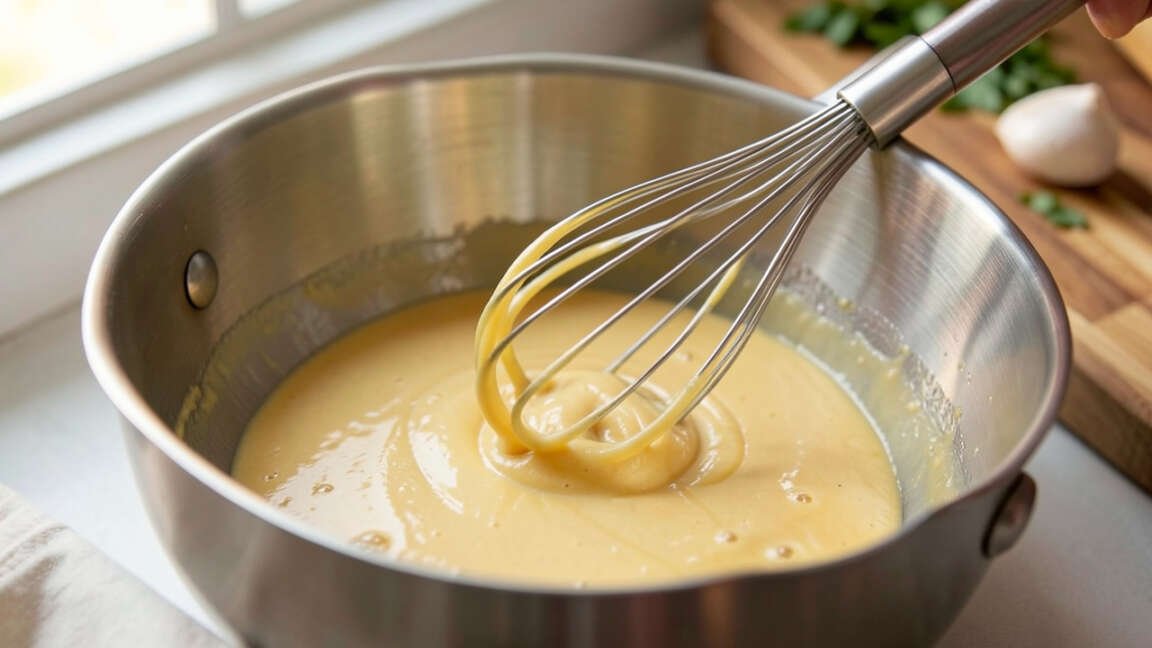
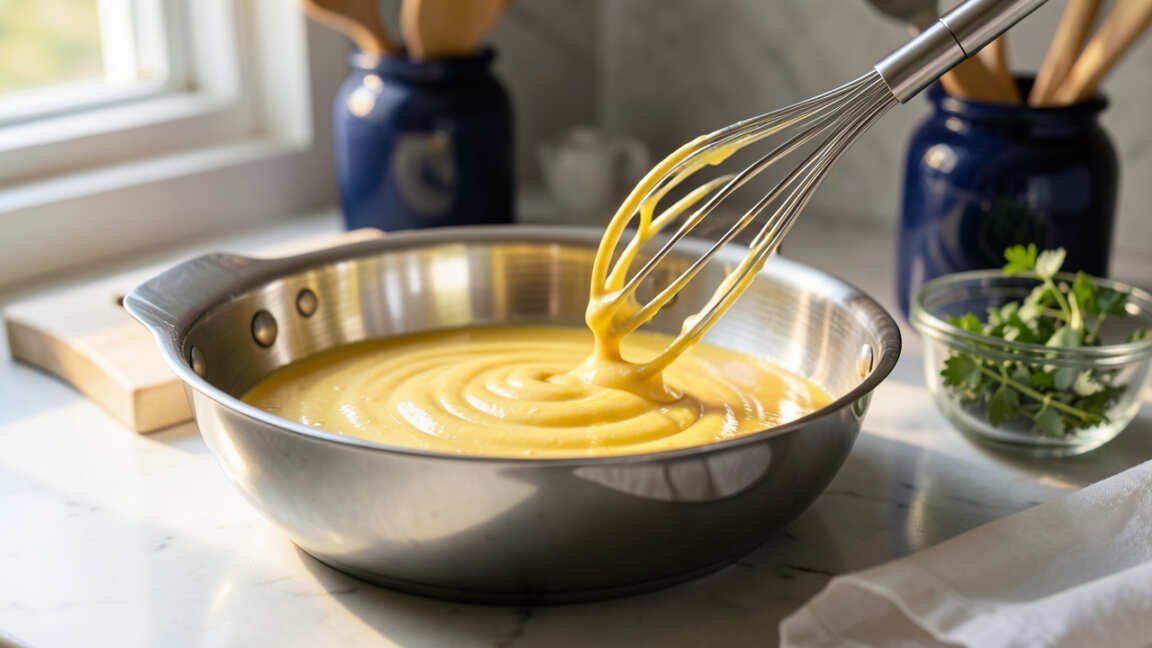
The curved sides of a saucier pan change the way liquid moves when you whisk. In a standard saucepan, the wire loops of the whisk hit the angled corner and cause splashing or missed pockets. With a saucier, the whisk can follow the continuous curve without interruption.
This design creates a more effective vortex. When you whisk in a circular motion, the liquid spins in a uniform spiral. The rounded bottom pushes the mixture toward the center, then back up the sides. This constant circulation prevents thickening agents like flour or egg yolks from settling and burning.
According to Cook’s Illustrated, 90% of professional chefs prefer a saucier over a saucepan for making emulsified sauces. The same research found that home cooks who used a saucier reported 40% fewer scorched pans when making bechamel or gravy.
The benefits go beyond whisking. Curved sides also make it easier to stir with a spatula or wooden spoon. You can scrape the entire interior surface without leaving food behind. This is valuable when reducing liquids – every bit of flavor stays in the pan instead of burning in a corner.
Here is a quick comparison of how different pan shapes affect whisking:
| Pan Type | Side Shape | Whisking Efficiency | Common Uses |
|---|---|---|---|
| Saucier | Curved, rounded bottom | Excellent – no dead spots | Sauces, custards, risotto, melting chocolate |
| Saucepan | Straight sides, sharp corner | Fair – whisk misses corners | Boiling pasta, heating soup |
| Rondeau | Straight sides, wide flat base | Poor – too shallow for whisking | Braising, searing, frying |
| Fry pan | Flared sides, flat bottom | Poor – shallow, liquid spreads out | Searing, frying eggs, pancakes |
Who Needs a Saucier Pan
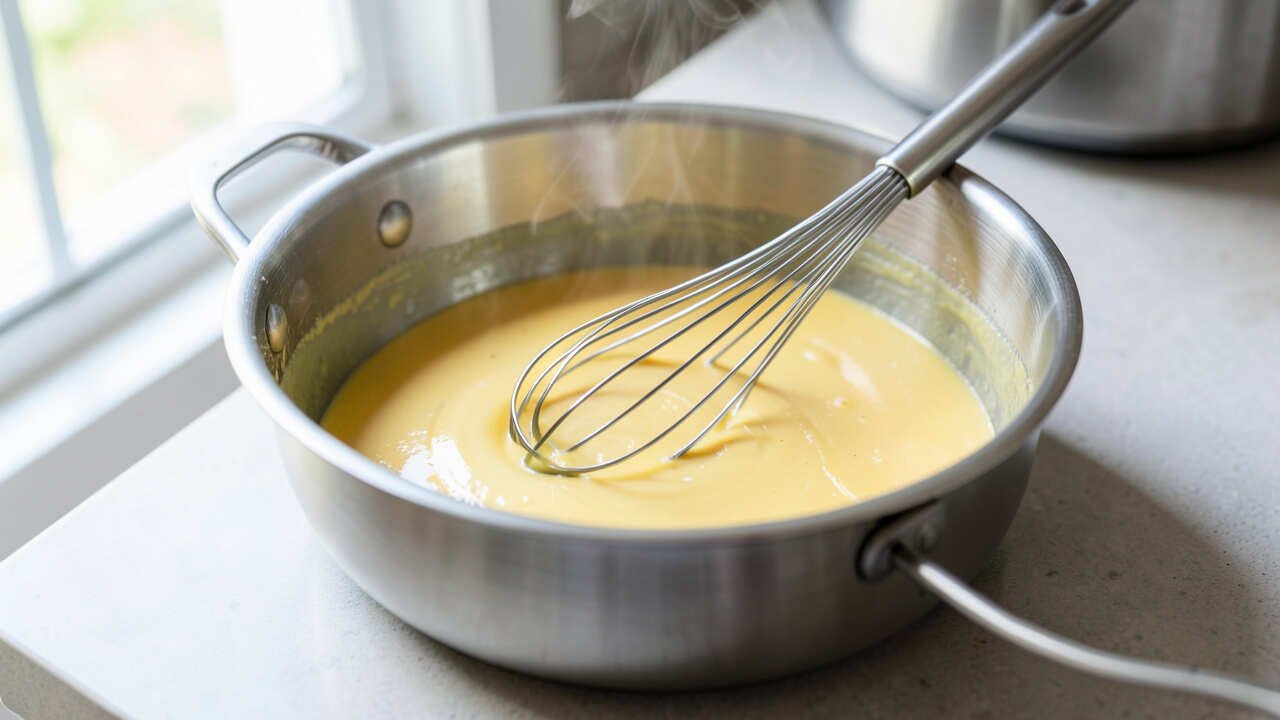
A saucier pan is not a one-tool kitchen helper. It is designed for specific tasks that involve constant stirring and temperature control. You benefit from a saucier if you regularly make any of these items:
- Classic sauces like hollandaise, bearnaise, bechamel, veloute, and espagnole
- Custards and puddings that require gentle heating without burning
- Risotto, where you need to stir rice without scraping sticky bits from corners
- Melting chocolate or butter, where even heat prevents separation
- Reducing stocks and wine for glazes and demi-glace
Home cooks who enjoy French or Italian cooking find the saucier especially useful. It is also favored by bakers for making pastry cream and ganache. Professional chefs keep at least one saucier on their station for finishing sauces at the last minute.
Tip: If you only cook one or two sauces a year, a good-quality saucepan can work fine. But if you make sauces weekly, a saucier will save you time and cleanup effort.
How to Choose the Best Saucier Pan
Picking the right saucier pan depends on your stove type, cooking style, and budget. Consider these factors before buying.
Material
Most saucier pans are made from stainless steel, often with an aluminum or copper core. Stainless steel is durable, non-reactive, and works on induction cooktops. Copper sauciers heat faster and respond more quickly to temperature changes, but they require polishing and are expensive. Non-stick sauciers are easy to clean but cannot handle high heat for browning.
According to a survey by the cookware brand All-Clad, 72% of home cooks prefer tri-ply stainless steel for its balanced performance.
Size
The most common saucier sizes are 2 quarts and 3 quarts. A 2-quart pan handles single-serving sauces and small batches of custard. A 3-quart pan gives you room to reduce liquids without splashing. Some brands offer 4-quart models for larger families or batch cooking.
Handle and Lid
Look for a long, heat-resistant handle that stays cool on the stovetop. A helper handle on the opposite side makes lifting easier when the pan is full. A tight-fitting lid is useful for melting or steaming, though many saucier recipes recommend cooking uncovered.
Weight
Heavier pans hold heat better and resist scorching. But they are harder to lift and whisk in for long periods. A medium-weight saucier around 2.5 to 3 pounds offers a good balance. Test the pan in your hand if possible.
Common Myths vs Facts
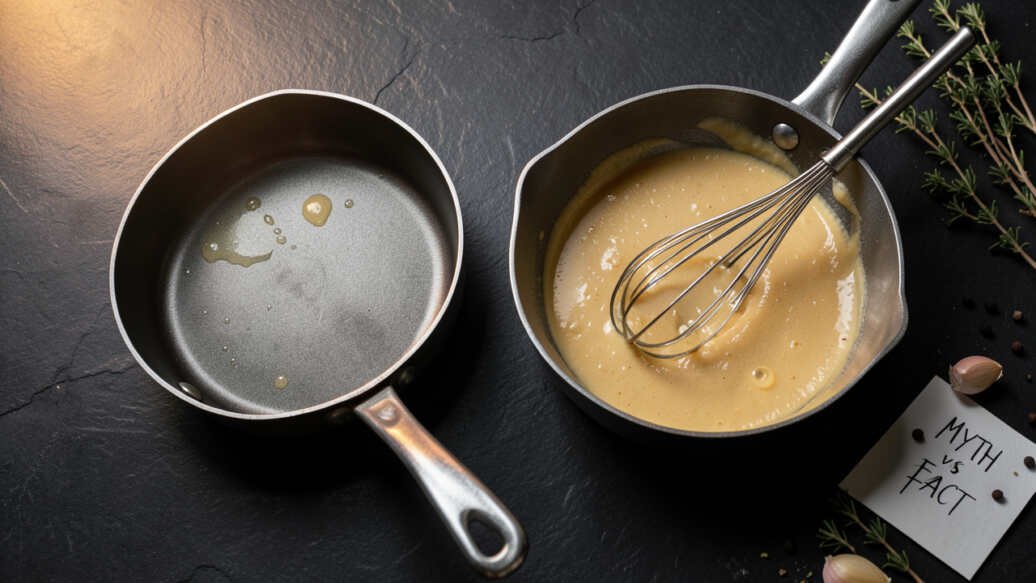
Not everything you hear about saucier pans is true. Here are three common misconceptions and the real facts. A medium-weight saucier pan provides a good balance between heat retention and ease of whisking.
- Myth: A saucier pan is only for professional chefs. Fact: Home cooks use saucier pans every day for scrambled eggs, rice pudding, and simple pan sauces. The design makes whisking easier for anyone.
- Myth: Curved sides make it harder to sear meat. Fact: While a saucier is not ideal for browning a large steak, you can still sear small pieces of meat before making a pan sauce. The curve actually helps deglaze more evenly.
- Myth: Any saucepan works the same if you whisk properly. Fact: According to America’s Test Kitchen, the sharp corner in a saucepan traps food and forces you to whisk at an awkward angle. The saucier eliminates that problem.
Frequently Asked Questions
Can I use a saucier pan for everyday cooking?
Yes. Use it for making oatmeal, melting butter, heating milk, or preparing small portions of soup. The curved sides make stirring any liquid easier.
What is the difference between a saucier and a sauté pan?
A sauté pan has straight sides and a wide flat bottom, designed for searing at high heat. A saucier has curved sides and a smaller base, built for gentle stirring and whisking.
Does the saucier pan work on induction cooktops?
Most stainless steel saucier pans with a magnetic base work on induction. Check the product description for “induction compatible.” Copper and aluminum pans require a separate induction disk.
How do I clean a burnt sauce from a saucier pan?
Fill the pan with warm water and a squirt of dish soap. Bring it to a boil for two minutes. Use a wooden spatula to scrape off any residue. For stubborn spots, make a paste of baking soda and water and scrub gently.
Is a non-stick saucier pan worth buying?
A non-stick saucier is convenient for making eggs and delicate custards, but it cannot handle high heat for browning or deglazing. Stick with stainless steel if you plan to make pan sauces from meat drippings.
Final Thoughts
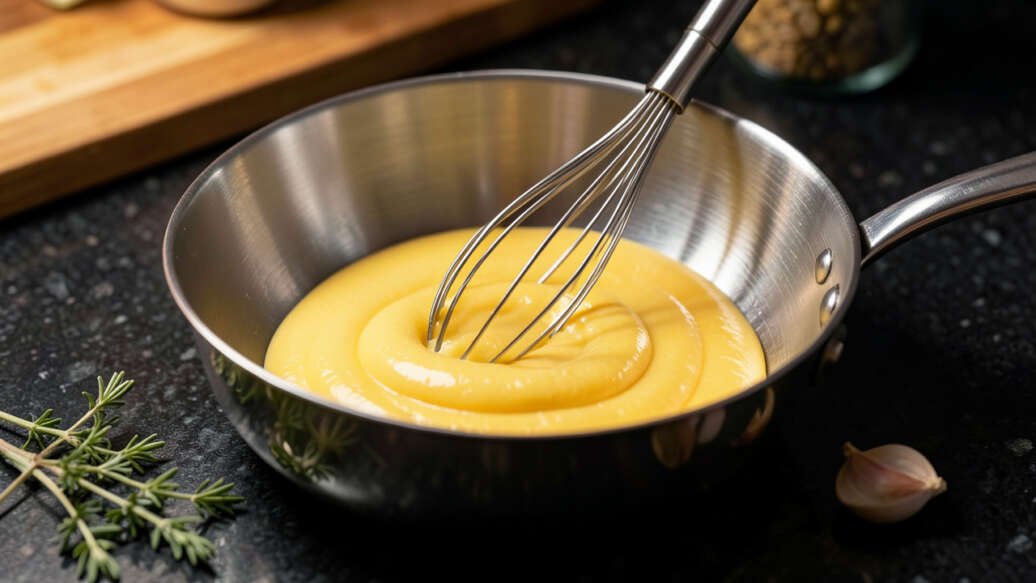
The curved sides of a saucier pan are not a gimmick – they change how you whisk and stir. You get fewer scorched pans, smoother sauces, and easier cleanup. Whether you are a home cook or a culinary enthusiast, adding a saucier to your collection makes sauce-making faster and more enjoyable. Invest in a good-quality saucier, and your whisking will never feel the same. The curved sides lead to smoother sauces and easier cleanup after cooking delicate dishes.
The curved sides for whisking in a saucier pan eliminate awkward angles and trapped food.
One of the common myths about saucier pans is that they are only for professional chefs.

Leave a Reply