
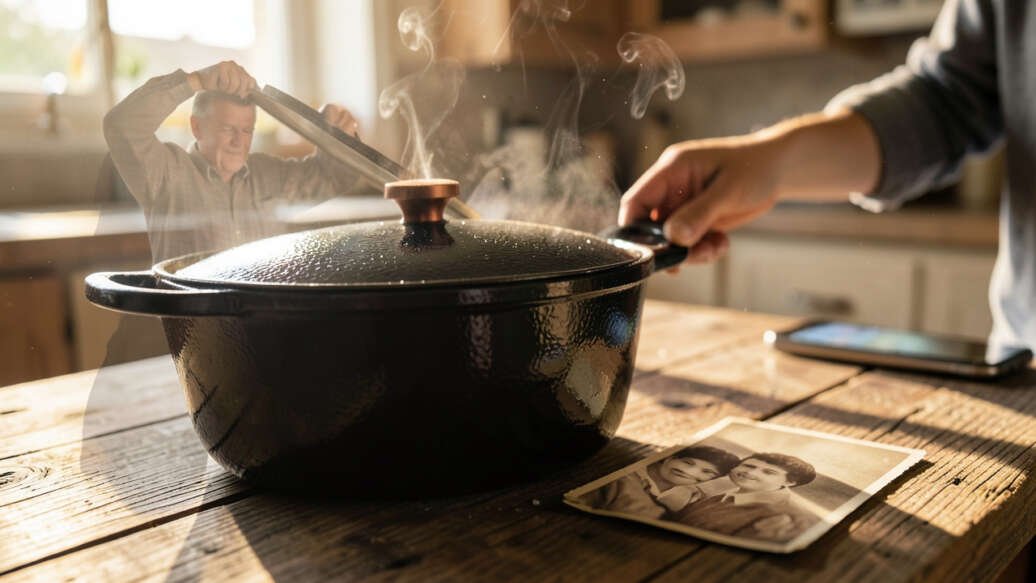
A cast iron Dutch oven outlives three generations of owners because the material is chemically stable, resists warping, and does not degrade like aluminum or non-stick coatings. Its thick walls provide superior thermal mass and stability, and premium enamel coatings are fired at extreme temperatures for decades of durability. With simple cleaning and proper storage, a high-quality Dutch oven from brands like Le Creuset or Lodge requires no replacement and offers a lifetime of reliable cooking.
A single cast iron pot can outlast multiple generations of cooks in the same kitchen. This article explains exactly why Dutch ovens outlive three generations of owners reliably.
Tip: Simply put, a heavy Dutch oven made from cast iron lasts for decades because the material does not degrade. It resists warping and holds heat better than any other cookware. A well-made piece can serve your family for a lifetime and more.
- Cast iron is chemically stable and does not break down like aluminum or non-stick coatings.
- The thick walls prevent warping, which is the main cause of failure for other pots.
- Premium enamel coatings are fired at extreme temperatures for maximum durability.
- Simple care methods remove the need for replacement over time.
- Brands like Le Creuset and Lodge offer warranties that span decades.
Why Does Cast Iron Last So Much Longer Than Other Materials
Most cookware dies a slow death. Non-stick pans lose their coating. Aluminum pots warp on high heat. Stainless steel discs separate from the body. These failures are standard in modern kitchens. Why Dutch ovens outlive three generations of owners reliably comes down to simple material physics.
Cast iron is a thick, single piece of metal. It has no joints or rivets to fail. The enamel coating is glass, baked onto the iron at over 800 degrees Celsius. This bond is stronger than any chemical non-stick layer.
What Happens to Aluminum and Non-Stick Over Time
Aluminum is a soft metal. It expands when heated and contracts when cooled. Over time, this causes warping. A warped pan does not sit flat on the stove. It cooks unevenly. Non-stick coatings like PTFE degrade at high temperatures. They start to peel after a few years. According to the Cookware Manufacturers Association, the average lifespan of a non-stick skillet is only 3 to 5 years.
Cast iron does not have these problems. Its thickness gives it high thermal mass. It stays stable under high heat and does not change shape. The enamel surface does not react with acidic foods. It does not absorb oils or bacteria. These factors make it a permanent fixture in the kitchen.
| Material | Common Lifespan | Primary Failure Mode | Heirloom Quality |
|---|---|---|---|
| Cast Iron | 100+ Years | Cracking from thermal shock | Yes |
| Carbon Steel | 20-50 Years | Rusting and warping | Possible |
| Stainless Steel | 15-30 Years | Layer separation, warping | Rarely |
| Non-Stick Aluminum | 3-5 Years | Coating peeling, warping | No |
The Physics of Thermal Mass and Stability
Heat is the main enemy of cookware. Thin metals expand quickly. This creates stress points that lead to warping. The durability of cast iron comes from its sheer mass. A quality Dutch oven weighs between 10 and 15 pounds. This weight absorbs heat slowly and releases it slowly.
Materials engineers confirm that cast iron has a tensile strength similar to steel. Its crystal structure does not fatigue under normal cooking temperatures. This means the metal itself does not wear out. The pot you buy today will have the same physical properties in 60 years.
Why Thermal Shock Is the Only Real Danger
There is one way to break a Dutch oven. You can shatter it with thermal shock. This happens when you place a scorching hot pot into cold water. The rapid contraction cracks the iron or the enamel. This is the only common failure mode for enameled cast iron.
Warning: Never run cold water over a hot Dutch oven. Let it cool completely before washing. Thermal shock is the leading cause of cracking in cast iron. Avoid this one mistake and your pot will last indefinitely.
How to Ensure Your Dutch Oven Lasts for Decades
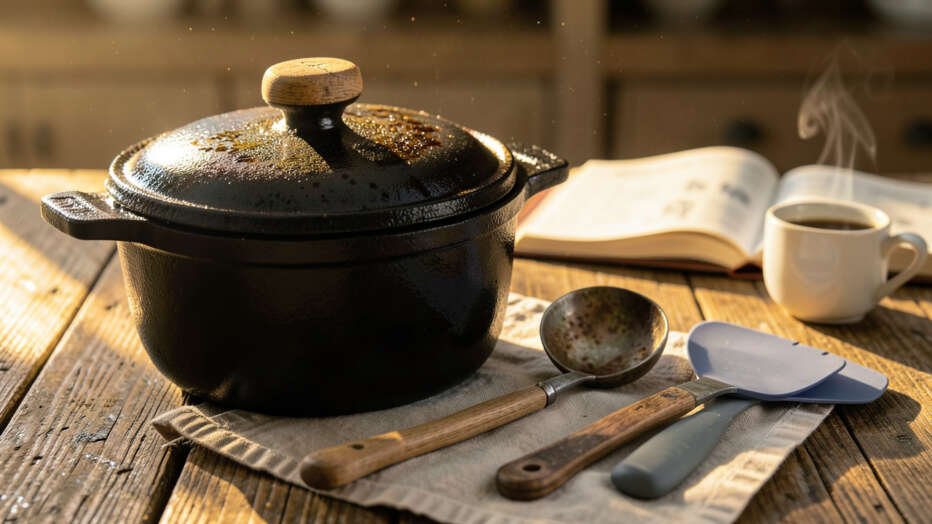
You can make a Dutch oven last for generations with very little effort. The rules are simple. Following them preserves both the enamel and the metal beneath it. The reason why Dutch ovens outlive three generations of owners reliably is that the care routine is straightforward.
Cleaning Techniques for Enameled Models
Enamel is glass. It is hard but brittle. You need to treat it with respect.
- Use wooden, silicone, or nylon utensils. Metal utensils can scratch the enamel surface over time.
- Soak the pot in warm water to loosen stuck food. Avoid abrasive scouring pads.
- Use baking soda and water for stubborn stains. Make a paste and scrub gently.
- Do not use spray-on oven cleaners. The chemicals can damage the enamel finish.
Tip: Burned food inside the pot? Fill it with water and add 2 tablespoons of baking soda. Bring it to a boil for 5 minutes. Let it cool. The food residue will lift right off without any hard scrubbing.
How to Store a Dutch Oven Properly
Storage matters for longevity. Cast iron is heavy. Dropping it on a hard floor can chip the enamel. Store your Dutch oven on a sturdy lower shelf. Place a paper towel between the lid and the pot. This prevents moisture buildup and protects the rim from rubbing.
What You Get When You Buy a Premium Brand
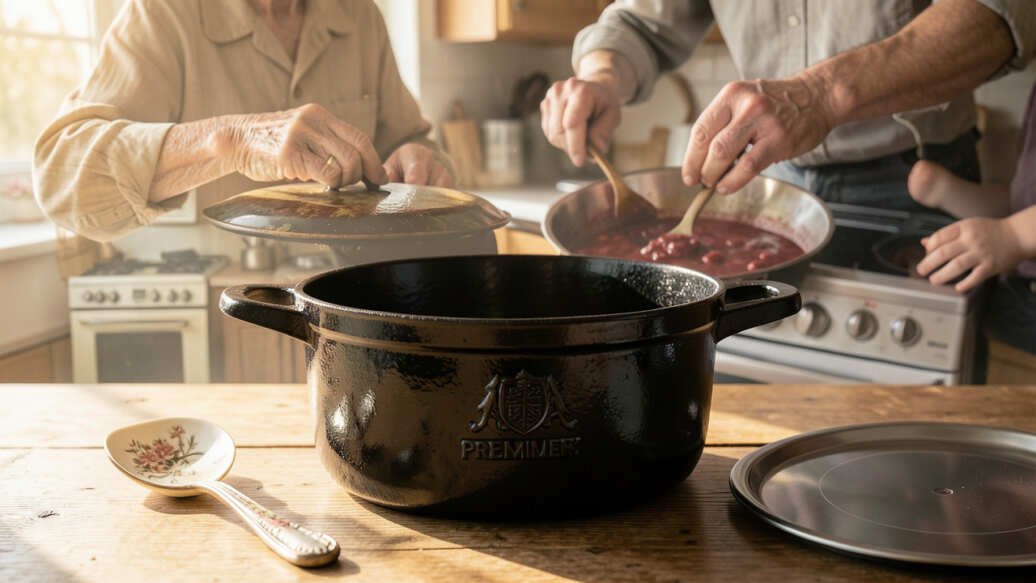
Not all Dutch ovens are equal. The difference between a budget pot and a premium one is the number of coating layers and the firing temperature. Brands like Le Creuset and Staub apply three to four layers of enamel. They fire each layer at extreme heat. This creates a bond that lasts for decades.
Budget brands often use a single layer of enamel fired at a lower temperature. This saves money but reduces durability. The enamel may chip more easily. However, even budget cast iron from Lodge Manufacturing will still outlast any non-stick pan. The bare cast iron models from Lodge are virtually indestructible.
- Le Creuset – Known for its wide color range and tight quality control.
- Staub – Features a black enamel interior that resists staining.
- Lodge – Offers affordable bare cast iron and enameled options.
- Marquette Castings – Handcrafted in the USA with a modern design.
- Smithey Ironware – Fully polished smooth cooking surface for traditional cast iron.
Common Myths vs Facts About Dutch Oven Longevity
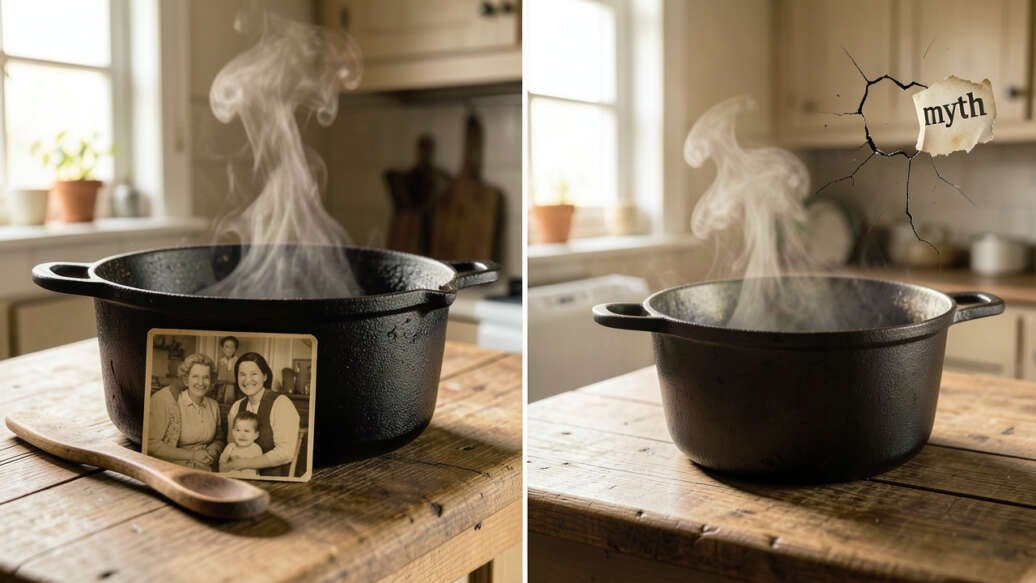
Myth 1: You cannot use soap on cast iron.
Modern dish soap is mild. It does not contain lye. You can use a small amount of soap to clean enameled cast iron without any damage. For bare cast iron, soap is safe as long as you dry the pot quickly and apply a light layer of oil afterward.
Myth 2: Expensive enamel always chips.
Enamel chips due to impact or thermal shock, not due to age. A premium Dutch oven from Le Creuset or Staub will not chip during normal use. Dropping it on marble or slamming the lid may cause chips. Gentle handling prevents this.
Myth 3: You need to season enameled cast iron.
Enameled cast iron does not need seasoning. The glass coating provides a natural non-stick surface. It does not rust. Bare cast iron requires seasoning to form a protective layer. Enameled models are maintenance-free in this regard.
How to Spot a Dutch Oven That Will Last
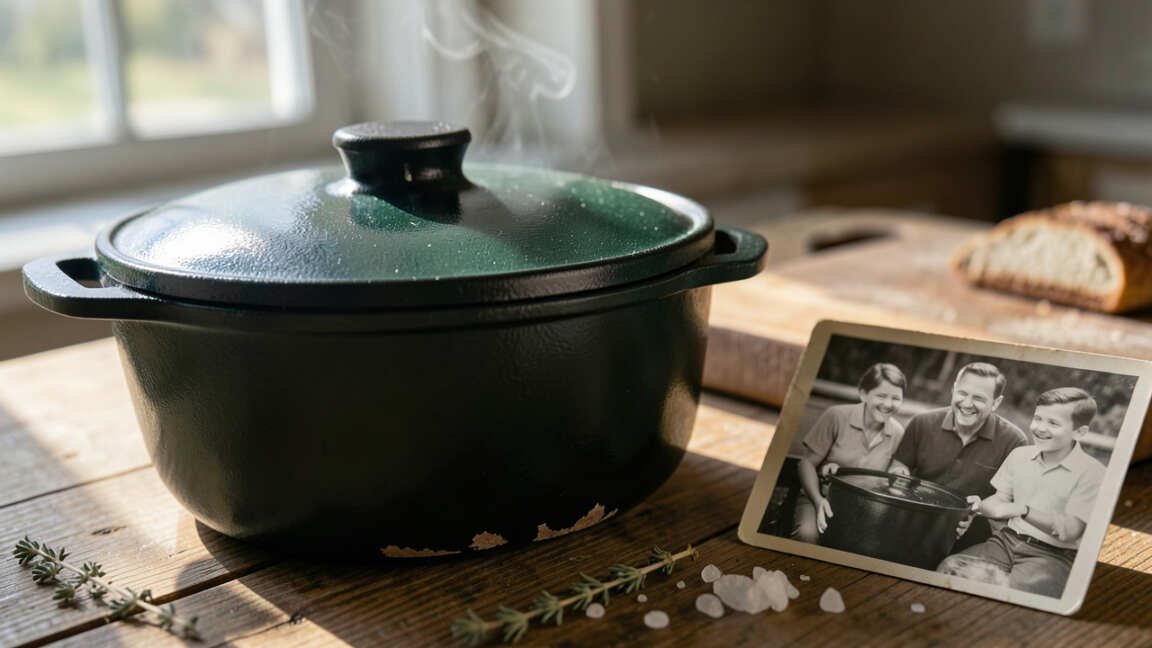
When you shop for a Dutch oven, look for specific signs of quality. These indicators tell you if the pot will survive for generations.
- Weight: A heavy pot holds heat better. Lift the pot before you buy it. If it feels light, it may have thin walls that will warp.
- Enamel Smoothness: Run your finger over the interior. It should feel like glass. Bumps or bubbles indicate poor application.
- Rim Finish: The bare iron rim should be smooth. A rough rim indicates poor casting quality.
- Lid Fit: The lid should sit flush with the pot. A tight seal locks in moisture and heat.
Important: Check the warranty before buying. Le Creuset offers a limited lifetime warranty. Staub offers a similar guarantee. A strong warranty is a good sign that the manufacturer trusts their product to last.
Frequently Asked Questions
How long does a typical Dutch oven actually last?
A high-quality Dutch oven can last 100 years or more. The cast iron base does not degrade. The enamel coating lasts for decades with proper care. Many families pass down Le Creuset pots to their grandchildren.
Is a $300 Dutch oven better than a $60 one?
The price difference reflects the number of enamel layers and the firing temperature. Premium brands use thicker enamel that resists chipping. Budget brands offer decent quality but may show wear after 10 to 15 years. A premium pot is a better investment if you want it to last for life.
Can I use metal utensils on my enameled Dutch oven?
You should avoid metal utensils. They can leave gray marks on the enamel and may cause scratches over time. Use wooden, bamboo, or silicone utensils to protect the surface. This keeps the pot looking new for years.
Does boiling water damage the enamel?
Boiling water is completely safe for enameled cast iron. In fact, it is the best way to clean stuck food. Fill the pot with water and bring it to a boil. Let it sit for 5 minutes. The food will release from the surface without issue.
What is the best brand to buy for inter-generational use?
Le Creuset and Staub are the top choices for heirloom quality. They offer the thickest enamel and the best construction. Lodge is an excellent choice for bare cast iron on a budget. All three brands have proven track records of durability over many decades.
Final Thoughts
Cast iron Dutch ovens survive for generations because of their simple, durable materials. The thick metal does not warp, and the enamel coating resists damage from normal use. By avoiding thermal shock and storing the pot carefully, you can pass it down to your children. This is the full picture of why Dutch ovens outlive three generations of owners reliably.

Leave a Reply