Frying Pans & Skillets

Induction-Compatible Skillets: How To Check Before You Buy
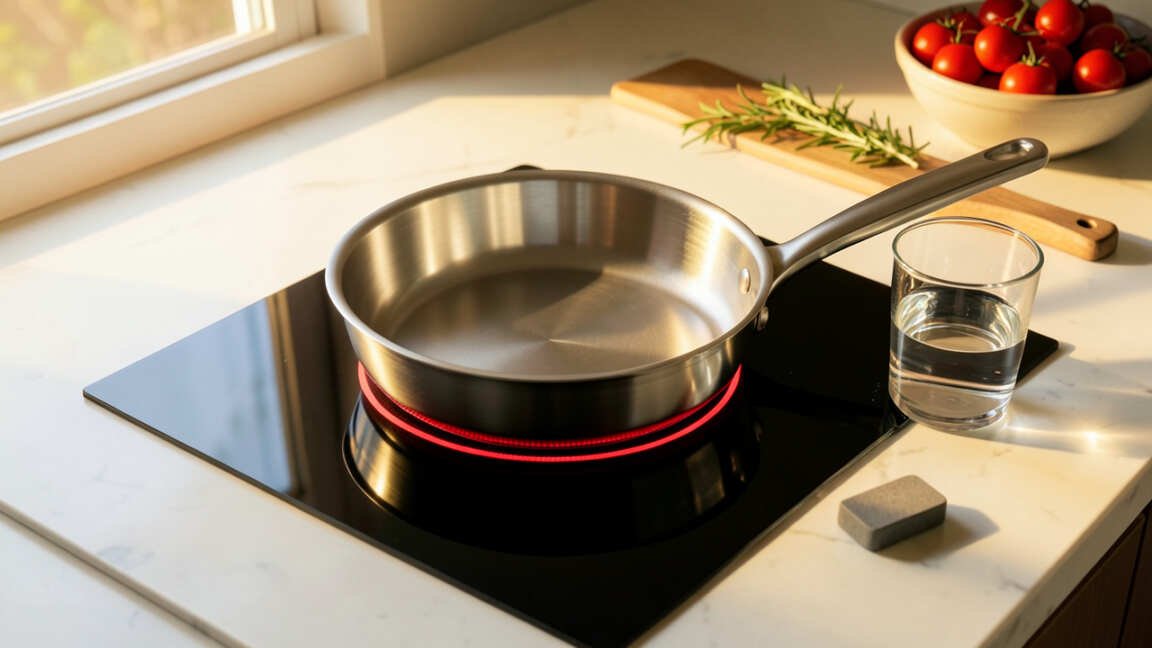
At a Glance To check if a skillet is induction-compatible, perform a simple magnet test—if the magnet sticks firmly, the pan will work on an induction cooktop. Cast iron and magnetic stainless steel are always safe choices, while aluminum, copper, glass, and ceramic require a special magnetic layer or will not heat at all. Confirming…

How Pan Wall Angle Affects Cooking: Sloped Vs Straight Sides
At a Glance The pan wall angle directly determines whether a pan is better for searing or for simmering: sloped sides promote rapid steam release and crisp browning, while straight sides trap heat and moisture for even sauces and deep frying. Sloped walls like those in a skillet allow for quicker evaporation and easier flipping,…

Frying Pan Materials Compared: Stainless, Cast Iron, Non-Stick
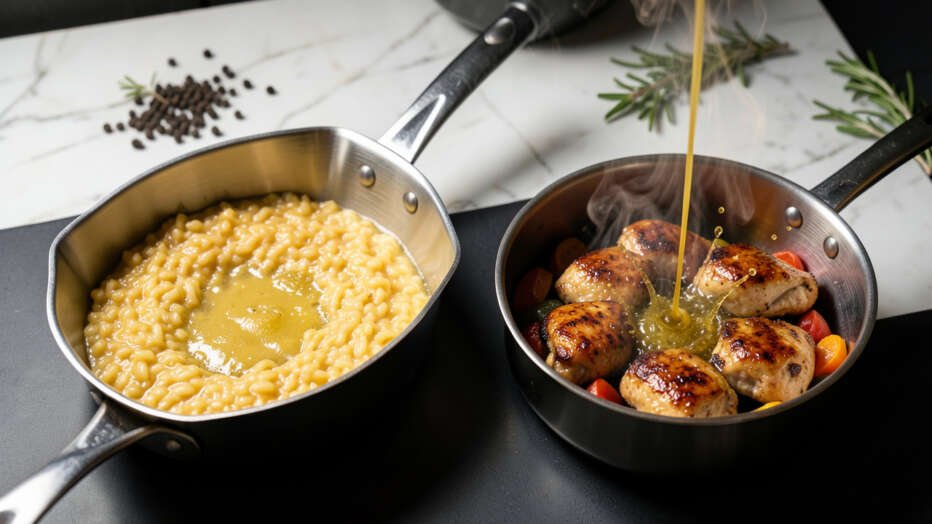
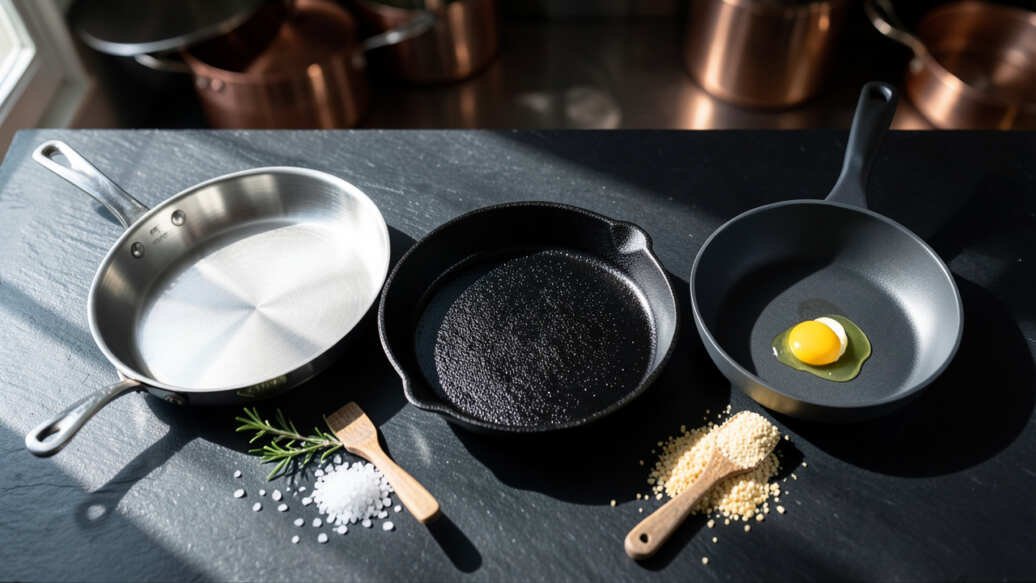
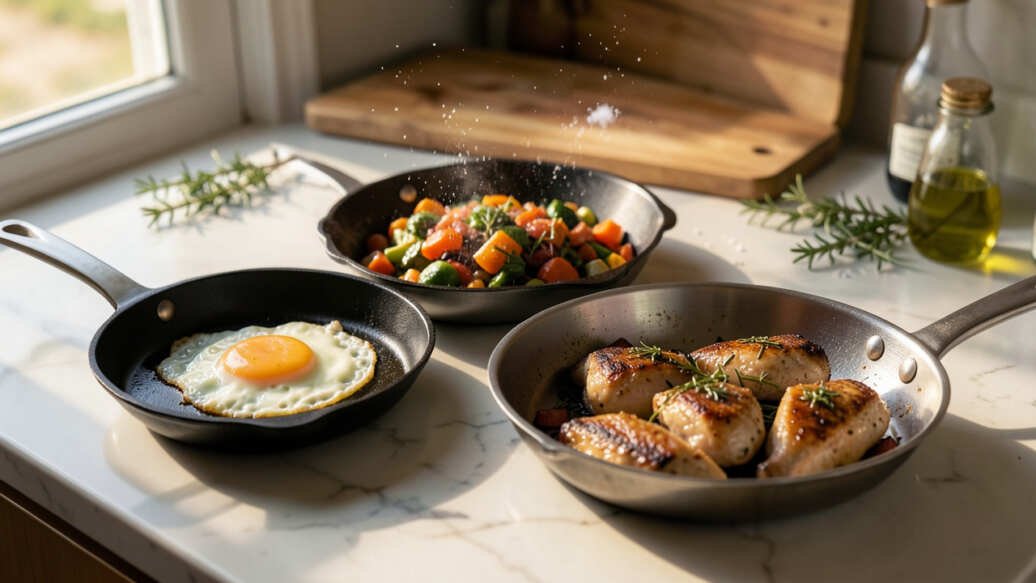
At a Glance Stainless steel, cast iron, and non-stick frying pans each excel in different cooking tasks, with stainless steel best for searing and sauces, cast iron for high heat and oven use, and non-stick for eggs and low-fat cooking. Selecting the right material depends on what you cook most and how much maintenance you…
How To Choose The Right Frying Pan Size For Your Stovetop
At a Glance The right frying pan size matches the burner diameter to ensure even heat distribution and efficient cooking. A pan that is too small wastes energy and risks burning food, while one too large creates cold spots and slows cooking. Measuring your stovetop burners and considering your primary cooking tasks will guide you…
Why A 10-Inch Skillet Outperforms A 12-Inch For Solo Cooking
At a Glance A 10-inch skillet outperforms a 12-inch skillet for solo cooking because standard home burners, typically 6 to 8 inches in diameter, heat a 10-inch pan more uniformly, preventing hot spots that degrade food quality. The smaller pan promotes precise portion control, reducing food waste and making cooking for one more efficient. Additionally,…

How To Match Frying Pan Size To Burner Size For Even Heat
At a Glance Matching frying pan size to burner size is essential for achieving even heat distribution and avoiding hot spots or wasted energy. For gas stoves, the pan base should be no more than one inch wider than the burner grate; for electric coil and smooth-top stoves, the pan base should match the burner…
Pan Coating Lifespan: What Affects Non-Stick Durability Most
At a Glance The most significant factor affecting non-stick coating durability is exposure to high heat, which degrades PTFE and other coatings faster than any other variable. To preserve the coating, cook at or below medium heat and avoid temperatures above those recommended for your specific pan type. Additionally, using soft utensils, hand washing with…
Why Heavy-Bottom Frying Pans Win For Eggs And Pancakes
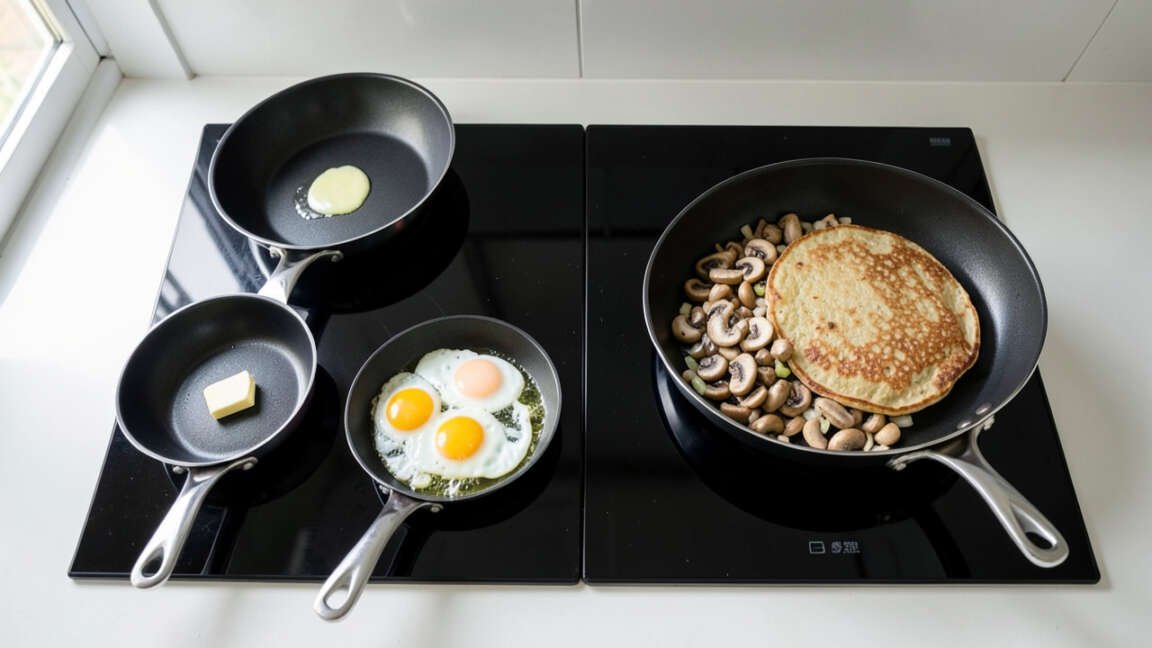
At a Glance Heavy-bottom frying pans win for eggs and pancakes because their thick construction distributes heat evenly, eliminating hot spots that cause sticking and burning. This consistent heat allows eggs to cook gently without overcooking the edges, while pancakes develop an even golden crust and fluffy interior. Choosing a pan with ample mass and…
How To Tell If A Frying Pan Has A Reactive Surface Risk
At a Glance A reactive frying pan can be identified through simple home tests like the magnet test, which reveals aluminum or copper, or by observing changes in food color and taste when cooking acidic ingredients. The practical takeaway is that reactive surfaces, often found in uncoated aluminum and copper cookware, can leach metals into…
Why Most Home Cooks Need Three Frying Pan Sizes, Not One
At a Glance Most home cooks need three frying pan sizes—8-inch, 10-inch, and 12-inch—because a single pan cannot handle the range of cooking tasks that demand proper heat control and surface area. The small 8-inch pan excels for delicate items like omelets and single servings, the 10-inch workhorse handles everyday sautés and sears, and the…
How To Test If Your Skillet Is Hot Enough Without A Thermometer
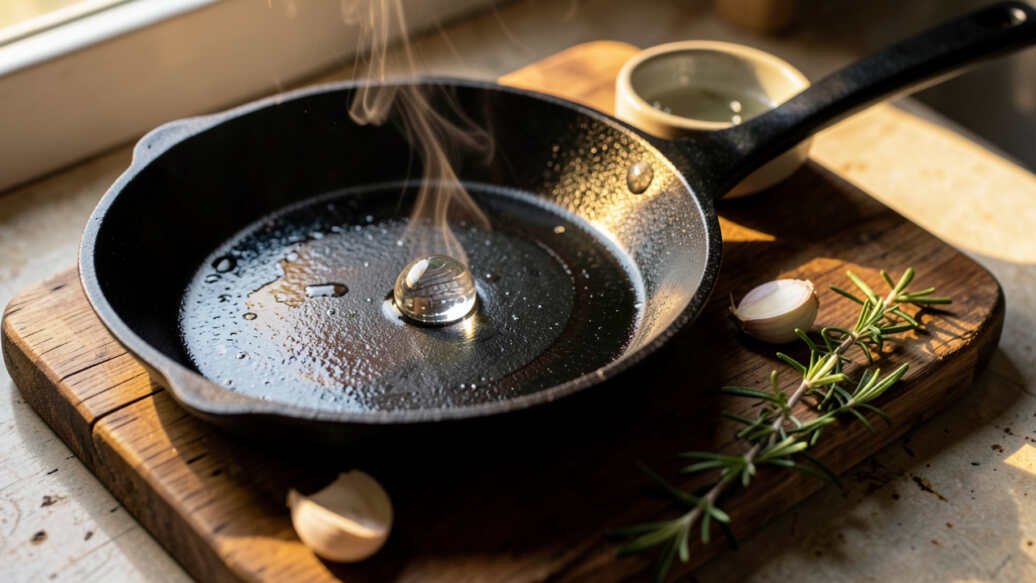
At a Glance Without a thermometer, you can accurately gauge skillet temperature using four simple methods: the water flick test, the hand test, oil shimmer and smoke, and direct food reaction. The water flick test is the fastest and most reliable—water droplets should sizzle and evaporate immediately for high heat or roll around for medium.…
Why Eggs Stick To “Non-Stick” Pans: The Real Causes Explained
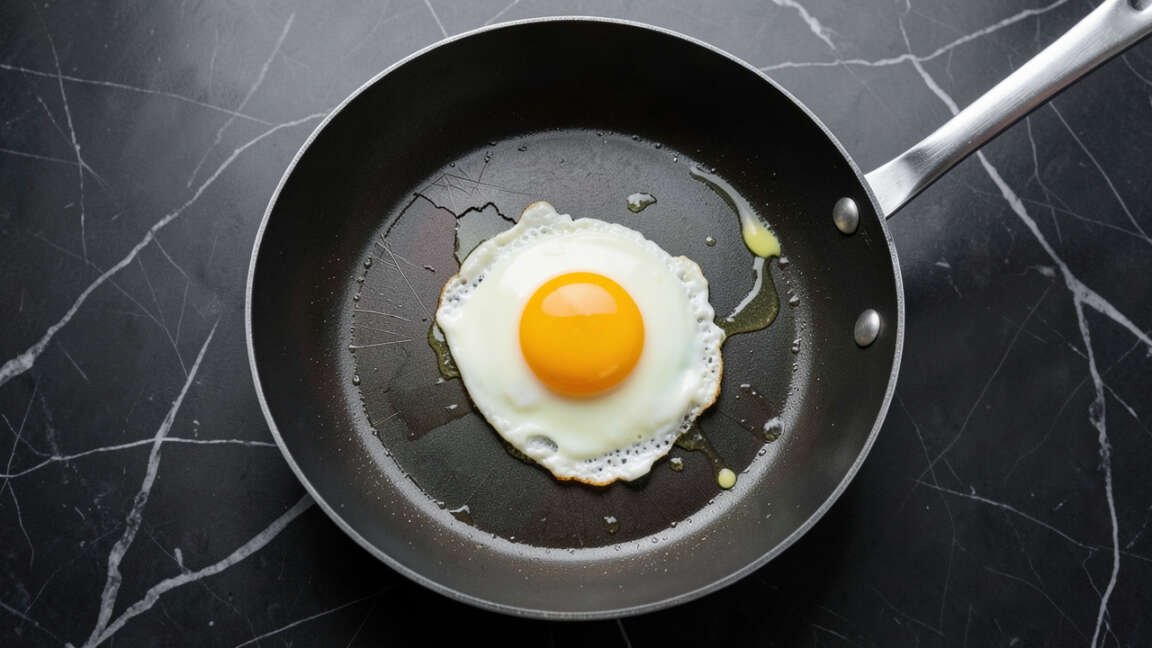
At a Glance Eggs stick to non-stick pans primarily because of improper heat control, insufficient or incorrect oil use, and the gradual degradation of the pan's coating over time. The most common mistakes include starting with a cold pan, overheating the surface which causes proteins to bond, and using oil past its smoke point or…