
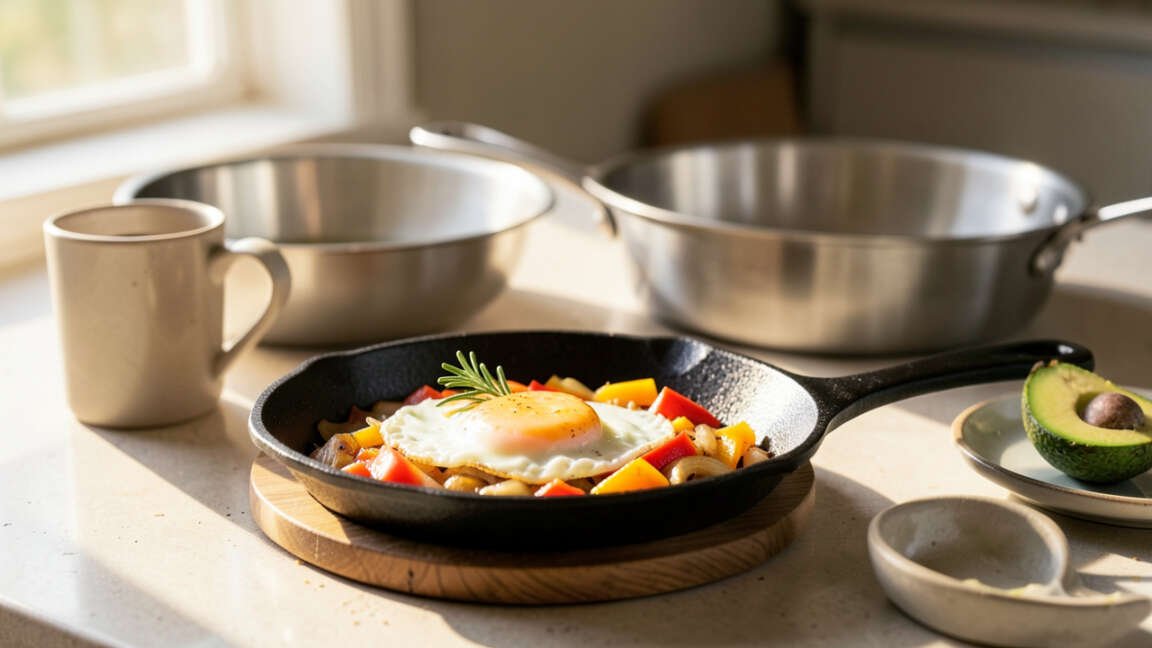
A 10-inch skillet outperforms a 12-inch skillet for solo cooking because standard home burners, typically 6 to 8 inches in diameter, heat a 10-inch pan more uniformly, preventing hot spots that degrade food quality. The smaller pan promotes precise portion control, reducing food waste and making cooking for one more efficient. Additionally, its lighter weight and faster heating improve handling and energy efficiency, streamlining cleanup and daily meal preparation.
Introduction
When cooking for one, the size of your skillet matters more than most home cooks realize. While a 12-inch skillet might seem like a versatile choice, a 10-inch skillet often delivers superior results for solo cooking. The smaller pan offers better heat distribution, easier handling, and more efficient cooking for single portions. Understanding why a 10-inch skillet outperforms a 12-inch for solo cooking can transform your daily cooking experience, reducing waste, improving food quality, and making cleanup faster. This guide explores the key reasons why downsizing your cookware can upgrade your cooking.
Why Heat Distribution Favors the Smaller Skillet
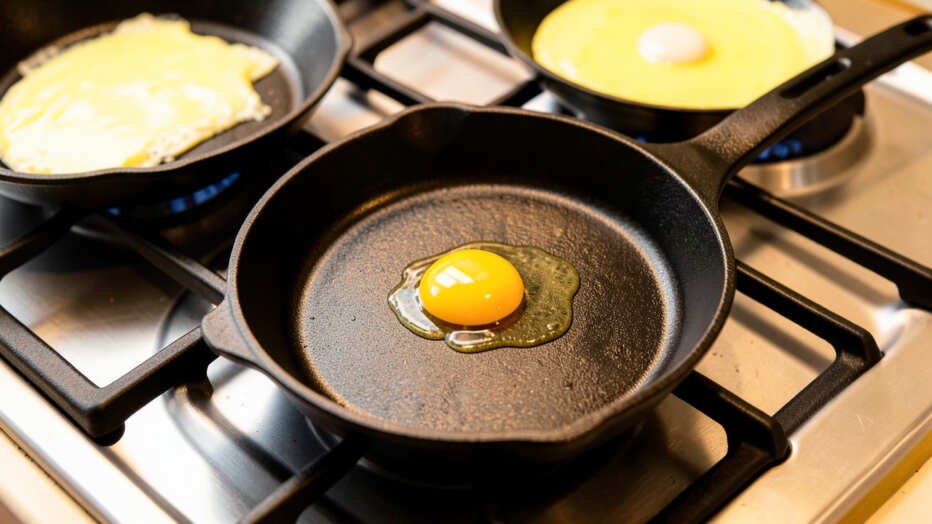
One of the most overlooked factors in pan performance is how evenly heat spreads across the cooking surface. A 10-inch skillet heats more uniformly than a 12-inch skillet on most home stovetops because the burner size matches the pan diameter more closely. Standard home burners typically measure between 6 and 8 inches in diameter. When you place a 12-inch pan on a 7-inch burner, the outer edges receive significantly less heat, creating hot spots in the center and cooler zones around the perimeter. This uneven heating leads to food cooking inconsistently.
With a 10-inch skillet, the burner covers a larger percentage of the pan’s surface area, resulting in more even heat distribution. This is especially important for solo cooking where you rarely need the extra space of a larger pan. Tasks like searing a single chicken breast, cooking two eggs, or sautéing vegetables for one person benefit from the concentrated, consistent heat that a 10-inch skillet provides. The smaller pan also preheats faster, saving time and energy. If you frequently cook proteins that require a good sear, the 10-inch skillet delivers better crust formation because the heat stays concentrated rather than spreading thin across a larger surface.
Portion Control and Reducing Food Waste
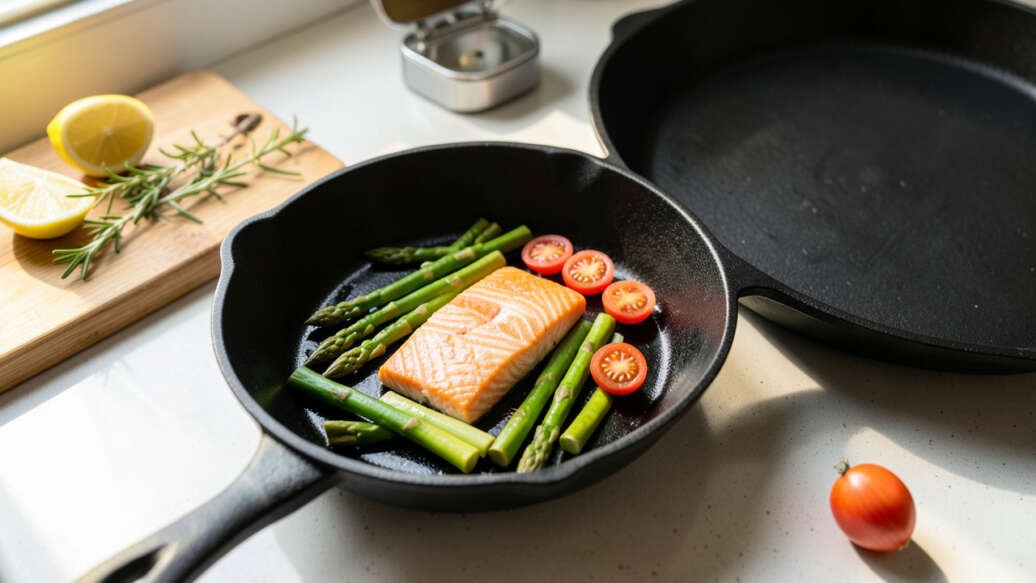
Cooking for one presents unique challenges, and portion control is one of the biggest. A 12-inch skillet encourages you to cook more than you need because the large surface area feels empty with just a single portion. This psychological effect leads to overeating or leftovers that often go uneaten. A 10-inch skillet naturally limits portion size, helping you cook exactly what you need. For solo cooking, this means less food waste and more intentional meal preparation.
- Single protein portions: A 10-inch skillet accommodates one chicken breast, one fish fillet, or one steak perfectly without excess space that tempts you to add more.
- Vegetable sides: For one serving of sautéed greens, roasted peppers, or stir-fried vegetables, the 10-inch skillet provides enough room without spreading the vegetables too thin, which can cause steaming instead of browning.
- Egg dishes: Whether you are making a two-egg omelet or sunny-side-up eggs, the 10-inch skillet offers the ideal surface area for proper browning without the eggs spreading too thin and cooking too quickly.
- Pasta sauces: Simmering a single portion of marinara or Alfredo sauce in a 10-inch skillet reduces evaporation and concentrates flavors better than a larger pan.
Beyond portion control, the smaller skillet reduces oil and butter usage. Because the cooking surface is smaller, you need less fat to coat the pan, which makes your meals lighter and healthier. This is particularly beneficial for solo cooks who are health-conscious or trying to manage calorie intake.
Ease of Handling and Storage for Solo Cooks
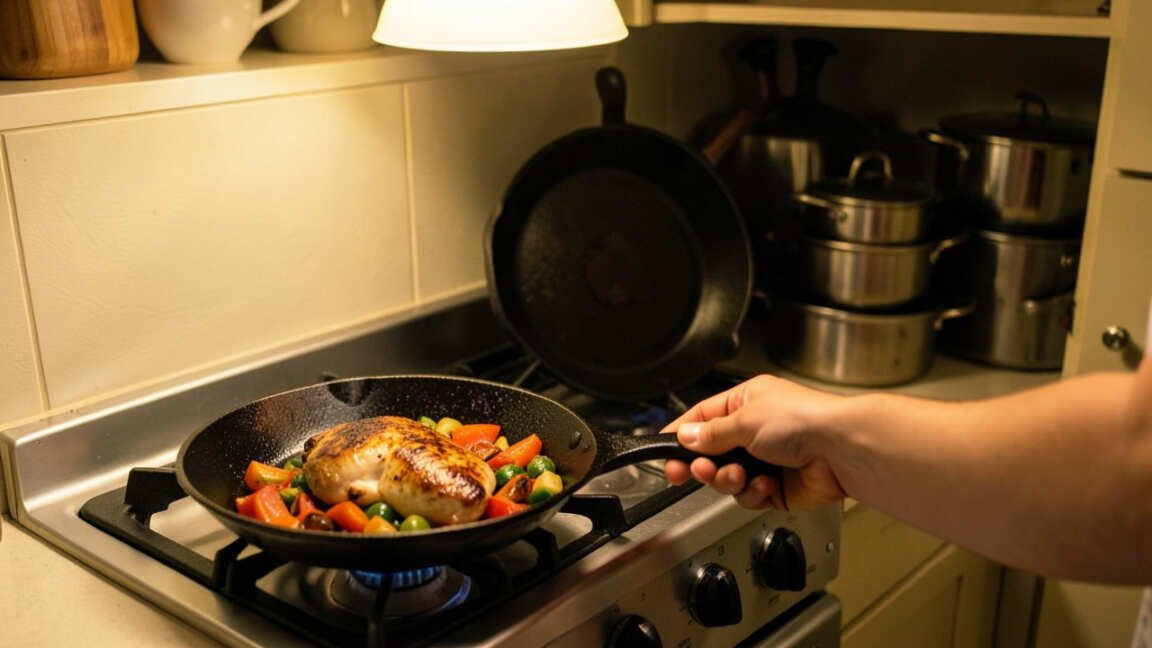
A 10-inch skillet is significantly lighter and easier to handle than a 12-inch model, especially when full of food. The weight difference matters when you are maneuvering the pan on the stovetop, flipping ingredients, or transferring food to a plate. A typical cast iron 10-inch skillet weighs around 5 to 6 pounds, while a 12-inch version can weigh 8 to 10 pounds or more. For solo cooks who may not have the upper body strength or dexterity of a professional chef, this weight difference is substantial.
Storage is another practical advantage. A 10-inch skillet fits more easily into standard cabinets, drawers, and even dishwashers. If you have a small kitchen with limited space, the 10-inch skillet is much more manageable. It also nests well with other cookware, saving valuable cabinet real estate. For solo cooks living in apartments, dorm rooms, or tiny homes, every inch of storage space counts. The 10-inch skillet also works better with smaller stovetops, including portable induction burners and camping stoves, making it a versatile choice for various living situations.
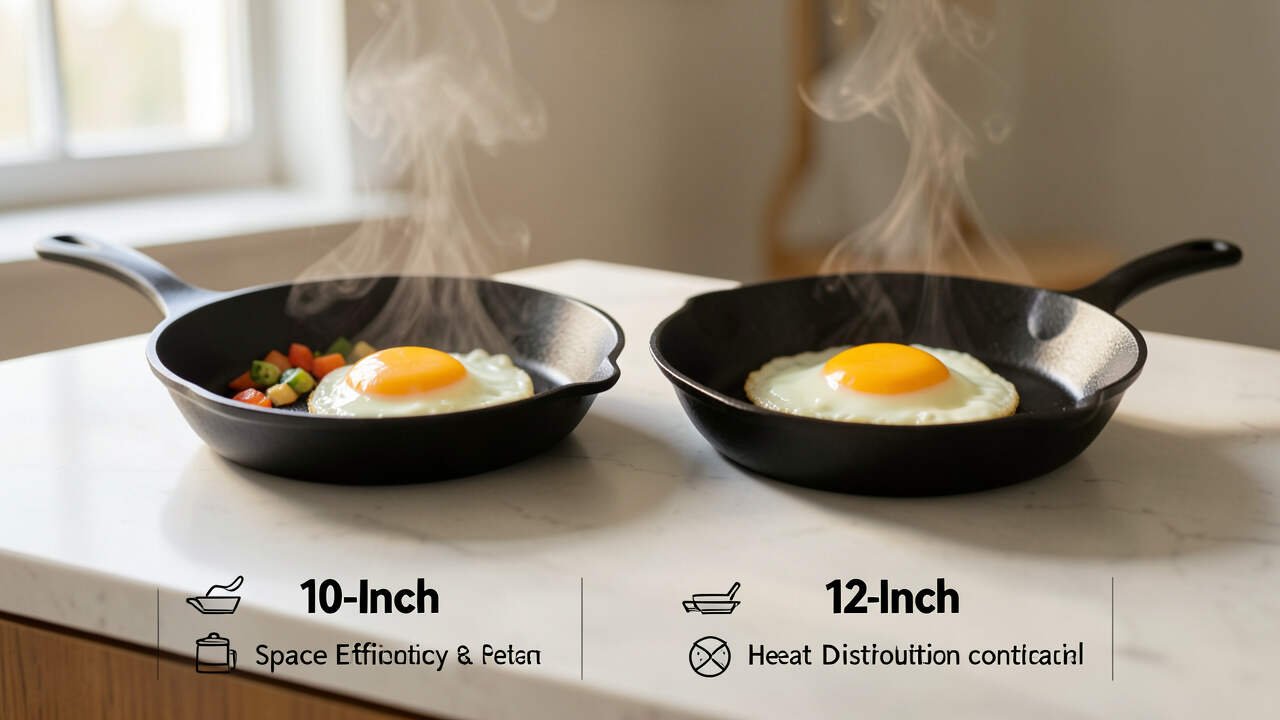
Comparison Table: 10-Inch vs 12-Inch Skillet for Solo Cooking
This table clearly shows that for solo cooking, the 10-inch skillet wins on heat distribution, weight, oil usage, and storage. The 12-inch skillet only becomes advantageous when cooking for multiple people or preparing larger batches of food.
Energy Efficiency and Faster Cooking Times
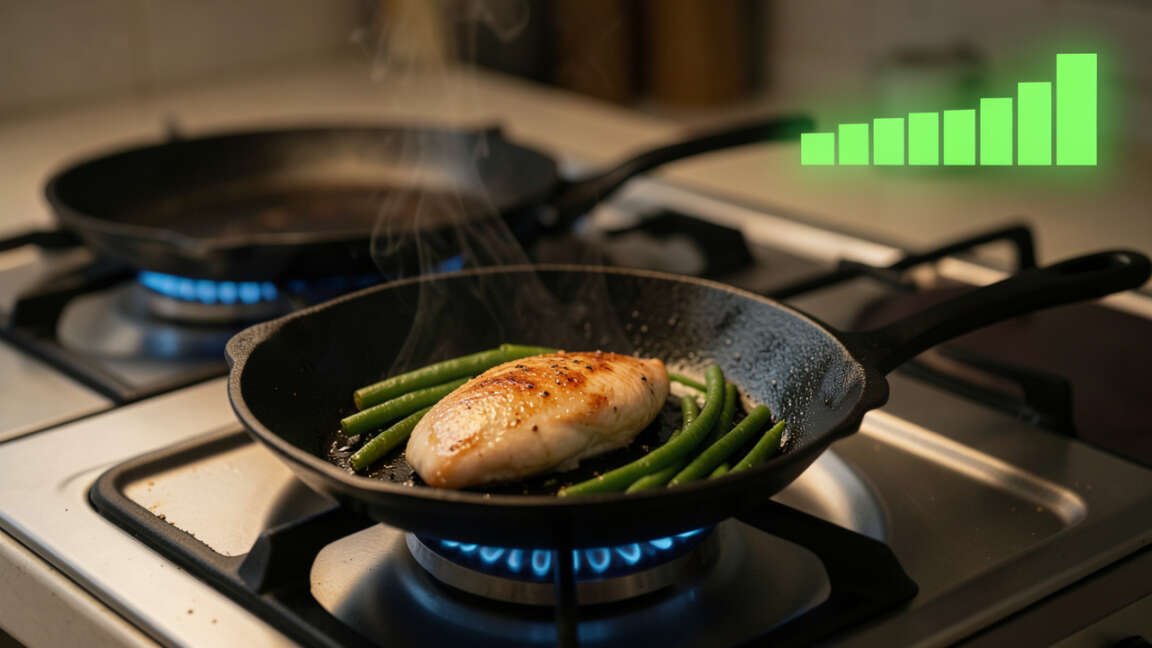
Cooking for one should not require heating a large pan that wastes energy. A 10-inch skillet uses less energy to preheat and maintain temperature compared to a 12-inch skillet because there is less metal to heat and less surface area losing heat to the surrounding air. This efficiency translates to lower electricity or gas bills over time, especially if you cook multiple meals per day. For solo cooks who prepare most of their meals at home, the savings add up.
Beyond energy savings, the smaller skillet cooks food faster. Because the heat is more concentrated and the pan surface area is smaller, the temperature remains more stable when you add cold ingredients. This means less recovery time when adding food to the pan, resulting in better browning and shorter overall cooking times. For quick meals like stir-fries, sautés, and seared proteins, the 10-inch skillet can shave minutes off your cooking time. For solo cooks who value efficiency, this is a significant advantage. A standard 10-inch skillet preheats faster than larger pans, saving energy for solo cooks.
Versatility in Cooking Techniques
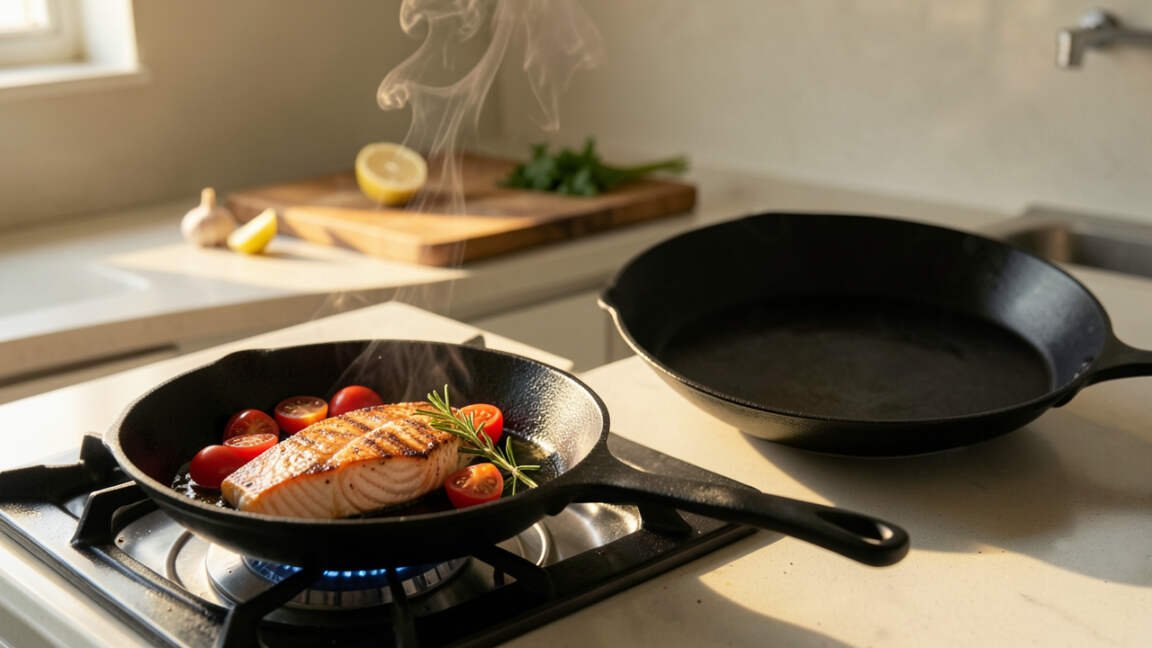
While a 12-inch skillet offers more surface area, a 10-inch skillet actually provides better control for many cooking techniques that solo cooks use regularly. For deglazing, the smaller pan allows the liquid to cover the bottom more evenly, creating a better pan sauce with less effort. For shallow frying, you need less oil to achieve the proper depth in a 10-inch skillet. For braising, the smaller pan fits better in most ovens and toaster ovens, making it more versatile for one-pot meals.
The 10-inch skillet also excels at tasks that require precise temperature control, such as making crepes, pancakes, or delicate fish fillets. The reduced surface area means you have fewer variables to manage, making it easier to achieve consistent results. For solo cooks who are still developing their skills, the 10-inch skillet is more forgiving and less intimidating. It encourages experimentation without the pressure of managing a large, unwieldy pan.
Frequently Asked Questions
Can I cook a whole chicken breast in a 10-inch skillet?
A: Yes, a standard boneless, skinless chicken breast fits perfectly in a 10-inch skillet. For larger bone-in breasts, you may need to trim slightly or pound them thinner, but most solo servings work well.
Is a 10-inch skillet too small for making pasta sauce?
A: No, a 10-inch skillet is ideal for making single or double servings of pasta sauce. The smaller surface area reduces evaporation, concentrating flavors more effectively than a larger pan.
Can I use a 10-inch skillet for baking cornbread or small cakes?
A: Absolutely. A 10-inch cast iron skillet is perfect for personal-sized cornbread, skillet cookies, and even small cakes. The shorter walls make it easier to remove baked goods.
Should I choose stainless steel or cast iron for my 10-inch skillet?
A: Both work well. Cast iron retains heat better for searing and browning, while stainless steel is lighter and easier to maneuver. Choose based on your cooking style and hand strength.
How do I know if my burner is too small for a 10-inch skillet?
A: If the skillet extends more than 2 inches beyond the burner edge, you may experience uneven heating. Most standard burners work well with 10-inch skillets.
Can I cook a stir-fry for one in a 10-inch skillet?
A: Yes, as long as you do not overcrowd the pan. Cook ingredients in small batches and remove them before adding new ones to maintain high heat and good browning.
Is a 10-inch skillet deep enough for braising?
A: Most 10-inch skillets have walls that are 2 to 3 inches high, which is sufficient for braising single portions of meat or vegetables. For larger braises, a Dutch oven is better.
Final Thoughts
For solo cooking, the 10-inch skillet outperforms the 12-inch model in heat distribution, portion control, handling, energy efficiency, and versatility. While the larger pan has its place for family meals, the smaller skillet is the smarter choice for anyone cooking for one. Invest in a high-quality 10-inch skillet and enjoy better meals with less waste and effort.

Leave a Reply