Dutch Ovens & Braisers

Best 5.5-Quart Dutch Ovens This Year
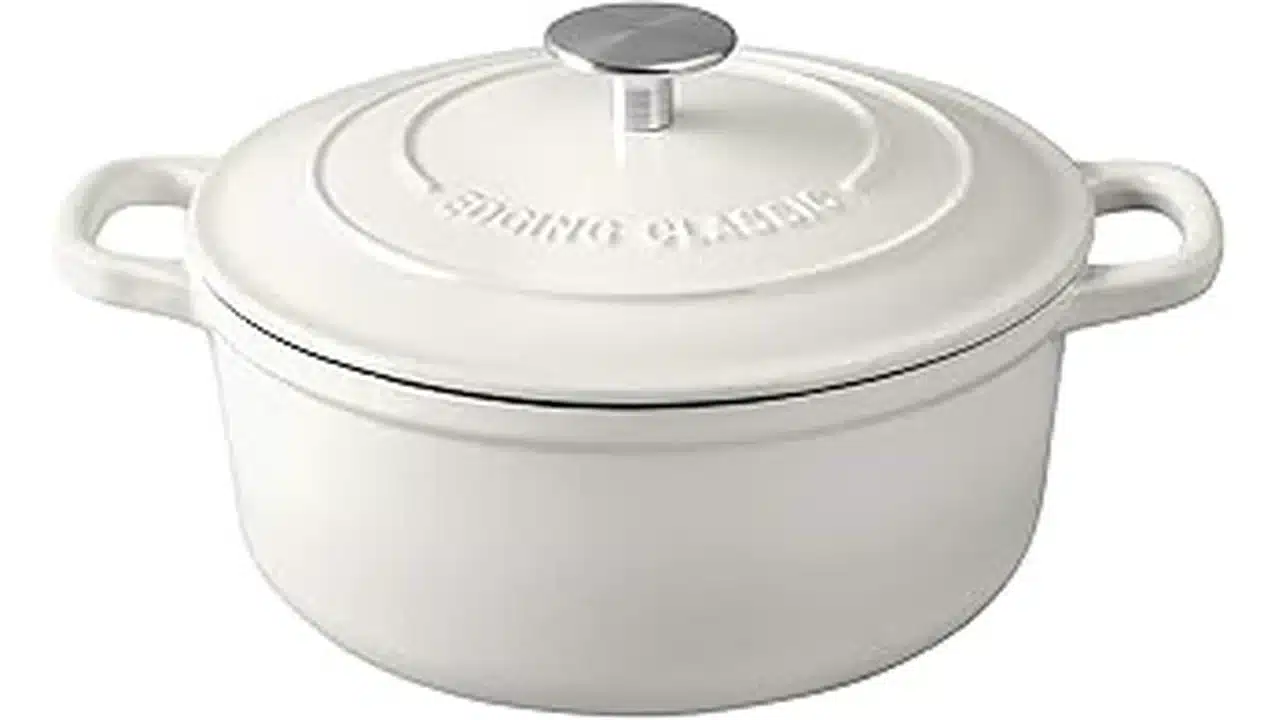
At a Glance The top rated 5.5-quart Dutch ovens this year include the Enameled Cast Iron Round Dutch Oven as the top pick, the Overmont Enameled Cast Iron Dutch Oven as the editor’s choice, and the EDGING Enameled Cast Iron Bread Baking Dutch Oven as the best budget option. These models deliver even heat distribution,…

Why Dutch Ovens Excel at Braising: The Thermal Lag Effect Yes
At a Glance Dutch ovens excel at braising because their thick cast iron walls produce the thermal lag effect, a slow rate of heating and cooling that maintains steady low heat. This stable temperature environment breaks down tough collagen in meat without scorching or creating hot spots. The thermal lag effect removes the need for…

Enameled vs Bare Cast Iron Dutch Oven: The Real Tradeoffs Now
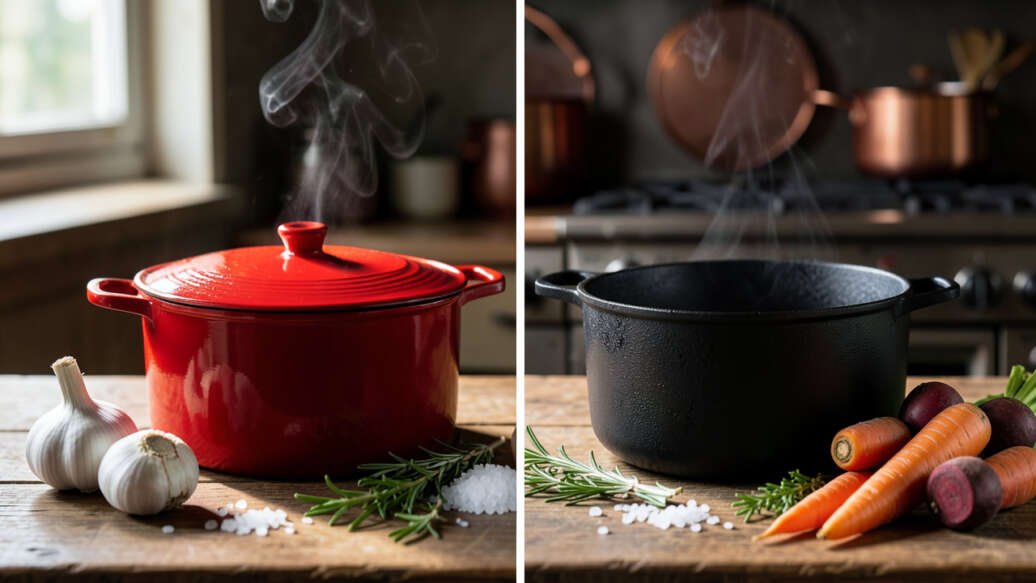
At a Glance The real tradeoff between enameled and bare cast iron Dutch ovens is that enameled models resist acidic foods and need no maintenance, while bare cast iron tolerates higher heat but requires regular seasoning and reacts with acids. Enameled costs three to four times more, starting around 70 dollars, while bare cast iron…

How to Bake Bread in a Dutch Oven: Crust Science Step-by-Step
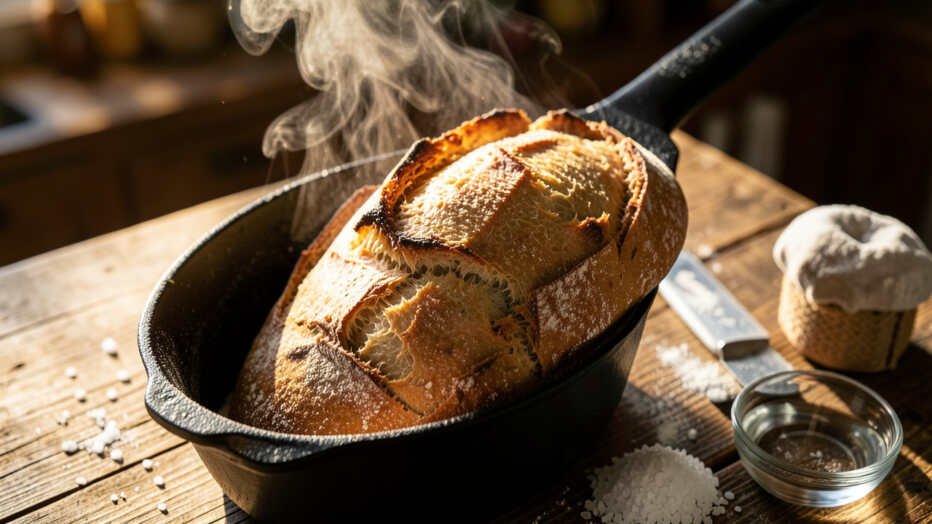
At a Glance Dutch oven bread achieves its thick, crackling crust because the sealed pot traps steam released from the dough during the first 20 minutes of baking, preventing the crust from setting prematurely and allowing maximum oven spring. This trapped steam keeps the dough surface flexible while the interior expands, then removing the lid…
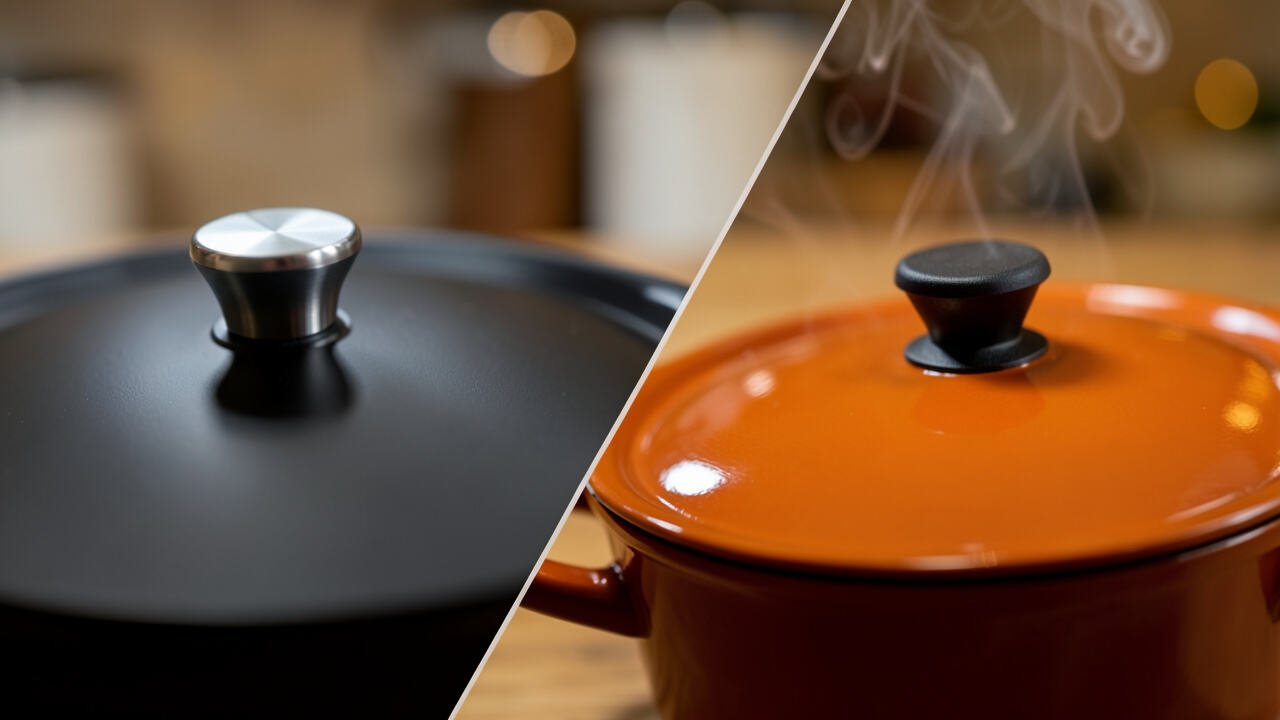
Dutch Oven Lid Knob Materials: Phenolic vs Metal Comparison
At a Glance A Dutch oven's lid knob material—phenolic or metal—determines its maximum oven-safe temperature and heat-handling behavior. Phenolic knobs generally remain oven-safe to 400°F but may crack or melt above that, whereas metal knobs—typically stainless steel or brass—handle up to 500°F or more but conduct heat, making them hot to touch. For practical use,…
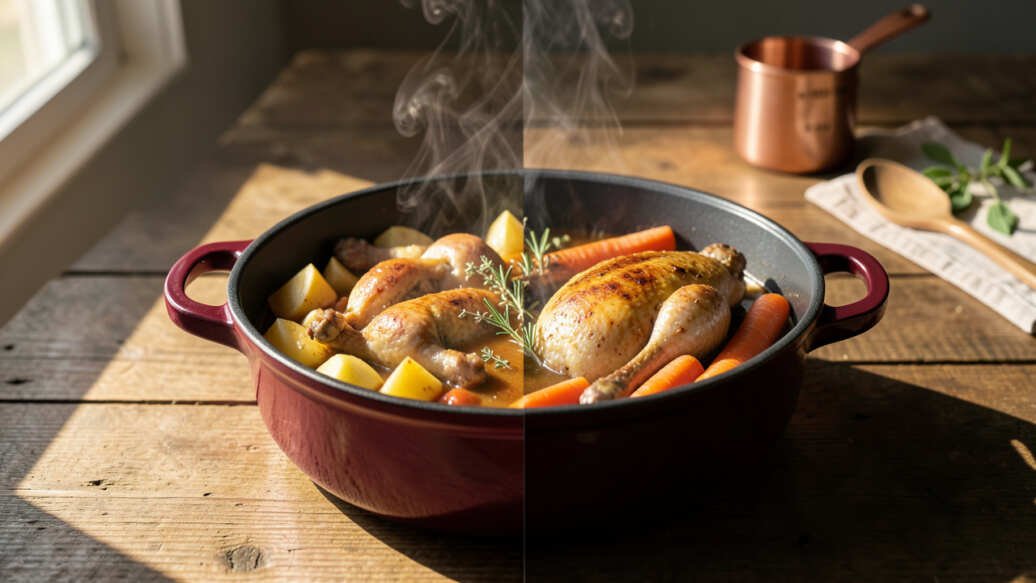
Round vs Oval Dutch Ovens: When the Shape Actually Matters
At a Glance The shape of a Dutch oven matters most for bread baking and stovetop efficiency, with round models offering superior heat distribution for sourdough and oval models accommodating whole chickens or long roasts. Round Dutch ovens fit standard burners, heat evenly, and store more easily, while oval Dutch ovens provide a longer cooking…
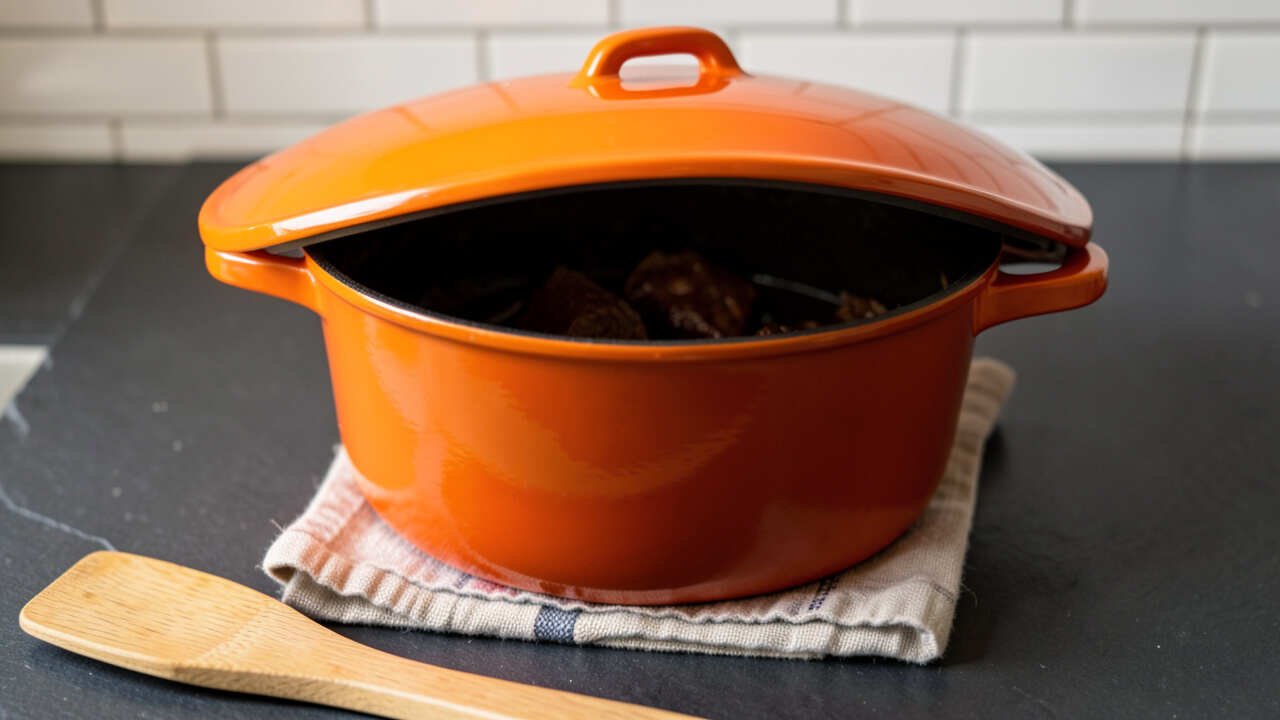
How to Avoid Enamel Chipping on a Le Creuset Style Dutch Oven
At a Glance To avoid enamel chipping on a Le Creuset style Dutch oven, never heat an empty pot above medium, avoid sudden temperature changes, and use only wooden or silicone utensils. Hand washing with mild soap and a non-abrasive sponge preserves the enamel longer than the dishwasher. Storing with padding between pots prevents impact…

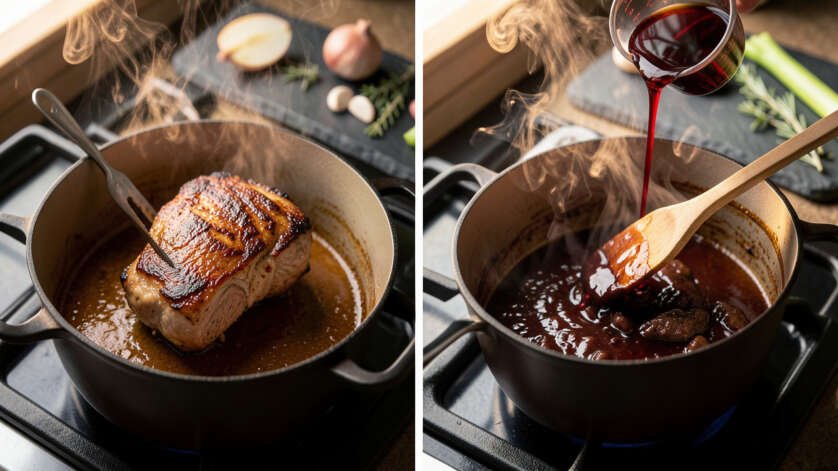
How to Sear Then Braise in One Pot Without Burning Fond Now
At a Glance To sear then braise in one pot without burning fond, immediately deglaze the pan after searing and maintain a gentle simmer between 180°F and 200°F. Using a heavy-bottomed pot like enameled cast iron and enough liquid to cover at least one-third of the food prevents the fond from carbonizing. Keeping the liquid…
Why Dutch Ovens Outlive Three Generations of Owners Reliably
At a Glance A cast iron Dutch oven outlives three generations of owners because the material is chemically stable, resists warping, and does not degrade like aluminum or non-stick coatings. Its thick walls provide superior thermal mass and stability, and premium enamel coatings are fired at extreme temperatures for decades of durability. With simple cleaning…
Dutch Oven Weight: Why It’s a Feature Not a Flaw Long-Term
At a Glance Dutch oven weight, typically 12 to 15 pounds for a 5.5-quart enameled cast iron model, is a direct result of thick walls that deliver superior heat retention and distribution for consistent cooking results. That mass prevents hot spots, ensures even searing and braising, and maintains steady temperatures even when cold ingredients are…
How to Pick a Dutch Oven for a Family of 4 in Under 5 Minutes
At a Glance For a family of four, the ideal dutch oven is a 5- to 6-quart enameled cast iron model that fits a whole chicken or batch of chili. Choose enameled cast iron for minimal maintenance and compatibility with acidic foods, and ensure the pot has oven-safe handles and a tight-fitting lid for braising…
How to Clean a Burnt-On Dutch Oven Without Damaging Enamel
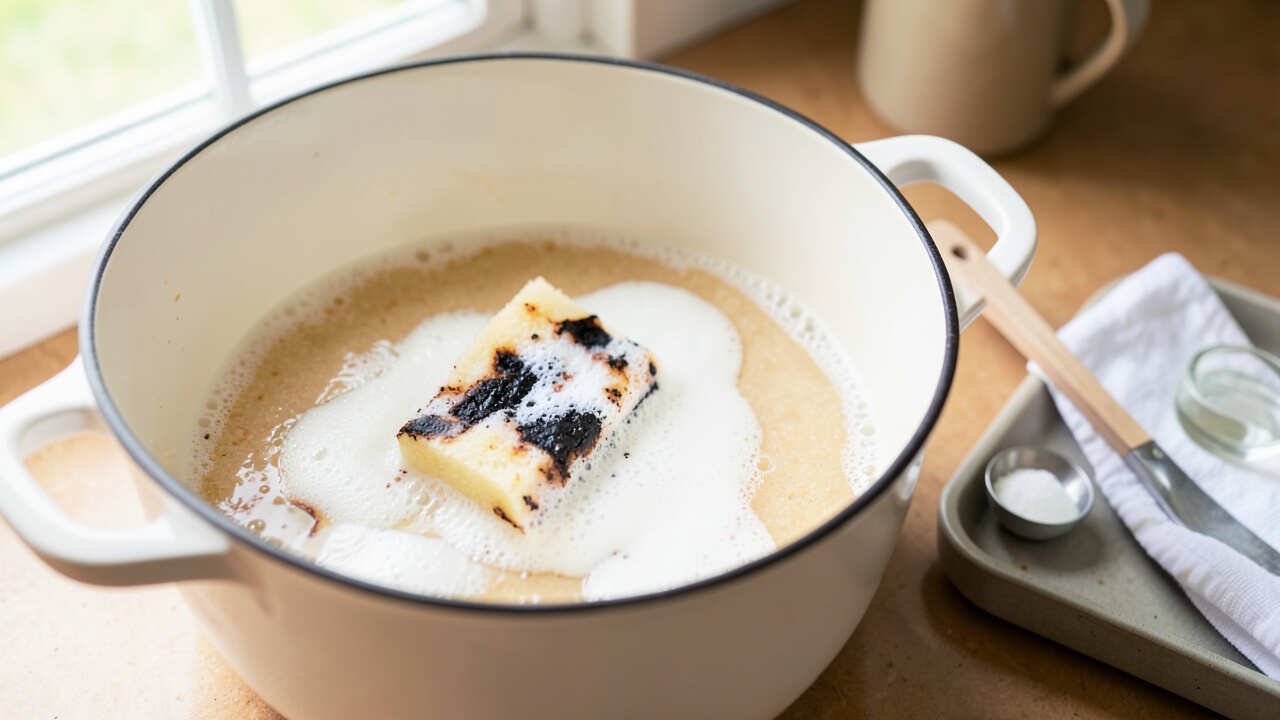
At a Glance To clean a burnt-on Dutch oven without damaging the enamel, boil water with baking soda for 10 minutes and then scrape gently with a non-metallic tool. Always let the pot cool completely before washing to prevent thermal shock, which can crack or chip the enamel. For stubborn stains, a gentle cleaner like…