Dutch Ovens & Braisers

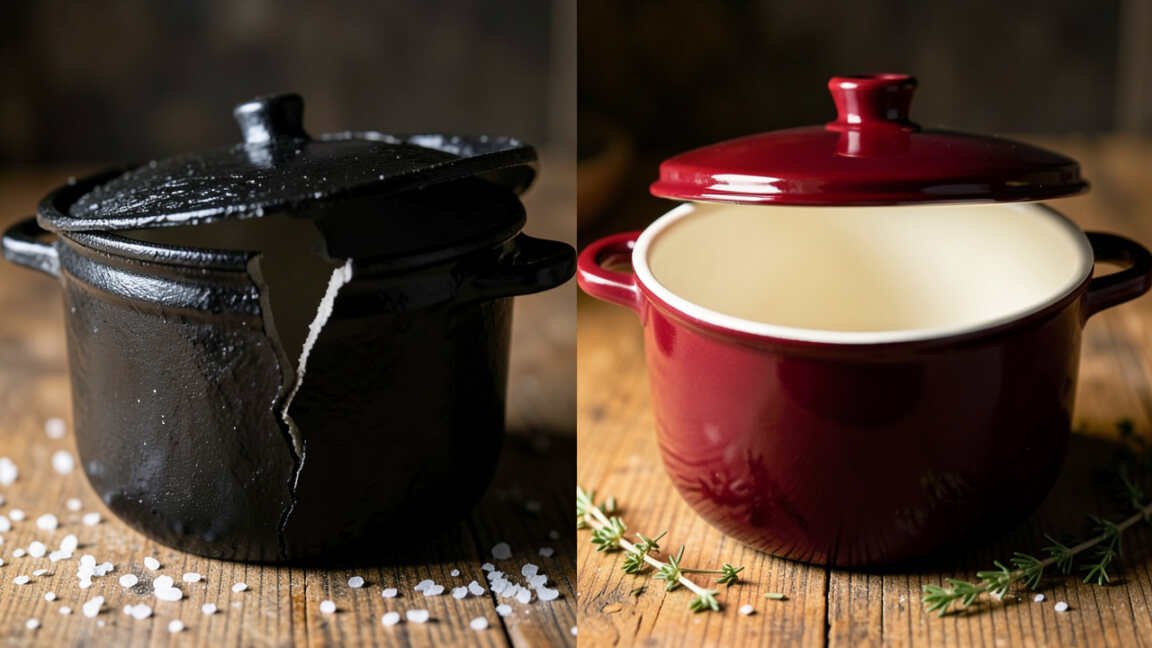
Why Cheap Dutch Ovens Chip Faster Than Premium Brands Daily
At a Glance Cheap Dutch ovens chip faster than premium brands because they use thinner enamel layers, lower firing temperatures under 1,400°F, and rougher cast iron substrates that weaken enamel adhesion. Premium brands fire enamel at over 1,500°F, creating a harder surface that resists daily chipping, while budget models show enamel damage three times more…
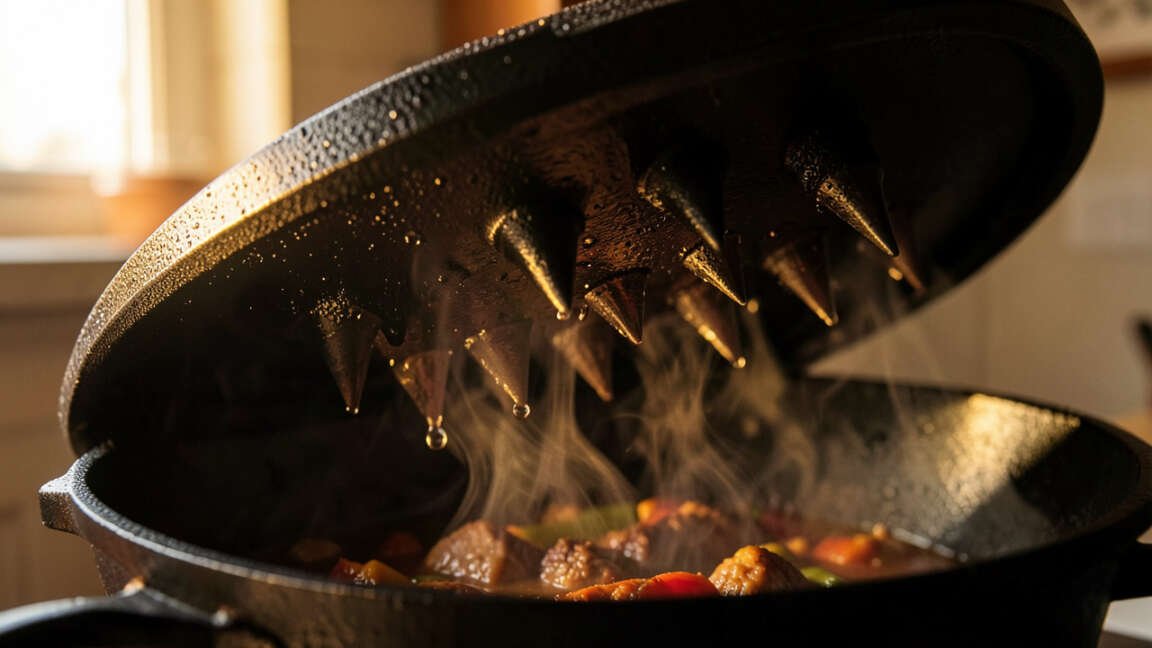
Dutch Oven Lid Self-Basting Spikes: Are They a Real Benefit
At a Glance Yes, self-basting spikes on a Dutch oven lid are a real benefit for specific cooking methods like long braises and no-knead bread, where they capture rising steam and drip moisture back onto the food without requiring the lid to be opened. This design helps retain natural juices in roasts and creates a…

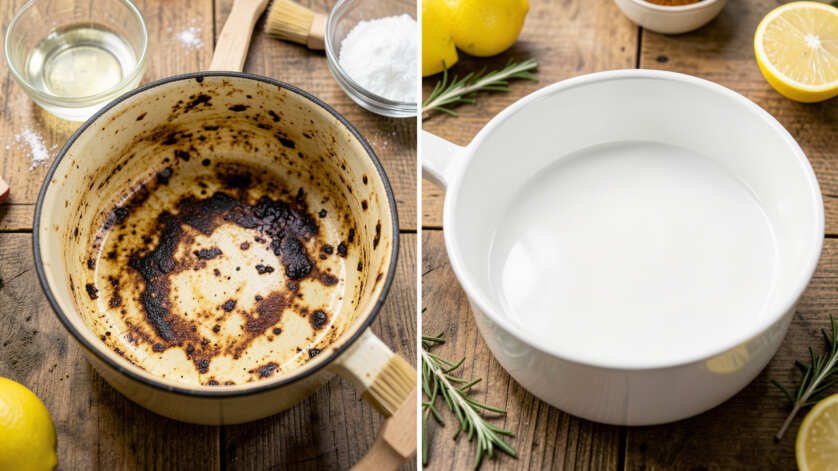
How to Restore an Old Enameled Dutch Oven That’s Discolored
At a Glance Discoloration on an enameled Dutch oven is typically caused by mineral deposits or polymerized oils, not damage, and can be safely removed with common kitchen items like baking soda, hydrogen peroxide, or Bar Keepers Friend. These methods cost under $10 and take less than an hour, lifting stains without scratching the glass…
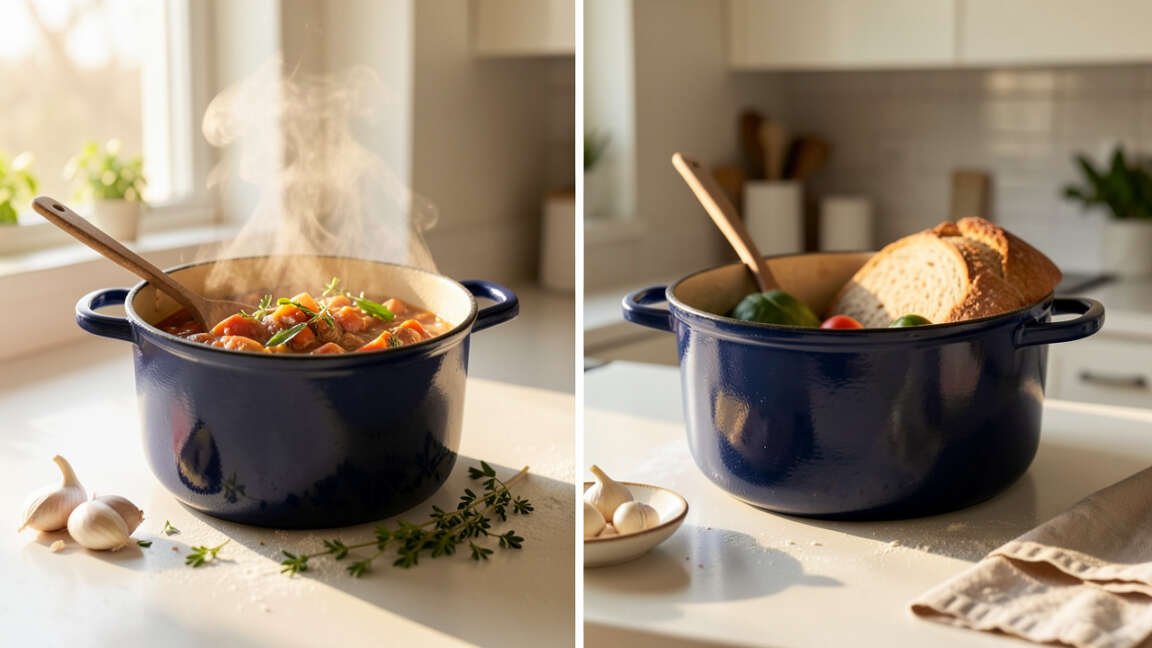
Dutch Oven Sizing: Why 5.5 Qt Outsells 7.25 Qt for Most Homes
At a Glance The 5.5-quart Dutch oven outsells the 7.25-quart model because it serves 4 to 6 people, fits standard recipes, weighs under 13 pounds, and stores easily in most cabinets. The 7.25-quart version works for large families or batch cooking but exceeds 15 pounds and demands 25% more storage space. Year after year, the…