Kitchen Fixtures

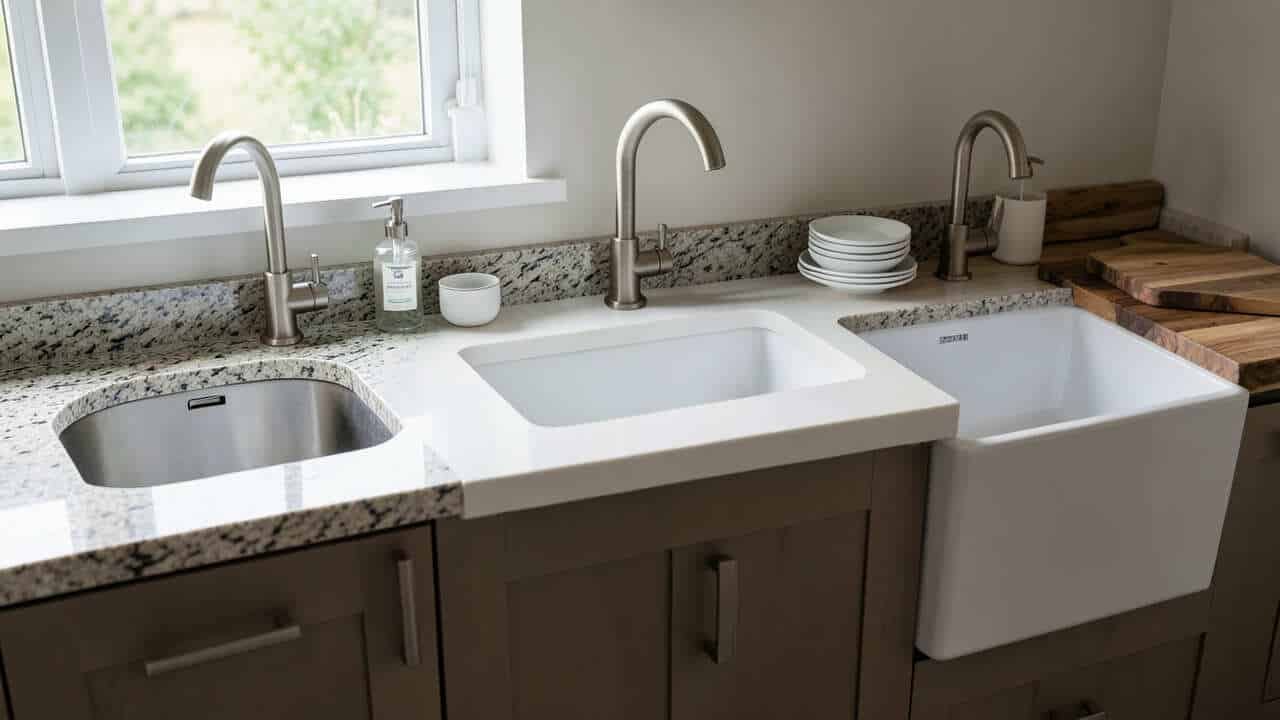
Single vs Double vs Workstation: Your Kitchen Sink Size Guide
At a Glance Choosing between a single, double, or workstation kitchen sink depends on your cooking and cleaning habits: single basins provide uninterrupted space for large pots, double basins allow simultaneous washing and rinsing for multitasking, and workstation sinks integrate cutting boards and drying racks to maximize countertop efficiency. Standard widths range from 30 to…
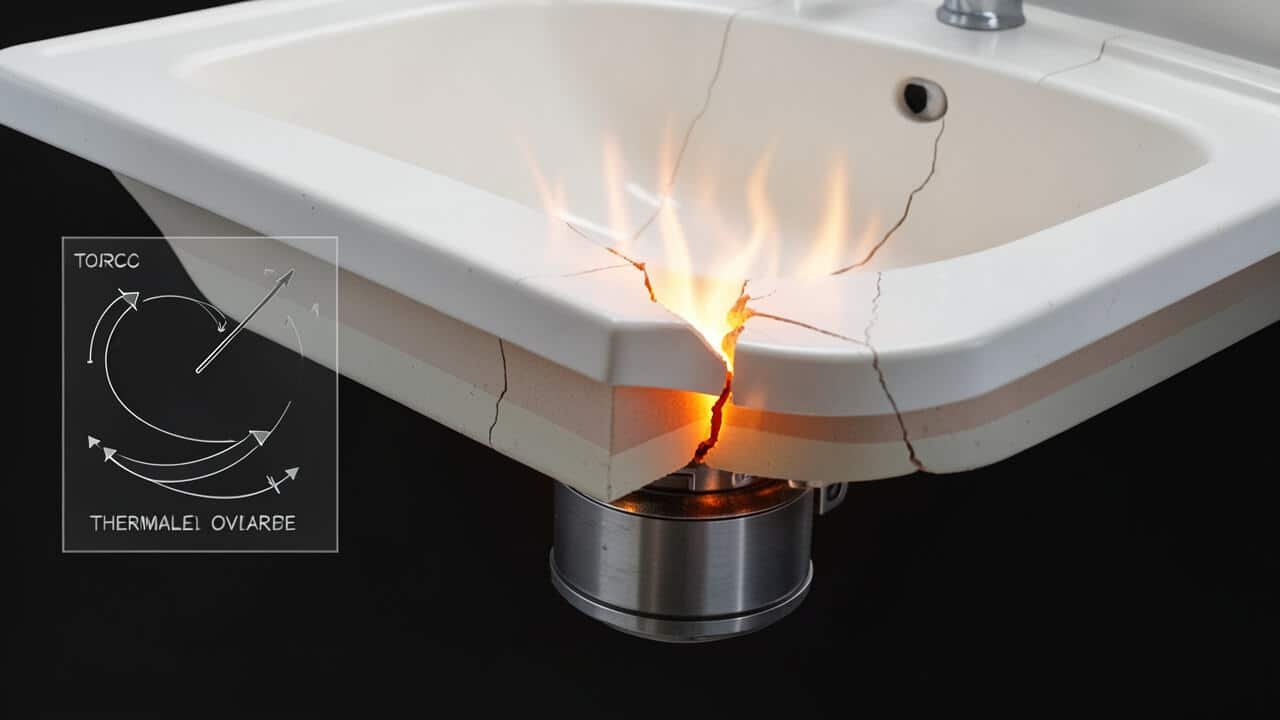
Why Fireclay Sinks Crack Under Heavy Disposal Torque & Heat
At a Glance Fireclay sinks crack under heavy garbage disposal torque and heat because the material’s brittle ceramic structure has low tensile strength, making it vulnerable to torsional vibration and rapid thermal shock. The stress from a high-torque disposal concentrates around drain openings, exceeding the sink’s structural limits and leading to fractures. Proper installation with…

How Kitchen Sink Basin Depth Affects Lower Back Strain Today
At a Glance Kitchen sink basin depth directly influences lower back strain by dictating how much forward lean and lumbar compression occur during daily dishwashing and food prep. A basin depth of 7 to 9 inches, paired with a counter height of 34 to 36 inches, allows most people to maintain an upright posture and…
How to Choose Stainless Steel Sink Gauge Without Flimsy Metal
At a Glance To avoid a flimsy metal sink, select a stainless steel gauge of 16 or 18 for residential use, as lower numbers mean thicker steel that resists dents and reduces noise. A 16 gauge sink is best for heavy daily use, while an 18 gauge offers a solid balance of durability and cost…
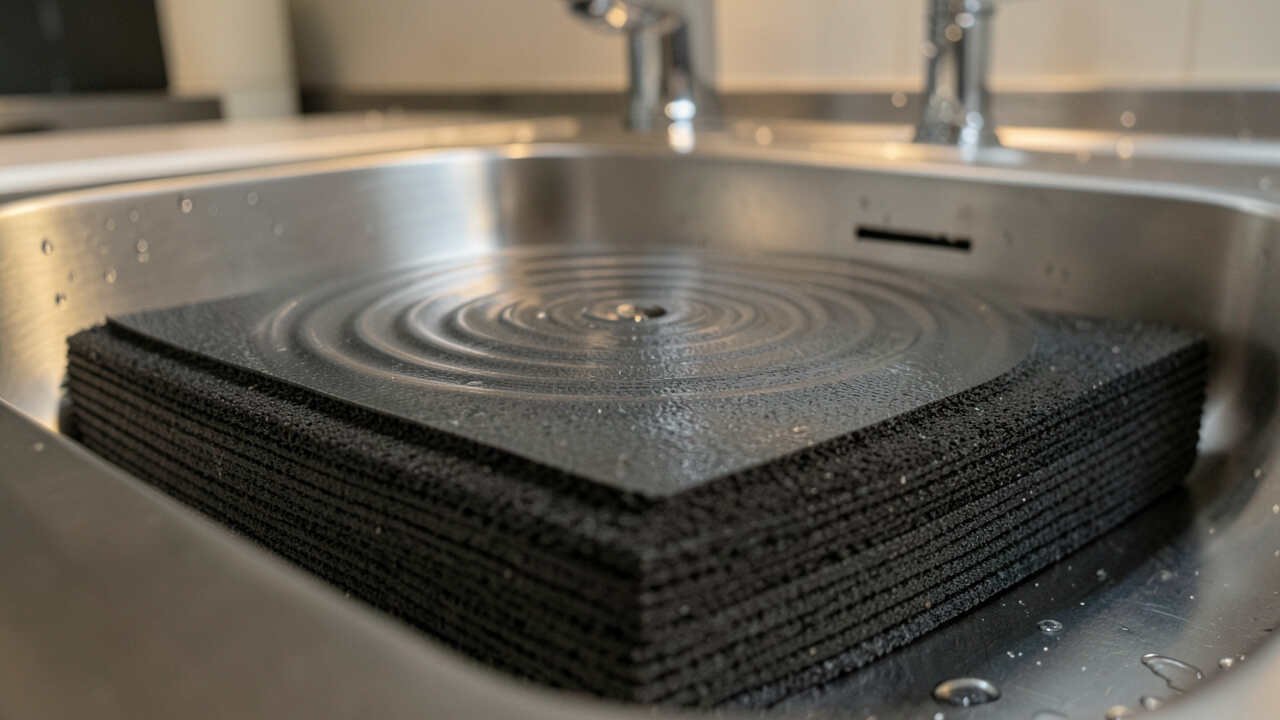
How Heavy Rubber Deadening Pads Prevent Metallic Sink Echoes
At a Glance Heavy rubber deadening pads prevent metallic sink echoes by absorbing vibrations and dampening sound waves that create the hollow ringing from metal basins. Installing them on the underside of the sink in under 30 minutes transforms a noisy kitchen or bathroom fixture into a quiet, solid surface that reduces impact noise from…
Why Composite Granite Sinks Discolor from Hard Water Deposits
At a Glance Composite granite sinks discolor from hard water deposits because dissolved calcium and magnesium ions in the water chemically bond with the sink’s porous resin surface, creating white or chalky stains that can darken and become permanent if not removed promptly. The quality of the resin binder and the frequency of sealing directly…
Undermount vs Drop-In vs Farmhouse: Right Sink Installation
At a Glance The three primary kitchen sink installation types—undermount, drop-in, and farmhouse—each offer distinct trade-offs in aesthetics, installation complexity, and countertop compatibility. Undermount sinks provide a seamless counter-to-sink transition but require solid surfaces such as granite or quartz, while drop-in sinks are the most affordable and work with any countertop material including laminate. Farmhouse…
How to Test Your Stainless Steel Sink for Noise and Hot Spots
At a Glance Testing your stainless steel sink for noise and hot spots directly verifies the gauge, construction, and soundproofing quality of the fixture. A simple tap test should produce a dull thud rather than a ringing sound, and running hot water should distribute heat evenly without forming localized hot spots. A sink that fails…