Author: Megha Chhabra

Round-Bottom vs Flat-Bottom Wok: Stovetop Compatibility Today
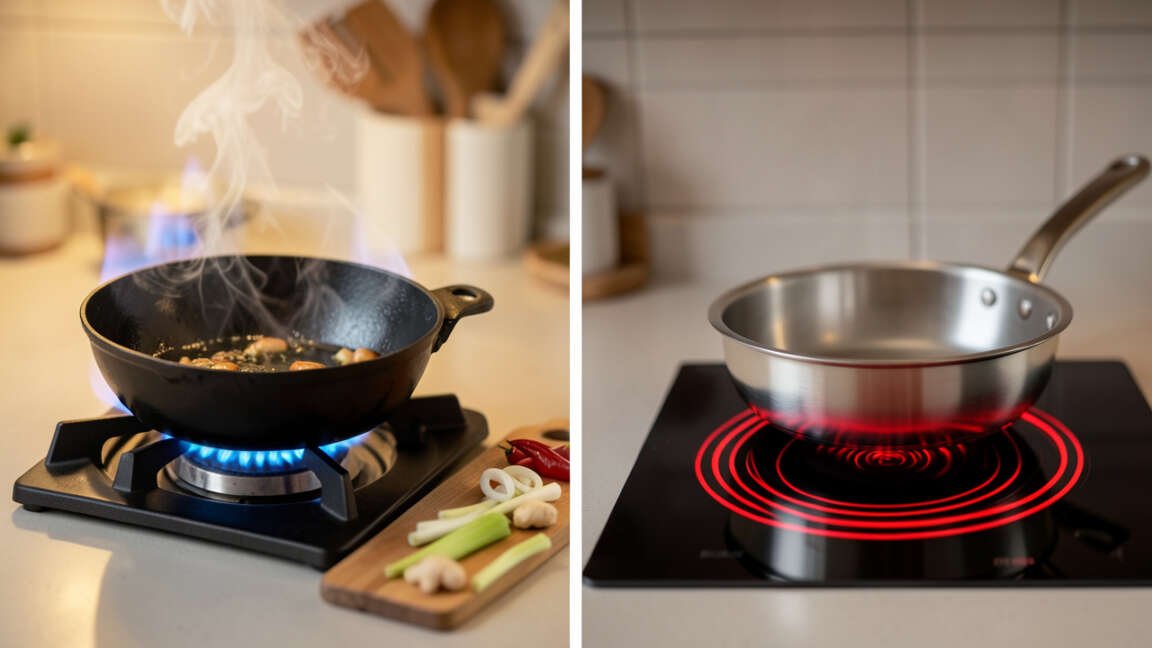
At a Glance The choice between a round-bottom and flat-bottom wok depends on your stove type, as round-bottom woks concentrate heat for authentic wok hei on gas burners while flat-bottom woks offer stability for glass-top and induction ranges. A round-bottom wok requires a wok ring for stability, making it ideal for gas stoves, but flat-bottom…

Why Most Home Cooks Wreck Their First Wok in Year One Daily
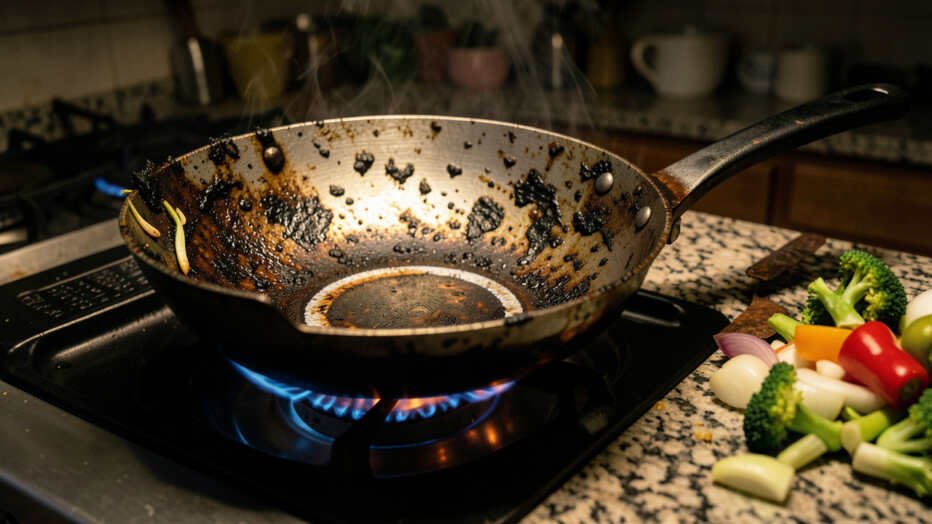
At a Glance Most home cooks ruin their first wok within the first year because they treat it like a non-stick pan, using excessive heat, soap, and abrasive scrubbers that strip the essential seasoning layer and cause rust or warping. A carbon steel wok requires initial seasoning to build a protective polymer patina, gradual heat…

How to Use a Wok on a Glass-Top Electric Hob Without Damage
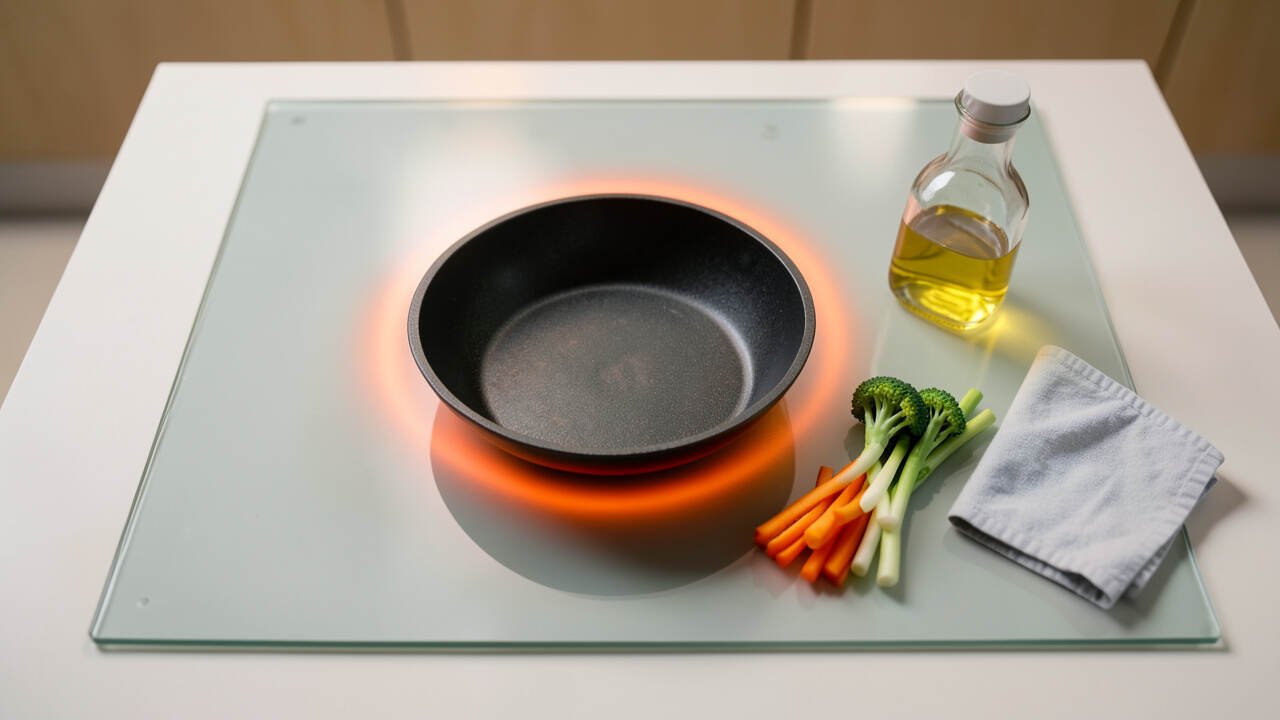
At a Glance Using a wok on a glass-top electric hob without damage requires a flat-bottomed wok made of carbon steel or stainless steel, gentle placement on a clean surface, and slow preheating on medium heat. Always lift the wok instead of sliding it to prevent scratches, and deglaze with liquid to avoid thermal shock…
Why Wide Sauté Pans Beat Tall Ones for Pan-Roasting Meat Yes
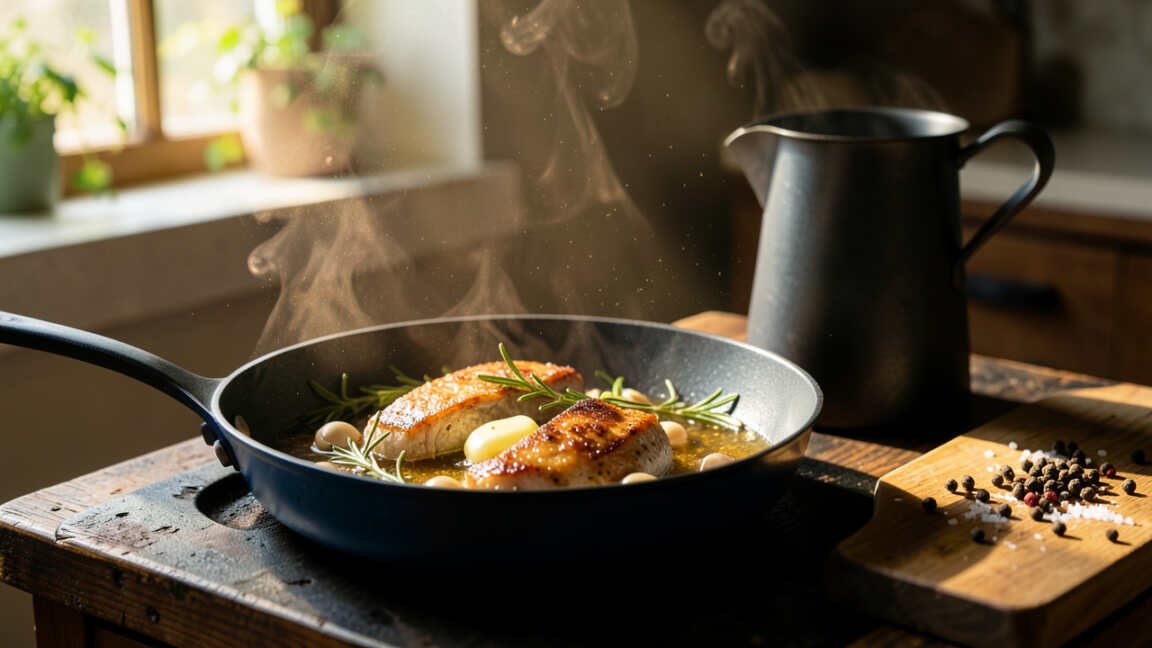
At a Glance Wide sauté pans beat tall pots for pan-roasting meat because their larger surface area allows moisture to evaporate quickly, letting the meat reach the 285°F needed for the Maillard reaction and a proper crust. Tall sides trap steam, keeping the meat's surface below 212°F until all liquid evaporates, which prevents browning and…
How to Pick a Sauté Pan Lid: Glass vs Metal Use Case Compared
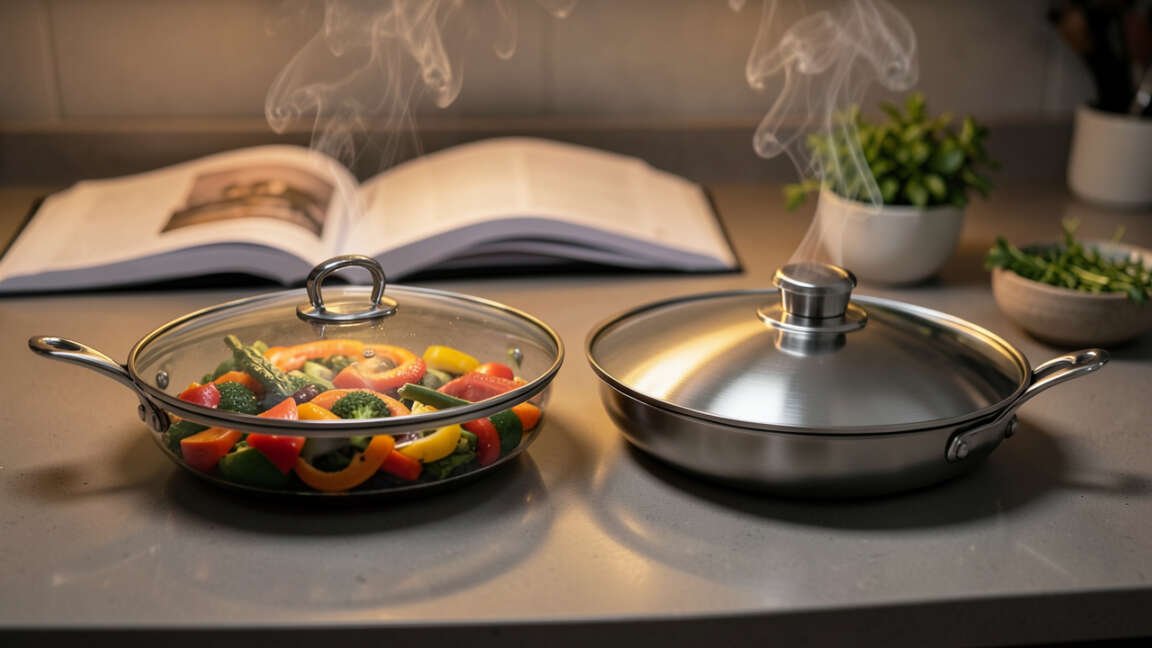
At a Glance Choosing between a glass or metal sauté pan lid depends on whether your priority is monitoring cooking progress or maximizing heat retention. Use a glass lid when you need to watch liquid levels without releasing steam, and a metal lid when you require superior heat retention, oven safety above 400°F, or a…
How to Use a Sauté Pan as a Roasting Vessel for Small Roasts
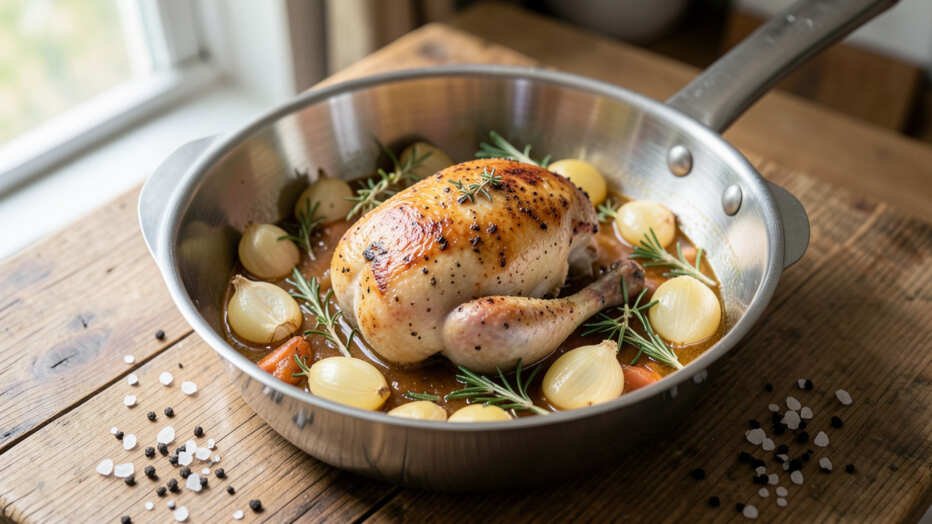
At a Glance A sauté pan can replace a traditional roasting vessel for small roasts up to four pounds, as its wide bottom and high sides promote even browning and contain splatter. To succeed, ensure the pan is oven-safe to at least 400°F and preheat it on the stovetop before searing, which improves crust formation…

Skillet Vs Frying Pan Vs Sauté Pan: What’S Actually Different
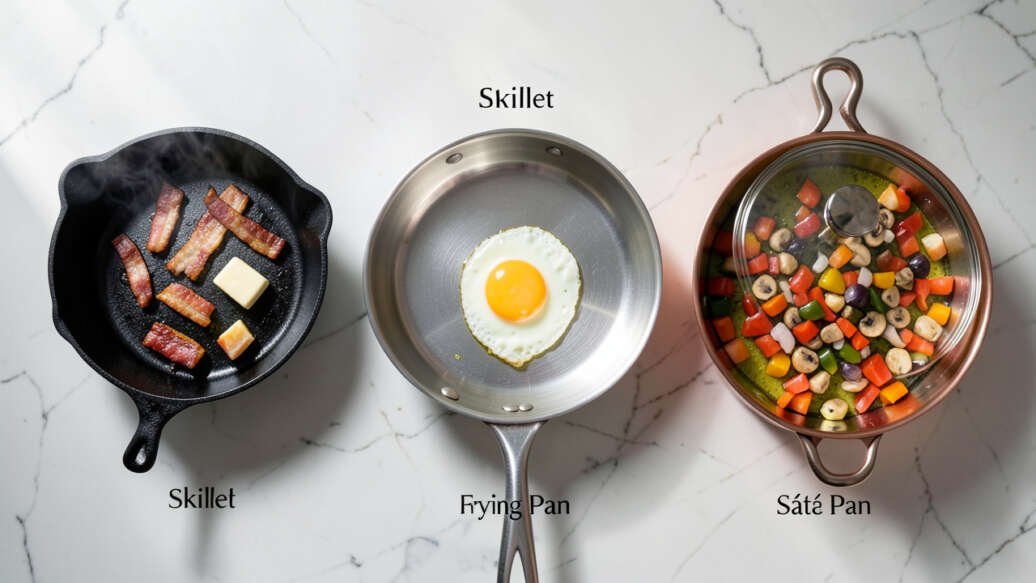
At a Glance A skillet and frying pan are essentially the same cookware with sloped sides designed for flipping and high-heat searing, while a sauté pan has straight sides and a larger surface area for browning and deglazing without spillage. The side angle directly affects oil depth and steam retention, making skillets ideal for shallow…
Saucepan vs Saucier vs Sauté Pan: When Each Shape Wins Out
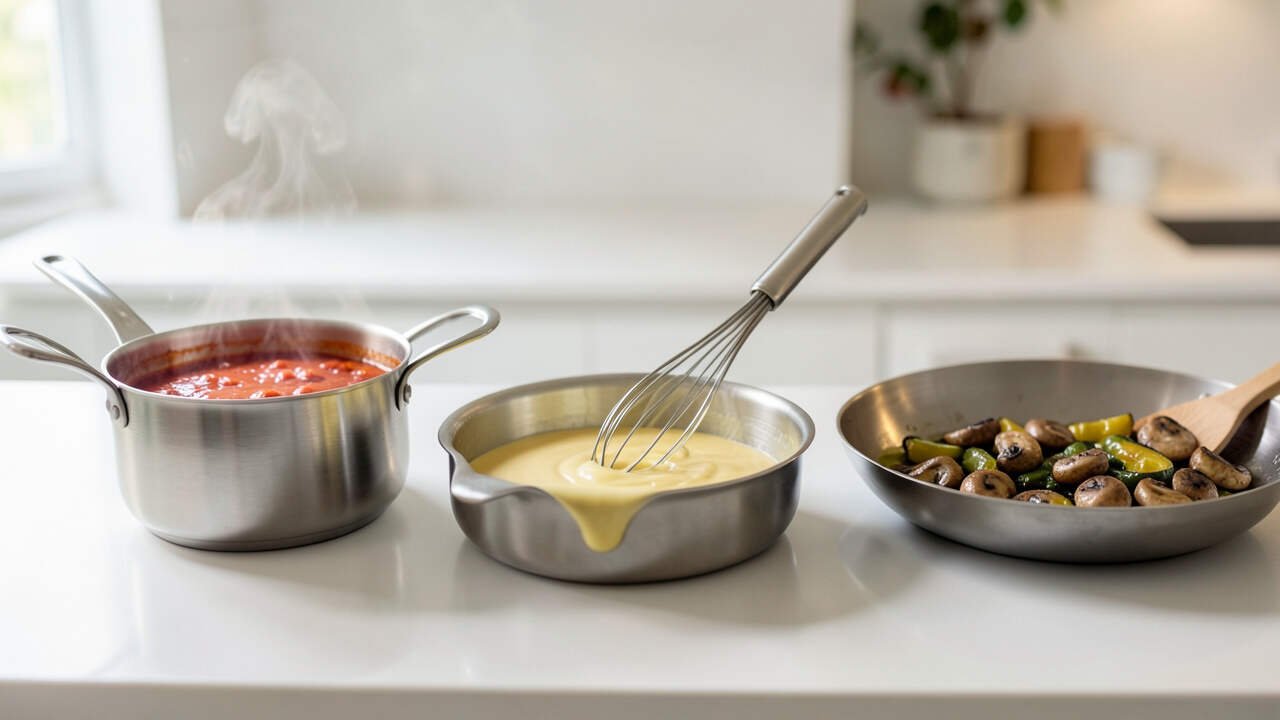
At a Glance A saucepan, saucier, and sauté pan each excel in different cooking tasks because of their distinct shapes. The saucier's sloped sides make it ideal for stirring delicate sauces and risotto, the sauté pan's wide flat surface is best for searing and browning, and the standard saucepan handles boiling and soups at a…
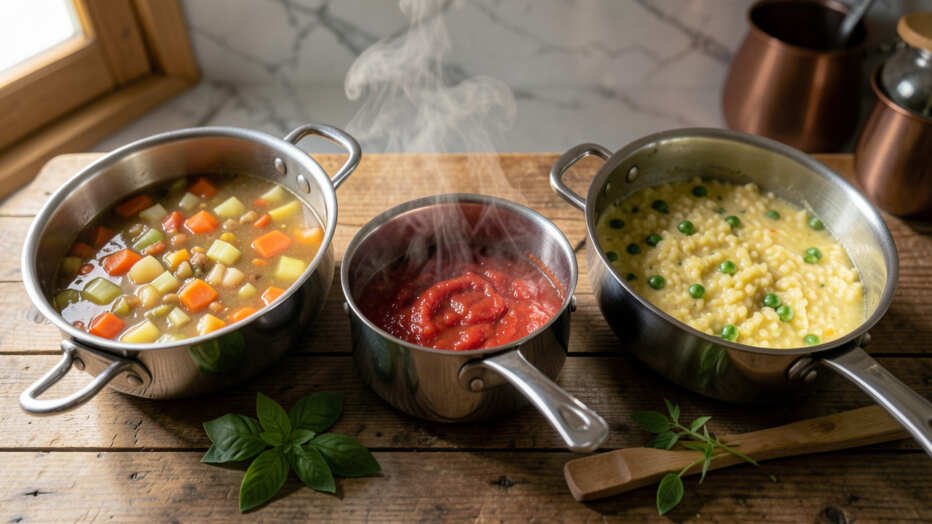
What Size Saucepan Do You Actually Need: 1qt vs 2qt vs 4qt
At a Glance The 2-quart saucepan is the most practical size for everyday cooking, handling roughly 85% of common tasks like reheating soup, cooking rice, and making small sauces for households of two to four people. A 1-quart saucepan works best for single servings and warming small amounts of liquid, while a 4-quart option suits…
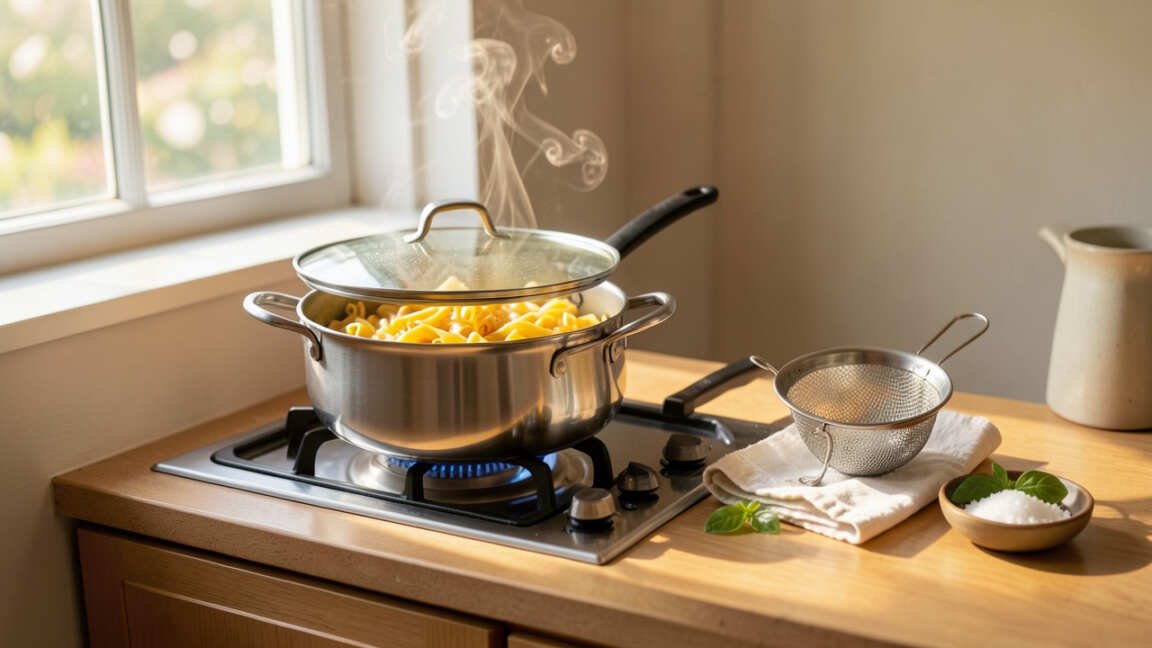
The Right Saucepan for Boiling Pasta in a Studio Apartment
At a Glance The right saucepan for boiling pasta in a studio apartment is a 3-to-4-quart stainless steel or nonstick pan with a tight-fitting lid, a long stay-cool handle, and a flat, heavy bottom. This size works efficiently on any single burner, stores easily in limited cabinet space, and boils enough water for one to…
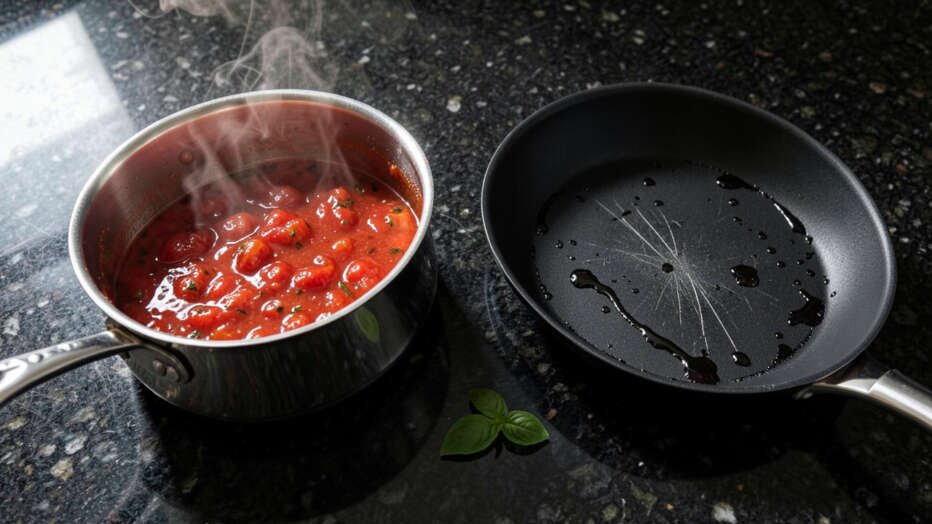
Why Stainless Steel Wins for Acidic Sauces Over Non-Stick
At a Glance Stainless steel wins for acidic sauces over non-stick because its chromium oxide layer resists acid reactions and prevents metal leaching. Non-stick coatings degrade when exposed to acids like tomato or citrus, causing flaking and potential chemical release even in PFOA-free varieties. For any acidic sauce, stainless steel provides superior chemical safety, heat…
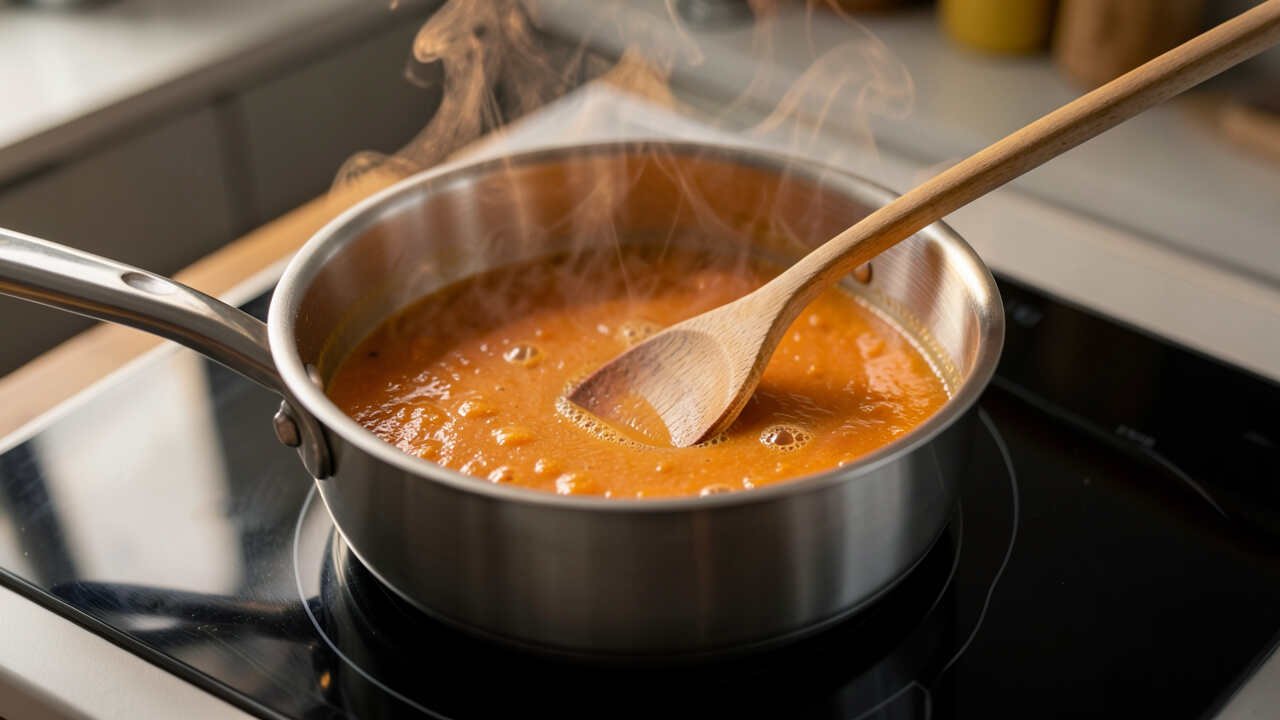
How to Pick a Saucepan for Reheating Soup Without Scorching
At a Glance To avoid scorching when reheating soup, choose a saucepan with a heavy, multi-clad base at least 3 to 4 millimeters thick, such as tri-ply stainless steel or enameled cast iron, which eliminates hot spots and distributes heat evenly. Thin pans like single-ply aluminum create uneven heat that burns dairy and starch solids…