
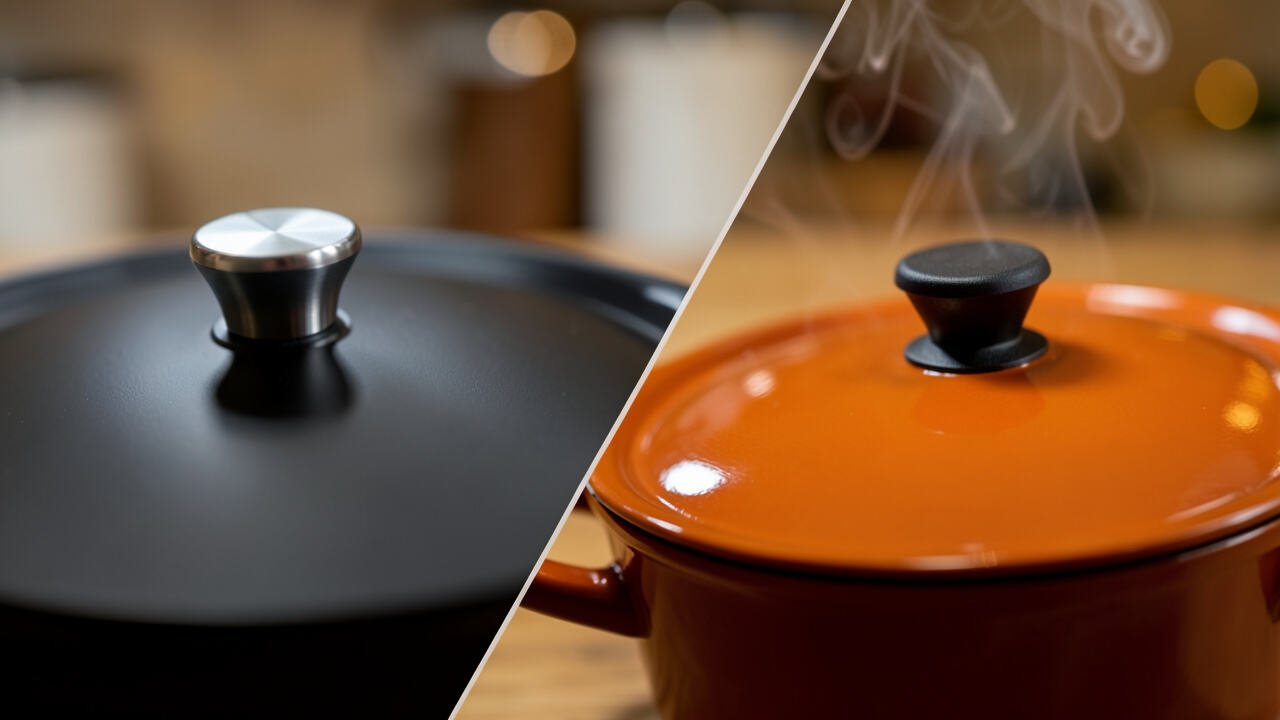
A Dutch oven’s lid knob material—phenolic or metal—determines its maximum oven-safe temperature and heat-handling behavior. Phenolic knobs generally remain oven-safe to 400°F but may crack or melt above that, whereas metal knobs—typically stainless steel or brass—handle up to 500°F or more but conduct heat, making them hot to touch. For practical use, select phenolic for gentle cooking and cooler handling, or choose metal for high-heat applications like bread baking and searing.
Choosing between a phenolic or metal lid knob for your Dutch oven can affect how you cook, bake, and clean. This comparison breaks down the key differences in heat tolerance, durability, cost, and aesthetics so you can pick the right knob for your kitchen.
Quick Verdict: Simply put, phenolic knobs are heat-safe up to about 400°F but can become brittle over time. Metal knobs handle much higher oven temperatures – up to 500°F or more – but they conduct heat and can become very hot to the touch. Choose phenolic for low-heat simmering and classic looks; choose metal for high-heat searing, braising, and bread baking.
Key Takeaways
- Phenolic knobs are made from a molded resin that withstands temperatures up to approximately 400°F before risking melting or cracking.
- Metal knobs, typically stainless steel or brass, remain safe for oven temperatures exceeding 500°F, making them ideal for bread baking and high-heat searing.
- Replacing a phenolic knob with a metal one requires verifying that the replacement knob has the same thread size and diameter as the original.
- Phenolic knobs stay cooler to the touch during stovetop cooking because they are poor heat conductors, while metal knobs transfer heat quickly and can burn fingers.
- Metal knobs generally cost more than phenolic ones, but they offer greater long-term durability and no risk of heat-related damage in high-temperature cooking.
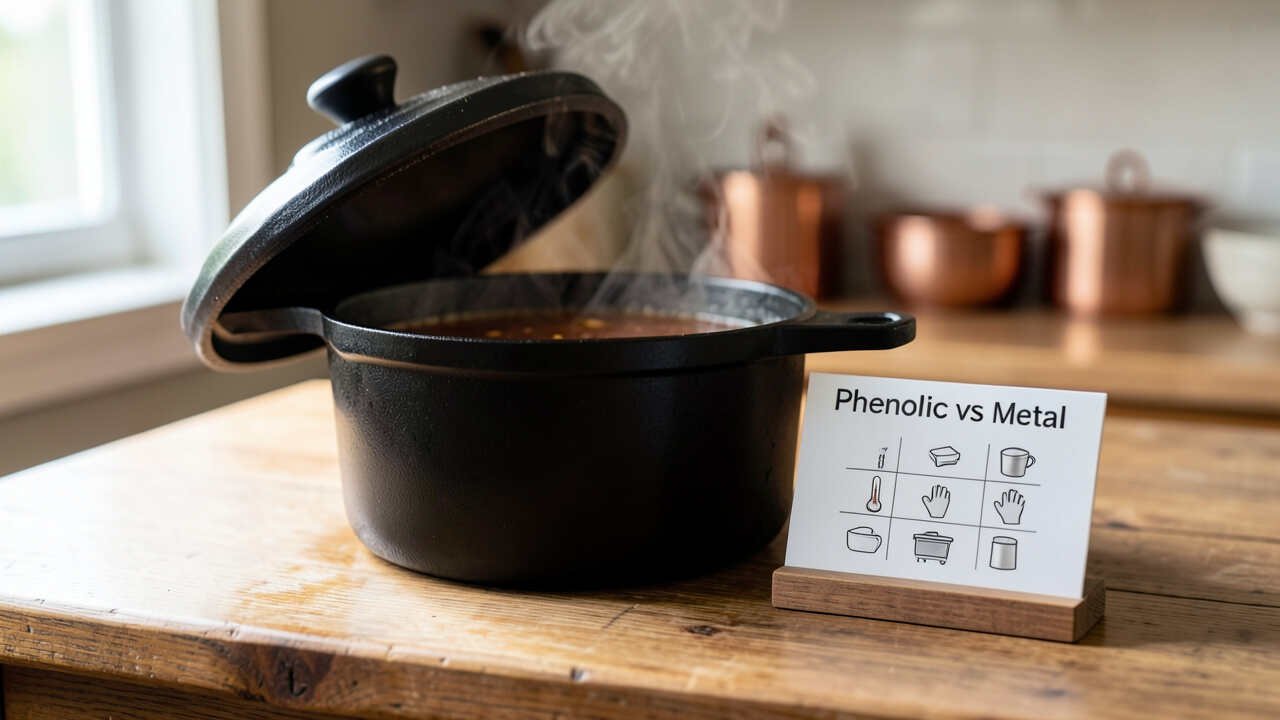
Quick Comparison Table
| Feature | Phenolic | Metal |
|---|---|---|
| Max Oven Temperature | 400°F (204°C) | 500°F+ (260°C+) |
| Durability | Can crack or warp if dropped or overheated | Very durable; resists dents and long-term heat |
| Cost | $5 – $15 for a replacement | $15 – $35 for a branded replacement |
| Heat Conductivity | Low – stays cool to touch | High – gets very hot |
| Cleaning | Hand wash only; avoid dishwasher | Usually dishwasher-safe, but check manufacturer |
| Aesthetic Options | Black, white, sometimes colored | Stainless steel, brass, copper, black satin |
| Best For | Low-heat simmering, stovetop use, classic decor | High-heat oven cooking, bread baking, searing |
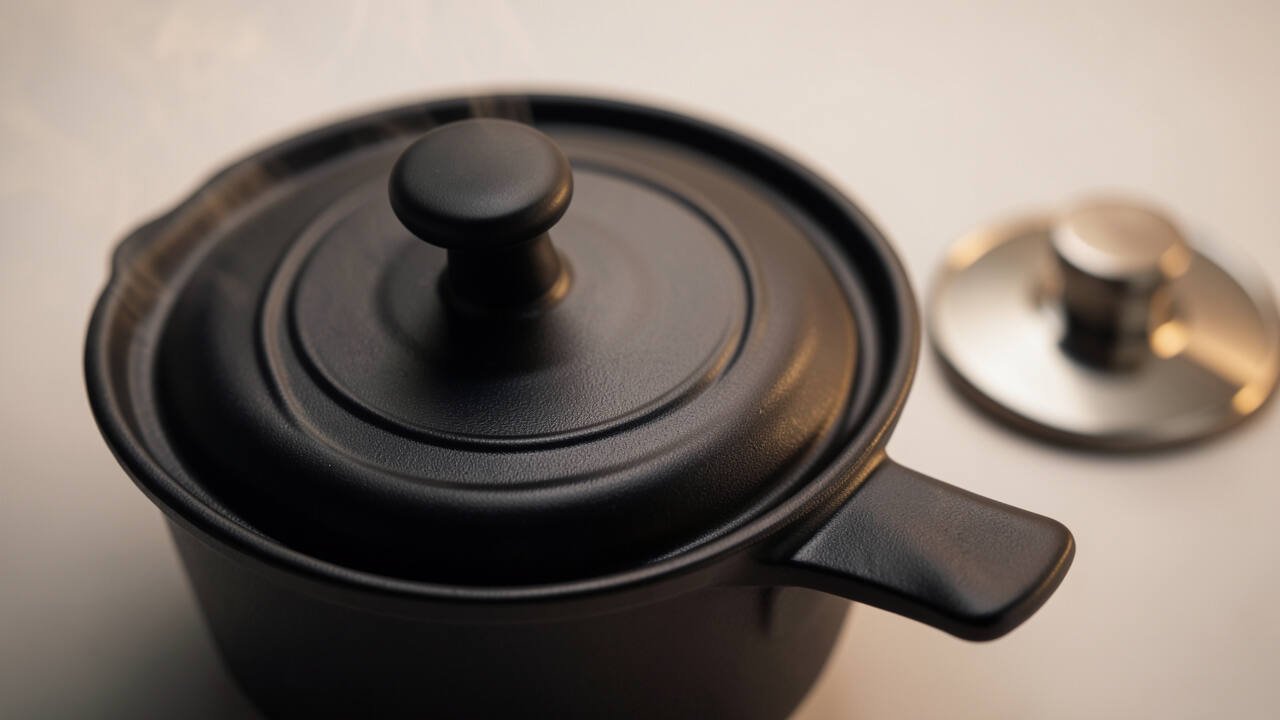
Phenolic Lid Knobs Overview
A Dutch oven lid knob material like phenolic is a thermosetting plastic made from phenol-formaldehyde resin. It is one of the most common knob materials found on affordable and mid-range Dutch ovens. Brands such as Lodge Manufacturing and Cuisinart supply many of their enameled cast iron pots with phenolic knobs.
Important: According to Lodge, their phenolic knobs are oven-safe to 400°F (204°C). Exceeding this temperature can cause the knob to melt or crack, which may lead to a broken lid handle.
Pros and Cons of Phenolic Knobs
- Pro: Stays cool to the touch during stovetop cooking because phenolic resin does not conduct heat well.
- Pro: Low cost – replacement knobs typically cost between $5 and $15, making them budget-friendly.
- Pro: Available in classic black or white, matching the look of traditional cast iron cookware.
- Con: Cannot be used above 400°F – unsuitable for bread baking or high-heat roasting.
- Con: Prone to cracking or chipping if the pot is dropped or if the knob is tightened too much.
- Con: Not dishwasher-safe – the high heat and harsh detergents can degrade the resin.
Best For
Phenolic knobs work well for cooks who mainly braise, stew, or simmer on the stovetop or in the oven below 400°F. They are also a good choice if you want a knob that stays cool so you can grab it without a towel. Many entry-level Dutch ovens ship with phenolic knobs, and upgrading to metal later is an easy fix.
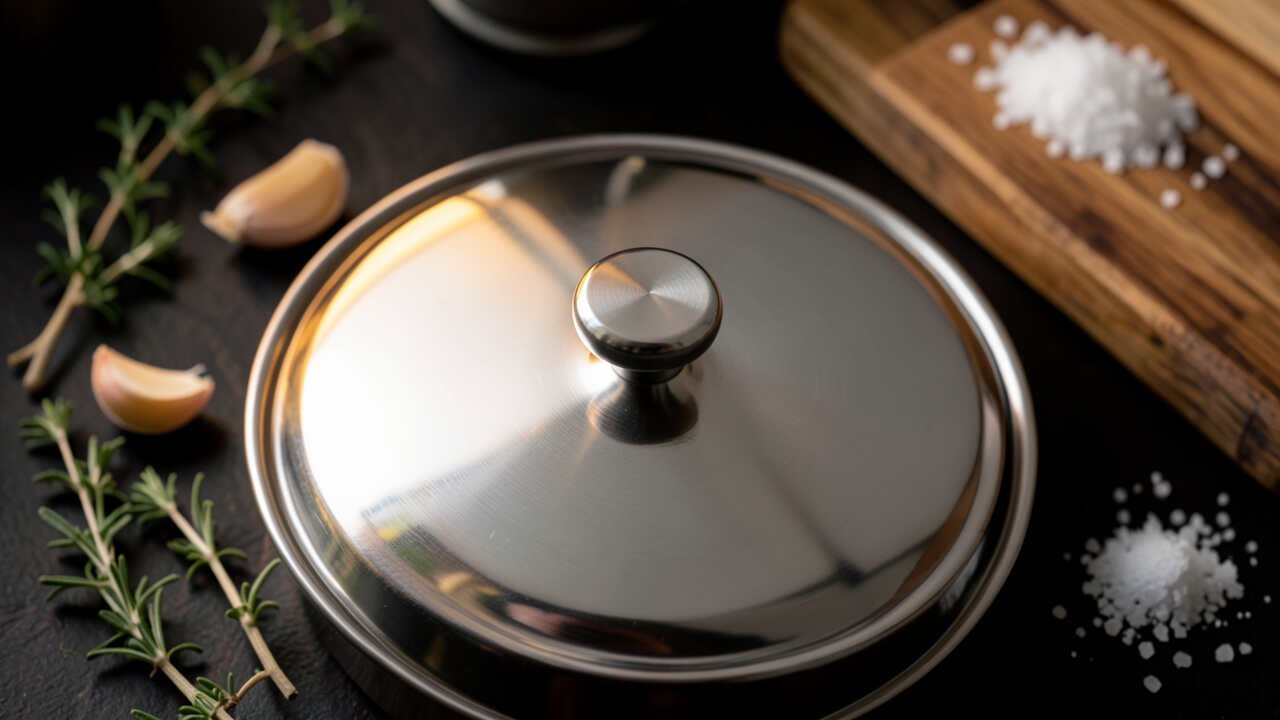
Metal Lid Knobs Overview
Metal knobs are made from stainless steel, brass, or chromed cast iron. They are standard on premium brands like Le Creuset and Staub, and they are also available as aftermarket replacements for almost any Dutch oven. Metal knobs allow you to cook at very high temperatures without risking damage.
Tip: Le Creuset states that their stainless steel knobs are oven-safe to 500°F (260°C), and some brass or chromed knobs can handle 400°F to 450°F. Always check the specific rating from the manufacturer.
Pros and Cons of Metal Knobs
- Pro: Withstands high oven temperatures (up to 500°F or more), perfect for artisan bread, pizza, and roasting.
- Pro: Very durable – resists impacts, does not crack or degrade over time with normal use.
- Pro: Often dishwasher-safe, though hand washing preserves the finish longer.
- Con: Conducts heat – the knob gets very hot in the oven or on the stovetop, requiring an oven mitt to touch.
- Con: Higher cost – replacement knobs from premium brands cost $15 to $35 or more.
- Con: Can scratch or dent softer metals like brass or copper if handled roughly.
Best For
Metal knobs are the top choice for bakers who regularly make sourdough or no-knead breads at high temperatures. They also suit anyone who wants a single knob that works across all cooking methods – stovetop, oven, and even grill – without worrying about heat limits. Many serious home cooks upgrade their Dutch oven to a metal knob as soon as they buy it.
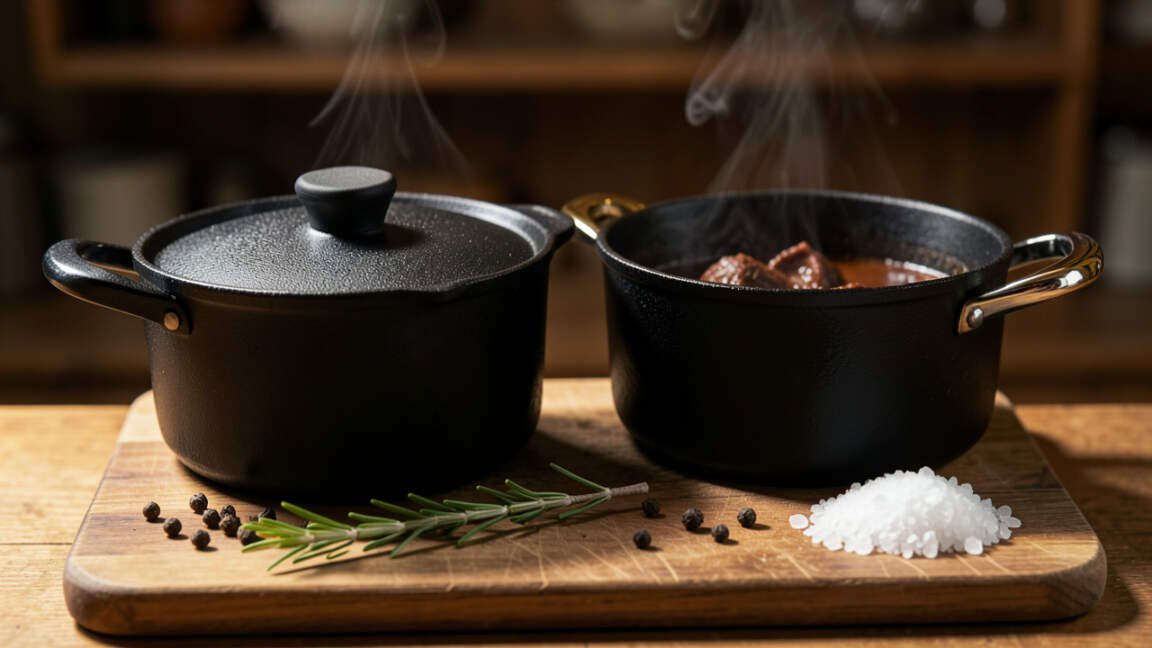
Head-to-Head Comparison
Heat Resistance
This is the most critical difference. Phenolic knobs soften or melt around 400°F. Metal knobs remain intact at 500°F and above. If you bake bread at 450°F, a phenolic knob will fail. For soups and stews under 375°F, either material works.
Durability and Longevity
Phenolic resin can become brittle with repeated temperature cycles. Dropping the lid can snap the knob. Metal knobs, especially stainless steel, withstand impacts and decades of use. The thread on a metal knob is also less likely to strip when tightened.
Ease of Cleaning
Phenolic knobs require gentle hand washing with mild soap. The dishwasher’s heat and chemicals can cause the resin to cloud, crack, or warp. Metal knobs are usually dishwasher-safe, but high heat over time may dull polished surfaces. Brass knobs need occasional polishing to maintain shine.
Cost
Phenolic replacements are cheaper – $5 to $15. Metal replacements from brands like Staub or Le Creuset cost $15 to $35. Off-brand metal knobs on sites like Amazon can be found for $10 to $20, but verify the thread size and material quality.
Aesthetics
Phenolic knobs offer a matte black or white finish that blends with traditional cast iron. Metal knobs come in polished stainless steel, satin nickel, brushed brass, or copper, providing a more upscale look. Many cooks choose metal simply for the visual upgrade.
Oven Safety
Because metal knobs become scalding hot, you must always use a towel or mitt to open the lid. Phenolic knobs stay near room temperature even during stovetop cooking. However, in the oven, the entire lid surface heats up, so even a phenolic knob may become warm if the oven temperature exceeds 350°F for a long time.
Warning: Never place a Dutch oven with a phenolic knob under a broiler or in an oven that will exceed 400°F. The knob can melt and release toxic fumes.
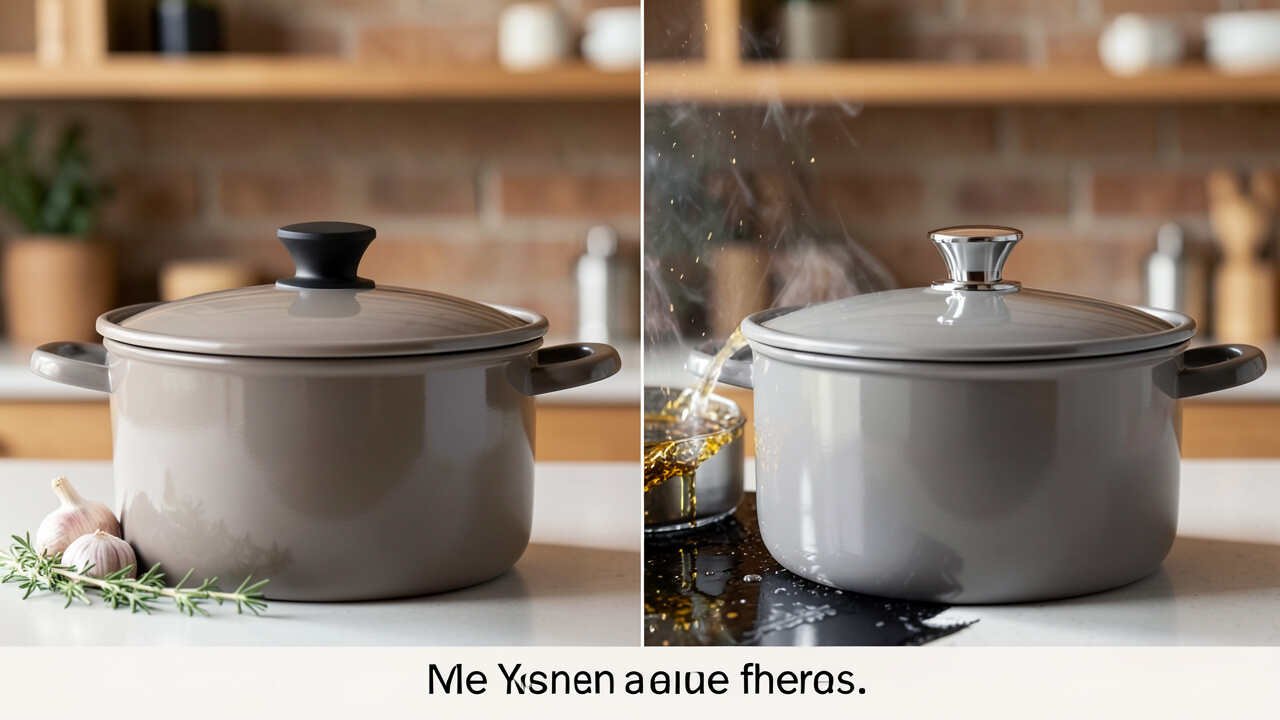
Which Knob Material Should You Choose?
Your choice depends on your cooking habits. Ask yourself these questions:
- Do you bake bread or roast at temperatures above 400°F? Choose metal.
- Do you mostly simmer stews and braise meat on the stovetop? Phenolic works fine and stays cool.
- Is budget a primary concern? Phenolic is significantly cheaper.
- Do you want a permanent, high-end upgrade? Invest in a metal knob from a reputable brand.
- Are you replacing a broken knob? Check the thread size (usually M6, M8, or 1/4-inch) before buying any replacement.
For most home cooks, a metal knob offers the best flexibility because it removes all temperature limitations. If you only cook low-heat dishes, phenolic remains a safe, affordable option.
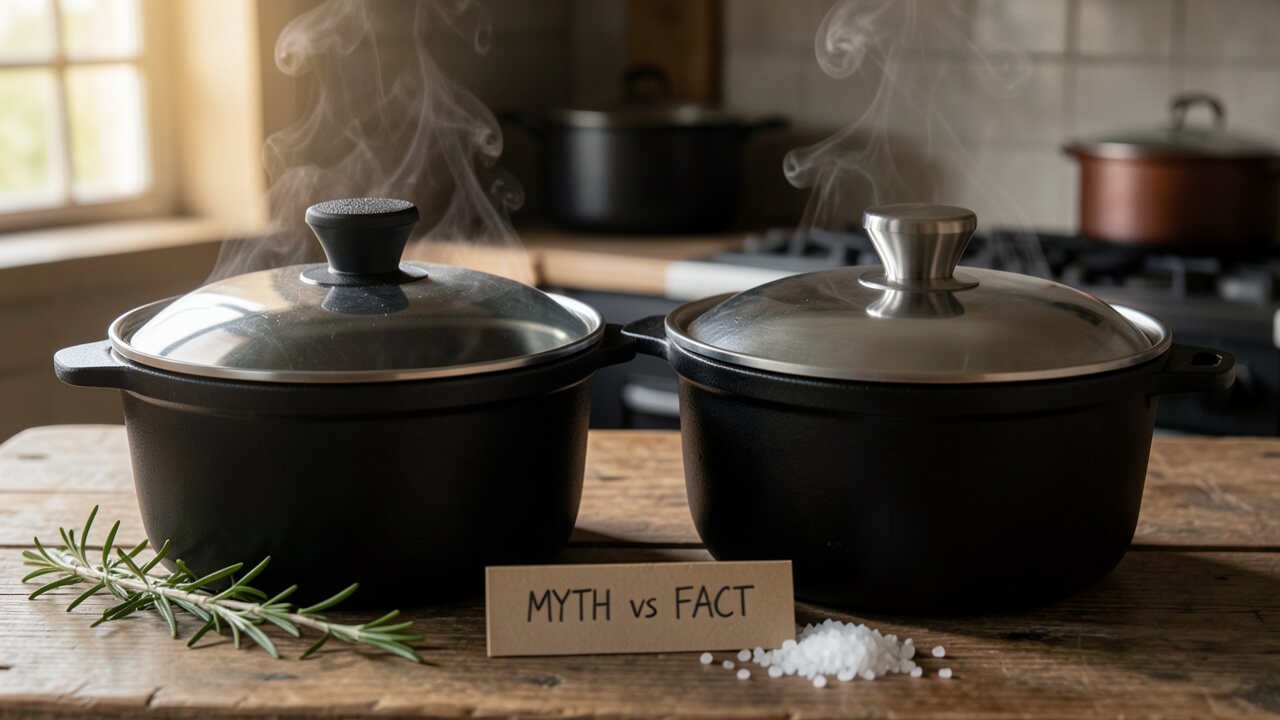
Common Myths Versus Facts
Myth: Metal knobs are always too hot to touch – even on the stovetop.
Fact: Metal knobs conduct heat, so they become very hot in the oven or on a high-heat stovetop. However, on a low simmer, the knob may stay warm but not scalding. Always use a mitt to be safe.
Myth: Phenolic knobs are only safe up to 350°F.
Fact: Quality phenolic knobs from manufacturers like Lodge are rated to 400°F. Cheaper generic knobs may have a lower threshold, but 400°F is the standard for most branded phenolic knobs.
Myth: You cannot replace a phenolic knob with a metal one because the threads are different.
Fact: Many Dutch ovens use a standard M6 or M8 threaded screw. Universal metal replacement knobs come with adapters to fit multiple thread sizes. Brands like Lodge and Le Creuset sell official metal knobs that retrofit their phenolic-knob models.
Frequently Asked Questions
Can I use a Dutch oven with a phenolic knob in the oven at 400°F?
Yes, if the knob is rated for 400°F by the manufacturer. Lodge phenolic knobs are tested to 400°F. However, to extend the lifespan, avoid prolonged baking at the maximum temperature.
Are all metal knobs oven-safe to 500°F?
Not all. Stainless steel knobs from Le Creuset are rated to 500°F. Brass and chromed knobs are often safe to 400°F or 450°F. Always check the product label or manufacturer website.
How do I measure the thread size for a replacement knob?
Remove the screw from the lid and measure the diameter and pitch. Common sizes are M6 (6mm diameter), M8 (8mm), and 1/4-inch. Many replacement knobs include a thread adapter kit.
Will a metal knob scratch my lid’s enamel?
Metal knobs touch only the metal rim of the lid, not the enamel. The knob itself sits above the enamel surface. Scratches on the knob are cosmetic and do not affect performance.
Can I put a phenolic knob in the dishwasher if I use a low-heat cycle?
Manufacturers strongly advise against it. The combination of high heat, steam, and harsh detergents can cause the resin to degrade, crack, or lose its color. Hand washing with a soft sponge is best.
Final Thoughts
Your Dutch oven lid knob materials choice directly impacts cooking flexibility and safety. Metal knobs give you the highest heat tolerance and durability, while phenolic knobs remain budget-friendly and cool to the touch. For most cooks who want a single Dutch oven for all methods, upgrading to a metal knob is a worthwhile investment. Pick the material that matches your cooking style and enjoy years of delicious meals.

Leave a Reply