Author: Megha Chhabra

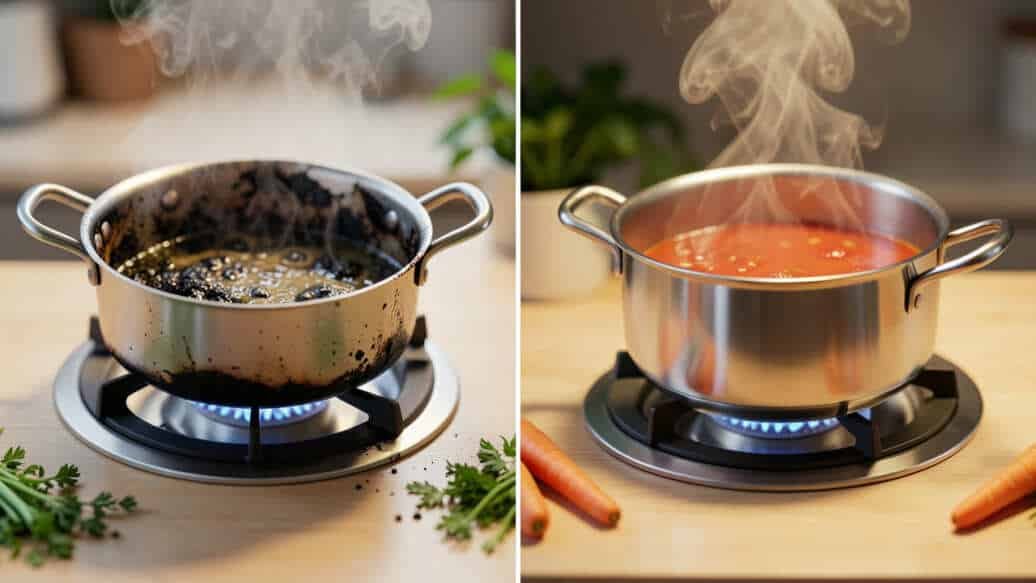
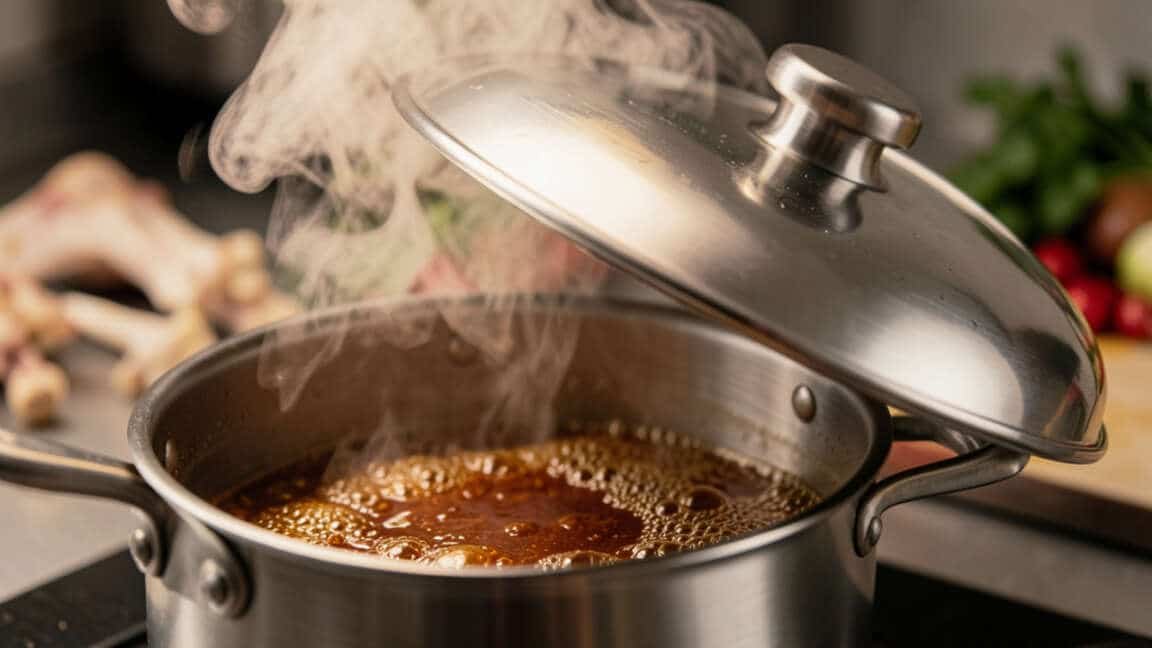
Why Thin-Bottom Stockpots Burn Soup And Thick Ones Don’T Today
At a Glance Thin-bottom stockpots burn soup because their low thermal mass creates intense localized hot spots that scorch food before the liquid can disperse heat, whereas thick-bottom pots with high thermal mass and layered materials like aluminum and stainless steel distribute heat evenly across the surface. This even heat distribution prevents the settling food…

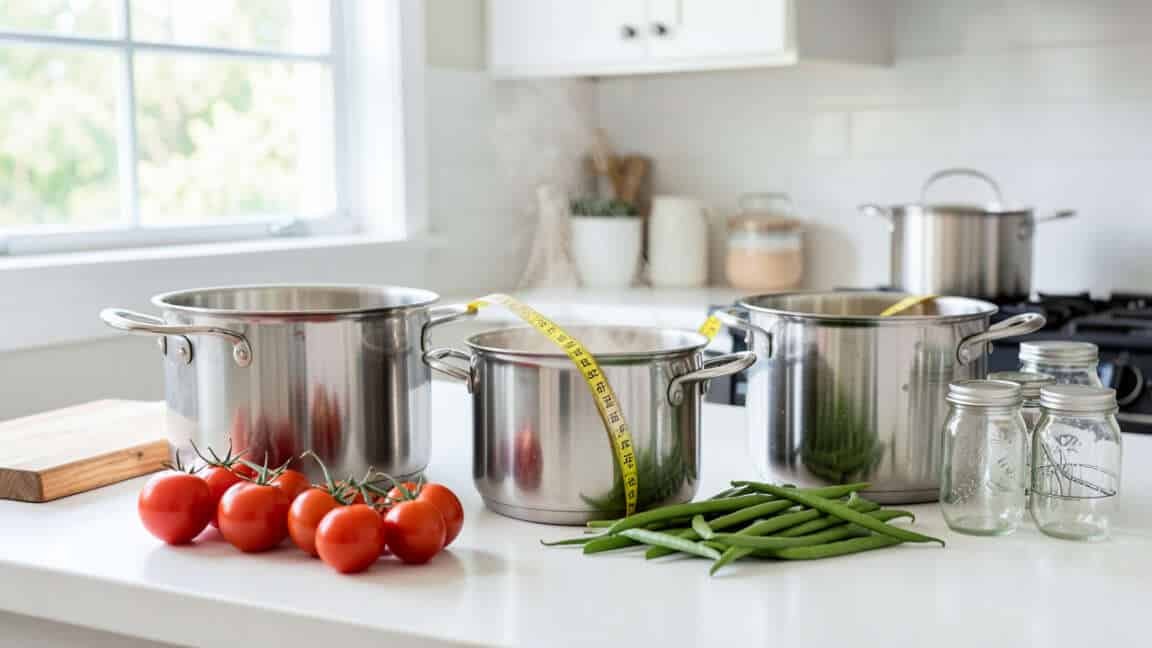
How to Pick a Stockpot for Canning Without Buying Wrong Size
At a Glance To pick a stockpot for canning without buying the wrong size, choose one that holds at least 21 to 34 quarts to accommodate jar height and water displacement. A thick stainless steel pot with an aluminum or copper core provides even heat and prevents reaction with acidic foods, while sturdy side handles…
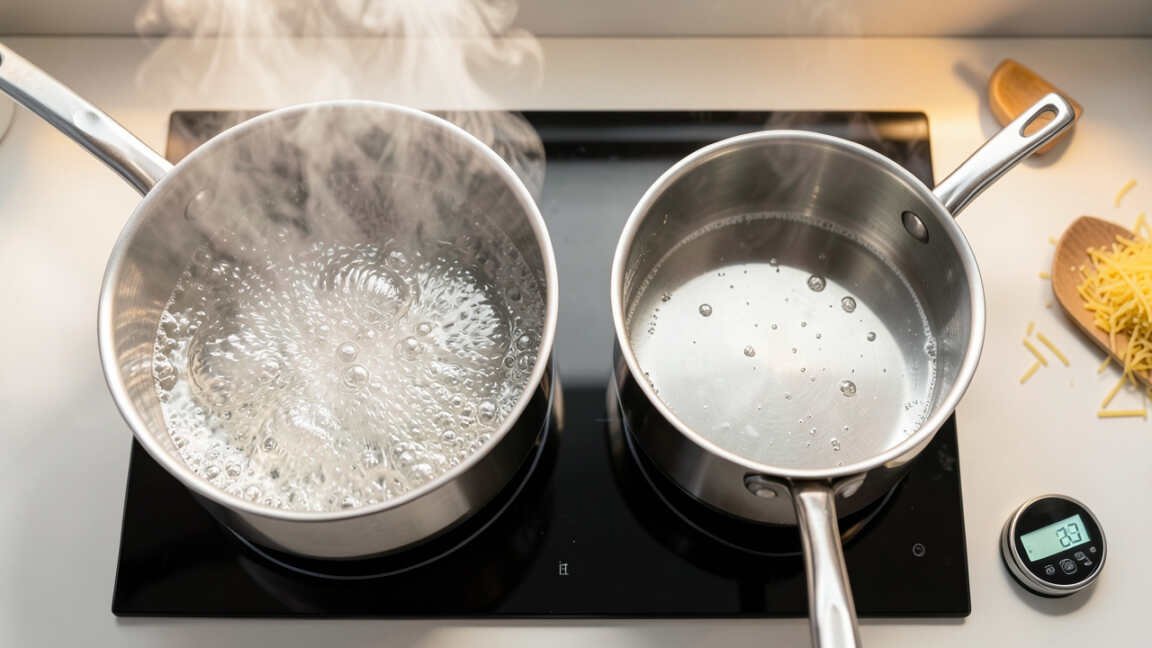
How Stockpot Diameter Affects Pasta Water Boil Time
At a Glance Stockpot diameter directly affects pasta water boil time because a wider pot with greater surface area allows more heat transfer from the burner to the water, resulting in faster boiling. A wide, shallow pot of equal volume will boil consistently faster than a tall, narrow pot due to increased contact with the…

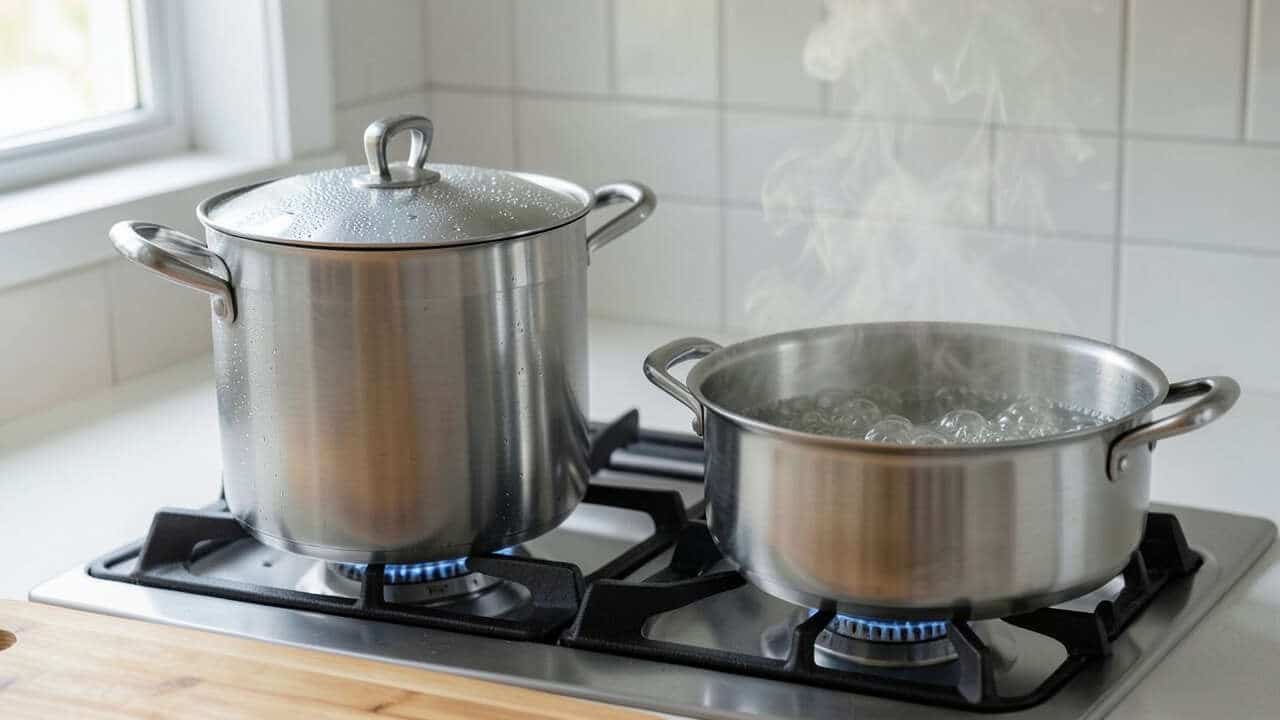
Why Tall Narrow Stockpots Lose Less Water During Long Boils
At a Glance Tall narrow stockpots lose less water during long boils because their smaller surface area directly reduces evaporation compared to wider pots. This design advantage maintains steady liquid levels, which concentrates flavors and minimizes the need for refills during extended simmering or braising. To maximize efficiency, always use a tight-fitting lid, as shape—not…
Stockpot Lid Weight: Why Heavy Lids Improve Stock Concentrate
At a Glance The weight of a stockpot lid directly controls evaporation during simmering, with heavier lids locking in vapor to produce a more concentrated, flavorful stock. A heavy lid maintains a steady simmer temperature, preventing violent boiling that would cloud the stock and degrade gelatin, while lighter lids allow excessive steam loss that dilutes…

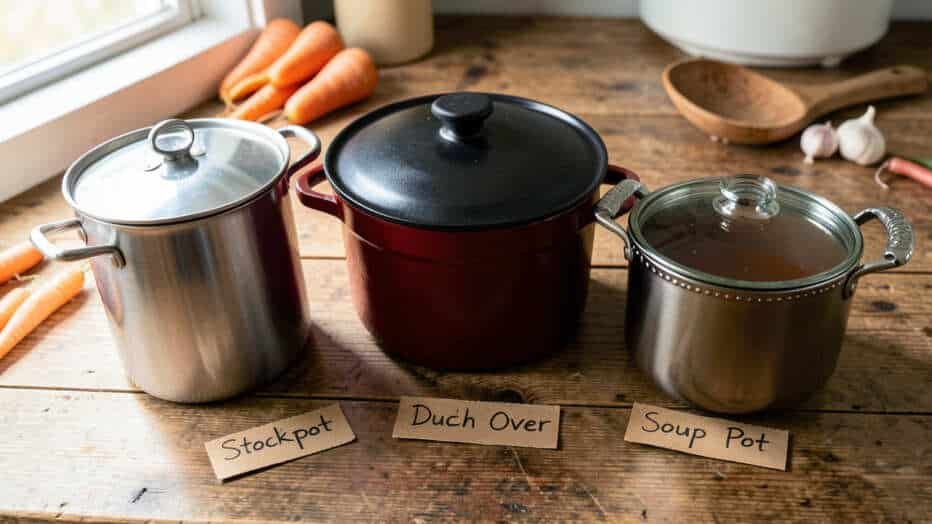
Stockpot vs Dutch Oven vs Soup Pot: Choose the Right Tool
At a Glance When choosing between a stockpot, Dutch oven, and soup pot, the main differences lie in height-to-width ratio, wall thickness, and material, which directly determine heat retention and cooking methods. A stockpot is tall and narrow for simmering stocks and boiling large volumes of liquid, while a Dutch oven’s thick cast iron or…
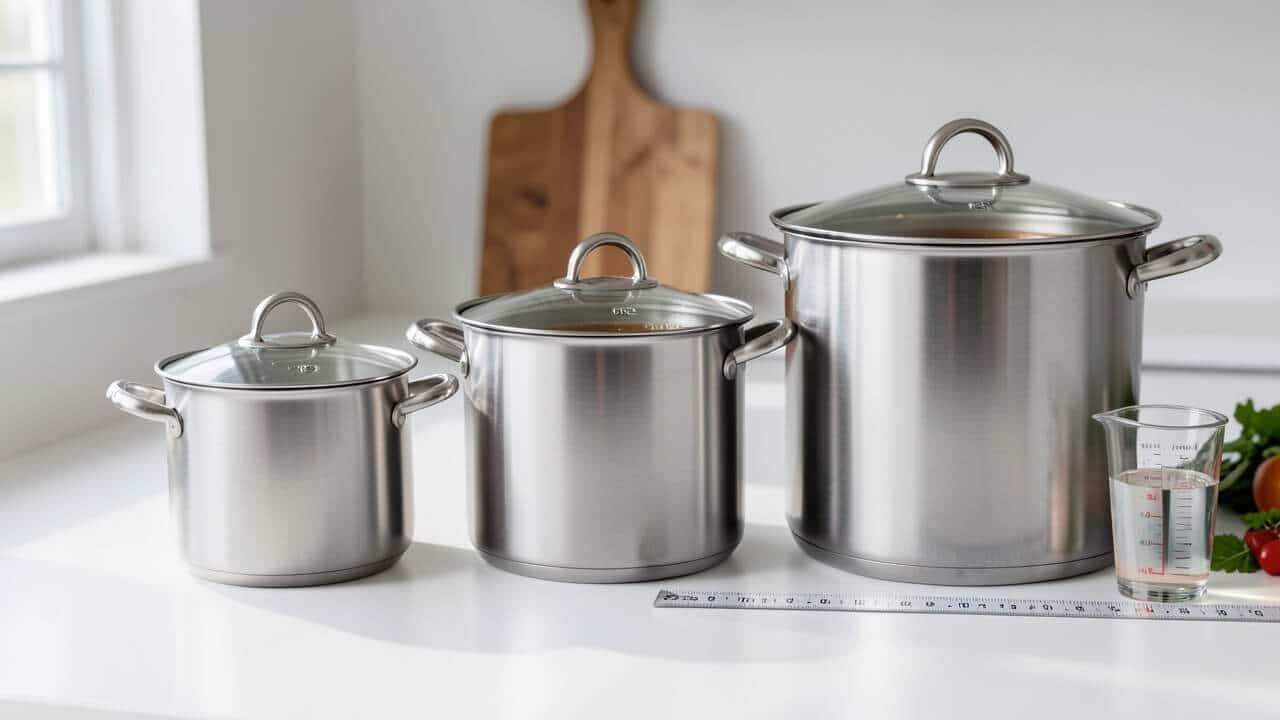
Stockpot Size Guide: 6-Quart vs 8-Quart vs 12-Quart Reality
At a Glance The 8-quart stockpot is the most practical size for typical home cooking, handling tasks like simmering a whole chicken for soup or preparing chili for a family of four. The 6-quart stockpot is compact and best suited for small households of one to two people, or for cooking side dishes, sauces, and…
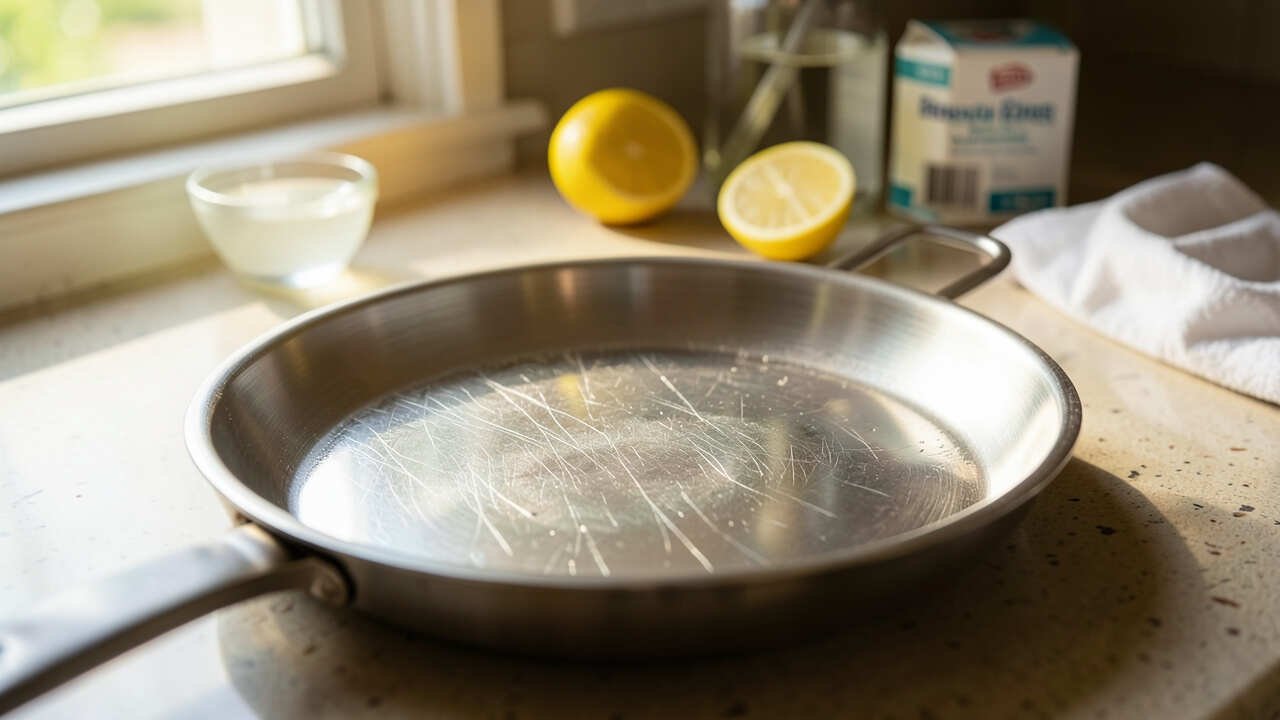
How To Restore A Scratched Stainless Skillet At Home Safely
At a Glance Restoring a scratched stainless skillet at home safely is achieved by using gentle abrasives like baking soda paste or Barkeepers Friend while scrubbing in the direction of the grain to minimize visible marks. Avoiding steel wool and harsh abrasive pads prevents further damage and preserves the pan’s finish. For light scratches, baking…
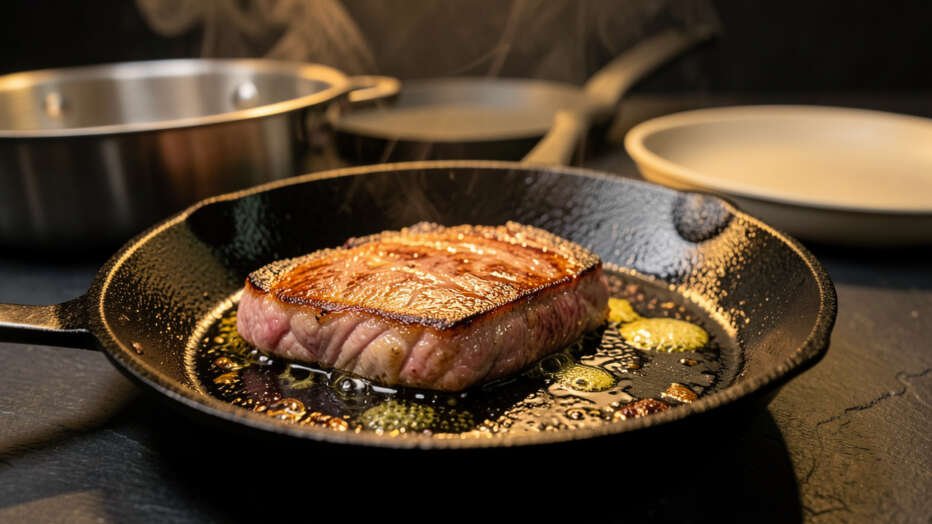
The Science Of Maillard Reaction: Pan Choice For Brown Crust
At a Glance The pan material directly controls the rate and quality of Maillard reaction browning by influencing heat transfer and retention. Cast iron pans provide excellent heat retention for a deep, even crust, while stainless steel requires more oil to achieve similar browning and non-stick pans often limit crust formation at high temperatures. Choosing…

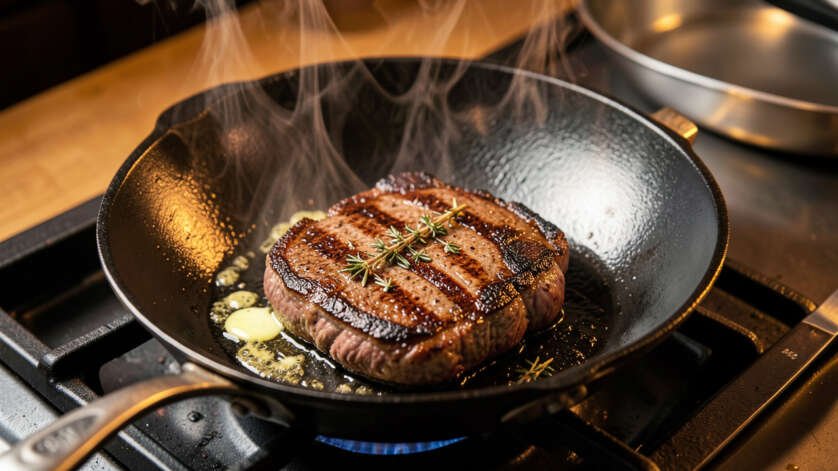
Why Frying Pan Weight Matters More Than Brand For Searing
At a Glance The weight of a frying pan determines its heat retention, which is the critical factor for achieving a consistent sear on meat. A heavy pan maintains its temperature when cold food is added, while a light pan loses heat rapidly and causes uneven browning. Home cooks can achieve excellent searing results with…
The Right Handle Type For Oven-To-Stovetop Pan Use Today
At a Glance The right handle type for oven-to-stovetop pan use depends on balancing heat tolerance and grip comfort, with stainless steel and integrated cast iron handles being the most reliable for high oven temperatures. Silicone-covered handles offer good grip and moderate heat protection but have temperature limits around 400°F, while plastic and wood handles…
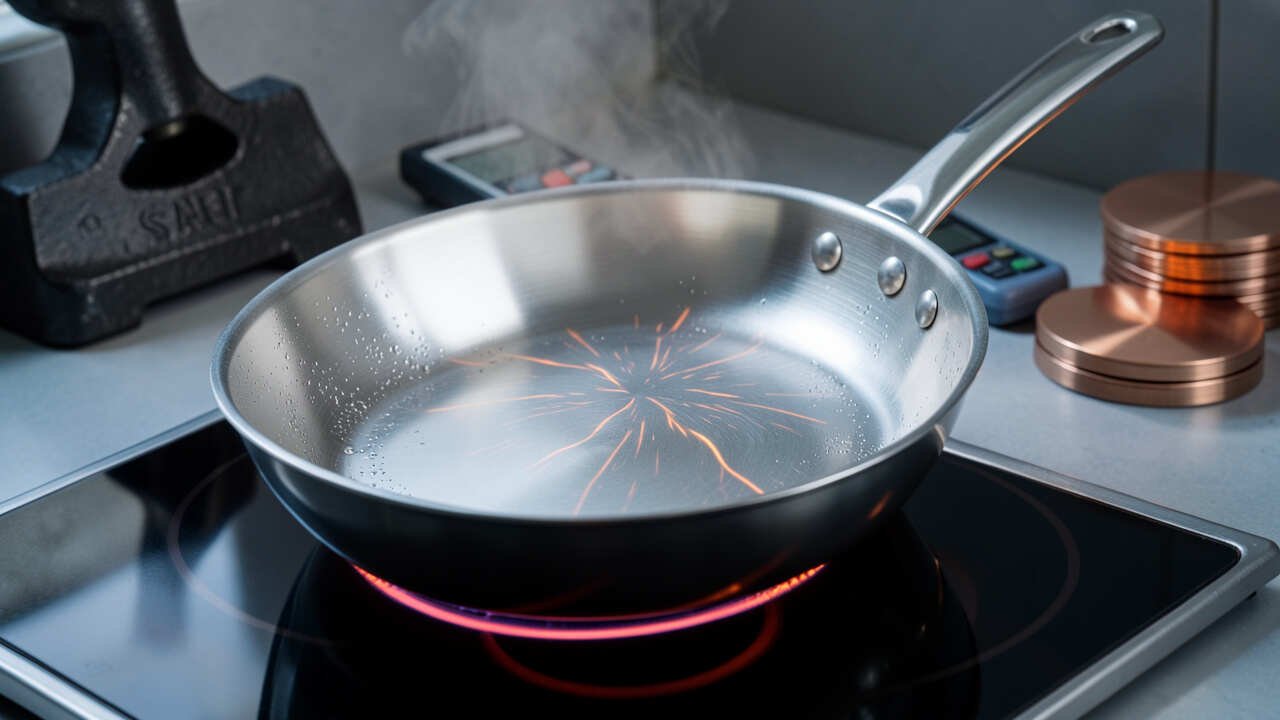
Why Your Frying Pan Warps And How To Prevent It Long-Term
At a Glance Thermal shock from sudden temperature changes is the primary cause of frying pan warping, but selecting thick, multi-ply cookware and avoiding drastic heat shifts can keep pans flat for years. Using a burner that matches the pan's diameter prevents uneven heating that creates stress points, while never quenching a hot pan with…