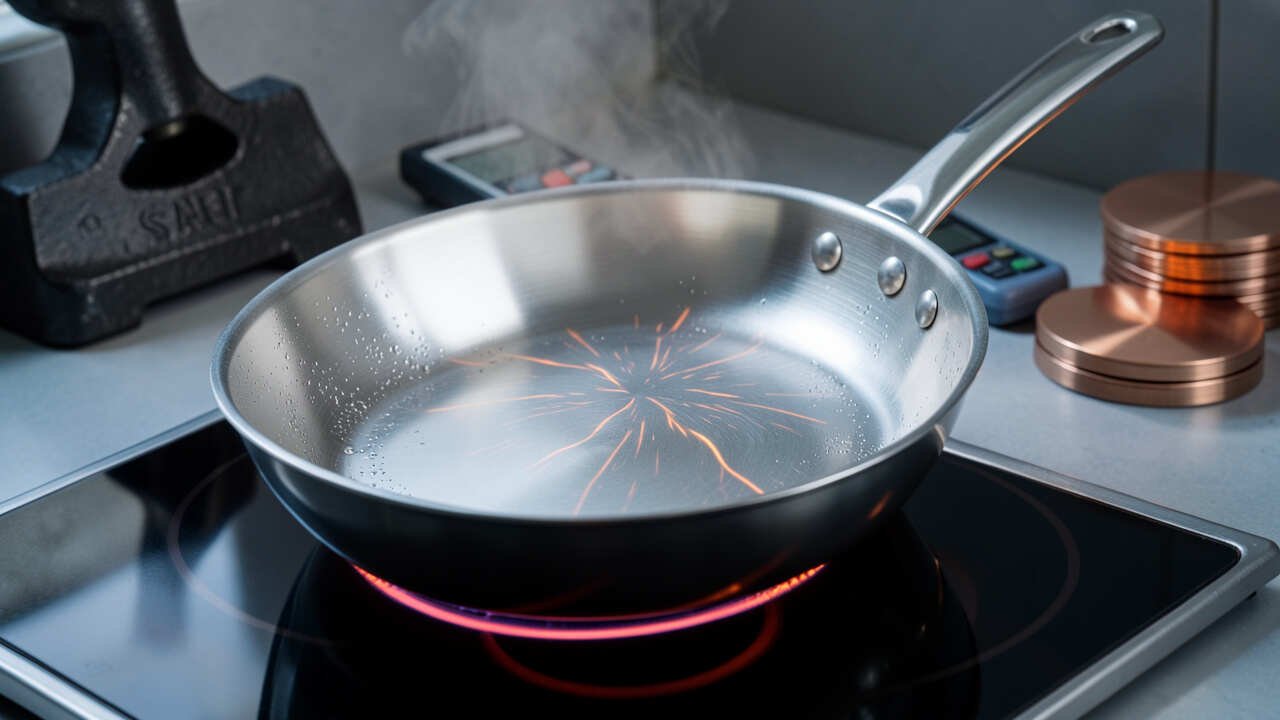
Thermal shock from sudden temperature changes is the primary cause of frying pan warping, but selecting thick, multi-ply cookware and avoiding drastic heat shifts can keep pans flat for years. Using a burner that matches the pan’s diameter prevents uneven heating that creates stress points, while never quenching a hot pan with cold water eliminates the most common warping trigger. Adopting these habits, along with careful storage using pan protectors, ensures long-term flatness and even cooking performance.
You buy a good frying pan, use it with care, and then one day you notice it wobbles on the stove. That wobble means the pan has bent out of shape. This happens to many cooks, and it can ruin your cooking.
Uneven heat leads to burnt spots and raw zones. The good news is that Why Your Frying Pan Warps and How to Prevent It Long-Term comes down to a few simple habits. This article shows you the real causes of warping and gives you clear steps to keep your pans flat for years.
You will learn what to do and what to avoid so your cookware stays reliable.
Key Takeaways
- Thermal shock is the main reason pans warp when sudden temperature changes hit the metal.
- Thin pans with single layers of metal are far more likely to bend than thick multi-layer pans.
- Cooling a hot pan under water is one of the fastest ways to ruin a flat cooking surface.
- Using the right burner size for your pan helps distribute heat evenly and prevents stress points.
- Storing pans with care by stacking them with protectors keeps them from getting bent or dented.
- Choosing the right pan material like tri-ply or heavy-gauge steel makes a big difference in long-term flatness.
What Actually Makes a Frying Pan Warp
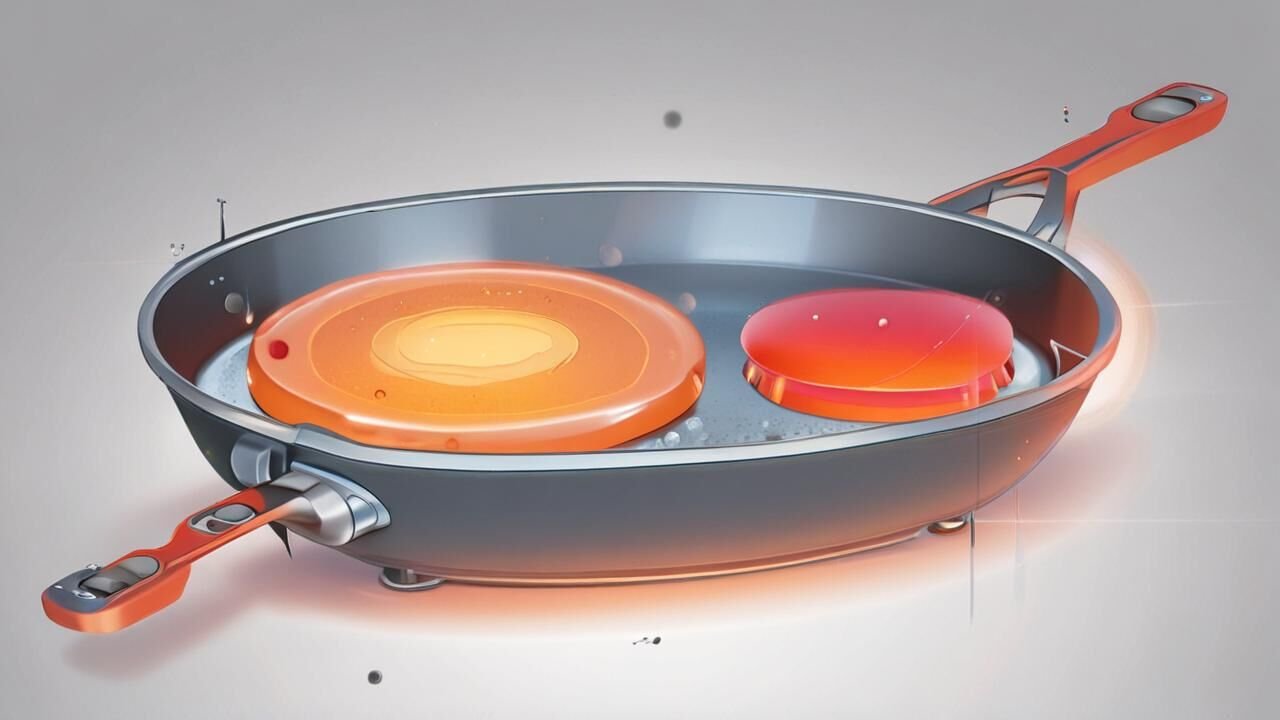
Metal expands when it gets hot and contracts when it cools down. That is normal. But when different parts of the pan heat up or cool down at very different speeds, the metal has no room to move evenly.
This uneven expansion causes the pan to bend and twist out of shape.
The most common trigger is thermal shock. Thermal shock happens when you take a hot pan and place it under cold water or on a cold surface. The sudden change in temperature makes one part of the pan shrink fast while another part stays expanded.
The result is a warped bottom that will never sit flat again.
Another factor is overheating. When you heat a pan on high for too long, the metal can lose its original structure. Some metals like aluminum are softer and more prone to warping when overheated repeatedly.
Stainless steel is stronger but can still bend if enough force or uneven heat is applied.
How Pan Thickness Plays a Role
Thicker pans resist warping much better than thin ones. A pan with a heavy bottom has more metal mass to absorb and spread heat. This reduces the chance of hot spots that cause uneven expansion.
Thin pans heat up quickly but also cool down fast, which makes them more vulnerable to sudden temperature shifts.
Multi-layer pans, often called tri-ply or clad pans, combine different metals. They usually have an aluminum core sandwiched between stainless steel layers. Aluminum spreads heat fast and evenly, while stainless steel adds strength and durability.
This layered construction helps prevent warping because the metals balance each other out.
Single-layer pans, especially thin aluminum or cheap stainless steel, are the most likely to warp. They lack the structural support that thicker or layered pans offer. If you want to avoid warping long term, choosing a pan with a thicker bottom is one of the best decisions you can make.
Quick Comparison of Pan Types and Warp Risk
Common Daily Mistakes That Lead to a Warped Pan
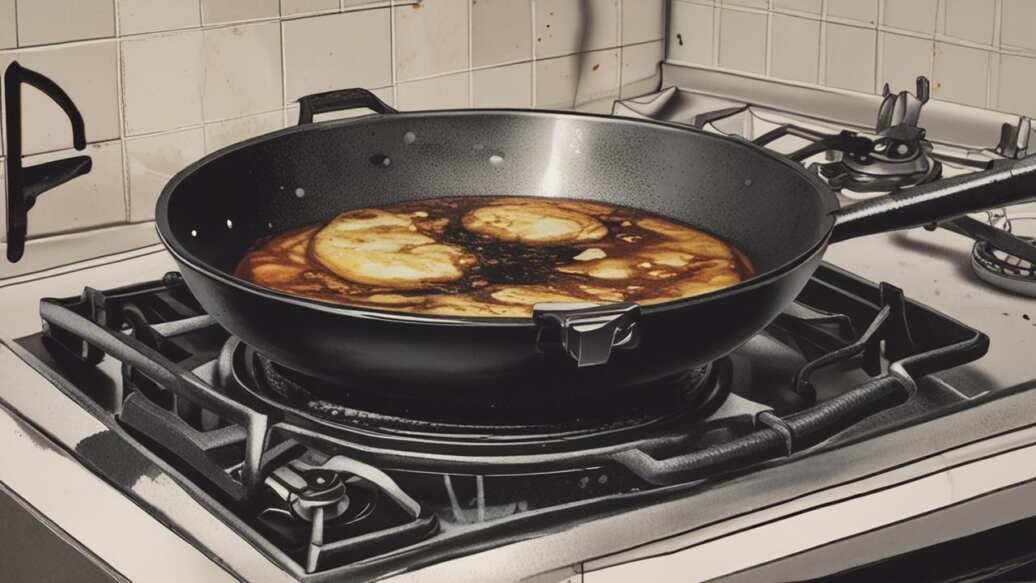
A lot of warping happens because of habits that seem harmless. You might think you are saving time by cooling a pan fast, but that quick cool-down is exactly what bends the metal. Here are the most common mistakes cooks make.
- Running cold water on a hot pan is the number one cause of warping. The instant temperature drop creates a shock that bends the bottom.
- Placing a hot pan on a cold counter does the same damage. Granite, marble, or quartz countertops pull heat out of the pan very fast.
- Using high heat all the time stresses the metal. High heat is rarely needed for everyday cooking and it weakens the pan over time.
- Using a burner that is too small for the pan concentrates heat in one spot. The center gets hot while the edges stay cool, causing the pan to buckle.
- Stacking pans without protection can dent or bend the bottom of the pan below. Heavy pans sitting on top of lighter ones put pressure on the surface.
- Dropping a pan on a hard floor can bend the rim or bottom. Even a short fall can cause permanent damage.
Why Small Burners Are a Big Problem
When you use a small burner with a large pan, only the center of the pan gets hot. The outer edges remain much cooler. This creates a big temperature difference across the pan.
The hot center expands while the cooler edges resist that expansion. The metal has to go somewhere, so it pushes up and warps.
The fix is simple. Match the pan size to the burner size as much as possible. If the pan is larger than the burner, preheat it slowly on medium heat so the heat has time to spread to the edges.
Do not rush the heating process.
The Danger of Cold Liquid in a Hot Pan
Adding cold liquid to a hot pan is another common cause of warping. When you deglaze a pan with cold wine or broth, the cold liquid hits the hot surface and causes one area to cool rapidly. This sudden change can make the pan bottom buckle instantly.
To avoid this, let your liquid come to room temperature before adding it to a hot pan. Or pour it in slowly and stir as you go. This allows the temperature to change gradually instead of all at once.
Best Ways to Prevent Pan Warping Long Term
Preventing warping is not hard once you know the rules. These habits will keep your pans flat and working well for many years.
First, always let your pan cool down naturally. After cooking, set the pan on a trivet or a heat-safe surface and let it come to room temperature on its own. Do not put it in the sink or run water on it.
Patience here saves your pan.
Second, preheat your pan gradually. Start on low or medium heat and let the pan warm up for a couple of minutes before turning the heat higher if needed. This allows the metal to expand evenly across the whole surface.
Third, use the correct burner size. A pan that is roughly the same diameter as the burner will heat more evenly. If you must use a small burner with a large pan, keep the heat low and give the pan extra time to warm up.
Fourth, avoid cooking on high heat unless you are boiling water or searing something quickly. Most cooking happens just fine on medium or medium-high heat. High heat puts unnecessary stress on the metal.
Fifth, store your pans carefully. If you stack them, place a paper towel, felt pad, or pan protector between each one. This prevents the bottom of one pan from pressing into the cooking surface of another.
Hang pans if you have space, as that removes all stacking pressure.
Sixth, choose quality pans from the start. Tri-ply stainless steel, heavy cast iron, or thick carbon steel pans are much less likely to warp than thin, cheap pans. Spending a little more upfront saves you the cost of replacing warped pans later.
How to Check if Your Pan Is Already Warped
You can test your pan with a simple method. Place the pan on a flat, level surface like a countertop or stovetop grate. Try to rock the pan from corner to corner.
If it wobbles or spins, the bottom is no longer flat.
Another test is to put a little oil in the pan and heat it. If the oil pools to one side instead of spreading evenly, the pan has a low spot. This means heat will be uneven, and your food will not cook consistently.
If your pan is only slightly warped, you may still be able to use it. But the wobble will get worse over time. For best results, replace pans that rock noticeably or show visible gaps on a flat surface. Understanding the thermal expansion of metals helps explain why pans warp.
What to Do With a Pan That Has Already Warped
Once a pan is warped, it is very hard to fix at home. Some people try to hammer the bottom flat or use a mallet. This usually makes things worse.
The metal becomes work-hardened and more brittle, and it may crack.
If the pan is expensive and high quality, you can contact the manufacturer. Some brands offer repair services or
For budget pans,
How to Choose a Warp-Resistant Pan for the Future
When you buy your next pan, look for these features to Why Your Frying Pan Warps and How to Prevent It Long-Term matter most in your purchase decision. When selecting a new pan, consider the different types of frying pans and their construction.
- Thick base of at least 3 mm. Thicker means more stability and less chance of bending.
- Multi-layer construction like tri-ply or five-ply. These layers distribute heat and reduce stress.
- Flat bottom design designed for electric or induction cooktops. Some pans are made specifically for flat surfaces.
- Reputable brand known for quality control. Brands like All-Clad, Calphalon, and Demeyere have strong reputations.
- Dishwasher safe does not matter for warping, but avoid pans that say do not use on high heat.
Read reviews and check return policies. A good cookware set is an investment that pays off when you do not have to replace pans every year. Always follow cookware safety guidelines to ensure your pans are used correctly.
Frequently Asked Questions
Can a warped pan be fixed at home?
Most warped pans cannot be fixed at home. Hammering or pressing the metal usually makes the problem worse and can cause cracks.
Does the type of stove affect pan warping?
Yes. Induction cooktops create very concentrated heat, which can cause warping if you heat the pan on high too quickly. Electric and gas stoves heat more gradually, but any stove can warp a pan if you misuse it.
Is it safe to cook with a warped pan?
It is safe but not ideal. A warped pan heats unevenly, which can lead to burnt food or undercooked spots. The wobble can also be annoying and dangerous on a flat cooktop.
What pan material resists warping the best?
Cast iron resists warping very well due to its thickness and weight. Tri-ply stainless steel with an aluminum core is also highly resistant. Thin aluminum and single-layer stainless steel are the most prone to warping.
Why does Why Your Frying Pan Warps and How to Prevent It Long-Term matter more for induction cooktops?

Final Thoughts
Warping happens when uneven heat or sudden temperature shocks stress the metal. Prevent it by preheating gradually, never shocking a hot pan with cold water, and matching heat levels to your pan’s material. Proper storage-like avoiding stacking heavy pans-also keeps your cookware flat for years.

Leave a Reply