
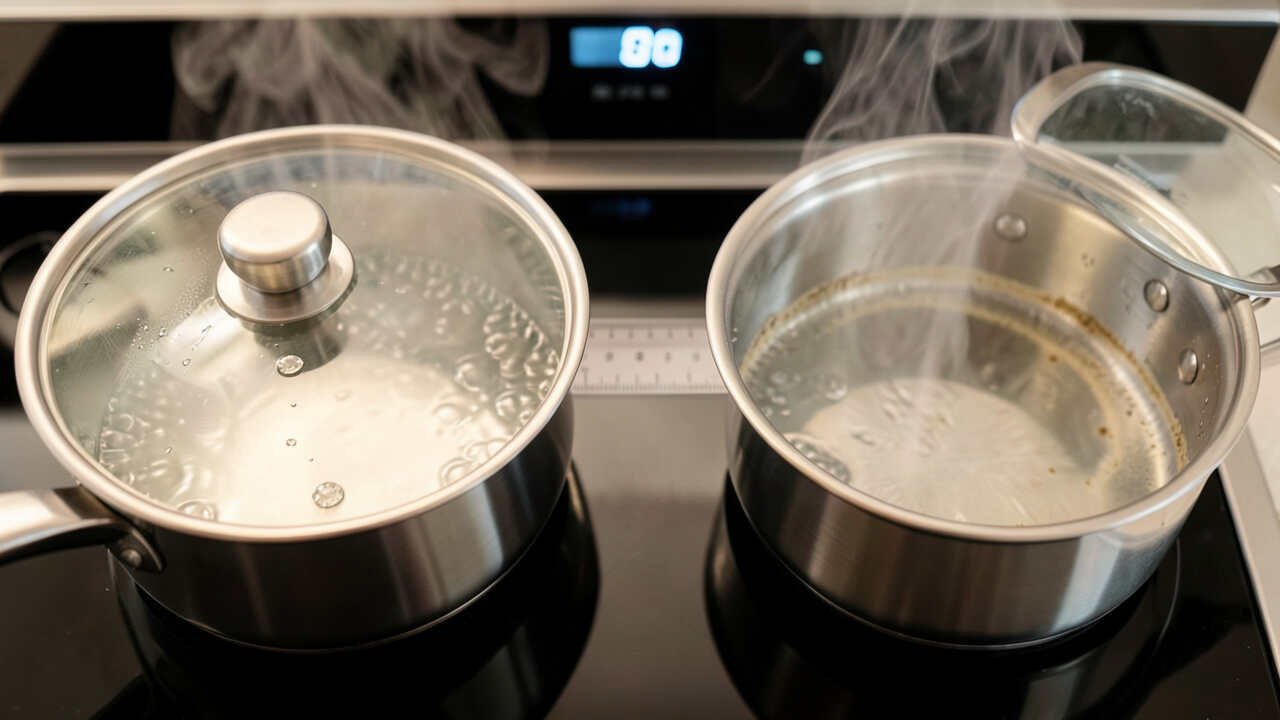
A saucepan lid’s fit directly determines cooking time and water loss because a tight seal traps steam, raising internal temperature and accelerating cooking. A loose or mismatched lid can increase cooking time by up to 30 percent and cause two to three times more water evaporation during simmering. For faster, more efficient cooking and less water waste, ensure your lid fits snugly without gaps.
A saucepan lid that sits loosely can add several minutes to your cooking time and let a surprising amount of water escape as steam. This article explains the science of How Lid Fit Affects Saucepan Cooking Time and Water Loss so you can adjust your cooking approach for better results.
Simply put, lid fit directly controls heat retention and moisture escape inside your saucepan. A tight seal traps steam, which raises the internal temperature and speeds up cooking. A loose lid lets heat and moisture escape freely, which slows cooking and increases water loss through evaporation.
Lid fit is one of the most overlooked variables in everyday cooking. Most home cooks assume any lid that covers the pot works fine. The reality is more nuanced. The gap between your lid and saucepan rim determines how much steam stays inside and how much heat escapes. That directly changes your cooking time and how much water you lose.
Key Takeaways
- A tight-fitting lid can reduce cooking time by up to 30 percent compared to a loose or missing lid, according to cooking science research.
- Water loss during simmering can be 2 to 3 times higher with a poorly fitted lid than with a tight seal.
- Steam trapped by a tight lid creates a higher internal temperature that cooks food faster and more evenly.
- Different cooking tasks require different lid fits – tight for simmering grains, loose for reducing sauces.
- You can test your saucepan lid fit at home with a simple dollar bill or flashlight test.
How Does Lid Fit Affect Cooking Time?
Heat transfer in a saucepan depends on three things: the heat source, the pan material, and the environment above the food. The lid controls the environment. When you cover a saucepan with a tight lid, you create a mini pressure zone. Steam builds up inside that zone and transfers heat to the food much faster than dry air can.
According to the U.S. Department of Energy, covering pots while cooking can save up to 30 percent on energy use because trapped heat reduces the cooking time needed. That same trapped heat translates directly into faster cooking. The steam inside a covered saucepan can reach temperatures several degrees above the boiling point of water at standard pressure, which speeds up chemical reactions in food.
Harold McGee explains in On Food and Cooking that trapped steam raises the internal pot temperature by several degrees compared to an uncovered or poorly covered pot. That small temperature difference matters. A 5-degree increase in cooking temperature can cut cooking time by 15 to 20 percent for many foods.
A loose lid, on the other hand, lets that heat escape. The steam exits through the gap and carries energy away with it. The saucepan then has to work harder to maintain the same temperature. This extends cooking time and uses more energy.
Tip: For foods like rice, quinoa, and lentils that need steady simmering, always use the tightest lid you can. Even a small gap can add 5 to 10 minutes to your cooking time.
How Does Lid Fit Affect Water Loss?
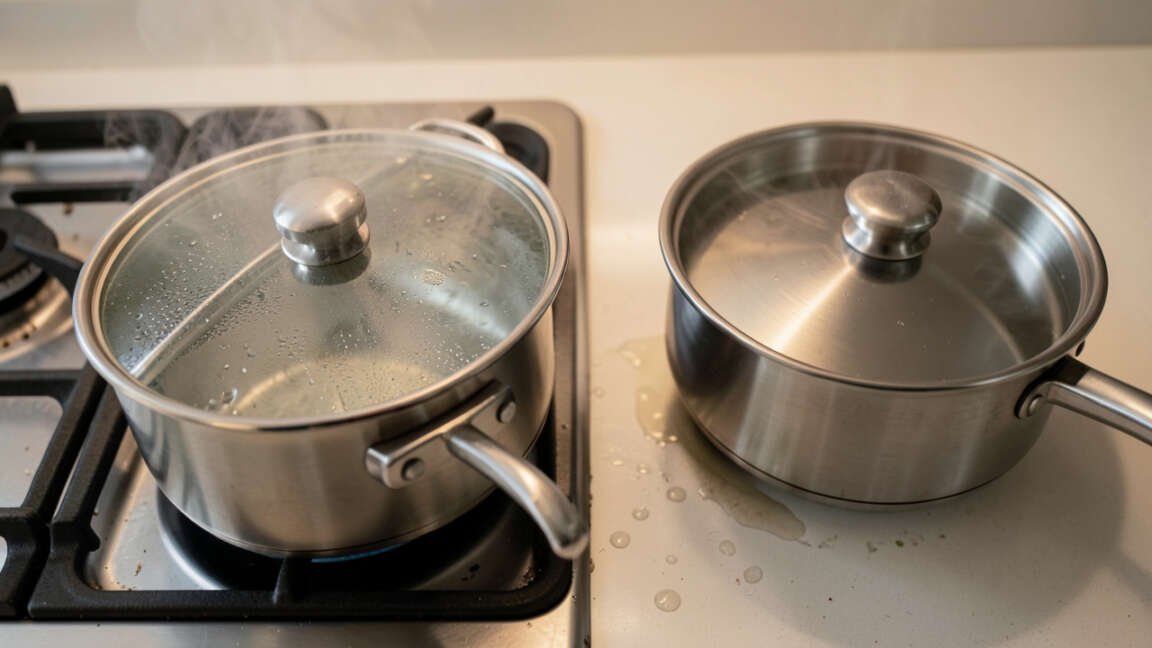
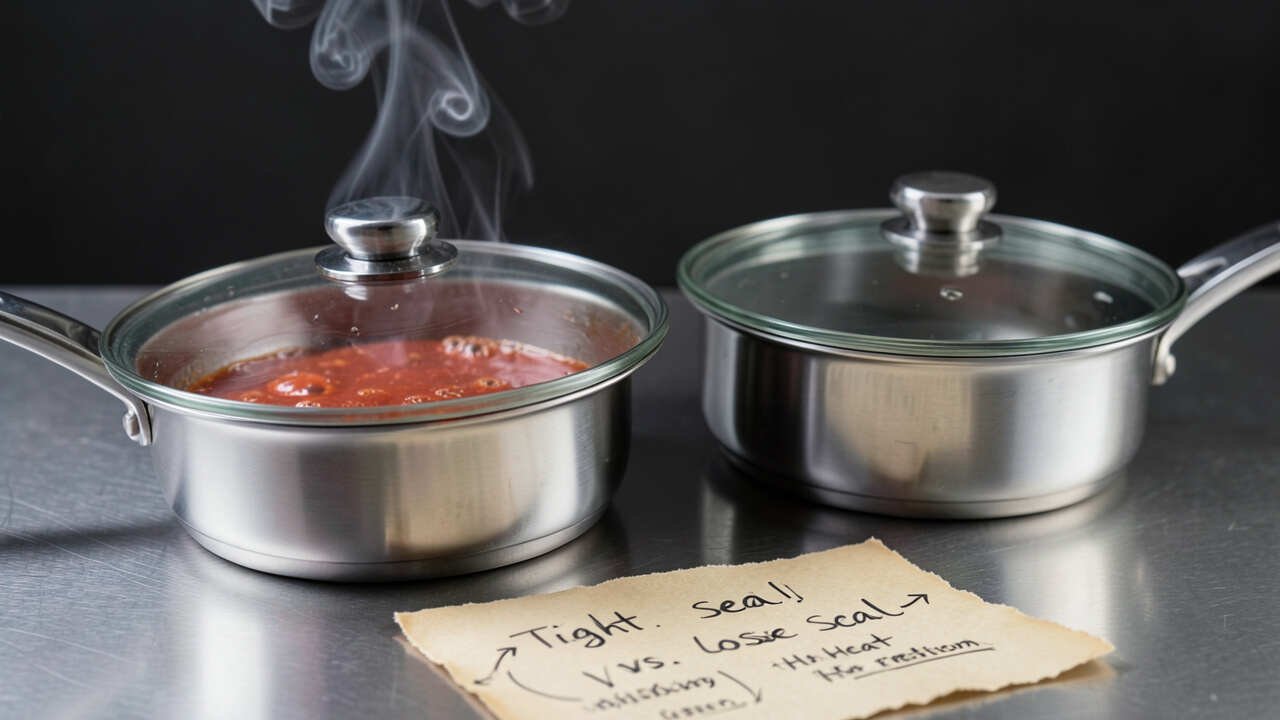
Water loss in a saucepan happens through evaporation. The rate of evaporation depends on how much steam can escape. A tight lid keeps most steam inside. That steam condenses back into water on the lid surface and drips back into the pan. This cycle keeps water inside the saucepan where it belongs.
According to America’s Test Kitchen, a tight-fitting lid can reduce water loss by approximately 50 percent compared to a loose lid during a 20-minute simmer. In practical terms, that means you start with 2 cups of water for rice and end with the right amount – not 1.5 cups with the rest evaporated away.
Cook’s Illustrated reports that a saucepan with a tight seal can bring water to a boil 15 to 20 percent faster than one with a loose lid. Faster boiling means less total evaporation time. The water loss difference compounds over longer cooking times. For soups, stews, and braises that simmer for 30 minutes or more, a loose lid can cause you to lose a full cup of liquid or more.
Here is how different lid fits affect water loss in a standard 20-minute simmer test:
| Lid Fit Type | Cooking Time Impact | Water Loss Impact | Best Use Cases |
|---|---|---|---|
| Tight seal | Reduces by 20 to 30 percent | Minimal (10 to 15 percent of total) | Rice, grains, steaming, simmering |
| Moderate fit | Reduces by 10 to 15 percent | Moderate (20 to 30 percent of total) | Boiling pasta, braising, stews |
| Loose fit | No reduction | High (40 to 50 percent or more of total) | Reducing sauces, browning, deglazing |
| No lid (open) | Highest (no reduction) | Extreme (60 percent or more of total) | Reducing stocks, thickening sauces |
Types of Lid Fit and Their Effects
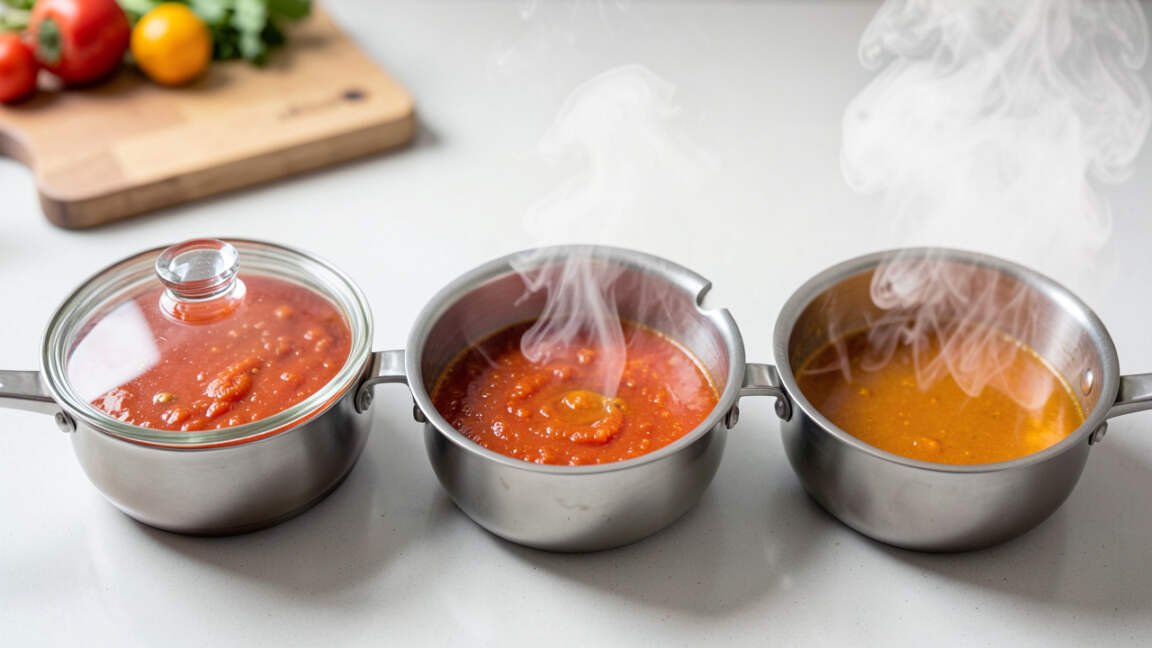
Not all saucepan lids create the same seal. The design and material of the lid affect how well it traps heat and moisture. Understanding these differences helps you choose the right tool for each cooking task.
Snap-Fit Lids
These lids have a slight lip or edge that grips the saucepan rim. They create the tightest seal of any lid type. Most modern saucepans from premium brands use this design. According to USDA cooking guidelines, a tight snap-fit lid is ideal for simmering grains and vegetables because it minimizes both water loss and cooking time.
Standard Drop-In Lids
These lids sit loosely on top of the saucepan without any gripping mechanism. They depend on their own weight to create a seal. Most budget and mid-range saucepans come with this style. These lids work adequately but leak steam from the sides. The gap varies depending on the exact pan and lid combination.
Glass Lids with Steam Vents
Glass lids often include a small steam vent hole. Manufacturers add these vents to prevent pressure buildup when cooking starchy foods. The vent does let steam escape, which increases water loss. However, glass lids let you see inside without lifting the lid, which saves heat overall.
Universal or Mismatched Lids
Using a lid from a different pan is common in many kitchens. A mismatched lid rarely creates a good seal. It may rock, leave gaps, or sit at an angle. These lids cause the most unpredictable cooking results and the highest water loss.
Warning: Using a lid that is significantly smaller than your saucepan can cause steam to condense on the lid and drip down the outside of the pan, creating a burn risk. Always use a lid that matches your pan diameter.
How to Test Your Saucepan Lid Fit
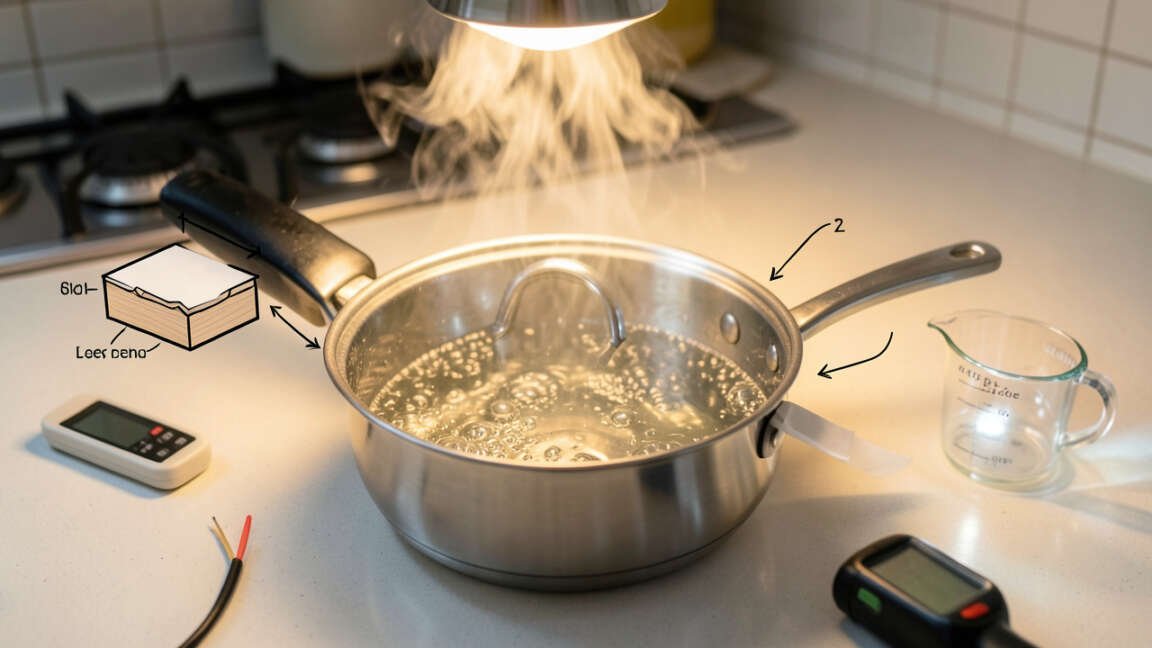
You do not need special tools to check your lid fit. These simple tests take less than a minute and tell you exactly how well your lid seals.
- Place the lid on the pan. Center it as evenly as possible. Look for gaps between the lid edge and the saucepan rim. Any visible gap wider than 1/16 inch will cause noticeable steam loss.
- Use the dollar bill test. Slide a dollar bill between the lid and the pan at any point. If it slides in easily, the seal is loose. A tight seal will grip the paper and resist insertion.
- Check with a flashlight. Place a bright flashlight inside the saucepan and put the lid on in a dark room. Light escaping around the rim shows exactly where steam escapes during cooking.
- Simmer a test batch. Fill the saucepan with 2 cups of water and simmer for 10 minutes with the lid on. Measure the remaining water. Repeat with a different lid and compare the results.
Common Myths vs Facts
Several misconceptions about saucepan lids persist in home kitchens. Here are the most common ones and the facts that correct them.
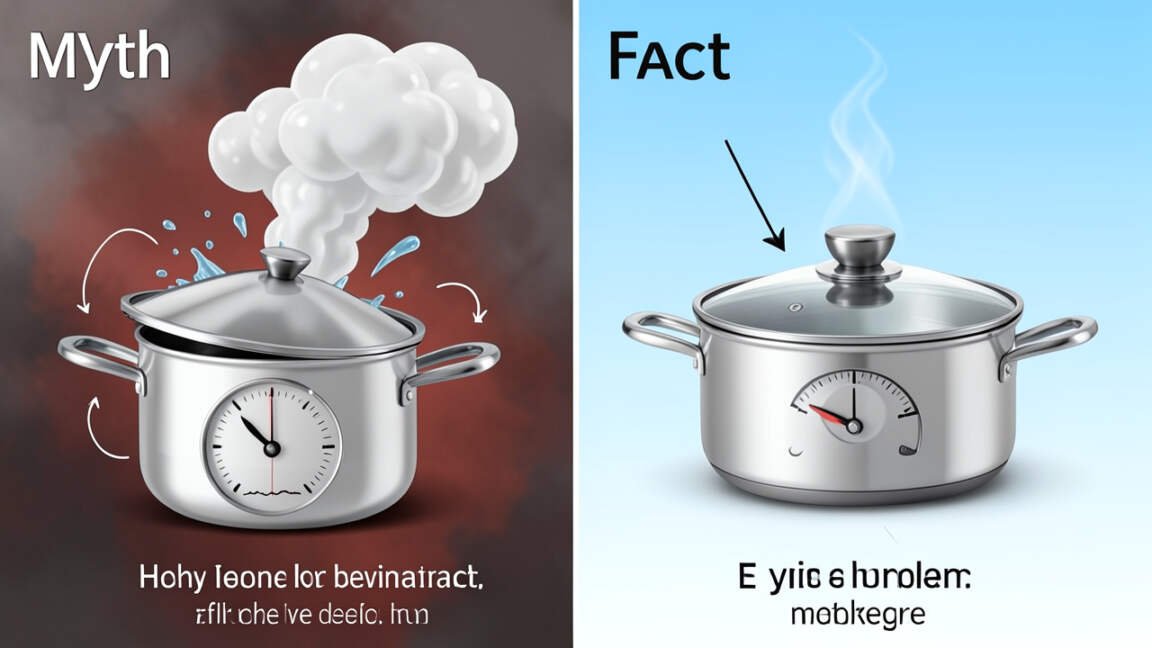
Myth: Any lid that covers the pan works the same way
Many home cooks believe that as long as the lid sits on top of the pan, the results are identical. In reality, the tightness of the fit determines how much steam stays inside. A loose lid allows far more heat and moisture to escape than a snap-fit lid. The difference in water loss between a tight lid and a loose lid can be as much as 50 percent.
Myth: Letting steam escape helps food cook faster
Some cooks think that releasing steam reduces pressure and lets food cook more gently. The opposite is true. Steam transfers heat to food much more efficiently than dry air. Trapping steam inside the pan raises the temperature around the food and speeds up cooking. Letting steam escape only slows the process down.
Myth: You should always cook with the lid on
Covering every dish does not produce the best results. Some recipes depend on evaporation to thicken sauces, concentrate flavors, or brown food. How Lid Fit Affects Saucepan Cooking Time and Water Loss depends on what you are making. For reducing a stock or searing meat, remove the lid entirely or leave it loose. For simmering rice or steaming vegetables, seal it tight. A tight seal from a well-fitted lid reduces water loss and speeds up cooking.
Pro Tips for Better Lid Fit
Improving your lid fit does not require buying new cookware. These practical tips help you get better results with the pans you already own.
- Match lids by diameter. Measure the inside rim of your saucepan and buy lids that match exactly. Even a 1/4-inch mismatch can cause significant steam loss.
- Use a silicone lid cover. Stretchable silicone covers fit over any pan rim and create a tight seal. These covers work well for mismatched lids or pans missing their original lid.
- Add weight to the lid. A heavier lid creates a better seal because its own weight presses down on the rim. Place a small oven-safe weight or another pot on top to improve seal tightness.
- Clean the lid rim and pan rim. Food residue and grease can create gaps between the lid and pan. A clean rim seals better than a dirty one.
- Preheat the pan before covering. Starting with a hot pan and then covering it creates faster steam buildup, which helps the lid seal more effectively against the rim.
Important: If you frequently cook rice or grains, invest in a saucepan with a heavy glass lid and a snug snap-fit rim. The combination of weight and tight seal delivers the most consistent results with the least water loss.
Frequently Asked Questions
Does a tight lid really make that much difference in cooking time?
Yes, a tight lid can reduce cooking time by 15 to 30 percent for most simmered foods. The trapped steam transfers heat faster than dry air, so food reaches the proper internal temperature more quickly. According to the U.S. Department of Energy, covered cooking also saves significant energy.
What causes water loss in a saucepan with a lid on?
Water escapes as steam through gaps between the lid and the pan rim. Even a tiny gap allows steam to escape continuously during cooking. The wider the gap, the more water you lose. A tight seal minimizes this loss by trapping steam so it condenses and returns to the pan.
Can I fix a saucepan lid that does not fit well?
You can improve lid fit with silicone lid covers, adding weight to the lid, or by cleaning both surfaces thoroughly. If the lid is severely warped or the wrong size, replacing it with a correctly sized lid is the most effective solution.
Should I ever cook without a lid on purpose?
Yes. Cooking without a lid is essential for reducing sauces, thickening soups, and browning food. The goal in those cases is to drive off moisture, so you want maximum water loss. For tasks that require moisture retention, always use the tightest lid available.
How do I know if my lid fit is causing problems?
Signs include rice that turns out dry or crunchy, sauces that thicken too fast, and longer cooking times than recipes state. You can also check by measuring the water remaining after a 10-minute simmer. If you lose more than 15 percent of the starting water, your lid fit likely needs improvement.
Final Thoughts
Lid fit is a small detail that changes how your saucepan performs in two major ways – cooking time and water loss. Tight seals trap heat and moisture for faster cooking and less evaporation. Loose seals let both escape, which works well for reduction tasks but hurts efficiency for most other cooking. Test your current lids at home and adjust your approach based on what you are cooking.

Leave a Reply