
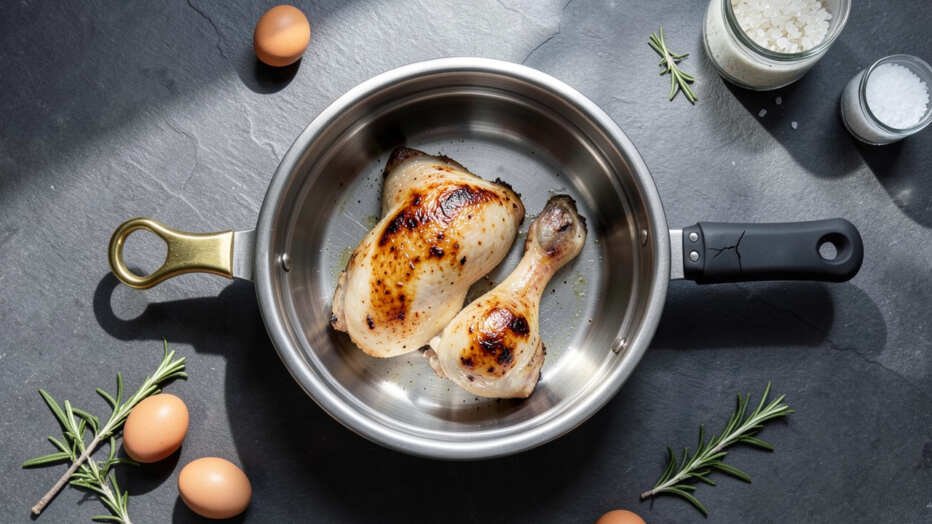
The right handle type for oven-to-stovetop pan use depends on balancing heat tolerance and grip comfort, with stainless steel and integrated cast iron handles being the most reliable for high oven temperatures. Silicone-covered handles offer good grip and moderate heat protection but have temperature limits around 400°F, while plastic and wood handles should be avoided for oven use as they can melt or crack. Understanding these material differences helps cooks choose a handle that prevents burns and maintains safe handling during transfer from stovetop to oven.
Picking a pan for both oven and stovetop use can feel confusing. The handle is a big part of that choice. In this post, you will learn about The Right Handle Type for Oven-to-Stovetop Pan Use Today and how to pick one that stays safe, cool, and comfortable.
This helps you cook with confidence and avoid burns.
Key Takeaways
- Stainless steel handles are oven-safe and durable but get very hot during stovetop use.
- Silicone-covered handles offer good grip and heat protection but have temperature limits.
- Plastic and wood handles are not safe for high oven temperatures and can melt or crack.
- Cast iron pans with integrated handles are a reliable choice for both oven and stovetop cooking.
- Removable handles give you flexibility but must be rated for the oven temperature you plan to use.
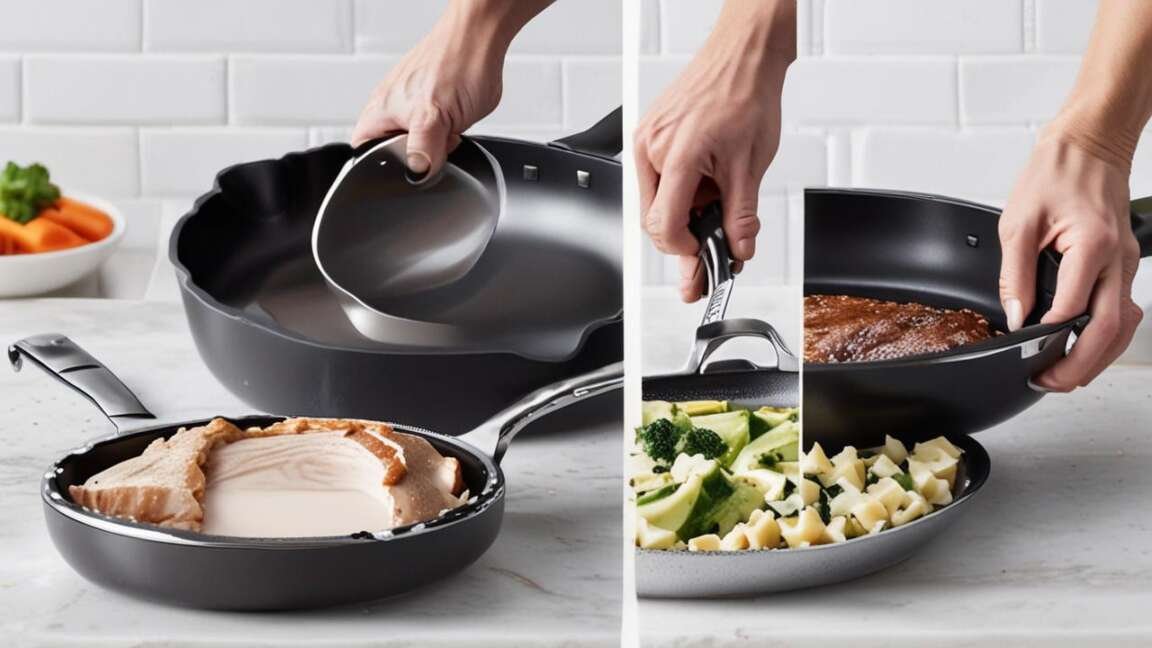
Why the Handle Type Matters for Oven-to-Stovetop Pans
When you cook on the stovetop and then move the pan to the oven, the handle faces extreme heat changes. A handle that works on the stove may fail in a hot oven. This can lead to burns, damaged cookware, or even fires.
Choosing The Right Handle Type for Oven-to-Stovetop Pan Use Today keeps your cooking safe and your pan long-lasting.
Heat Exposure Differences
Stovetop use heats the pan body and handle quickly. Oven use surrounds the whole pan with high heat. Handles that are okay for stovetop may not handle oven temperatures above 350°F.
Plastic handles often melt. Wood handles can crack or char. You need a handle material that stands up to both cooking methods.
Safety and Grip Considerations
A good handle stays cool enough to touch without a potholder. It also offers a solid grip so the pan does not slip. Handles that are too short or poorly shaped can make lifting a heavy pan dangerous.
The right handle balances heat resistance, comfort, and control.
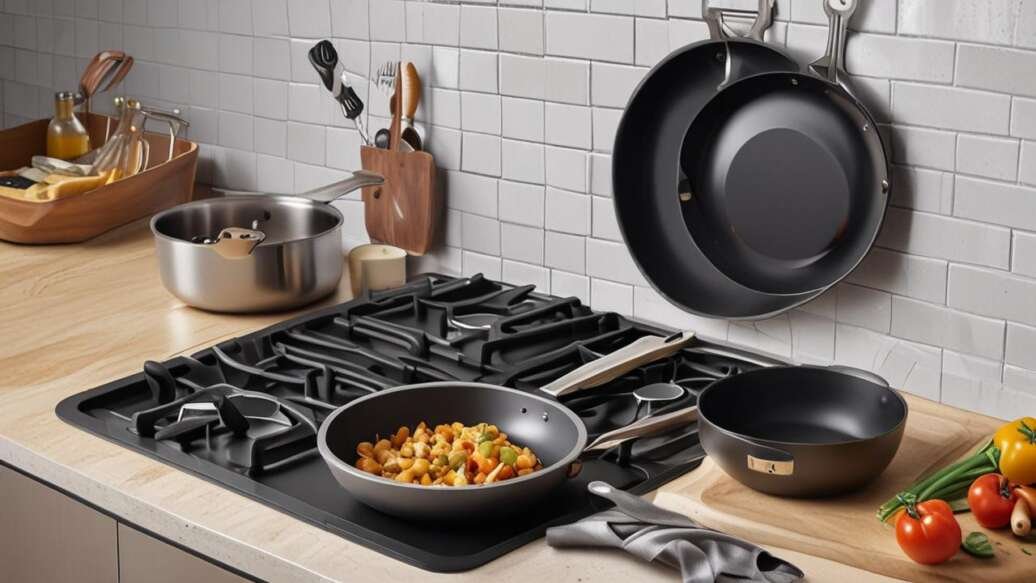
Common Handle Materials for Oven and Stovetop Pans
Different materials offer different pros and cons. Here is a look at the most common options.
Stainless Steel Handles
Stainless steel handles are common on many pans. They can handle high oven temperatures, often up to 500°F or more. They are strong and last a long time.
The downside is they get very hot on the stovetop. You usually need a potholder or oven mitt to touch them. Some stainless handles have a brushed finish for better grip, but they still heat up fast.
Silicone-Covered Handles
Silicone covers on metal handles add a soft, non-slip surface. They stay cooler during stovetop use, often up to about 400°F. But silicone can degrade at higher temperatures.
Check the manufacturer’s rating. Some silicone handles are removable, which lets you use the bare metal handle in the oven. This gives you flexibility but adds a step.
Plastic and Nylon Handles
Plastic or nylon handles are common on non-stick pans. They stay cool on the stovetop but are not safe for oven use. Most plastic handles cannot withstand temperatures above 350°F.
Prolonged oven heat can make them warp, melt, or release fumes. If you plan to use a pan in the oven, avoid plastic handles.
Wood Handles
Wood handles look nice and stay cool on the stovetop. But they are not suitable for oven use. Wood can dry out, crack, or catch fire at temperatures above 350°F.
Some specialty pans have wood handles that are removable. If you must use a wood handle in the oven, keep it below 300°F and monitor it closely.
Cast Iron Handles (Integrated)
Cast iron pans come with handles made of the same metal. They can handle any oven temperature you would normally use. The handle gets very hot, so you always need a mitt.
Cast iron is heavy but extremely durable. It is a classic choice for oven-to-stovetop cooking.
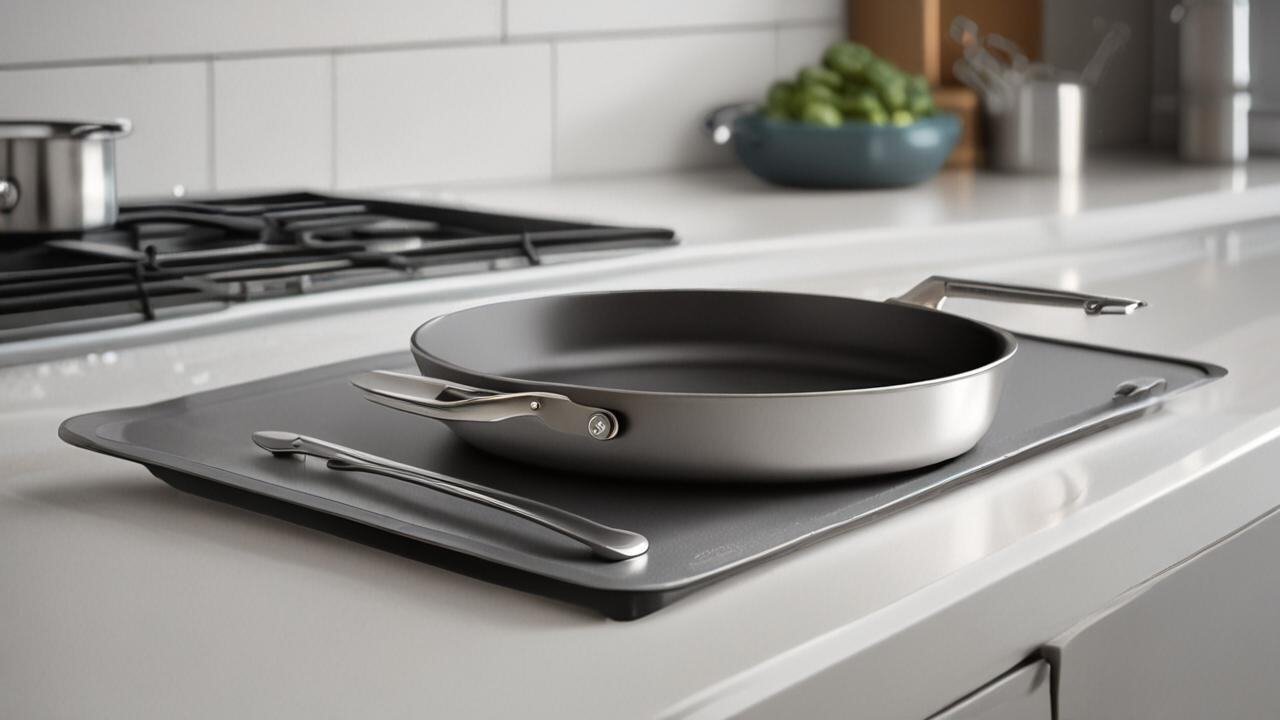
Comparison Table of Handle Materials
How to Choose The Right Handle Type for Oven-to-Stovetop Pan Use Today
Picking the best handle depends on how you cook. First, look at the highest oven temperature you will use. If you often bake at 425°F or higher, avoid silicone and plastic.
Choose stainless steel or cast iron. Second, think about how you lift the pan. Do you prefer a handle that stays cool without a mitt?
Then a silicone-covered handle is helpful, but check its oven rating.
Consider Pan Weight and Size
Heavy pans need sturdy handles. Lightweight pans can use thinner handles. A long handle gives better leverage but may get hotter.
A short handle is easier to store but harder to balance when the pan is full. Match the handle length to your cooking habits.
Removable Handle Options
Some pans come with a removable handle that snaps on and off. This lets you use the pan on the stovetop with a cool grip, then remove the handle for oven use. The handle must be rated for stovetop heat, and the pan body must have a safe oven method (like a second small handle or a rim).
This option is growing in popularity because it solves the heat problem.
Pros of Removable Handles
- Cool grip during stovetop cooking
- Space-saving storage without the handle
- Oven-safe pan without plastic parts
Cons of Removable Handles
- Locking mechanism can wear out over time
- Extra cost for the handle system
- Not all brands offer high-temperature ratings
Testing the Handle Before You Buy
When shopping, pick up the pan and feel the handle. Does it feel secure? Is the attachment strong?
Look for riveted handles rather than welded or screwed ones. Rivets hold better under high heat. Check the manufacturer’s specs for maximum oven temperature.
Do not rely on guesswork. A note on the box or the website will tell you.
Check for Heat Shield or Hollow Core
Some stainless steel handles have a hollow core or a heat shield. This design keeps the handle cooler for a longer time. It does not make it safe to touch without a mitt, but it delays heat transfer.
Look for pans with this feature if you often use high heat.
Practical Tips for Daily Use
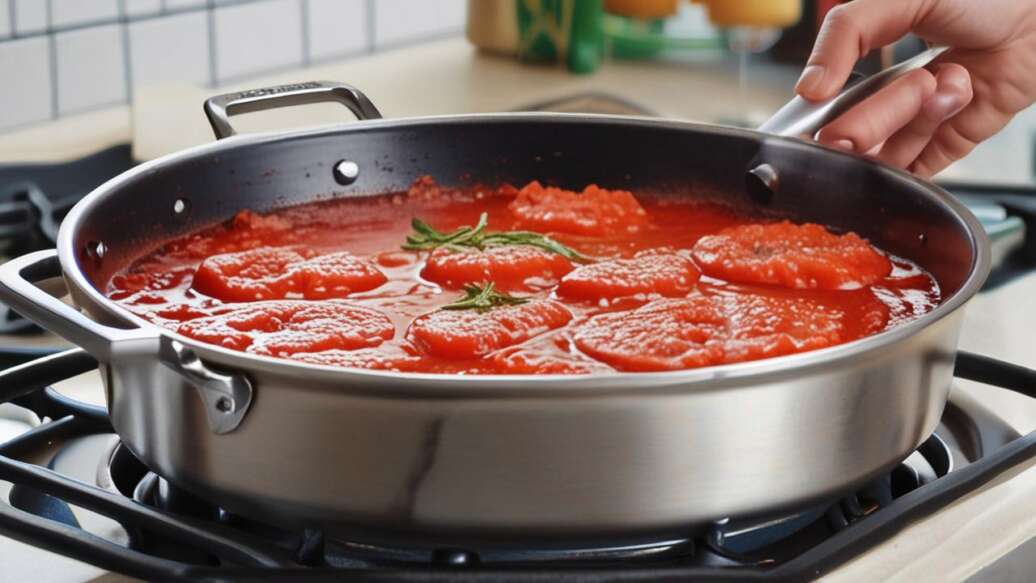
First, always use a potholder or oven mitt when moving a hot pan, even if the handle feels cool. Second, avoid sudden temperature changes. Do not put a hot pan under cold water to cool it; this can damage the handle joint. Always follow official kitchen safety guidelines on oven mitt and potholder use when handling hot pans.
Next, clean handles properly. Grease buildup can catch fire at high oven temperatures. Wipe handles after each use.
Then, store pans so handles do not get bent or twisted. A bent handle will not attach to the pan securely. Finally, replace any pan that shows cracks in the handle or loose rivets.
Safety comes first.
Frequently Asked Questions
Can I use a pan with a plastic handle in the oven?
No, plastic handles are not safe for oven use. They can melt or warp at temperatures above 350°F. Stick to metal or silicone handles for oven-to-stovetop cooking.
What is The Right Handle Type for Oven-to-Stovetop Pan Use Today if I want a cool grip?
A silicone-covered handle offers a cooler grip on the stovetop, but check its oven rating. Many are safe to 400°F. For higher heat, choose a stainless steel handle and use a mitt.
Are wood handles safe in the oven?
Wood handles are not recommended for oven use. They can dry out, crack, or catch fire. Use only if the handle is removable and stay below 300°F.
How do I know the maximum oven temperature for my pan handle?
Look at the product label, user manual, or manufacturer website. Most brands list the safe oven temperature for the handle and pan body.
Is The Right Handle Type for Oven-to-Stovetop Pan Use Today different for induction stovetops?
No, the handle material is the same regardless of the stovetop type. What matters is the heat resistance. Induction stovetops heat the pan body quickly, so a metal handle will get hot faster.
Use a mitt or choose a silicone-covered handle.
Can I remove a non-removable handle to use a pan in the oven?
No, do not try to remove a fixed handle. You will damage the pan. Only use the handle type that came with the pan.
If you need oven-safe, buy a pan with a metal handle.
Final Thoughts
Choosing The Right Handle Type for Oven-to-Stovetop Pan Use Today comes down to your oven temperature and comfort needs. Stainless steel handles are safe for high heat but get hot. Silicone-covered handles stay cooler but have limits. Understanding cookware handle designs helps you choose the safest pan for high heat cooking.
Avoid plastic and wood for oven use. Always check the manufacturer’s rating and use a mitt when needed. With the right handle, you can cook from stovetop to oven with ease and safety. Learning about handle materials and safety can guide you to the best handle type for your needs.

Leave a Reply