Blogs

Using Residual Heat: The Professional Trick Home Cooks Ignore
Using residual heat means finishing food with stored heat after the burner, oven, or pan is turned off. Professionals use it to prevent overcooking, save energy, and improve texture in eggs, pasta, rice, meat, sauces, and vegetables. Home cooks often ignore it, but resting time and carryover heat can make food softer, juicier, and more…
Pressure Canning Vs. Pressure Cooking: The Safety Boundary
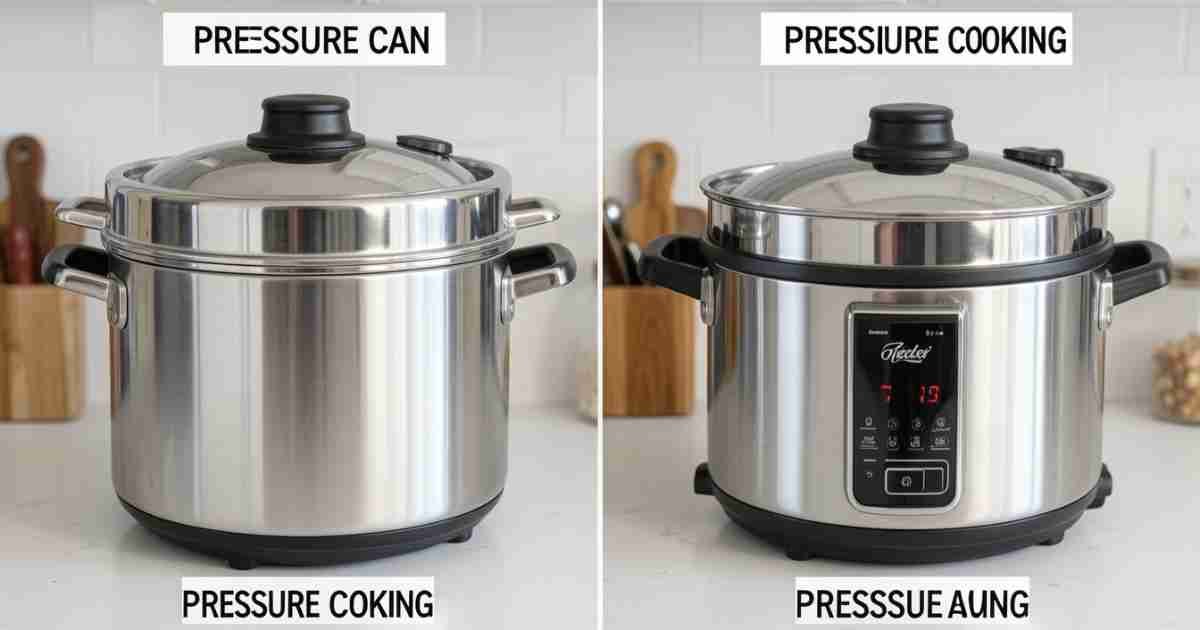
Pressure canning vs. pressure cooking has a clear safety boundary: pressure cooking prepares food to eat now, while pressure canning preserves low-acid foods for shelf storage. Low-acid foods need a tested pressure canner, correct pressure, and processing time to control botulism risk. A normal pressure cooker is not a safe substitute for canning. You’re standing…
Slow Cooker Wattage: What Actually Predicts Cooking Quality
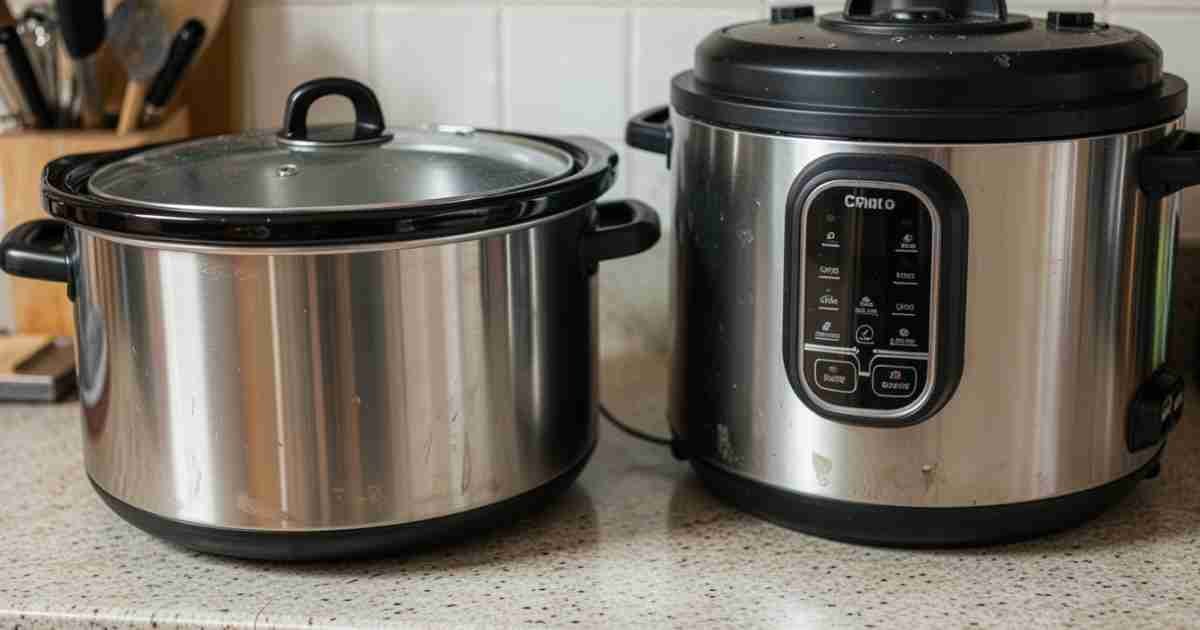
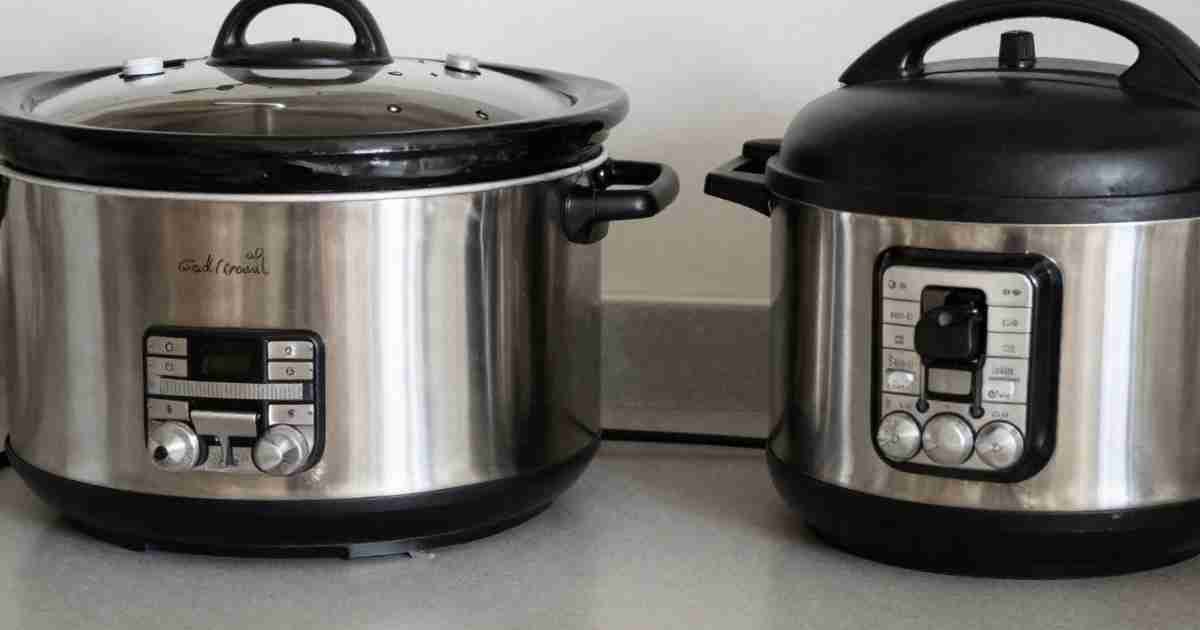
Slow cooker wattage does not predict cooking quality by itself; it mostly shows power draw and heating capacity. Better results come from steady temperature control, pot shape, lid fit, heat distribution, size matching, and low-setting accuracy. A higher-wattage cooker may heat faster, but consistent gentle heat is what protects tenderness, moisture, and flavour. You’ve spent…
How To Read A Pressure Cooker Safety Certification (And Which Ones Are Fake)
Read a pressure cooker safety certification by checking the mark, model number, rated pressure, and matching it in the certifier’s online directory. Real marks include UL or ETL listings tied to safety standards; CE is mainly a manufacturer compliance declaration for EU rules. Fake ones use vague phrases like “safety approved” without traceable records. Imagine…
7 Things To Check On A Second-Hand Cast Iron Pan Before Buying
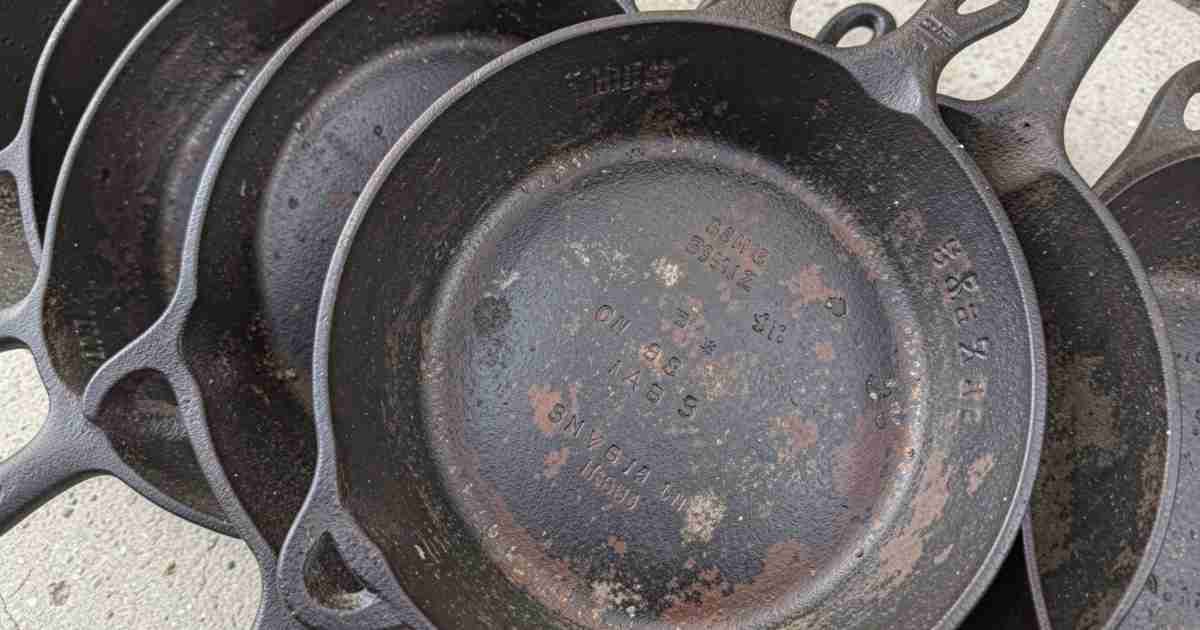
A second-hand cast iron pan should be checked for cracks, deep rust, severe pitting, wobbling, warped cooking surface, loose handles, and old coating buildup before buying. Light rust and dull seasoning are fixable, but structural damage is not. Choose a pan that sits flat, feels solid, and can be cleaned and re-seasoned safely. Finding a…
What ‘Induction Compatible’ Actually Guarantees And What It Doesn’T
Induction compatible means cookware has a magnetic base that can work with an induction hob’s electromagnetic field. It guarantees the pan can heat on induction, but not that it will heat evenly, stay flat, resist warping, or perform well at high power. Base thickness, material quality, and full-contact design still matter. You’ve just bought a…
Glass Vs. Stainless Lids: A Functional Comparison Nobody Writes Honestly
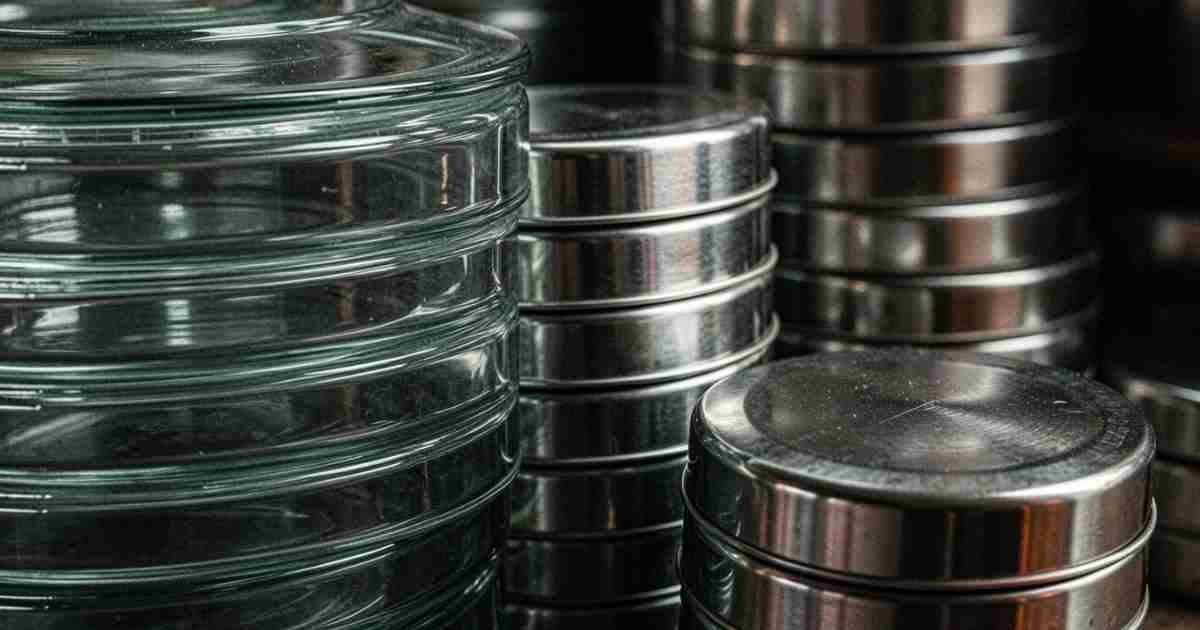
Glass vs. stainless lids is mainly a trade-off between visibility and durability. Glass lids let you monitor food without lifting the lid, but they are heavier, breakable, and can trap condensation. Stainless lids are lighter, tougher, and better for high-heat cooking, but you must lift them to check progress, releasing heat and steam. You’ve spent…
The Hidden Cost Of Cheap Non-Stick: Ptfe Flaking Timelines
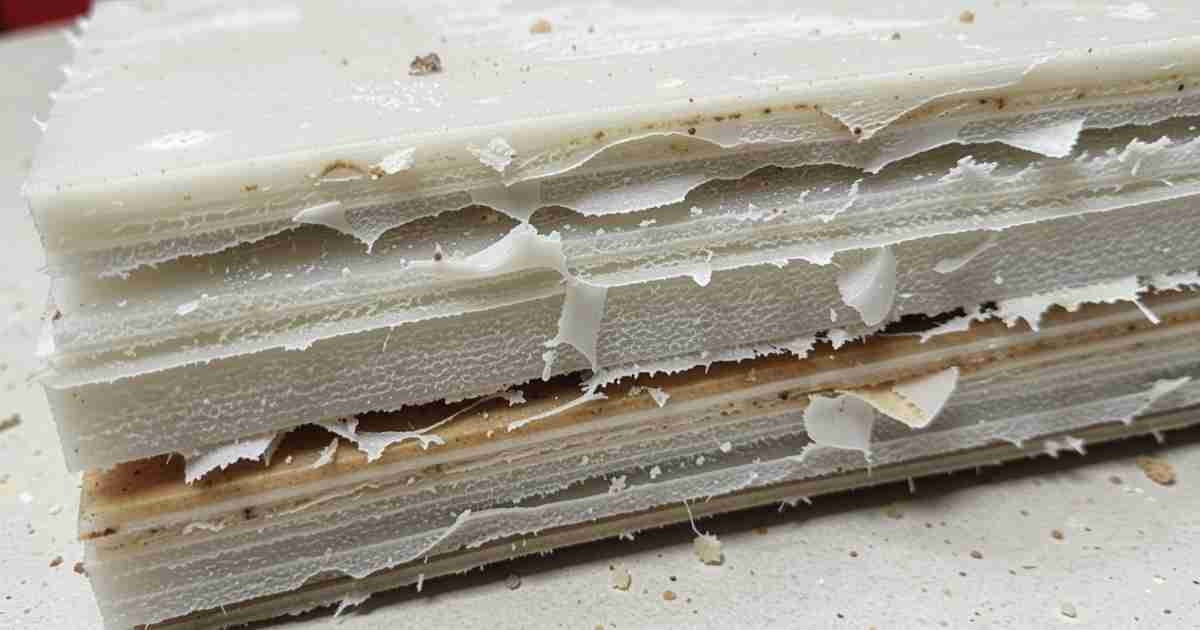
The hidden cost of cheap non-stick is faster PTFE flaking because thinner coatings scratch, overheat, and peel sooner under metal utensils, dishwasher abrasion, stacking, and high heat. There is no exact timeline; damage depends on use and coating quality. Replace the pan when you see peeling, flaking, chipping, or deep scratches, and use soft utensils…
The Rice Cooker Specification Lie: Cups Are Not Cups
The rice cooker specification lie is that “cups” are not standard kitchen cups. Most rice cookers use a 180 ml rice cup, while a US measuring cup is about 240 ml, so capacity labels can mislead buyers. Use the supplied cup and inner-pot water lines, or convert carefully before judging size or portions. You bought…
Why Wok Ring Adaptors Are Mostly Useless On Domestic Gas Hobs
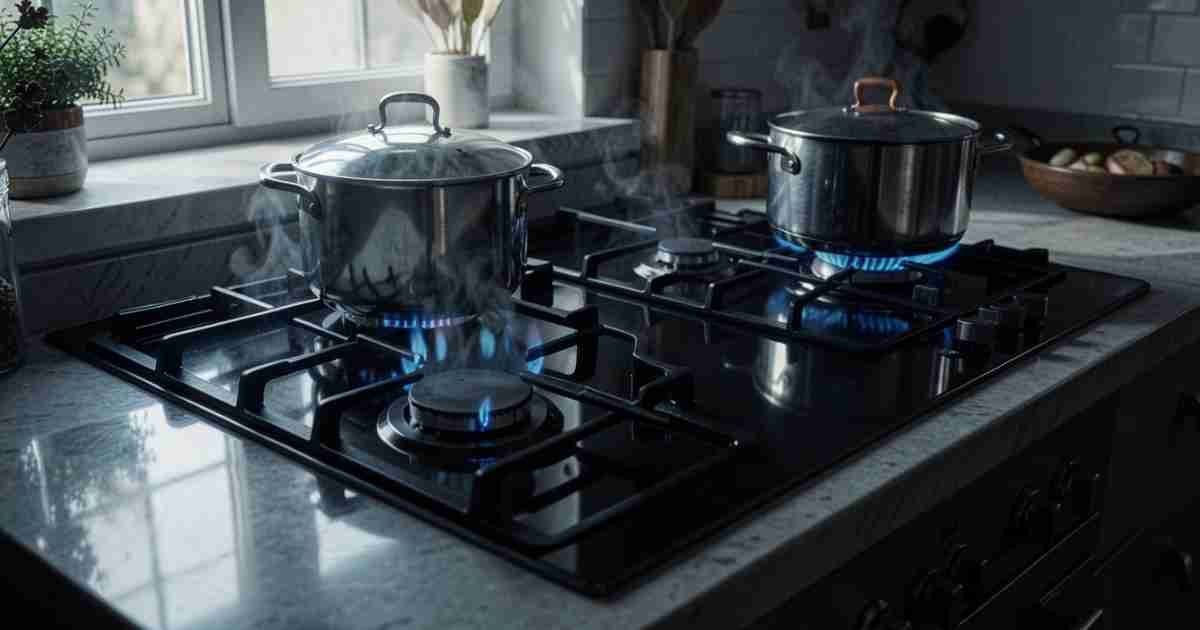
Wok ring adaptors are mostly useless on domestic gas hobs because they often lift the wok too far from the flame, reduce heat transfer, and make control weaker. They may stabilise a round-bottom wok, but most home burners lack the intense upward heat needed for true wok cooking. A flat-bottom carbon-steel wok usually performs better…
How To Deglaze Without Losing 40% Of Your Fond
Deglaze without losing 40% of your fond by lowering heat briefly, adding a small splash of liquid, and scraping gently before the browned bits burn or turn bitter. Use stock, wine, water, or vinegar in stages rather than flooding the pan. Reduce only after the fond dissolves, so flavour stays concentrated and balanced. You’ve just…
Convection Oven Vs. Air Fryer: Same Physics, Different Geometry
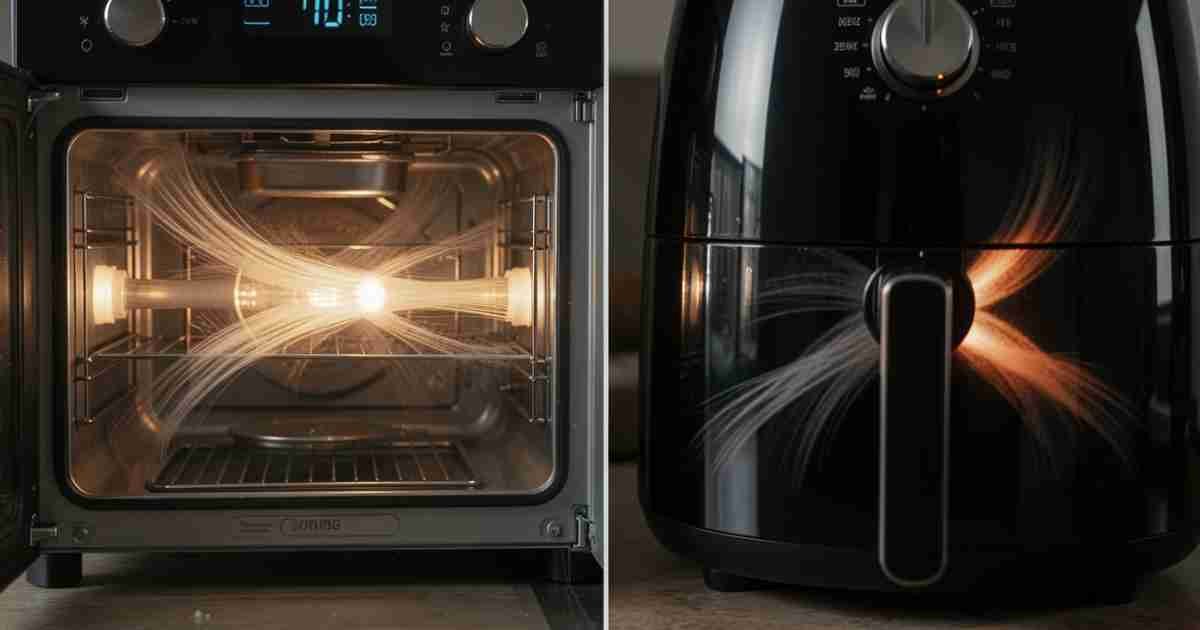
Convection oven vs. air fryer is mostly about airflow speed, chamber size, and food position, not completely different physics. Both use a fan to move hot air around food, but an air fryer’s smaller basket and stronger circulation create faster surface drying and crisping. A convection oven handles larger batches with slower, more even cooking.…