
Carbon steel vs. cast iron comes down to responsiveness and handling. Professionals often pick carbon steel because it is lighter, easier to toss, quicker to heat, and faster to adjust when the burner changes.
Cast iron still wins for heat retention and heavy searing, but carbon steel suits sautéing, eggs, fish, crêpes, and busy line cooking.
You’ve seen them in professional kitchens and home gourmet setups: the sleek, dark pans that chefs swear by.
Maybe you’ve wondered if there’s a secret to their cooking prowess, a reason beyond just tradition. The debate between carbon steel and cast iron cookware is a common one among food enthusiasts.
Understanding the nuances of Carbon Steel vs. Cast Iron: Why Professionals Pick Carbon can help you make better cooking choices.
This guide will clarify the differences and explain why carbon steel often gets the professional nod, leading to more enjoyable cooking sessions and keeping you engaged with your culinary creations.
Key Takeaways
- Carbon steel offers faster heat response and lighter weight, making it ideal for quick cooking tasks.
- Cast iron provides superior heat retention, perfect for slow, even cooking and searing.
- Carbon steel develops a natural non-stick surface quicker than cast iron.
- Both require proper seasoning and care to prevent rust and maintain performance.
- Professional chefs often favor carbon steel for its versatility and responsiveness in fast-paced environments.
- The choice between carbon steel and cast iron depends heavily on cooking style and personal preference.
![Carbon Steel Vs. Cast Iron Why Professionals Pick Carbon[1]](https://kitchentipsdaily.com/wp-content/uploads/2026/06/Carbon_Steel_Vs._Cast_Iron__Why_Professionals_Pick_Carbon1.jpg)
Carbon Steel vs. Cast Iron: A Tale of Two Pans
The world of cookware often sparks passionate debates, and few topics ignite as much discussion as the rivalry between carbon steel and cast iron.
Both materials have graced kitchens for centuries, earning their places as durable workhorses. However, when you look at the tools of the trade in professional kitchens, you’ll notice a distinct preference emerging.
This preference isn’t arbitrary; it’s rooted in performance, responsiveness, and versatility. Understanding the core differences helps clarify why professionals often lean towards carbon steel.
At their heart, both carbon steel and cast iron are iron-based metals. The key distinction lies in their composition.
Cast iron typically contains a higher percentage of carbon (around 2-4%), which makes it more brittle.
Carbon steel, on the other hand, has a much lower carbon content (around 0.5-1.5%), making it stronger and less prone to cracking.
This fundamental difference in material science translates directly into how these pans behave on the stovetop and in the oven.
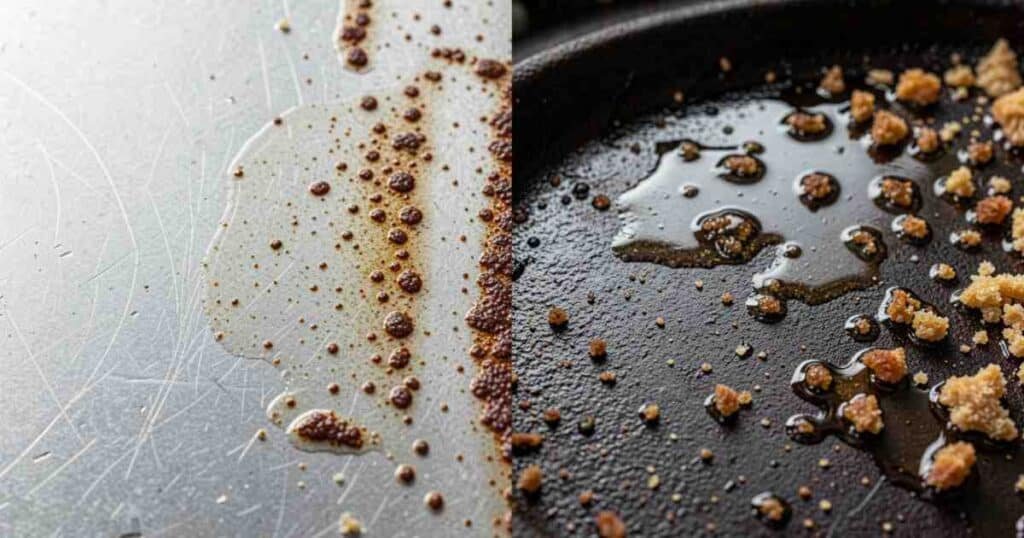
Many home cooks are familiar with cast iron’s heft and its ability to hold heat like a champ. It’s the go-to for a slow, steady sear or a long braise. Carbon steel, however, offers a different kind of performance.
It heats up quickly, cools down just as fast, and is surprisingly lightweight. This agility is a significant factor in professional kitchens where speed and precision are paramount. This comparison of Carbon Steel vs.
Cast Iron: Why Professionals Pick Carbon will unpack these traits further.
The Heat Advantage: Responsiveness Matters
One of the most significant differences between carbon steel and cast iron lies in their heat management. This is where the professional preference for carbon steel truly shines. Think about a busy restaurant kitchen.
A chef needs a pan that can react instantly to changes in temperature. If a dish requires a quick sear followed by a deglaze, the pan needs to heat up rapidly and then cool down just as quickly to prevent overcooking.
Cast iron, with its dense structure and higher carbon content, excels at retaining heat. Once it’s hot, it stays hot.
This is fantastic for achieving a deep, even sear on a steak or maintaining a consistent temperature for a long simmer.
However, this excellent heat retention also means cast iron heats up slowly and cools down slowly. If you’re trying to achieve a delicate sear without burning the exterior, or if you need to adjust the heat drastically mid-cook, cast iron can be less forgiving.
Carbon steel, conversely, is much more responsive. Its thinner construction and lower carbon content allow it to heat up significantly faster. This means you can get your pan to the perfect temperature in a fraction of the time it takes for cast iron.
More importantly, when you reduce the heat, carbon steel cools down rapidly. This immediate reaction to temperature changes gives the cook much finer control.
For tasks like searing delicate fish, making quick pan sauces, or even performing a rapid stir-fry, this responsiveness is invaluable.
Professionals appreciate this level of control, making Carbon Steel vs. Cast Iron: Why Professionals Pick Carbon a clear choice for dynamic cooking.
Weight and Handling: A Lighter Touch
The physical characteristics of cookware play a crucial role in the cooking experience, especially for those who spend hours in the kitchen.
Weight is a major factor. Lifting, tilting, and maneuvering a pan are daily actions for professional chefs.
Here, carbon steel has a distinct advantage.
Cast iron pans are notoriously heavy. A large cast iron skillet can weigh upwards of 10-12 pounds. While this heft contributes to its heat retention, it can make everyday tasks cumbersome.Pouring out excess fat, transferring the pan from stovetop to oven, or even just washing it can be a workout.
For chefs constantly moving and handling multiple pans, this added weight can lead to fatigue and can even increase the risk of dropping the pan.

Carbon steel pans are considerably lighter. A carbon steel skillet of the same size will often weigh half as much as its cast iron counterpart. This lighter weight makes them easier to handle, flip, and maneuver.
Pouring liquids, tossing ingredients, and serving directly from the pan become much simpler and safer.
This ease of handling contributes to a more fluid and less strenuous cooking process, a key consideration in the fast-paced environment where Carbon Steel vs. Cast Iron: Why Professionals Pick Carbon is often decided.
The agility carbon steel offers is a significant part of its appeal to culinary professionals.
Seasoning and Non-Stick Properties: Building Your Pan’s Character
Both carbon steel and cast iron rely on a process called seasoning to develop a natural non-stick surface and protect against rust.
Seasoning involves baking layers of oil into the metal at high temperatures. This creates a hard, slick layer that improves with use.
Cast iron is renowned for its ability to develop a robust, long-lasting seasoning. However, it can take quite some time and consistent effort to achieve a truly non-stick surface. For new cast iron pans, especially those that are not pre-seasoned, initial cooking can sometimes be a sticky affair.
The process of building up that perfect seasoning layer on cast iron can be slow.
Carbon steel, on the other hand, often seasons much more quickly. Because it’s typically made from a smoother, denser metal and is less porous than cast iron, the oil bonds to the surface more readily.
With just a few cooking sessions, especially those involving fats like bacon or oil, a carbon steel pan can develop a very respectable non-stick coating.
This rapid development of non-stick properties means chefs can start cooking with confidence sooner.
The ease with which carbon steel builds its non-stick surface is a major reason why understanding Carbon Steel vs. Cast Iron: Why Professionals Pick Carbon is important.
Furthermore, the seasoning on carbon steel can be easier to maintain and restore. If your seasoning gets damaged, it’s often simpler to re-season a carbon steel pan than a cast iron one.
This resilience and quicker seasoning development make carbon steel a more practical choice for professionals who demand reliable performance from their tools day in and day out.
Durability and Maintenance: Built to Last
When it comes to cookware that lasts for generations, both carbon steel and cast iron are excellent choices. They are incredibly durable and, with proper care, can be passed down through families.
Cast iron’s primary vulnerability is its brittleness. While it’s tough and resistant to warping, dropping a cast iron skillet can cause it to crack or shatter. This is due to its higher carbon content and the way the iron is structured.
Once cracked, a cast iron pan is usually irreparable.
Carbon steel, with its lower carbon content and more flexible nature, is far less prone to cracking. It’s more akin to steel used in knives or other high-performance tools. While it can be dented if subjected to extreme force, it’s much more resistant to catastrophic failure.
This makes it a more robust option for the rigors of a professional kitchen.
Maintenance for both involves avoiding harsh detergents and dishwashers. Both should be washed with hot water and a stiff brush or scraper, then thoroughly dried and lightly oiled to prevent rust. However, the risk of damaging a carbon steel pan through normal use is significantly lower.This inherent toughness is a key factor in the Carbon Steel vs. Cast Iron: Why Professionals Pick Carbon discussion. Professionals need tools that can withstand the daily grind without special handling.
Versatility in the Kitchen: Adaptable to Your Needs
The ultimate test for any piece of cookware is its versatility. Can it handle a variety of cooking techniques and ingredients? Both carbon steel and cast iron are quite versatile, but carbon steel often edges out cast iron in certain applications.
Cast iron is fantastic for slow cooking, braising, baking, and achieving a deep, even sear. Its ability to go from stovetop to oven is a major plus for dishes like cornbread or Dutch oven roasts. However, its weight and slower heat response can make it less ideal for quick, delicate tasks.
Carbon steel excels in a broader range of cooking methods. Its quick heating and cooling make it perfect for searing, sautéing, frying, and stir-frying. It’s also excellent for deglazing and making pan sauces due to its responsiveness.
Many chefs find that a carbon steel skillet can replace multiple other types of pans. For instance, its lightness makes it easy to use for tossing ingredients in a stir-fry or for making crepes.
The ability to achieve a beautiful crust on a piece of meat and then quickly create a sauce in the same pan makes it incredibly efficient.
This adaptability is a significant reason why professionals often choose carbon steel. It’s a true multi-tasker that performs exceptionally well across a wide spectrum of culinary demands. The question of Carbon Steel vs.
Cast Iron: Why Professionals Pick Carbon often comes down to this broad utility. Whether you’re frying an egg, searing a steak, or whipping up a quick sauce, carbon steel rises to the occasion.
A Comparison Table: Carbon Steel vs. Cast Iron
To better illustrate the differences, let’s look at a direct comparison:
| Material Composition | Low carbon content (0.5-1.5%) | High carbon content (2-4%) |
| Weight | Lighter, easier to handle | Heavier, more difficult to maneuver |
| Heat Responsiveness | Heats up and cools down quickly | Heats up slowly, retains heat exceptionally well |
| Seasoning Development | Faster, easier to achieve non-stick surface | Slower, requires more effort for non-stick surface |
| Durability | Less prone to cracking, more flexible | Prone to cracking if dropped, more brittle |
| Ideal For | Searing, sautéing, frying, stir-frying, pan sauces, quick cooking | Slow cooking, braising, baking, deep searing, even heat retention |
| Maintenance | Similar to cast iron (wash, dry, oil) | Similar to carbon steel (wash, dry, oil) |
| Common Use Cases | Professional kitchens, high-heat cooking, versatile home cooking | Home kitchens for comfort food, slow-cooked meals, baking |
This table highlights the key differences that influence professional choices. The performance characteristics of carbon steel often align better with the demands of a professional environment, making the choice in Carbon Steel vs. Cast Iron: Why Professionals Pick Carbon quite clear for many.
When to Choose Which: Making the Right Decision
Deciding between carbon steel and cast iron isn’t about one being definitively “better” than the other. It’s about understanding your cooking style and what you prioritize in your cookware.
Choose Carbon Steel if:
- You value speed and responsiveness in your cooking.
- You frequently sauté, stir-fry, or need to adjust heat quickly.
- You prefer lighter cookware that is easier to handle and maneuver.
- You want to develop a non-stick surface relatively quickly.
- You are looking for a versatile pan that can handle a wide range of cooking techniques.
- You work in a fast-paced kitchen environment where quick adjustments are necessary.
Choose Cast Iron if:
- You prioritize superior heat retention for slow, even cooking.
- You often cook dishes that require long simmering or braising.
- You enjoy baking in your skillet, like cornbread or skillet cookies.
- You don’t mind the extra weight for the benefit of extreme heat retention.
- You are looking for a pan that can provide an exceptionally deep, consistent sear over a longer period.
For many professional chefs, the balance of responsiveness, weight, and rapid seasoning development makes carbon steel the preferred choice. It allows for greater control and efficiency in demanding culinary situations. This is why the question of Carbon Steel vs.
Cast Iron: Why Professionals Pick Carbon so often points towards the latter.
Caring for Your Carbon Steel Pan
Proper care is essential for any cookware, and carbon steel is no exception. It’s straightforward, but following these steps will ensure your pan performs beautifully for years.
- Cleaning: First, after each use, clean the pan while it’s still warm. Use hot water and a stiff brush or scraper to remove food bits. Avoid using soap, as it can strip the seasoning. If you must use soap, use a very mild amount and rinse thoroughly.
- Drying: Second, dry the pan immediately and completely with a clean towel. To ensure all moisture is gone, place the pan back on a low heat for a minute or two.
- Oiling: Next, apply a very thin layer of cooking oil (like vegetable, canola, or flaxseed oil) to the entire surface of the pan, inside and out. Wipe off any excess oil with a paper towel.
- Storing: Then, store the pan in a dry place. If stacking pans, place a paper towel between them to protect the seasoning and absorb any residual moisture.
Regular use, especially cooking with fats, will continue to build and enhance the pan’s seasoning. This ongoing seasoning process is key to maintaining its non-stick qualities and protecting it from rust. The care for carbon steel is quite similar to cast iron, but its less brittle nature means less worry about accidental damage during the cleaning process.
Frequently Asked Questions Of Carbon Steel Vs. Cast Iron: Why Professionals Pick Carbon
What is the main reason professionals prefer carbon steel over cast iron?
Professionals often choose carbon steel for its superior heat responsiveness, lighter weight, and faster seasoning development, which are crucial for dynamic cooking environments.
Can carbon steel pans be used on induction cooktops?
Yes, most carbon steel pans are induction-compatible because they are made of magnetic iron, making them versatile for various stovetops.
Is it harder to maintain a carbon steel pan than a cast iron pan?
Generally, both require similar maintenance: washing with hot water, drying thoroughly, and oiling. Carbon steel may be slightly more forgiving due to its less brittle nature.
Does carbon steel rust easily?
Yes, carbon steel can rust if not properly dried and oiled after each use. Consistent seasoning and proper storage prevent rust formation.
Can I achieve a good non-stick surface with carbon steel?
Absolutely. Carbon steel develops a natural non-stick surface quickly with proper seasoning and regular use, often faster than cast iron.
Is carbon steel cookware as durable as cast iron?
Carbon steel is very durable and less prone to cracking than cast iron, making it a more resilient choice for demanding kitchens. This is a key aspect of Carbon Steel vs. Cast Iron: Why Professionals Pick Carbon.
When is cast iron a better choice than carbon steel?
Cast iron is superior when you need exceptional heat retention for slow cooking, braising, or achieving a very deep, uniform sear over extended periods.
Final Thoughts
Carbon steel offers chefs a responsive, lightweight, and versatile tool that builds a non-stick surface quickly.
While cast iron provides unmatched heat retention for slow cooking, carbon steel’s agility and ease of handling make it the professional’s choice for dynamic, high-performance cooking.

Leave a Reply