
You’re busy. You want dinner on the table fast. Many home cooks believe that using a glass lid on their pot or pan can significantly cut down cooking time.
It seems logical: trapping heat must mean faster cooking, right? But the reality of Why Glass Lids Reduce Cooking Time by Less Than You Think is a bit more nuanced.
This post will break down the science and practicalities, helping you understand how much time you can actually save and what factors truly influence cooking speed.
You’ll gain clarity on this common kitchen myth, leading to more efficient cooking and a better understanding of your kitchen tools.
Key Takeaways
- Glass lids help retain heat and moisture, which can slightly speed up cooking.
- The primary benefit of glass lids is visibility, allowing you to monitor food without lifting the lid.
- Lifting the lid releases significant heat, negating much of the potential time savings.
- The type of cooking and stovetop used has a greater impact on cooking time than the lid material.
- Glass lids are more about convenience and energy efficiency than drastic cooking time reduction.
- Understanding heat transfer helps explain why the impact of glass lids is often overestimated.
![Why Glass Lids Reduce Cooking Time By Less Than You Think[1]](https://kitchentipsdaily.com/wp-content/uploads/2026/06/Why_Glass_Lids_Reduce_Cooking_Time_By_Less_Than_You_Think1.jpg)
How Glass Lids Affect Heat Retention
The main idea behind using a lid is to trap heat. When you cook on the stovetop, heat transfers from the burner to the pot, then to the food. Without a lid, a lot of this heat escapes into the air.
A lid acts as a barrier, keeping that precious heat inside the pot.
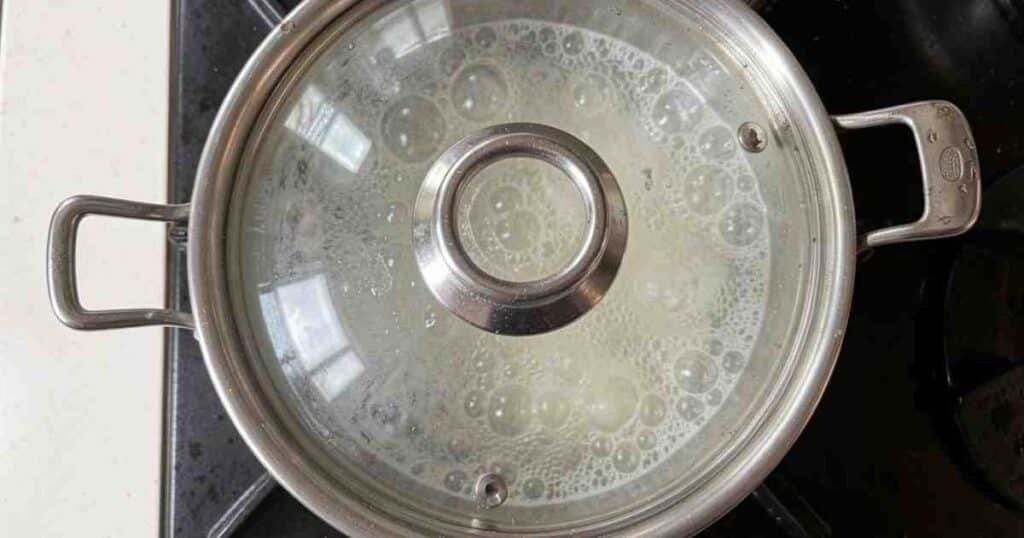
Glass lids are transparent, which is their most obvious feature. This allows you to see what’s happening inside without having to lift the lid. Lifting the lid releases steam and heat.
This loss of heat means the cooking process slows down. Therefore, not lifting the lid, regardless of its material, is key to maintaining cooking temperature.
The Science of Heat and Moisture Retention
When food cooks, it releases steam. This steam is essentially water vapor. A lid traps this steam.
Trapped steam helps to cook the food more evenly and can also contribute to faster cooking by maintaining a higher internal temperature within the pot. This is particularly true for methods like steaming or braising.
Why Glass Lids Reduce Cooking Time by Less Than You Think is largely due to how much heat is actually lost. While a lid does trap heat, a significant amount of heat is still needed to bring the food to the desired temperature. The material of the lid plays a smaller role than the act of keeping it sealed.
Comparing Lid Materials: Glass vs. Metal
Many pots and pans come with either glass or metal lids. Both serve the primary function of trapping heat and moisture. However, there are differences in how they perform and their perceived benefits.
Metal lids, often made of stainless steel or aluminum, are generally more durable. They also tend to be slightly better at retaining heat than glass because metal is a good conductor of heat, meaning it doesn’t let heat escape as easily. However, this can also mean the handle gets hotter.
Glass lids allow you to see the cooking process without lifting. This is a major advantage for many cooks. It means you can monitor simmering sauces or boiling vegetables without interrupting the cooking cycle by releasing heat.
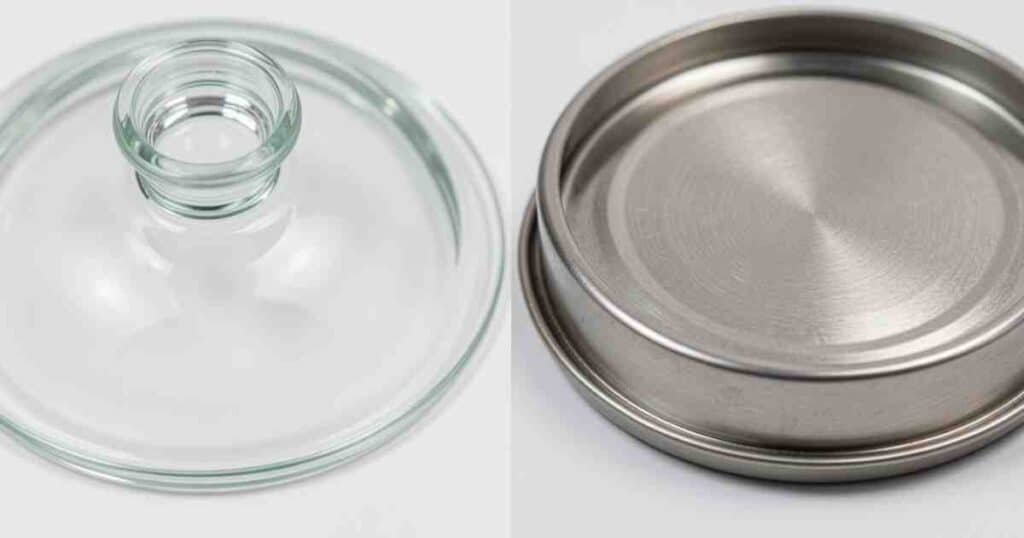
This visibility is often more valuable than any marginal time savings.
| Visibility | Excellent | None |
| Heat Retention | Good | Very Good |
| Durability | Can break if dropped | Generally durable |
| Handle Temperature | Stays cooler | Can get very hot |
| Weight | Lighter | Heavier |
The table above shows that while metal lids might offer slightly better heat retention, glass lids provide crucial visibility. This visibility helps prevent overcooking and ensures you know exactly when your food is ready.
The Real Impact of Lifting the Lid
This is perhaps the most critical factor in understanding Why Glass Lids Reduce Cooking Time by Less Than You Think. Every time you lift the lid, you are letting out a significant amount of heat and steam. This causes the temperature inside the pot to drop.
Studies and practical tests have shown that lifting a lid for even just a few seconds can increase the cooking time needed to bring the pot back to temperature. For example, boiling water can take significantly longer to return to a boil if the lid is removed frequently. This is why those perceived time savings from a glass lid can be easily lost.
First, the lid traps heat, helping the food cook. Second, you lift the lid to check. Next, heat escapes, and the temperature drops.
Then, you put the lid back on, and the cooking process has to work to regain lost temperature. Finally, this cycle of heat loss and regain can negate any initial speed advantage.
Factors That Truly Speed Up Cooking
If the lid material isn’t the main driver of speed, what is? Several other factors play a much larger role in how quickly your food cooks.
Surface Area: Smaller pieces of food cook faster than larger ones. Chopping vegetables into smaller, uniform pieces will significantly reduce cooking time. This is because more surface area is exposed to the heat.Heat Intensity: Cooking at a higher heat setting will naturally speed up the cooking process. However, this needs to be balanced with the risk of burning or uneven cooking. For instance, boiling water at high heat is much faster than at low heat.
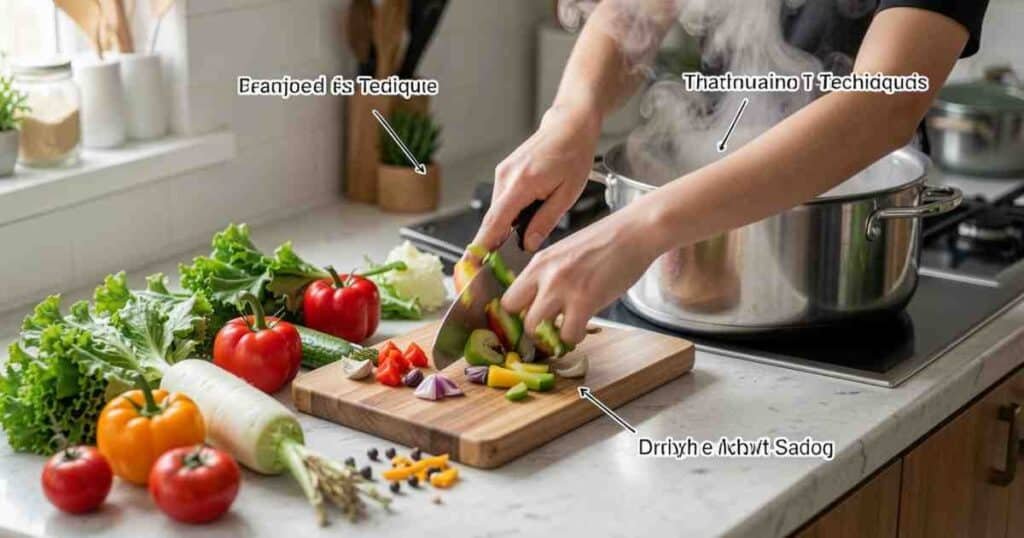
Type of Cooking Method: Some methods are inherently faster than others. Sautéing or stir-frying, which involve high heat and direct contact with the pan, are typically quicker than simmering or stewing, which rely on lower, slower heat over longer periods.
Pressure Cookers: These appliances are designed specifically to reduce cooking times dramatically. They work by increasing the pressure inside the pot, which raises the boiling point of water, allowing food to cook at much higher temperatures. A glass lid cannot achieve this effect.
Preheating: Always preheat your pan or pot before adding ingredients. This ensures that the food begins cooking immediately upon contact, rather than sitting in a cold pan and gradually heating up. This is a simple step that has a big impact.
The Convenience Factor: Visibility and Energy
While Why Glass Lids Reduce Cooking Time by Less Than You Think, their value isn’t purely about speed. The convenience they offer is substantial.
Visual Monitoring: As mentioned, being able to see your food without lifting the lid is a huge plus. This is especially helpful when making delicate dishes like sauces, custards, or risottos. You can observe browning, simmering, or thickening without disturbing the cooking environment.
This prevents issues like scorching or boiling over.
Energy Efficiency: By trapping heat effectively, lids help your stovetop burner work less. If the heat stays in the pot, the burner doesn’t need to cycle on and off as frequently to maintain the desired temperature. This can lead to minor energy savings over time.
This aspect of heat retention, even if not dramatically reducing cooking time, does contribute to more efficient cooking overall.
Steam Control: Glass lids often have a vent hole to allow some steam to escape. This prevents excessive pressure buildup and can help in achieving a desired texture, like a crispy skin on chicken, by allowing some moisture to escape rather than steaming the food.
When Glass Lids Make a Difference
So, are there times when a glass lid does contribute more noticeably to cooking speed or efficiency?
Boiling Water: When boiling water for pasta, vegetables, or other uses, a glass lid will help it reach a rolling boil faster than an uncovered pot. This is because the heat is concentrated, and the goal is simply to reach the boiling point quickly. The time saved here is more noticeable than in slower cooking methods.
Steaming: For steaming vegetables or fish, a glass lid is essential. It traps the steam generated from the water below, creating the perfect environment for this cooking method. While it’s not necessarily reducing a pre-existing cooking time, it’s enabling the method that is inherently fast and healthy.
Simmering Sauces: Keeping a sauce at a gentle simmer is easier with a lid. It prevents too much liquid from evaporating too quickly, meaning you won’t have to add as much extra liquid to maintain consistency. This saves time on adjustments and can lead to a richer flavor.
Even in these cases, the primary benefit is often maintaining the cooking environment rather than a drastic reduction in the total cooking duration. The question of Why Glass Lids Reduce Cooking Time by Less Than You Think remains relevant because the effect is often marginal.
Debunking the ‘Faster Cooking’ Myth
The common belief that glass lids are a magic bullet for cutting down cooking times is largely an exaggeration.
The science shows that while they do help retain heat, the actual time saved is often minimal, especially when compared to the impact of other factors.
Think about it: to significantly reduce cooking time, you need to drastically increase the temperature or the rate of heat transfer.
A glass lid helps maintain temperature, but it doesn't fundamentally alter the physics of heat transfer in a way that dramatically shortens the process for most dishes.
The perceived speed increase often comes from not having to lift the lid and wait for the temperature to recover.
If you’re someone who habitually checks on your food by lifting the lid, then switching to a glass lid and resisting the urge to peek will indeed make your cooking process feel faster and be more efficient. This is where the real benefit lies.
The key takeaway regarding Why Glass Lids Reduce Cooking Time by Less Than You Think is that the lid itself isn’t the primary speed booster.
It’s the consistent temperature and the reduction of heat loss that contribute, and these are best achieved by keeping any lid on.
Maximizing Your Cooking Efficiency
To truly speed up your cooking and make your time in the kitchen more efficient, focus on these practices:
- Prep Your Ingredients: Have everything chopped, measured, and ready before you start cooking. This avoids interruptions.
- Use the Right Heat: Match the heat intensity to the cooking method. High heat for searing, medium for sautéing, low for simmering.
- Don’t Overcrowd the Pan: Cooking too much food at once lowers the pan’s temperature, leading to steaming instead of searing and increasing cooking time.
- Preheat Properly: Ensure your pan or oven is at the correct temperature before adding food.
- Resist Peeking: Once you’ve put a lid on, leave it there as much as possible. Use your glass lid’s visibility to your advantage instead of lifting it.
- Consider Tools: For serious time-saving, explore tools like pressure cookers or air fryers, which are designed for speed.
By implementing these strategies, you’ll see a much more significant reduction in cooking times than you would by simply relying on a glass lid alone. The glass lid is a helpful tool, but it’s part of a larger picture of efficient cooking.
Frequently Asked Questions Of Why Glass Lids Reduce Cooking Time By Less Than You Think
What is the main benefit of a glass lid?
The primary benefit is visibility, allowing you to monitor cooking without lifting the lid and losing heat.
Do glass lids make food cook faster?
They help retain heat, which can slightly speed up cooking, but the effect is less dramatic than often believed, especially compared to other factors.
Why do people think glass lids speed up cooking so much?
The belief comes from the idea of trapping heat, but the actual time saved is often minimal because lifting the lid negates the benefit.
Should I always use a lid when cooking?
For most stovetop cooking, yes, using a lid helps retain heat, moisture, and can improve efficiency. The exception is when a recipe specifically calls for an uncovered pan to reduce liquid or crisp food.
How much time can a glass lid actually save?
In scenarios like boiling water, it might save a minute or two. For longer cooking processes, the time saved is often negligible, sometimes less than a 5% reduction, and can be lost by peeking.
Are metal lids better than glass lids for cooking time?
Metal lids may retain heat slightly better, but the practical difference in cooking time is usually small. Visibility from glass lids often outweighs this slight advantage.
Why Glass Lids Reduce Cooking Time by Less Than You Think explained: What’s the key takeaway?
The key takeaway is that while glass lids offer convenience through visibility and help retain heat, they don’t dramatically cut cooking times on their own. Consistent heat and minimizing lid lifting are more impactful.
Final Thoughts
Glass lids offer convenience and help maintain cooking temperatures, but their impact on reducing cooking time is often overstated.
Focus on keeping lids on and utilizing your visibility to cook more efficiently, rather than expecting dramatic speed increases from the lid material itself.

Leave a Reply