
Seasoning carbon steel in one layer gives basic rust protection and a patchy bronze surface, but it is rarely durable enough for smooth release.
Ten ultra-thin layers look darker, smoother, and more even, with better low-stick performance. The key is thinness: thick oil turns sticky, while repeated thin polymerised coats build a stronger cooking surface.
You’ve likely spent time carefully building a non-stick surface on your favorite carbon steel pan. Maybe you’ve heard conflicting advice about how many layers of seasoning are truly necessary. It’s easy to get lost in the details, wondering if you’re doing enough or perhaps overdoing it.
This post will clearly explain the differences between seasoning carbon steel in one layer versus ten, showing you exactly what the difference looks like and helping you achieve a perfectly seasoned pan for delicious results every time.
Key Takeaways
- Understand the visual and functional differences between a lightly seasoned and a heavily seasoned carbon steel pan.
- Learn why multiple seasoning layers build a more durable and effective non-stick surface.
- Discover how to identify when your carbon steel pan is adequately seasoned.
- Gain insights into the time investment required for different levels of seasoning.
- Recognize the benefits of proper seasoning for cooking performance and pan longevity.
- See how the number of layers impacts the pan’s responsiveness to heat and food release.
![Seasoning Carbon Steel In One Layer Vs. Ten What The Difference Looks Like[1]](https://kitchentipsdaily.com/wp-content/uploads/2026/06/Seasoning_Carbon_Steel_In_One_Layer_Vs._Ten__What_The_Difference_Looks_Like1.jpg)
Why Seasoning Matters for Carbon Steel
Carbon steel pans are beloved for their durability and excellent heat conductivity. However, they are not naturally non-stick like some other cookware materials. This is where seasoning comes in.
Seasoning is a process of polymerizing oil onto the surface of the metal. This creates a hard, slick layer that protects the pan and allows food to release easily. Without proper seasoning, your carbon steel pan will stick, rust, and be difficult to clean.
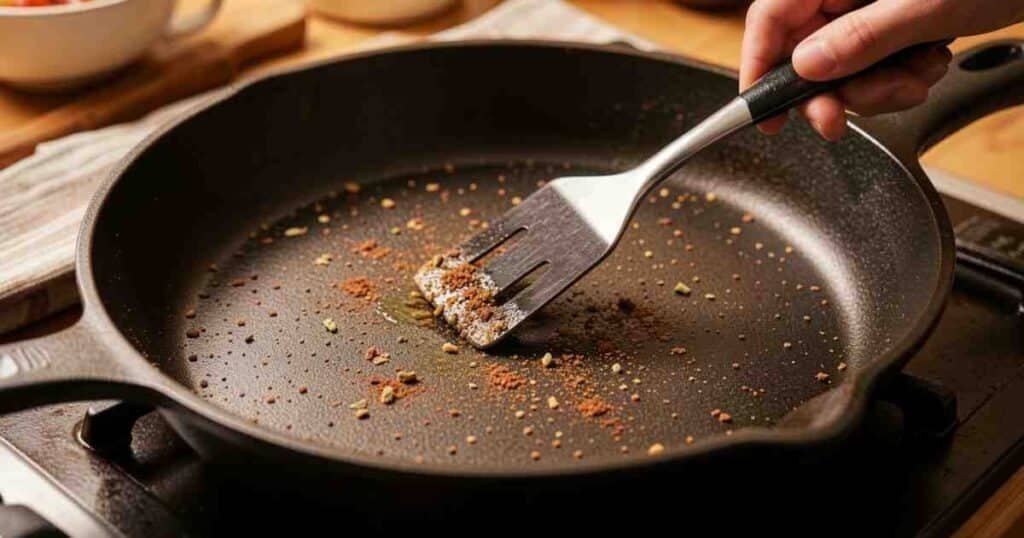
The goal of seasoning is to build up this protective layer over time.
The effectiveness of your carbon steel pan hinges on the quality of its seasoning. A well-seasoned pan is a joy to cook with. Food slides around, cleanup is a breeze, and the pan develops a beautiful, dark patina.
Conversely, a poorly seasoned or unseasoned pan can lead to frustration, burnt food, and a constant battle with sticking. Understanding the impact of different seasoning levels helps you achieve that desired cooking experience.
Visualizing One Layer of Seasoning
When you apply just one layer of seasoning to a new carbon steel pan, the results are usually quite minimal. The oil is heated and baked onto the surface, creating a very thin, often patchy, layer of polymerized oil. You might notice a slight sheen or a subtle change in color, but it won’t be a deep, uniform black.
This single layer offers very little in terms of actual non-stick performance. It’s a starting point, but not a finished product.
Think of it like applying a single coat of paint to a raw piece of wood. You can see the color change, but it’s thin and easily scratched. Food will likely still stick to the pan, and the surface might even look uneven.
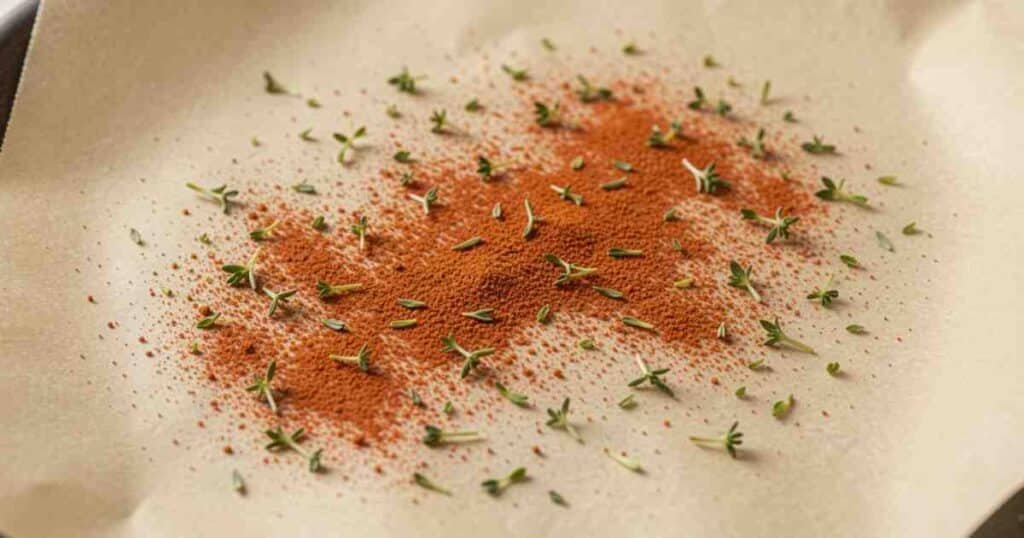
This is the reality of seasoning carbon steel in one layer vs. ten: what the difference looks like in its most basic form. It’s functional only as a preparatory step before building more robust layers.
For comparison, a pan with only one layer of seasoning might have:
- A dull, uneven sheen.
- Patches where the oil didn’t fully polymerize.
- A very slight improvement in food release, but still prone to sticking.
- Little to no protection against rust.
The Power of Ten Layers: A Deeper Look
Applying ten layers of seasoning, or even more, transforms the carbon steel pan. Each subsequent layer builds upon the last, creating a much thicker, more durable, and significantly slicker surface. After ten layers, you’ll typically see a deep, glossy black patina that is smooth to the touch.
This is the hallmark of a well-seasoned pan, ready to handle a variety of cooking tasks without fear of food sticking.
The difference between seasoning carbon steel in one layer vs. ten: what the difference looks like visually is dramatic. The pan goes from looking somewhat raw and uneven to a uniform, rich black.
Functionally, this depth of seasoning provides excellent non-stick properties. Eggs will slide, fish won’t stick, and searing will be easier. This is the result of thorough polymerization and a substantial barrier formed by the oil.
A pan with ten layers of seasoning will exhibit:
- A deep, uniform, glossy black color.
- A smooth, almost slippery surface.
- Excellent food release, even with delicate items like eggs.
- Significantly improved protection against rust.
- A more responsive cooking surface that heats evenly.
The Science Behind Multiple Layers
Seasoning carbon steel isn’t just about applying oil; it’s about a chemical process called polymerization. When oil is heated beyond its smoke point, it breaks down and reforms into long, plastic-like chains. These chains bond to the metal surface.
A single layer only achieves a basic level of this bonding.
With each additional layer, you are essentially reinforcing and expanding this polymer network. The oil molecules continue to break down and link together, creating a denser, more robust coating. This cumulative effect is why multiple layers are so crucial for achieving true non-stick performance.
The more layers you build, the stronger and more effective the polymerized surface becomes. This is the core of understanding seasoning carbon steel in one layer vs. ten: what the difference looks like from a scientific standpoint.
Consider the process:
- First application: A thin layer of oil is heated, polymerizing into a basic coating.
- Second application: More oil is applied and heated, bonding to the first layer and adding thickness.
- Subsequent applications: Each new layer adds to the density and smoothness of the polymerized surface.
- Finally, after ten or more layers: A thick, durable, and highly non-stick surface is achieved.
Comparing the Process: Time and Effort
The most obvious difference in the process of seasoning carbon steel in one layer vs. ten: what the difference looks like in terms of time commitment.
Applying one layer is quick. You might clean the pan, apply a thin coat of oil, and bake it for an hour. This can be done in under two hours, including cooling time.
It’s a minimal effort for a minimal result.
On the other hand, achieving ten layers is a more significant time investment. Each layer typically involves cleaning, oiling, heating in the oven (or on the stovetop), and cooling. If each layer takes about an hour in the oven plus preparation and cooling, ten layers can easily take 10-15 hours or more.
This dedication is what leads to the superior results.
Here’s a simplified comparison of the effort involved:
| Time per Layer | ~1 hour (oven time + prep) | ~1 hour (oven time + prep) |
| Total Time Investment | 2-3 hours | 10-15+ hours |
| Effort Level | Low | Moderate to High |
| Frequency | Initial setup or quick touch-up | Initial seasoning or major restoration |
Performance Differences in the Kitchen
The practical impact of seasoning carbon steel in one layer vs. ten: what the difference looks like is most evident during cooking.
With only one layer, expect food to stick frequently. Delicate items like fish fillets or eggs will likely break apart as you try to flip them. Even simple tasks like sautéing vegetables might require more oil and careful attention to prevent sticking.
The pan won’t feel truly non-stick.
A pan with ten layers offers a dramatically different cooking experience. Food releases cleanly and effortlessly. You can confidently sear meats, fry eggs, and cook delicate seafood without worry.
The smooth, polymerized surface allows for easy sliding and flipping. This enhanced performance makes cooking more enjoyable and the cleanup process significantly easier.
Consider these performance aspects:
- Food Release: One layer offers minimal release; ten layers provide excellent, near-non-stick release.
- Ease of Cleaning: One layer may still require scrubbing; ten layers often wipe clean with just a paper towel.
- Durability: One layer is easily damaged; ten layers form a robust surface that withstands regular use.
- Rust Prevention: One layer offers little protection; ten layers create a strong barrier against moisture.
When is “Enough” Enough?
While ten layers are excellent, the exact number needed can vary. Some sources suggest that anywhere from 5-10 layers is sufficient for good performance. The key is to build a visibly dark, uniform, and smooth surface.
If your pan still shows bare metal spots or food consistently sticks after a few layers, you need to continue building.
It’s also important to note that seasoning isn’t a one-time event. Your pan’s seasoning will improve with continued use and cooking. Regular cooking with fats and oils, and occasional touch-up seasoning sessions, will maintain and enhance the non-stick surface.
The journey of seasoning carbon steel in one layer vs. ten: what the difference looks like extends to its ongoing maintenance.
To determine if your pan is sufficiently seasoned:
- Check for a uniform, deep black color across the entire cooking surface.
- Run your finger over the surface; it should feel smooth, not rough or sticky.
- Cook something delicate, like an egg or a piece of fish, and observe how easily it releases.
Maintaining Your Seasoned Pan
Once you’ve achieved a good level of seasoning, maintaining it is crucial. Avoid harsh detergents, abrasive scrubbers, and prolonged soaking, as these can strip away the polymerized layer.
After cooking, gently clean the pan with warm water and a soft brush or sponge. Dry it thoroughly immediately. A light coat of oil applied after drying and a quick heat on the stovetop can help maintain the seasoning.
If you notice the seasoning wearing thin or food starting to stick, it’s time for another round of seasoning, perhaps just a few layers to reinforce it.
Frequently Asked Questions Of Seasoning Carbon Steel In One Layer Vs. Ten: What The Difference Looks Like
What is the primary difference when seasoning carbon steel in one layer versus ten?
The primary difference is the thickness, durability, and non-stick quality of the polymerized oil layer. One layer is thin and offers minimal protection, while ten layers create a robust, slick surface.
Can I see a difference after just one layer of seasoning?
Yes, you can see a difference in color and sheen after one layer, but it will be very subtle, uneven, and offer little practical non-stick benefit compared to multiple layers.
Why is it recommended to season carbon steel multiple times?
Multiple seasoning layers build up a stronger, smoother, and more durable non-stick surface through cumulative polymerization of oil, which is essential for good cooking performance and rust prevention.
How long does it take to season a carbon steel pan with ten layers?
The process for ten layers can take anywhere from 10 to 15 hours or more, depending on the method and oven time for each layer.
Will food stick less with ten layers compared to one layer?
Absolutely. Ten layers provide a significantly superior non-stick surface, allowing food to release easily, whereas one layer will still result in considerable sticking.
Is it possible to over-season a carbon steel pan?
It’s difficult to truly “over-season” in a way that damages the pan. However, excessive layers without proper heat application can sometimes lead to a sticky residue if the oil doesn’t fully polymerize.
Final Thoughts
Achieving a well-seasoned carbon steel pan is about building a durable, non-stick surface. Comparing seasoning carbon steel in one layer vs. ten: what the difference looks like reveals that multiple layers are key to superior cooking performance and pan longevity. The process of seasoning carbon steel is about building a durable non-stick surface that enhances cooking performance.
Focus on creating a deep, uniform black patina for the best results. A properly seasoned pan should develop a uniform deep black color across its surface.

Leave a Reply