
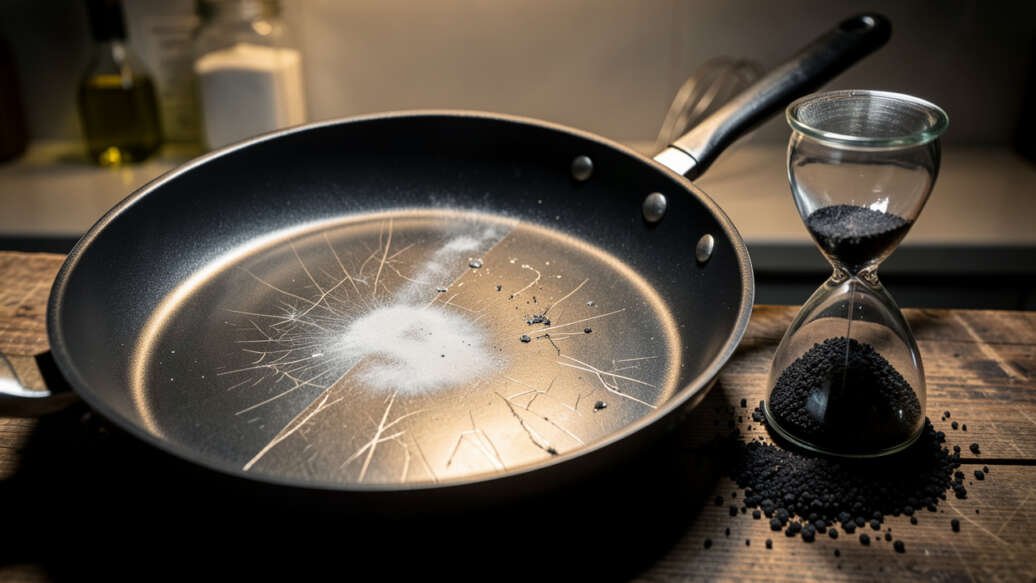
The most significant factor affecting non-stick coating durability is exposure to high heat, which degrades PTFE and other coatings faster than any other variable. To preserve the coating, cook at or below medium heat and avoid temperatures above those recommended for your specific pan type. Additionally, using soft utensils, hand washing with non-abrasive sponges, and storing pans with protectors can dramatically extend the coating’s lifespan.
You want your non-stick pans to last as long as possible. But over time, the coating starts to peel or lose its slickness. That is frustrating and expensive.
Understanding Pan Coating Lifespan: What Affects Non-Stick Durability Most helps you get more use from every pan. This article explains the key factors that ruin coatings and what you can do to slow that damage. You will learn simple habits that keep your pans working like new for years.
Key Takeaways
- Heat is the number one enemy of non-stick coatings – staying below medium heat prevents breakdown.
- Abrasive cleaning tools scratch the surface and cause early peeling.
- Cooking spray buildup hardens on the coating and reduces its slickness over time.
- Proper storage with pan protectors stops scratches from stacking.
- Pan quality matters – thicker coatings and better brands last longer.
- Utensil choice – silicone or wood tools protect the coating from damage.
How Heat Damages Your Non-Stick Coating
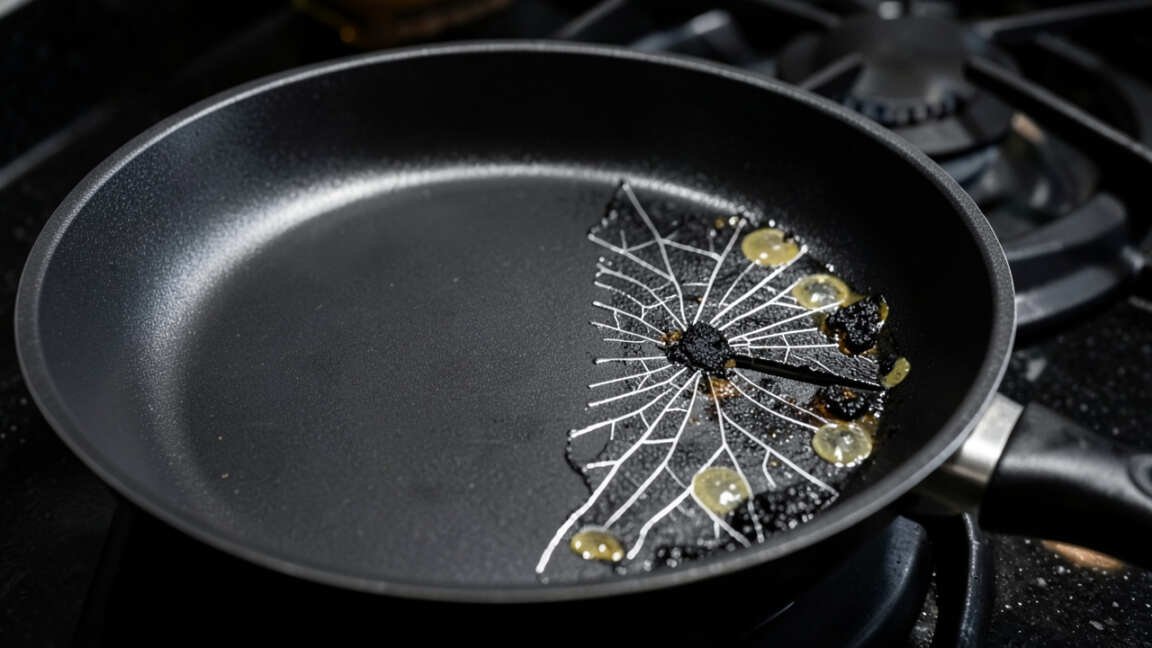
High heat breaks down non-stick coatings faster than anything else. Most pans with PTFE (Teflon) coatings should not go above medium heat. When you use high heat, the coating starts to degrade.
Tiny particles can release and the surface loses its smoothness. This is a direct factor in Pan Coating Lifespan: What Affects Non-Stick Durability Most.
Ceramic coatings handle a bit more heat, but they also suffer from rapid temperature changes. First, avoid preheating an empty pan on high heat. Second, use medium or low heat for cooking.
Then let the pan cool down slowly before washing. This simple habit can double the life of your coating.
Safe Temperature Ranges for Different Coatings
- PTFE (Teflon) – safe up to 500°F (260°C). Above that, the coating degrades and can release fumes.
- Ceramic – safe up to 600°F (315°C), but repeated high heat causes cracking.
- Hard anodized – handles high heat better, but the non-stick layer still needs care.
Check your pan’s manual for the exact limit. Using an infrared thermometer helps you stay within safe ranges.
Cleaning Habits That Shorten Pan Life
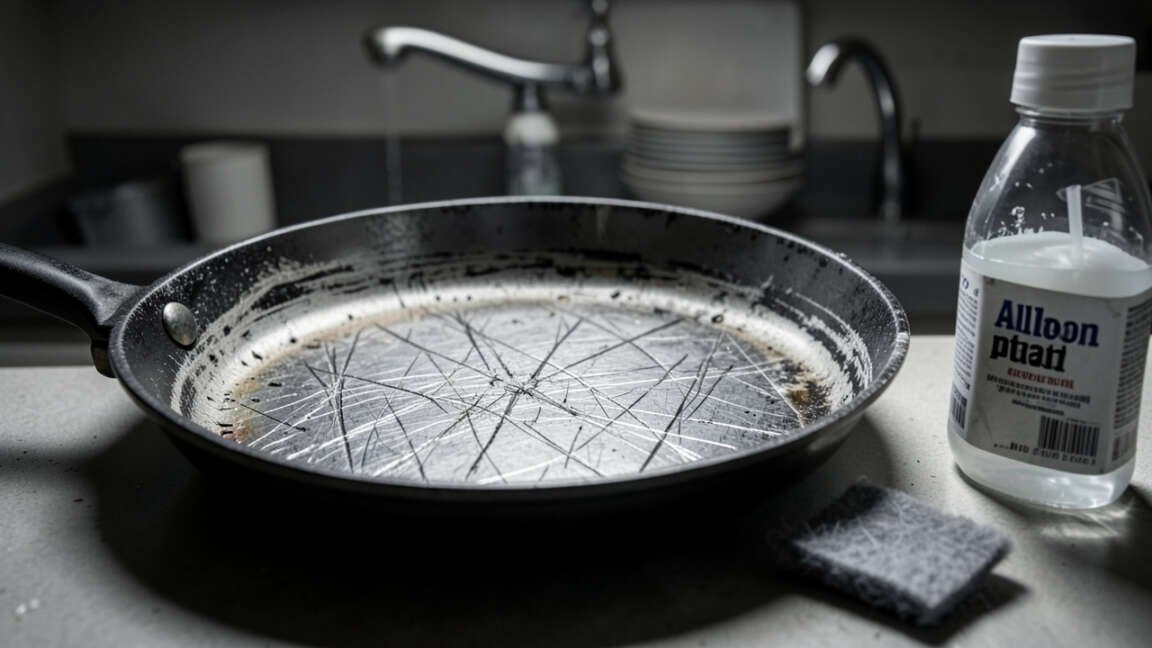
Rough cleaning is the second biggest cause of coating failure. Steel wool, scouring pads, and abrasive sponges scratch the non-stick surface. Once scratched, food starts to stick and the coating peels faster.
This is a critical part of Pan Coating Lifespan: What Affects Non-Stick Durability Most.
First, let the pan cool completely before washing. Hot water on a hot pan can warp the metal. Second, use a soft sponge or cloth with mild dish soap.
Next, scrub gently in circles – do not use force. Then rinse with warm water and dry with a soft towel. Avoid air drying because water spots can leave residue.
Why You Should Skip the Dishwasher
Dishwashers use high heat and strong detergents. These break down non-stick coatings over time. The forceful water jets can also knock off loose coating edges.
Hand washing is the only safe way to clean non-stick pans. If you must use a dishwasher, choose the gentle cycle and place pans away from heating elements.
Tools That Are Safe to Use
- Silicone scrubbers – gentle but effective.
- Soft microfiber cloth – best for daily cleaning.
- Nylon brushes – only if labeled non-scratch.
- Avoid – steel wool, metal pads, and abrasive powders.
Why Cooking Spray Messes Up Your Coating
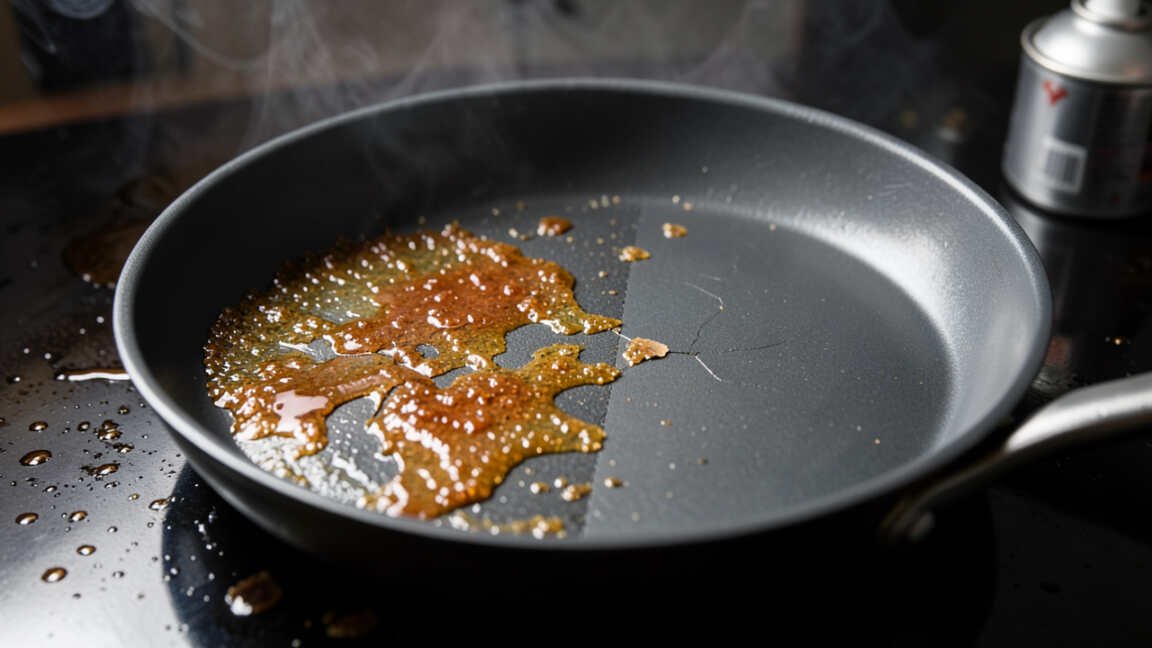
Cooking spray seems convenient, but it builds up a sticky layer on non-stick pans. The spray contains lecithin and propellants that burn onto the surface. Over time, this buildup becomes hard to remove and stops the pan from being non-stick.
This is a hidden issue in Pan Coating Lifespan: What Affects Non-Stick Durability Most.
Instead of spray, use a small amount of oil or butter. Olive oil, avocado oil, or coconut oil work well. Apply with a paper towel to spread thinly.
This avoids the sticky residue and keeps the coating clean. If you already have buildup, soak the pan in warm soapy water and use a soft scrubber to remove it.
Storage Tips To Protect Your Pan Coating
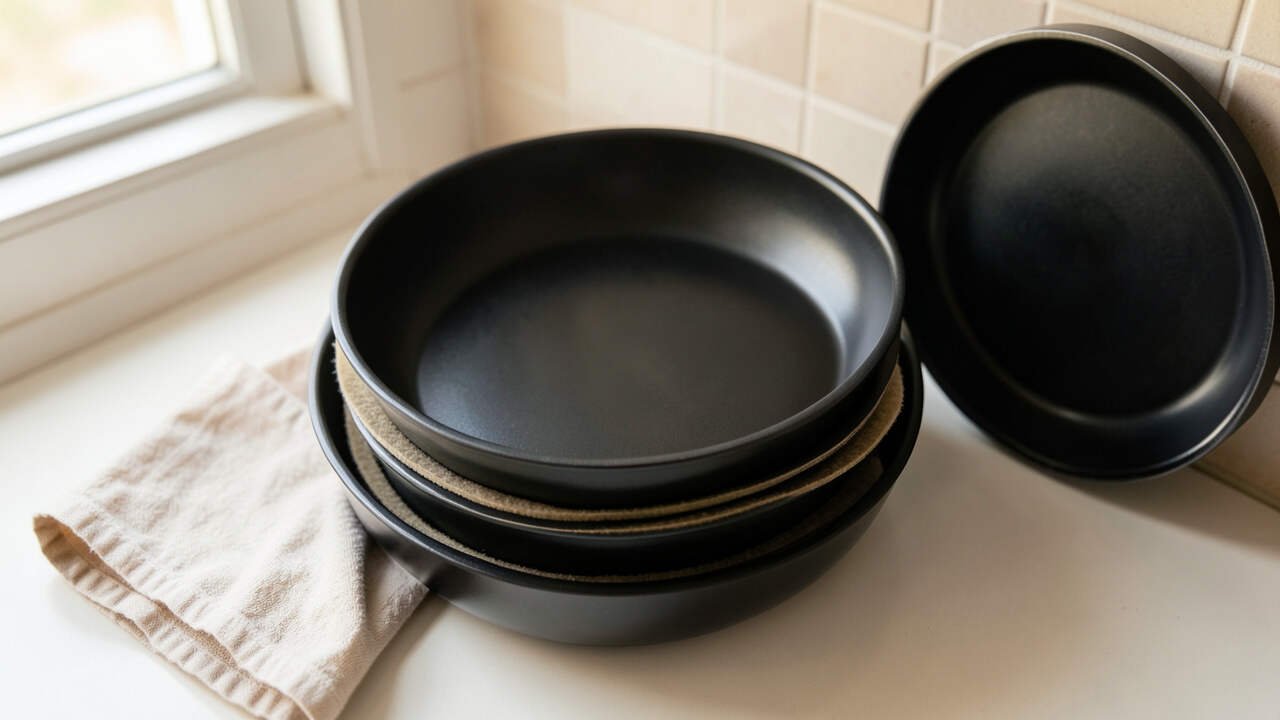
How you store your pans affects their durability. Stacking pans without protection causes scratches. Metal pans rubbing against each other wears down the coating.
This is an often overlooked factor in Pan Coating Lifespan: What Affects Non-Stick Durability Most.
First, use pan protectors – felt pads or paper towels between pans. Second, hang pans if you have space. Next, avoid storing heavy pots on top of non-stick pans.
Then keep each pan separate if possible. Finally, store in a dry cabinet to prevent moisture damage to the handle and coating.
Best Storage Methods Compared
- Hanging rack – best, no contact with other pans.
- Stacking with protectors – good, use felt or silicone dividers.
- Stacking without protectors – bad, causes scratches.
- In drawers – only if pans are separated.
Choosing Quality Pans for Longer Coating Life
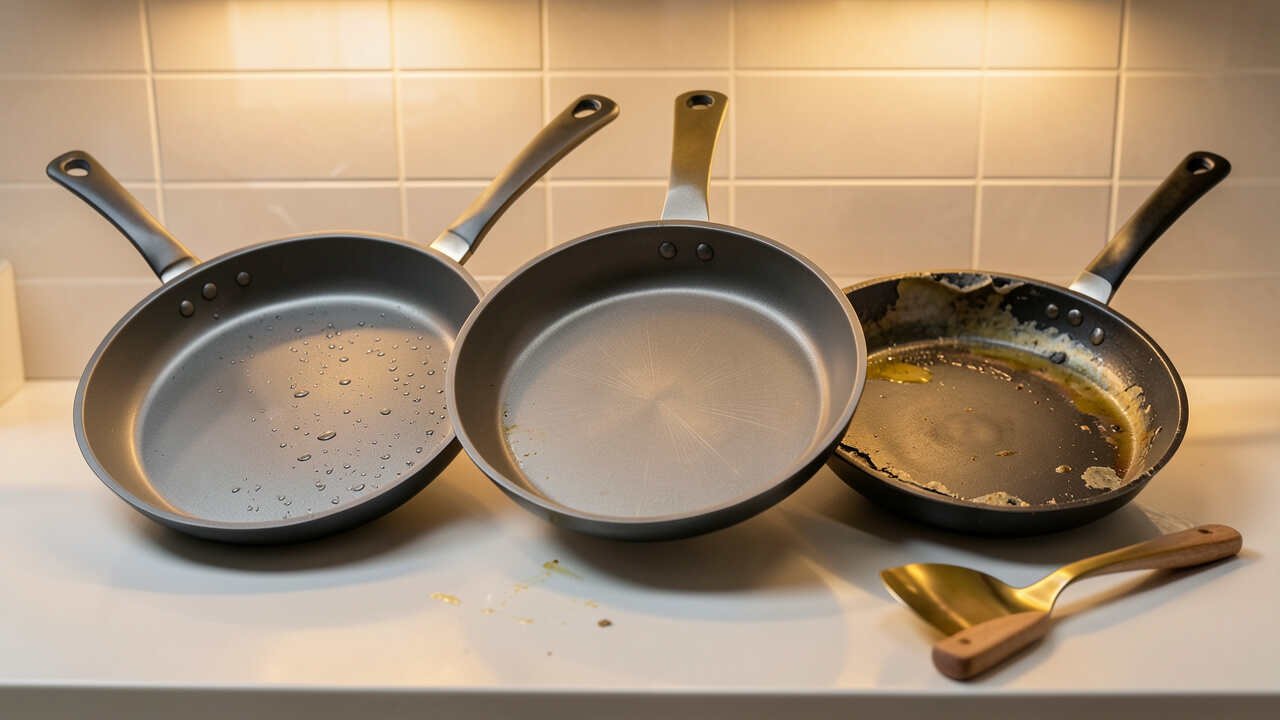
Not all non-stick pans are the same. The quality of the coating and the base metal affects durability. Cheap pans have thin coatings that wear out quickly.
Better quality pans use multiple layers of coating and thicker aluminum or stainless steel. This is a foundational part of Pan Coating Lifespan: What Affects Non-Stick Durability Most.
Look for pans with a coating thickness of at least 20 microns. Brands like All-Clad, Calphalon, and GreenPan use durable coatings. Ceramic coatings are safer but softer than PTFE.
Hard anodized pans are the most durable because the coating bonds to the metal better.
Coating Types and Typical Lifespan
Spend a little more on a quality pan. It saves money in the long run because you replace it less often.
Frequently Asked Questions
How long should non-stick pan coating last?
Typically 1 to 5 years depending on use and care. Proper maintenance like low heat and hand washing extends Pan Coating Lifespan: What Affects Non-Stick Durability Most.
What causes non-stick coating to peel?
High heat and abrasive cleaning are the main causes. Overheating breaks down the coating bonds, while rough scrubbing scratches the surface and leads to peeling.
Can I use metal utensils on non-stick pans?
No. Metal utensils scratch the coating and reduce its lifespan. Use silicone, wood, or plastic utensils instead for better Pan Coating Lifespan: What Affects Non-Stick Durability Most.
Does cooking spray ruin non-stick pans?
Yes. The residue from cooking spray builds up and hardens, which damages the coating over time. Use a small amount of oil applied with a paper towel.
How can I make my non-stick pan last longer?
Avoid high heat, hand wash with a soft sponge, store with protectors, and use silicone utensils. These steps directly improve Pan Coating Lifespan: What Affects Non-Stick Durability Most.
Is it safe to use non-stick pans if the coating is scratched?
It is better to replace a scratched pan. Scratches can release small coating
Final Thoughts
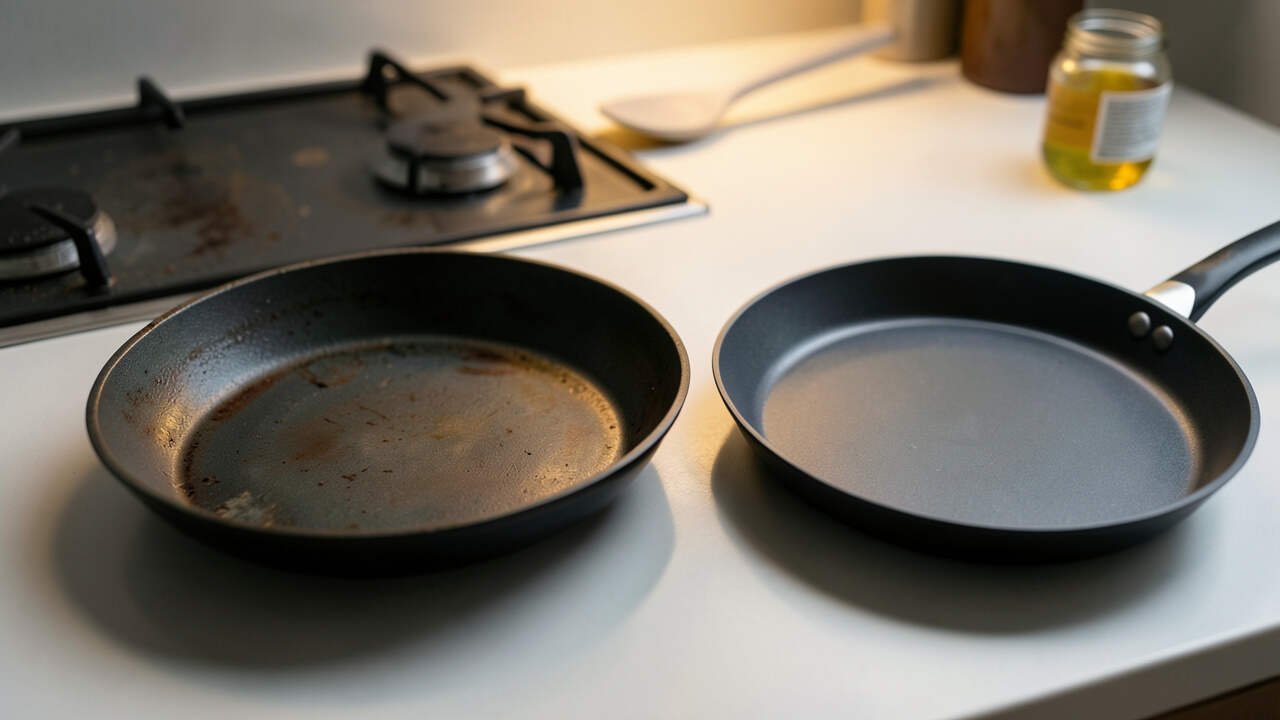
Avoiding high heat, metal utensils, and abrasive cleaners is the key to extending non-stick lifespan. Even the best coating will degrade quickly without proper care-gentle use and hand washing make the biggest difference for durability.

Leave a Reply