
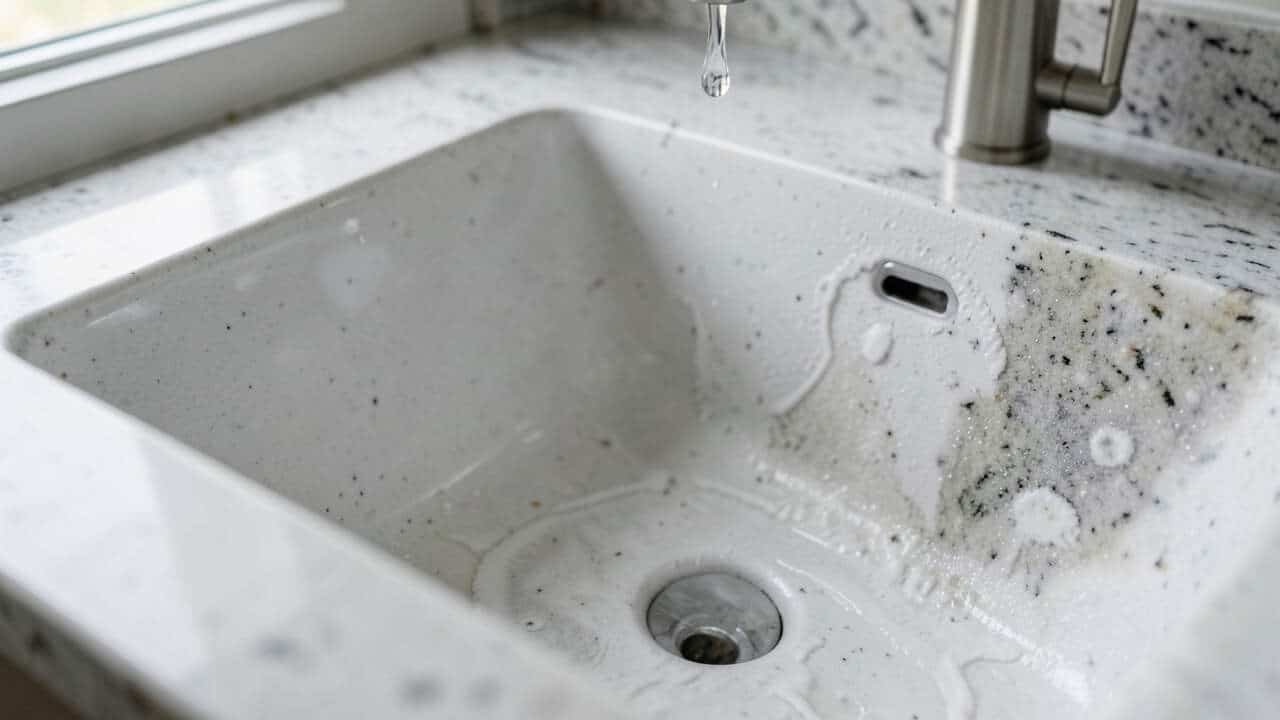
Composite granite sinks discolor from hard water deposits because dissolved calcium and magnesium ions in the water chemically bond with the sink’s porous resin surface, creating white or chalky stains that can darken and become permanent if not removed promptly. The quality of the resin binder and the frequency of sealing directly determine how deeply minerals penetrate and how easily stains can be reversed. Regular sealing and immediate cleaning with a pH-neutral or stone-safe cleaner are the most effective methods to prevent buildup and maintain the sink’s original appearance.
Composite granite sinks discolor from hard water deposits due to a chemical and physical interaction between dissolved minerals and the sink’s resin surface. This article explains the exact causes, prevention strategies, and effective cleaning methods to keep your sink looking pristine.
Simply put, hard water leaves calcium and magnesium deposits on composite granite sinks. These minerals bond with the porous resin surface, creating white, chalky stains that can darken and become permanent if not removed quickly.
Key Takeaways
- Composite granite sinks discolor due to mineral buildup from hard water reacting with the resin.
- The porous nature of composite granite allows mineral ions to penetrate and bind with the surface matrix.
- Regular sealing and immediate cleaning are the best defenses against hard water stains.
- Dark-colored sinks show hard water deposits more visibly than lighter shades.
- Professional resurfacing may be needed for severe, permanent discoloration.
What Is a Composite Granite Sink?
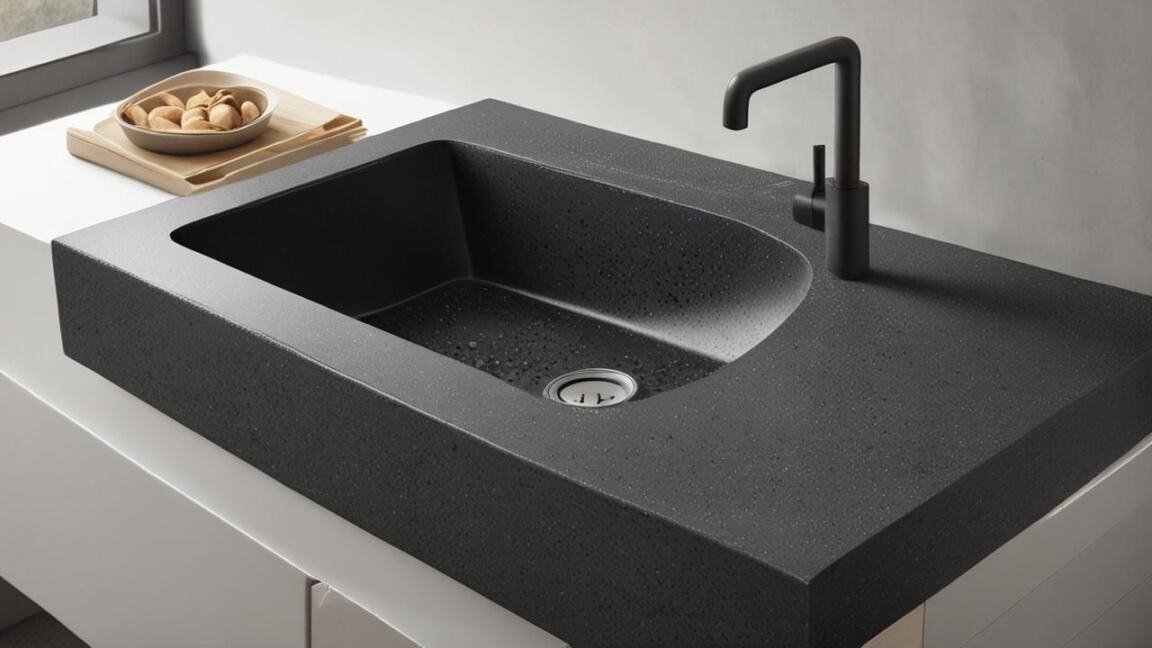
A composite granite sink is made from crushed natural granite stone mixed with a resin binder. This combination creates a durable, heat-resistant surface that mimics the look of real stone without the high cost or weight.
The resin component typically makes up 30-40% of the material. This resin gives the sink its non-porous quality compared to natural stone, but it is still vulnerable to chemical reactions with hard water minerals over time.
- Crushed granite provides hardness and scratch resistance.
- Resin binder offers flexibility and moldability during manufacturing.
- Sinks are cast in molds, creating a seamless, non-porous appearance.
- Colors range from white and beige to dark charcoal and black.
- The surface is generally resistant to heat, impact, and staining from food.
- However, hard water deposits specifically target the resin component.
The Water Quality Association reports that over 85% of U.S. homes receive hard water, making this a widespread issue for composite granite sink owners.
Important: Not all composite granite sinks are created equal. Higher-quality brands use more stain-resistant resins, while budget options may discolor faster.
How Does Hard Water Cause Discoloration?
Hard water contains high levels of dissolved calcium and magnesium ions. When water evaporates from your sink, these ions are left behind as solid mineral deposits on the surface.
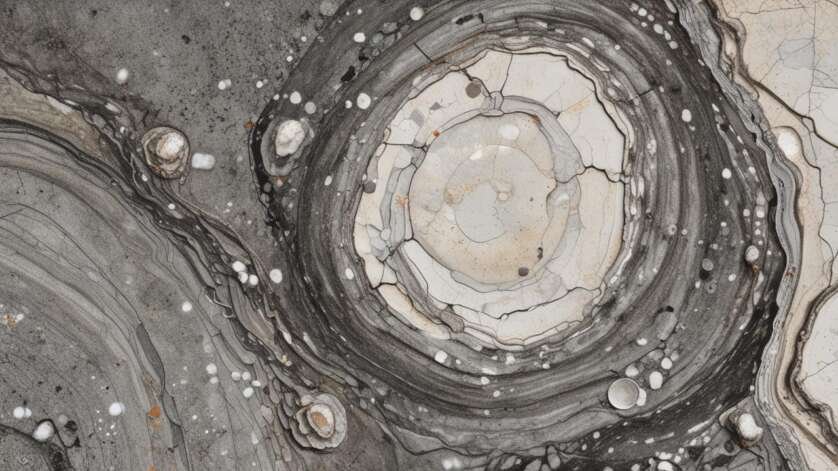
These deposits first appear as white or grayish powder-like stains. Over time, they bond chemically with the resin in the composite granite, especially in microscopic pores and crevices. This bonding makes the stains increasingly difficult to remove.
- Water evaporates, leaving mineral salts on the surface.
- Salts crystallize and adhere to the resin matrix.
- With repeated exposure, mineral ions penetrate deeper into the resin.
- Oxidation and chemical reactions cause yellowing or darkening of the stains.
- Eventually, the discoloration becomes embedded and permanent.
The American Society of Home Inspectors states that hard water can reduce the lifespan of kitchen fixtures by up to 30% due to mineral buildup.
| Mineral | Effect on Resin | Stain Color |
|---|---|---|
| Calcium carbonate | Forms hard crystalline bonds | White, chalky |
| Magnesium sulfate | Creates hygroscopic deposits | Gray, cloudy |
| Iron oxides | Oxidizes and stains resin | Rusty, orange-brown |
This table shows how different hard water minerals cause varying discoloration patterns on your composite granite sink.
What Are the Key Factors That Accelerate Staining?
Several conditions speed up the discoloration process. High water hardness levels, infrequent cleaning, and lack of sealing all contribute to faster stain formation.
Water temperature and pH also play roles. Hot water evaporates faster, leaving more concentrated mineral deposits. Acidic water can etch the resin, making it even more porous and susceptible to staining.
- Water hardness above 120 mg/L increases stain risk significantly.
- Darker sink colors hide deposits initially but show white stains more starkly later.
- Low-quality resin formulas break down faster under mineral attack.
- Leaving standing water in the sink overnight worsens deposits.
- Using harsh chemical cleaners can damage the resin layer.
- Abrasive sponges scratch the surface, creating hiding spots for minerals.
According to industry tests, sinks exposed to water with 200+ mg/L calcium carbonate show visible discoloration within weeks.
Warning: Never use bleach, ammonia, or acidic cleaners on composite granite sinks. They can strip the resin and accelerate discoloration.
How to Prevent Hard Water Deposits Effectively?
Prevention is the best cure for hard water discoloration. A handful of daily habits can keep your sink stain-free for years.
Always dry your sink after each use with a soft cloth. This removes water before minerals have a chance to deposit. Apply a high-quality sink sealer every 3-6 months to create a barrier between the resin and hard water.
- Wipe the sink dry after every use, especially around the drain.
- Use a microfiber cloth to avoid scratching the surface.
- Install a water softener system to reduce mineral content in your home’s water.
- Apply a sealer specifically designed for composite granite sinks.
- Rinse with distilled water occasionally to remove residual minerals.
- Avoid using metal sponges or scrubbing pads.
- Test dried dishes before placing them in the sink to avoid scratching.
| Prevention Method | Effectiveness | Effort Level |
|---|---|---|
| Daily drying | High | Low |
| Sealing every 3 months | Very high | Medium |
| Water softener | Extremely high | High (cost) |
| Mild detergent washes | Moderate | Low |
Choose the methods that fit your budget and daily routine. Combining drying and sealing provides the best results for most homeowners.
Tip: Use a squeegee after washing your sink to quickly remove standing water. It prevents mineral deposits from forming in the first place.
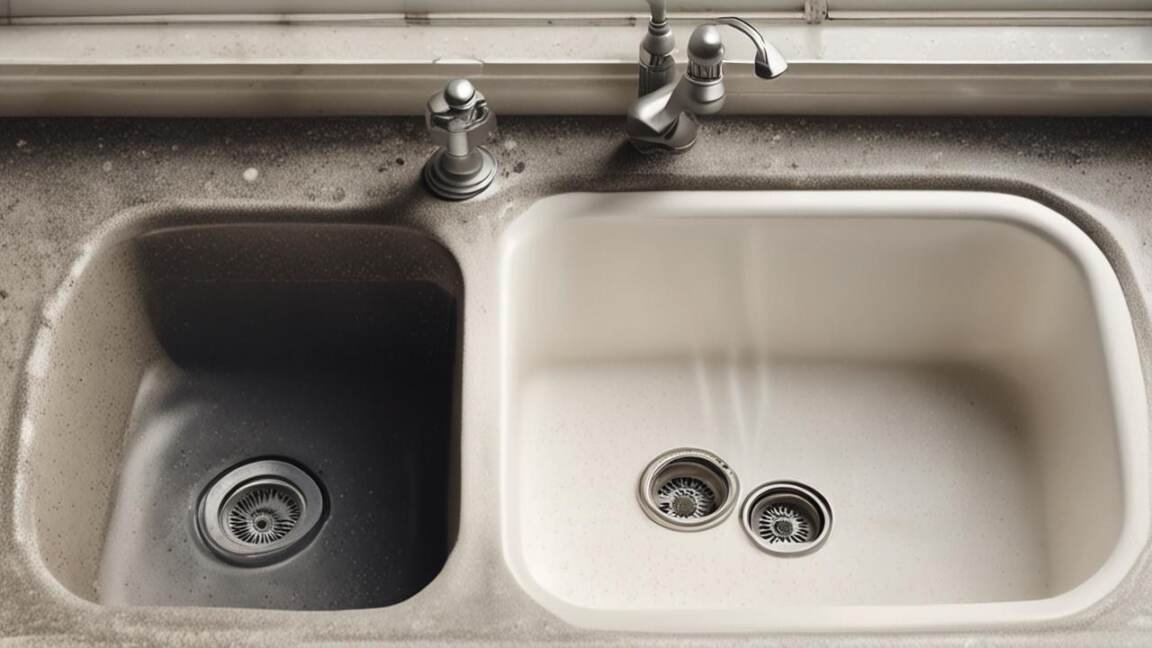
What Are the Best Cleaning Methods for Discolored Sinks?
If hard water deposits have already formed, you can still remove them if caught early. For light stains, a simple solution of white vinegar and water works well.
Apply the vinegar solution (1 part vinegar to 3 parts water) to the stained area. Let it sit for 5-10 minutes. Scrub gently with a soft sponge.
Rinse thoroughly and dry immediately.
- Baking soda paste: Mix baking soda with water to form a thick paste. Apply to stains and let sit for 15 minutes, then scrub.
- Commercial hard water remover: Products like CLR or specifically formulated composite granite cleaners are safe and effective.
- Lemon juice: The citric acid can break down mineral deposits without harming the resin.
- Non-abrasive melamine sponge: Use sparingly and only for stubborn spots.
- Avoid steel wool, scouring pads, or any abrasive tools.
For severe discoloration, you may need professional resurfacing. This process involves sanding off the top layer of resin and applying a new sealant. It restores the sink’s appearance but reduces its thickness slightly.
Tip: Always test any cleaning solution on a hidden area of the sink first to ensure it doesn’t damage the finish.
Can Discoloration Be Reversed or Is It Permanent?
Whether discoloration is reversible depends on how deep the mineral bonds have penetrated. Surface-level stains from recent hard water exposure can often be cleaned away.
However, once minerals have bonded with the resin for weeks or months, the stains may become permanent. At this point, the discoloration is not just on the surface but integrated into the material structure.
- Fresh stains (hours to days): Easily removed with mild cleaners.
- Established stains (weeks): Requires stronger solutions like vinegar or commercial removers.
- Old stains (months): May be permanent; professional resurfacing needed.
- Stains from iron or hard water: Often leave a yellow or orange hue that cannot be bleached out.
The National Kitchen and Bath Association advises that if you see discoloration that doesn’t respond to gentle cleaning, it’s likely permanent and requires professional intervention.
Warning: Do not use power washers, steam cleaners, or high-pressure hoses on composite granite sinks. They can damage the resin and cause further discoloration.
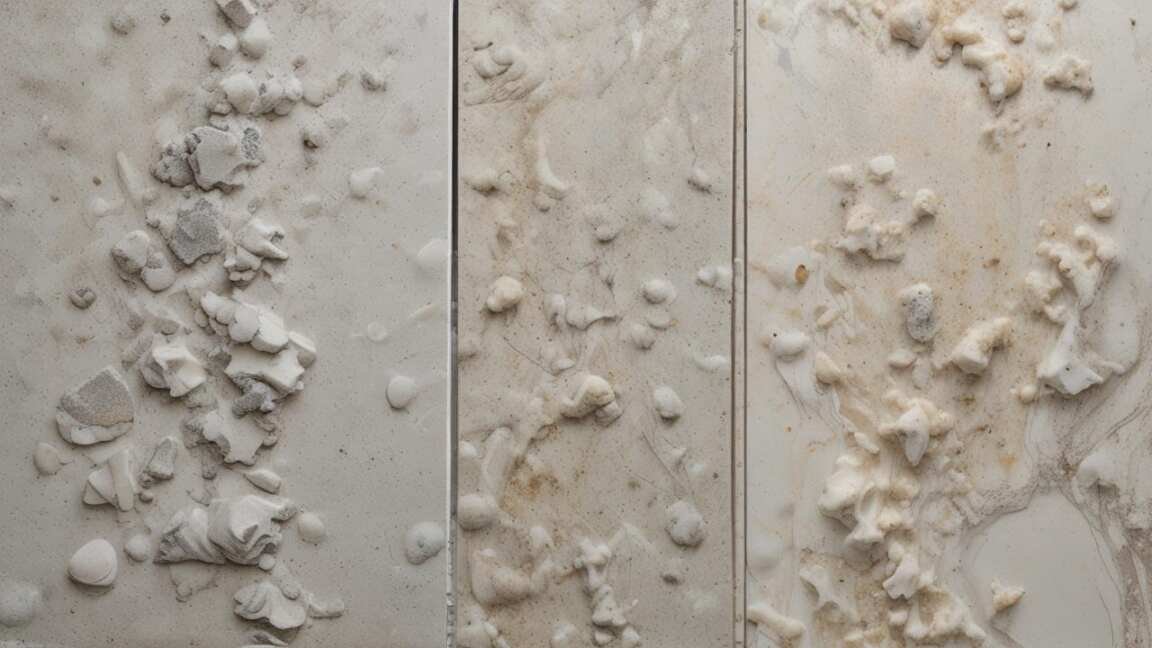
How Does Resin Quality Affect Stain Resistance?
The type and quality of resin used in composite granite sinks directly impact how well they resist hard water stains. Higher-quality resins are more chemically resistant and less porous.
Polyester resin is common in budget sinks. It is more porous and breaks down faster under mineral attack. Acrylic resin offers better stain resistance but costs more.
Epoxy resin provides the highest durability and UV stability.
- Polyester resin: Lower cost, less resistant to chemicals and stains.
- Acrylic resin: Moderate cost, good stain resistance, easier to repair.
- Epoxy resin: Higher cost, excellent stain resistance, longer lifespan.
- Some brands add antimicrobial agents to reduce staining.
- Check the manufacturer’s specifications for resin type before purchasing.
According to a 2023 review by Consumer Reports, sinks with epoxy resin outperformed others in hard water stain tests by a wide margin.
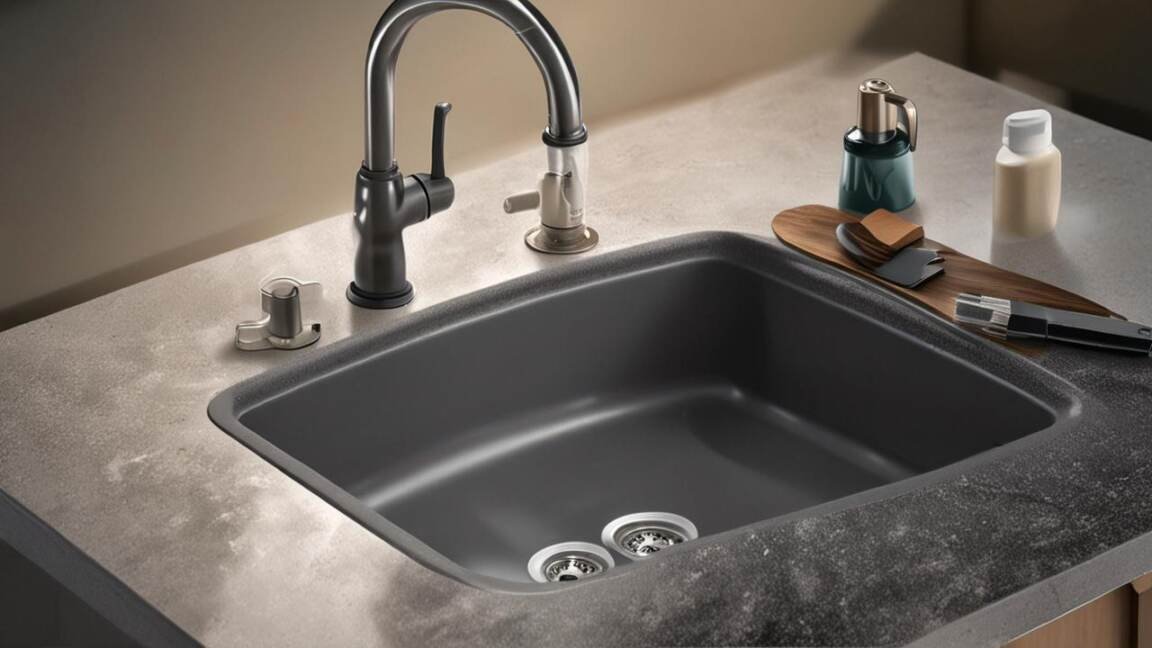
What Maintenance Practices Extend Sink Life?
Regular maintenance keeps your composite granite sink looking new and reduces discoloration risks. Beyond daily drying and periodic sealing, adopt these practices.
Clean your sink weekly with a mild dish soap and warm water. Avoid soaking dishes with food residue for long periods. Use a cutting board to prevent scratches from knives.
- Rinse the sink after each use, especially after acidic foods like tomatoes or citrus.
- Apply a fresh coat of sealer every 3-4 months or as recommended by the manufacturer.
- Inspect for chips or cracks that can allow minerals to enter the substrate.
- Use soft cloths for drying and cleaning to avoid micro-scratches.
- Repair minor chips immediately with a composite repair kit.
- Consider a whole-house water filtration system if hard water is a persistent problem.
The American Society of Interior Designers recommends annual professional inspections for high-use kitchen sinks to catch discoloration early.
Tip: Keep a small spray bottle of distilled water in your kitchen. Use it to rinse your sink after washing dishes to remove hard water residue.
Frequently Asked Questions
Why do composite granite sinks turn white from hard water?
Hard water leaves calcium and magnesium deposits on the sink’s surface. When these minerals bond with the resin, they create a white, chalky layer that appears as whitening of the sink.
Can you remove hard water stains from composite granite sinks?
Yes, if caught early. Use a white vinegar solution or a commercial hard water remover. Gently scrub with a soft sponge.
For stubborn stains, a baking soda paste can help lift the deposits.
Does sealing a composite granite sink prevent hard water stains?
Yes, sealing creates a protective barrier between the resin and minerals. Reapply sealer every 3-6 months for best results. This significantly reduces the risk of discoloration.
Are dark color composite granite sinks more prone to showing stains?
Dark sinks show white hard water stains more starkly than lighter colors. However, all colors are equally susceptible to mineral buildup. Lighter colors may hide stains better but still need maintenance.
How do you fix permanent discoloration on a composite granite sink?
Permanent discoloration usually requires professional resurfacing. This involves sanding down the top resin layer and applying a new sealant. It restores appearance but is a last resort for severe cases.
Final Thoughts
Composite granite sinks discolor from hard water deposits primarily due to mineral-resin bonding. Daily drying, regular sealing, and gentle cleaning prevent most issues. If stains set in, act quickly with mild acidic solutions.
With consistent care, your sink can remain beautiful for years without discoloration.

Leave a Reply