
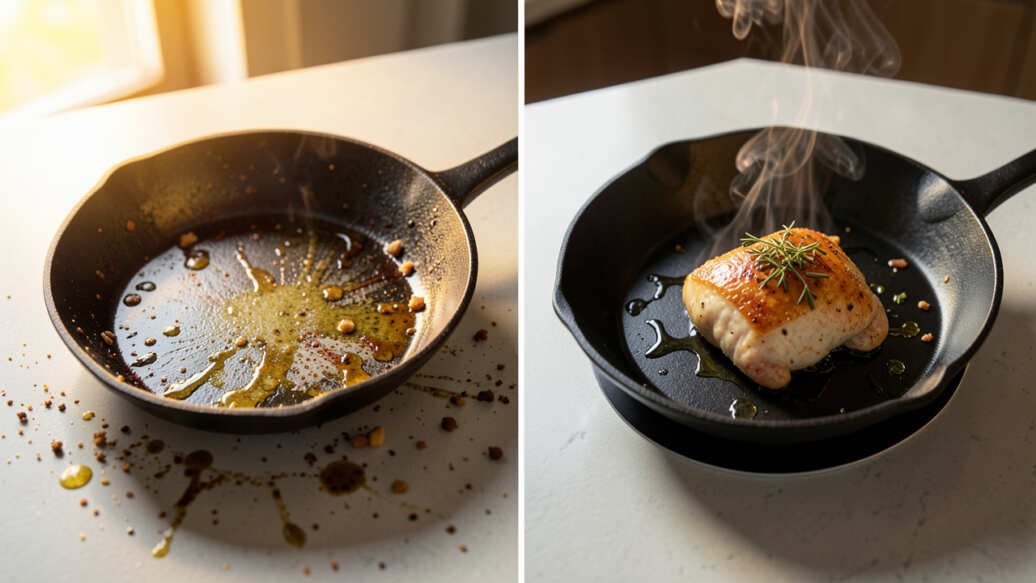
Skillet edge height dictates how effectively splatter and mess are contained, with higher edges reducing stovetop and cook splash significantly. Lower edges facilitate easy tossing and flipping but allow more hot oil to escape, increasing cleanup effort. This feature should be matched to cooking methods like frying versus sautéing to minimize mess while achieving desired cooking results.
You grab your favorite skillet to fry some chicken, and before you know it, grease pops all over your stovetop and arms. That mess happens because of a small detail you might not think about: Skillet Edge Height: Why It Matters for Splatter and Mess. This one feature changes how much oil jumps out of the pan and how easy cleanup is afterward.
In this article, you will learn exactly how edge height works, which pans keep your kitchen cleaner, and how to pick the right skillet for less splatter.
Key Takeaways
- Higher skillet edges trap more splatter and reduce mess on your stovetop.
- Lower edges make flipping and tossing easier but let more hot oil escape.
- Edge height affects heat distribution and how food cooks.
- Choosing the right height depends on what you cook most – frying vs. searing vs. sautéing.
- Material and shape also play a role in controlling splatter.
- A simple test at the store can help you find the best skillet for your kitchen.
How Skillet Edge Height Controls Splatter
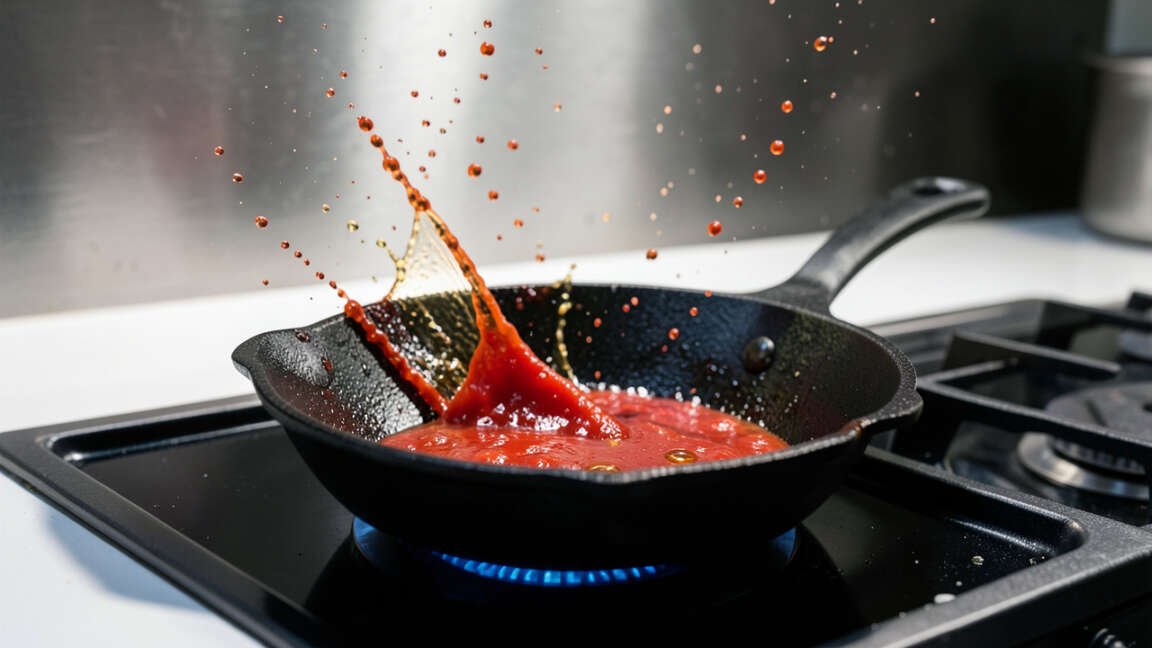
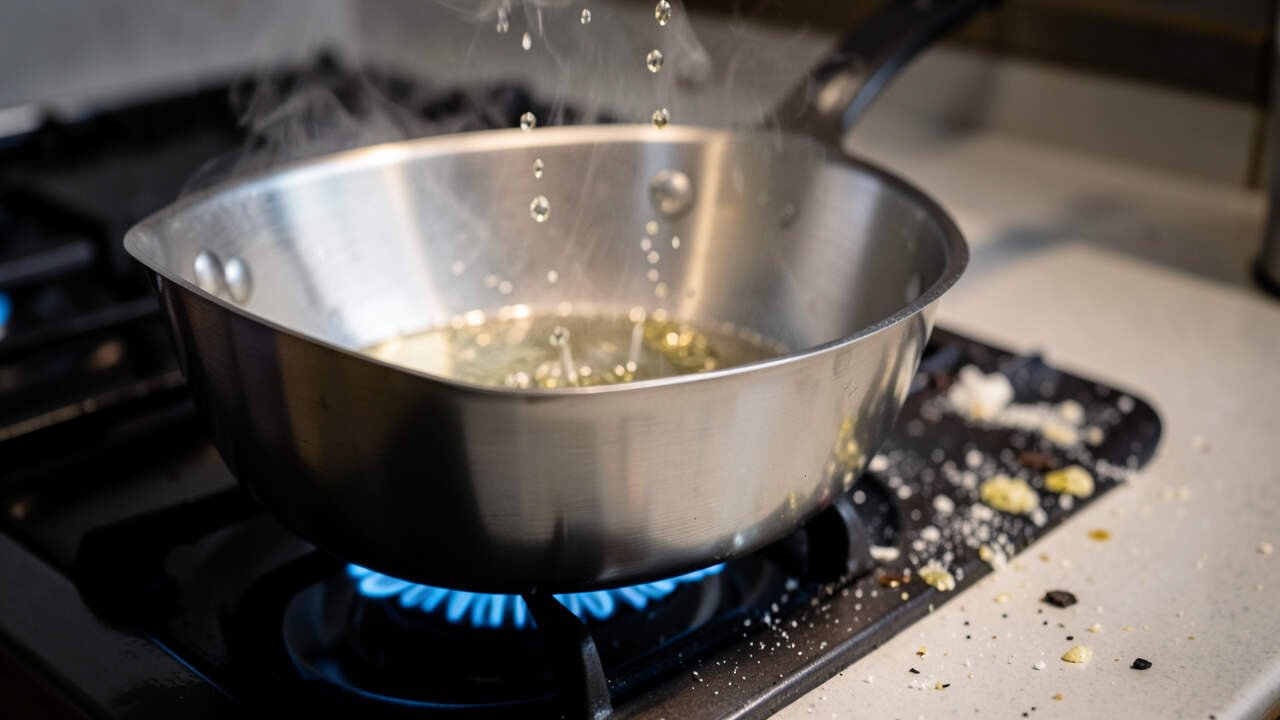
When you heat oil in a pan, tiny droplets of moisture from food turn into steam. That steam pushes oil upward and outward. A skillet with a higher edge catches more of those flying droplets.
The wall acts like a barrier. Lower edges give the oil a clear path to jump right out.
Think of it like a fence. A short fence lets a ball roll over the top. A tall fence keeps the ball inside.
The same idea applies to your pan. Skillet Edge Height: Why It Matters for Splatter and Mess becomes obvious when you fry bacon. A shallow pan sends grease all over the stove.
A deeper pan keeps most of it inside.
The angle of the edge also matters. Sloped sides let oil climb up and spill out. Straight sides hold oil in better.
Many home cooks never think about this until they have to scrub grease off their backsplash.
Low Edge Skillets: Great for Tossing, Bad for Mess
Low edges are common on traditional fry pans. They make it easy to flip food with a quick wrist motion. Chefs love them for sautéing vegetables or tossing pancakes.
But the trade-off is more splatter. Every time you add wet food to hot oil, small droplets escape over the short wall.
If you cook foods with a lot of moisture – like chicken thighs or fish fillets – a low edge will create a mess. The oil pops higher and lands farther away. You might need to cover the pan with a splatter screen to control it.
That extra step can be annoying.
Low edges are also harder to use for recipes that require a lot of liquid. Simmering a sauce in a shallow pan leads to boil-overs. The liquid bubbles up and over the rim quickly.
So if you make a lot of pan sauces or braises, a low edge might not be the best choice.
High Edge Skillets: Contained Splatter, Less Cleanup
High edges are typical of sauté pans and deep skillets. They look like a cross between a frying pan and a pot. The taller walls keep oil and liquid inside with much less escape.
This design is perfect for frying chicken, fish, or vegetables that release water.
Another benefit is reduced stovetop mess. You do not have to wipe down the counter after every meal. The grease stays in the pan where it belongs.
High edges also make it easier to stir without spilling. You can whisk a sauce or toss ingredients without worrying about food flying out.
The downside is that flipping food is harder. You cannot just flick the pan to turn a pancake or omelet. You need a spatula.
Also, high edges can trap steam, which might make some foods less crispy. But for many home cooks, the reduction in splatter is worth the trade-off.
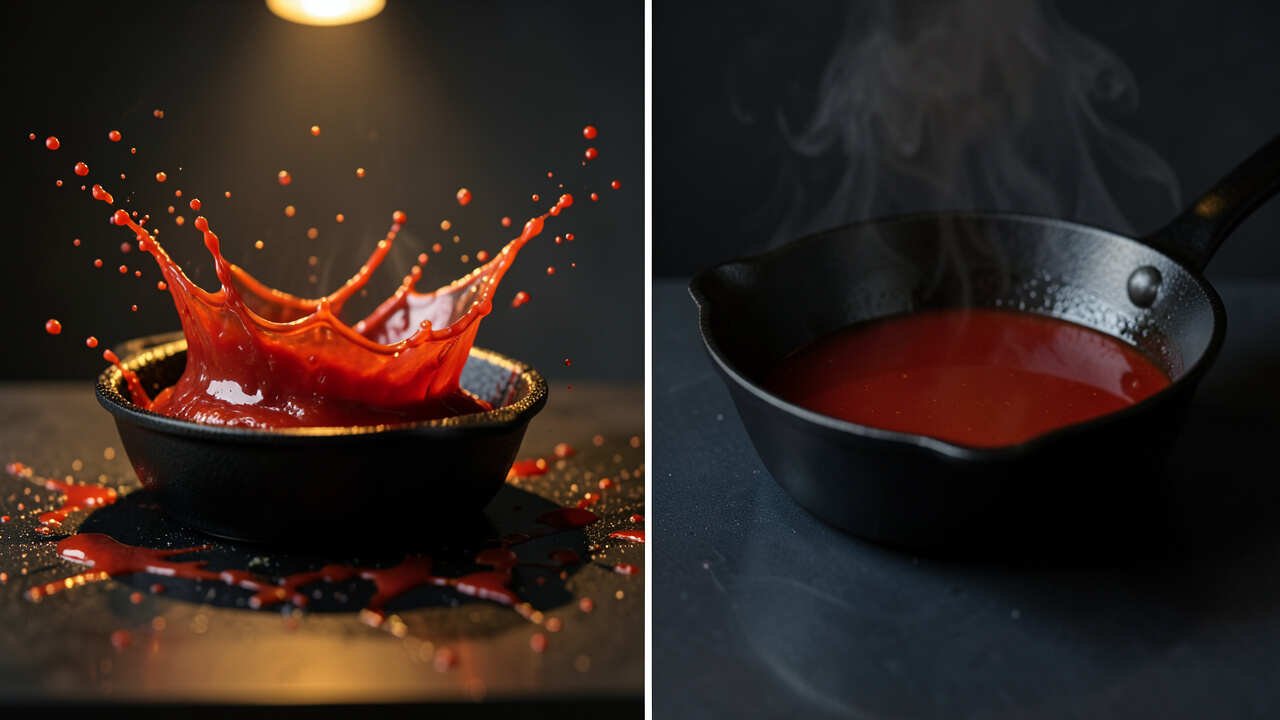
Comparing Low Edge vs. High Edge Skillets
To help you decide which type fits your cooking style, here is a side-by-side comparison of the key factors related to Skillet Edge Height: Why It Matters for Splatter and Mess.
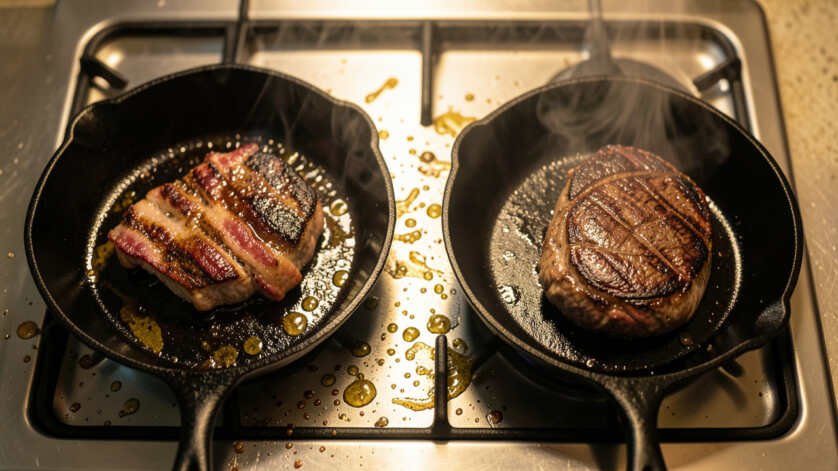
How Edge Height Affects Cooking Results
Edge height does more than just control splatter. It changes how heat moves around the pan and how food cooks. A higher edge can create a slightly different temperature zone in the center versus the outer edges.
The walls can absorb some heat, which might slow down browning if the pan is too deep.
But for most home cooking, the difference is small. What matters more is the material of the pan. Stainless steel, cast iron, and nonstick all conduct heat differently.
Still, edge height plays a role in how much oil stays in contact with food. Deeper pans hold more oil, which can help with even frying.
When to Choose a Low Edge Skillet
Pick a low edge skillet if you cook foods that need frequent flipping. Pancakes, omelets, and thin fish fillets benefit from quick tossing. You also get better browning because moisture escapes faster.
Low edges work well for recipes that do not produce a lot of liquid splatter.
If you have a gas stove, a low edge gives you more room to see the flame and adjust heat quickly. Many cooks prefer low edges for delicate tasks like making crêpes or searing scallops. The open design lets you control the exact moment to flip.
When to Choose a High Edge Skillet
Choose a high edge skillet if you fry often or make saucy dishes. Chicken fried steak, breaded fish, and stir-fry all produce splatter. High edges contain the mess.
They also work better for one-pan meals where you add liquid after searing. You can deglaze the pan without worrying about the sauce boiling over.
If you cook on an electric or induction stove, high edges help keep heat in the cooking zone. The walls reduce heat loss around the sides. This can lead to more consistent cooking temperatures.
For busy home cooks who want less cleanup, a high edge skillet is a clear winner.
Material and Shape: Other Factors That Affect Splatter
Edge height is important, but it is not the only thing that matters. The shape of the skillet also influences splatter. Straight sides hold oil in better than sloped sides.
Some pans have a slight flare at the top, which can guide splatter up and out. Look for pans with near-vertical walls for maximum mess control.
Material matters too. Cast iron has a rough surface that can cause more splatter as food sticks and releases. Nonstick surfaces let food slide, which often reduces sudden popping. The cast iron rough surface can cause more splatter as food sticks and releases during cooking.
Stainless steel heats evenly but can cause more spitting if the oil temperature is not managed well.
Weight also plays a role. A heavy pan stays stable on the burner. A lightweight pan can tip easily, making splatter worse.
So when you think about Skillet Edge Height: Why It Matters for Splatter and Mess, also consider the overall design of the pan.
How to Test Edge Height Before Buying
If you are shopping for a new skillet, bring a small ruler or just use your fingers. First, measure the depth from the bottom to the rim. A depth under 2 inches is a low edge.
Over 2.5 inches is a high edge. Next, check the angle of the walls. Hold the pan upright and see if the sides slope out or go straight up.
Then, imagine cooking your most common meals. If you always make fried chicken, go for high edges. If you make a lot of omelets, low edges are fine.
Finally, check the weight. Lift the pan with one hand. A heavy pan with high edges will stay put and reduce accidental splashes.
Frequently Asked Questions
Does skillet edge height really affect how much mess I get?
Yes. Higher edges trap more oil and liquid inside the pan. Lower edges let splatter escape easily.
That is why Skillet Edge Height: Why It Matters for Splatter and Mess is such an important factor for cleaner cooking.
What is the ideal edge height for frying chicken?
For deep frying or pan frying chicken, look for a skillet with edges at least 2.5 inches high. That depth keeps hot oil from jumping out and reduces the risk of burns.
Can I use a splatter screen instead of a high-edge skillet?
Yes, a splatter screen helps, but it does not trap all the grease. High edges block splatter from the sides, while a screen covers the top. Using both is the most effective way to keep your stovetop clean.
Does edge height affect how food browns?
Indirectly, yes. Lower edges let steam escape faster, which can lead to better browning for some foods. Higher edges trap more steam, which might slow down crispiness.
But the difference is small for most home cooks.
Which is better for a beginner cook – low edge or high edge skillet?
A high edge skillet is better for beginners because it reduces mess and is easier to stir without spilling. It gives you more control over liquid and oil, so you can focus on learning techniques.
Does the material of the skillet change how splatter behaves?
Yes. Nonstick pans release food more easily, which often reduces sudden splashes. Cast iron and stainless steel may cause more sputtering if moisture hits hot oil.
But edge height still has the biggest effect on containing splatter.
Can I modify a low edge skillet to reduce splatter?
You cannot change the edge height, but you can use a splatter screen or cook at lower heat. Preheating the pan evenly and patting food dry also helps minimize popping. For the best results, choose a pan with higher edges from the start.
Final Thoughts
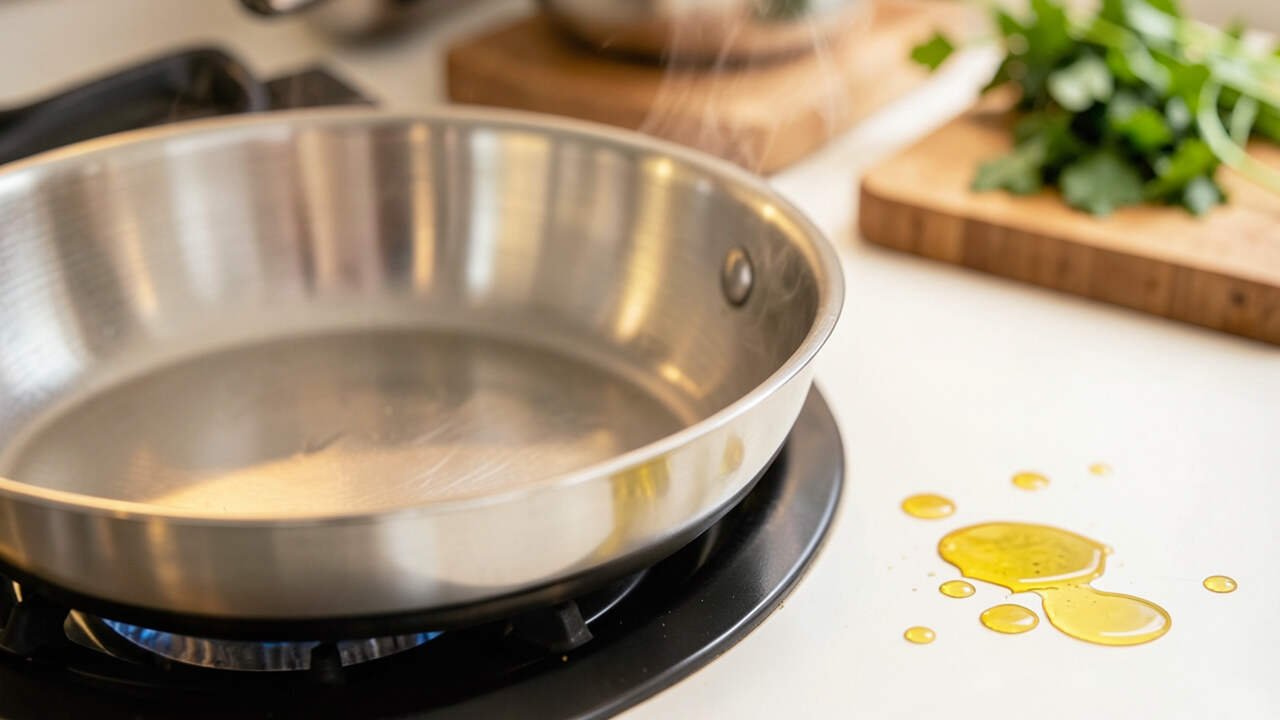
Choosing the right skillet edge height makes a real difference in how much mess you deal with. Higher edges keep splatter contained and make cleanup easier, while lower edges give you more tossing freedom. Match the pan to your most common cooking tasks, and you will enjoy a cleaner, safer kitchen every time you fry or sauté.

Leave a Reply